

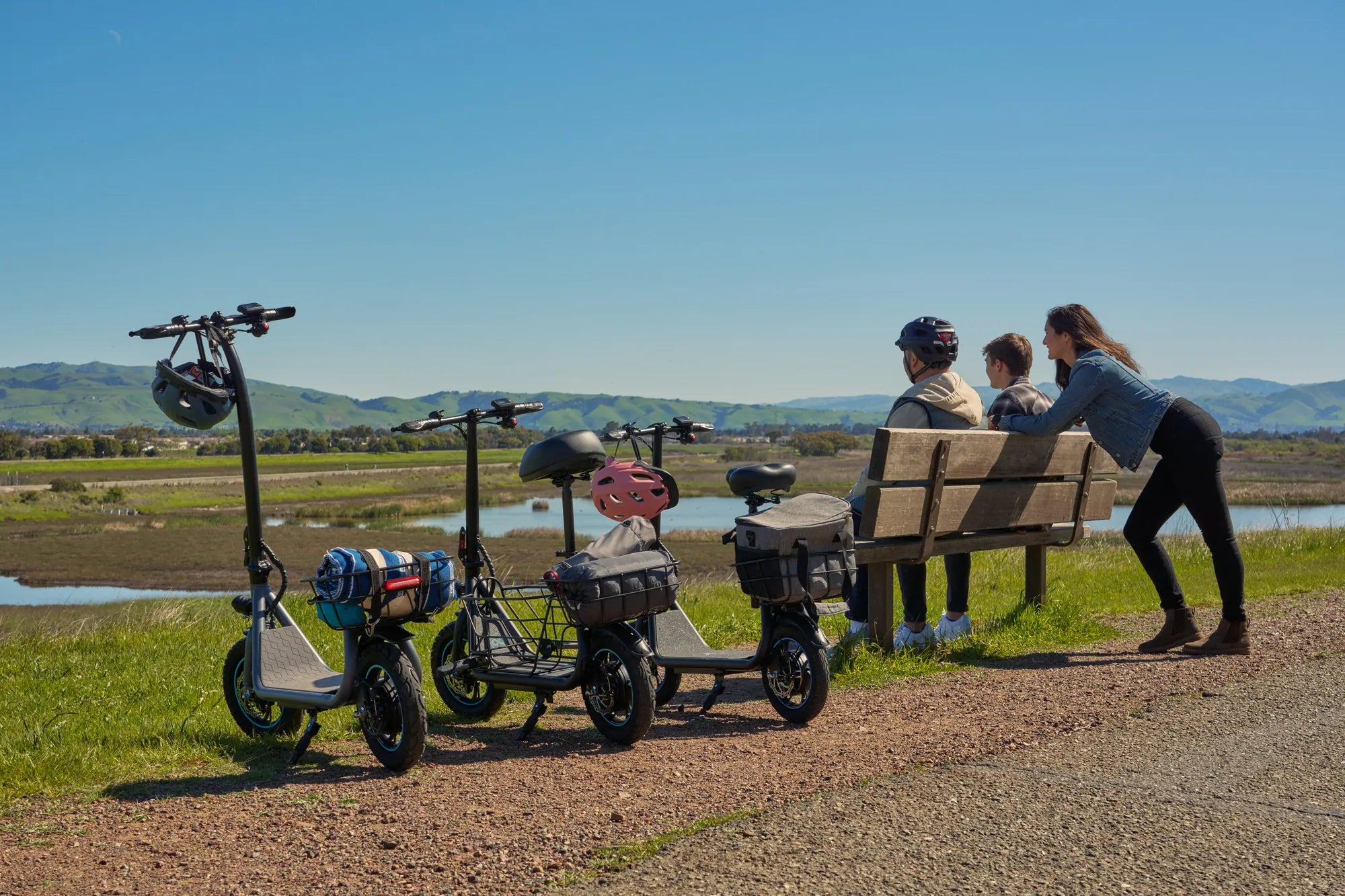
The India electric two wheeler market is buzzing with innovation, policy support, and increasing consumer demand. As the world shifts toward sustainable mobility, India is emerging as a key player in the electric vehicle (EV) revolution, particularly in the two-wheeler segment. With rising fuel prices, growing environmental awareness, and government initiatives, the market is poised for exponential growth. But what exactly is driving this surge, and what challenges lie ahead? Let’s dive deep into the dynamics of this transformative industry.
Current State of the India Electric Two Wheeler Market
The India electric two wheeler market has witnessed remarkable growth in recent years. According to industry reports, sales have more than doubled in the past two years, with urban and semi-urban areas leading the charge. Factors such as rising fuel costs, government subsidies under the Faster Adoption and Manufacturing of Electric Vehicles (FAME) scheme, and improved charging infrastructure have significantly contributed to this upward trend.
Key Drivers of Growth
Government Policies and Incentives
The Indian government has been proactive in promoting electric mobility. Policies like FAME II offer subsidies for electric two-wheelers, making them more affordable for consumers. Additionally, several states have introduced their own incentives, including tax exemptions and reduced registration fees, further boosting adoption.
Environmental Concerns
With increasing awareness about air pollution and climate change, consumers are gravitating toward cleaner alternatives. Electric two-wheelers produce zero tailpipe emissions, making them an attractive option for eco-conscious buyers.
Technological Advancements
Battery technology has improved significantly, with lithium-ion batteries offering better range and faster charging times. Innovations in motor efficiency and lightweight materials have also enhanced the performance and appeal of electric two-wheelers.
Challenges Facing the Market
High Initial Costs
Despite subsidies, the upfront cost of electric two-wheelers remains higher than their petrol counterparts. This price barrier can deter budget-conscious consumers, though declining battery costs are expected to alleviate this issue over time.
Charging Infrastructure
While urban areas are seeing a rise in charging stations, rural and semi-urban regions still lag behind. The lack of widespread charging infrastructure can be a significant deterrent for potential buyers.
Range Anxiety
Many consumers worry about the limited range of electric two-wheelers compared to traditional vehicles. Although newer models offer improved ranges, overcoming this psychological barrier remains a challenge.
Future Opportunities
Expansion into Rural Markets
Rural areas represent a vast untapped market for electric two-wheelers. Affordable models tailored to rural needs, coupled with localized charging solutions, could unlock significant growth potential.
Battery Swapping Technology
Battery swapping is emerging as a game-changer, allowing users to exchange depleted batteries for fully charged ones in minutes. This innovation could address range anxiety and reduce downtime, making electric two-wheelers more practical for daily use.
Integration with Renewable Energy
Pairing electric two-wheelers with solar-powered charging stations could further enhance their sustainability. This synergy aligns with India’s renewable energy goals and offers a greener alternative to conventional charging methods.
Consumer Preferences and Market Trends
Young, tech-savvy consumers are driving demand for stylish, high-performance electric two-wheelers. Features like smartphone connectivity, GPS navigation, and regenerative braking are becoming standard, reflecting the evolving preferences of buyers. Additionally, the rise of shared mobility and last-mile delivery services is creating new avenues for market expansion.
Competitive Landscape
The India electric two wheeler market is highly competitive, with both established players and startups vying for market share. Companies are focusing on product differentiation, affordability, and after-sales services to gain an edge. Collaborations with battery manufacturers and charging infrastructure providers are also becoming common strategies.
Regulatory Framework
Stringent emission norms and the government’s push for electrification are shaping the regulatory landscape. Policies like the Production-Linked Incentive (PLI) scheme for advanced chemistry cell batteries are expected to further bolster the market by reducing dependency on imports.
The Road Ahead
The India electric two wheeler market is on the cusp of a revolution, with immense potential for growth and innovation. As technology advances, infrastructure improves, and consumer awareness rises, electric two-wheelers are set to become a mainstream choice. The journey is just beginning, and the future looks electrifying.
From government incentives to cutting-edge technology, the India electric two wheeler market is riding a wave of transformation. Whether you’re a consumer, investor, or simply curious about the future of mobility, now is the time to pay attention. The shift to electric is not just a trend—it’s the future of transportation in India.
What's the Fastest E Scooter? Top Speed Models and What to Know
Top E Scooter: The Ultimate Guide to Choosing the Best Electric Scooter