



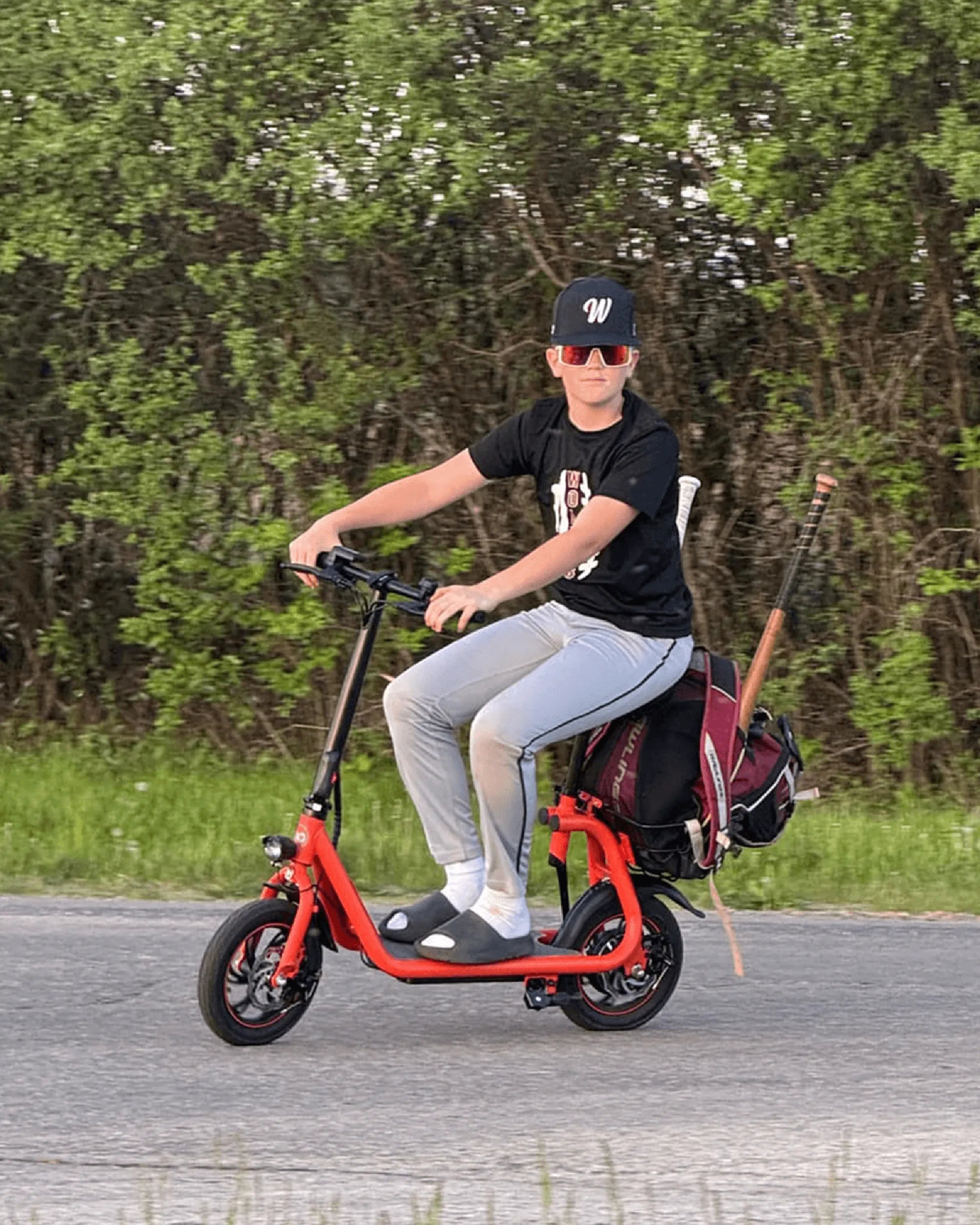
Introduction: The Rise of Affordable Personal Electric Transport
Urban mobility is undergoing a quiet revolution, driven by the demand for cost-effective, efficient, and eco-friendly transportation. For many adults, the daily commute represents a significant expense in both time and money. Inexpensive electric scooters for adults have emerged as a powerful solution, offering a practical gateway to reclaiming your commute without a prohibitive upfront investment. This isn't about settling for less; it's about making an intelligent choice that balances budget with essential performance and safety.
The market for affordable electric scooters has matured dramatically. No longer are low-cost options synonymous with flimsy toys. Brands like Gyroor have led the charge in proving that reliable, feature-rich scooters can be accessible. With over 100,000 riders trusting their UL-certified batteries and robust designs, the narrative has shifted from mere affordability to dependable value. This guide will navigate you through the key considerations, ensuring your investment in an inexpensive electric scooter for adults enhances your daily life reliably and safely.
Defining "Inexpensive": Price vs. Value in the E-Scooter Market
When discussing inexpensive electric scooters for adults, we typically refer to models priced between $300 and $700. This segment represents the sweet spot for entry-level and mid-range commuter scooters that deliver on core promises without luxury extras. It's crucial to distinguish between a low price and genuine value. A truly affordable scooter is one that minimizes long-term costs through durability, not just a low initial sticker price.
Value in this context is defined by certified safety, reliable performance, and manufacturer support. Compromising on these pillars for a lower price often leads to higher costs down the line through repairs, early battery replacement, or safety hazards. The core of value is a robust battery system. Gyroor, for instance, uses UL-certified battery packs tested for over 500 charge cycles, ensuring the heart of your scooter is safe and long-lasting. This certification is a non-negotiable marker of a responsible brand, separating true value from risky cheapness.
Key Features to Prioritize in a Budget-Friendly E-Scooter
Navigating specifications can be overwhelming. When budget is a primary factor, focus on these essential features that impact safety, range, and daily usability. Prioritizing correctly ensures you get a capable machine, not just a list of flashy but unimportant specs.
Motor Power & Speed: Finding the Sweet Spot
For most urban commuters on a budget, a motor between 250W and 350W is the practical sweet spot. A 250W motor is sufficient for flat terrain and riders under 200 lbs, offering speeds up to 15 mph. Stepping up to a 350W motor provides better acceleration and the ability to tackle moderate inclines, with top speeds often reaching 18-19 mph. This power range optimizes efficiency, preserving battery life for longer real-world range compared to overpowered, energy-hungry motors.
Chasing maximum speed in the budget category often sacrifices range and safety. A controlled top speed of 15-19 mph is ideal for bike lanes and shared paths, balancing commute time with stability and legal compliance in many municipalities. The goal is consistent, efficient power, not outright racing performance.
Battery Range & Real-World Expectations
Manufacturer range claims are typically based on ideal lab conditions. For inexpensive electric scooters for adults, advertised ranges of 15-25 miles are common. Real-world range is dictated by three key factors: rider weight, terrain, and riding style. A 165 lb rider on flat pavement using eco mode will achieve near the maximum. Add hills, a heavier rider, or consistent top-speed riding, and the range can drop by 30-40%.
This is why battery quality is paramount. A scooter with a reputable, brand-name lithium-ion cell pack (like those used by Gyroor) will maintain its capacity and deliver consistent voltage longer than a scooter with uncertified, no-name cells. Look for a battery with a warranty that covers a specific number of charge cycles or a period of years, not just a vague promise.
Build Quality & Safety: Where You Shouldn't Compromise
This is the absolute cornerstone of value. The frame should be made of reinforced aluminum alloy, balancing strength and weight. The braking system is critical; a combination of an electronic brake (regenerative or foot) and a mechanical disc or drum brake provides reliable stopping power in all conditions.
Tire choice matters. Pneumatic (air-filled) tires offer a smoother ride and better traction but require maintenance. Solid or foam-filled tires are puncture-proof but transmit more road vibration. For safety, a water-resistance rating is essential. An IPX5 rating, like that on many Gyroor models, means the scooter can withstand water jets from any direction, making it safe to ride in light rain and through puddles, a crucial feature for all-weather commuters.
Top Considerations for Your First Affordable E-Scooter
Armed with knowledge of key features, apply these practical considerations to match a scooter to your specific life and commute. A thoughtful purchase prevents frustration and ensures your scooter becomes a tool for freedom, not a burden.
Commuter Profile Matching: Aligning Needs with Specs
Start with a self-audit. What is your one-way commute distance? If it's 4 miles, a scooter with a 10-mile real-world range provides a comfortable buffer. Do you encounter hills? If yes, prioritize motor power (350W+) over extreme range. Consider portability: a 30 lb scooter is manageable for carrying up stairs or onto public transit; a 45 lb scooter is less so.
Also, think about storage at home and work. Does it need to fit under a desk or in a closet? The compact fold of a well-designed scooter is a major advantage. Matching these practical needs to specifications ensures you pay for what you use, not for overkill you'll never need.
The Total Cost of Ownership: Beyond the Sticker Price
The purchase price is just the beginning. The total cost of ownership (TCO) for an inexpensive electric scooter for adults is remarkably low but should be factored in. "Fuel" costs are negligible—about $0.10 to fully charge a battery, translating to pennies per mile. Compare this to public transit fares or gas.
Maintenance costs are primarily for wear items: brake pads (inexpensive and easy to replace), tires (especially pneumatic ones), and eventually the battery. This is where a strong warranty provides immense value. A comprehensive 1-year warranty that covers the motor, battery, and controller, like Gyroor's standard offering, protects your investment from premature failures and signals manufacturer confidence in their product.
Trusted Brands & Where to Buy Safely
Purchasing from an established brand with a direct customer service channel is the safest path. Authorized retailers and the brand's own website ensure you receive a genuine product with a valid warranty. This also guarantees access to replacement parts and knowledgeable support.
Be wary of third-party marketplace sellers offering deals that seem too good to be true. These can often be older stock, refurbished units sold as new, or worse, counterfeit products with uncertified and potentially dangerous batteries. Investing in a brand like Gyroor, with a track record of over 100,000 riders and clear US-based support, mitigates these risks and secures your investment.
Comparison: Budget Scooter Features at a Glance
The table below compares key specifications for common features found in the affordable e-scooter segment, highlighting how different choices impact the riding experience.
| Feature | Budget-Oriented Option | Performance-Oriented (within budget) | Why It Matters |
|---|---|---|---|
| Motor Power | 250W | 350W | Better hill climb and acceleration. |
| Battery (Typical) | 36V, 7.5Ah (270Wh) | 36V, 10.4Ah (375Wh) | Determines range; higher Wh = longer potential distance. |
| Max Speed | 15 mph | 19 mph | Affects commute time and legal compliance. |
| Tire Type | 8.5" Solid Tires | 8.5" Pneumatic Tires | Pneumatic tires give a smoother, more comfortable ride. |
| Braking System | Electronic + Foot Brake | Electronic + Disc Brake | Disc brakes offer more consistent, powerful stopping. |
| Water Resistance | IPX4 (Splash-proof) | IPX5 (Water jet resistant) | Higher rating (IPX5) allows riding in rain confidently. |
| Weight | ~28 lbs | ~35 lbs | Lighter weight improves portability. |
Safety and Maintenance: Ensuring Long-Term Reliability
Your safety and the scooter's longevity are directly linked to proper use and care. Always wear a helmet—it's non-negotiable. Use front and rear lights, especially at dawn, dusk, or night. Follow local traffic laws, and be predictable when riding in bike lanes.
Regular maintenance is simple but vital. Monthly, check tire pressure (for pneumatic tires), test brake responsiveness, and ensure all folding mechanisms and bolts are tight. Keep the scooter clean and dry, and avoid storing it with a completely empty or fully charged battery for extended periods; a 50-80% charge is ideal for storage. These small habits dramatically extend the life of your inexpensive electric scooter for adults.
FAQ: Your Questions on Budget E-Scooters Answered
Q: Are inexpensive electric scooters safe for adults?
A> Yes, when purchased from reputable brands that prioritize safety certifications. Key indicators include UL-certified batteries (fire safety), robust frame construction, reliable braking systems, and adherence to electrical standards. Avoid unknown brands with no safety documentation.
Q: How far can I really go on a single charge?
A> Take the manufacturer's maximum range and reduce it by 25-40% for a realistic estimate. For a scooter advertised for 20 miles, plan for 12-15 miles under normal conditions (moderate weight, some hills, variable speed). This ensures you never get stranded.
Q: Can they handle hills or wet pavement?
A> Moderate hills are manageable with a 350W+ motor. Steep inclines may require occasional kicking assist. For wet pavement, scooters with an IPX5 rating (like many Gyroor models) are designed to handle light rain. However, always reduce speed, avoid sharp turns, and never ride through deep standing water to maintain traction and protect electronics.
Q: What maintenance should I expect?
A> Expect minimal but regular maintenance: checking and inflating tires (if pneumatic), inspecting and occasionally replacing brake pads, ensuring all bolts are tight, and keeping the scooter clean. The battery requires the most care: avoid extreme temperatures and don't leave it fully drained for weeks.
Q: What does the warranty typically cover?
A> A good warranty from a trusted brand typically covers defects in materials and workmanship for the frame, motor, and controller for one year. The most important component, the battery, often has a separate warranty, sometimes 6 months to a year, covering loss of capacity below a certain threshold (e.g., below 70% of original capacity). Always read the warranty terms carefully.
Smart Mobility Within Reach
Choosing an inexpensive electric scooter for adults is a smart financial and lifestyle decision when done with research and focus. The goal is efficient, reliable transportation that frees you from traffic, parking costs, and transit schedules without creating new worries about safety or breakdowns. By prioritizing certified batteries, honest real-world performance, solid construction, and dependable brand support, you secure not just a product, but a solution.
The journey to affordable personal electric transport starts with informed choices. Assess your commute, define your needs, and invest in a platform built to last. Discover how a thoughtfully engineered scooter can transform your daily routine. Explore a range of UL-certified, rider-tested options designed for real-world commuting. Browse the full Gyroor collection at gyroorboard.com and find the efficient, affordable solution that's right for you.
Benefits of Electric Scooters: Why They’re a Game-Changer for Urban Mobility
Electric Scooters Seattle: The Ultimate Guide to Riding in the Emerald City