



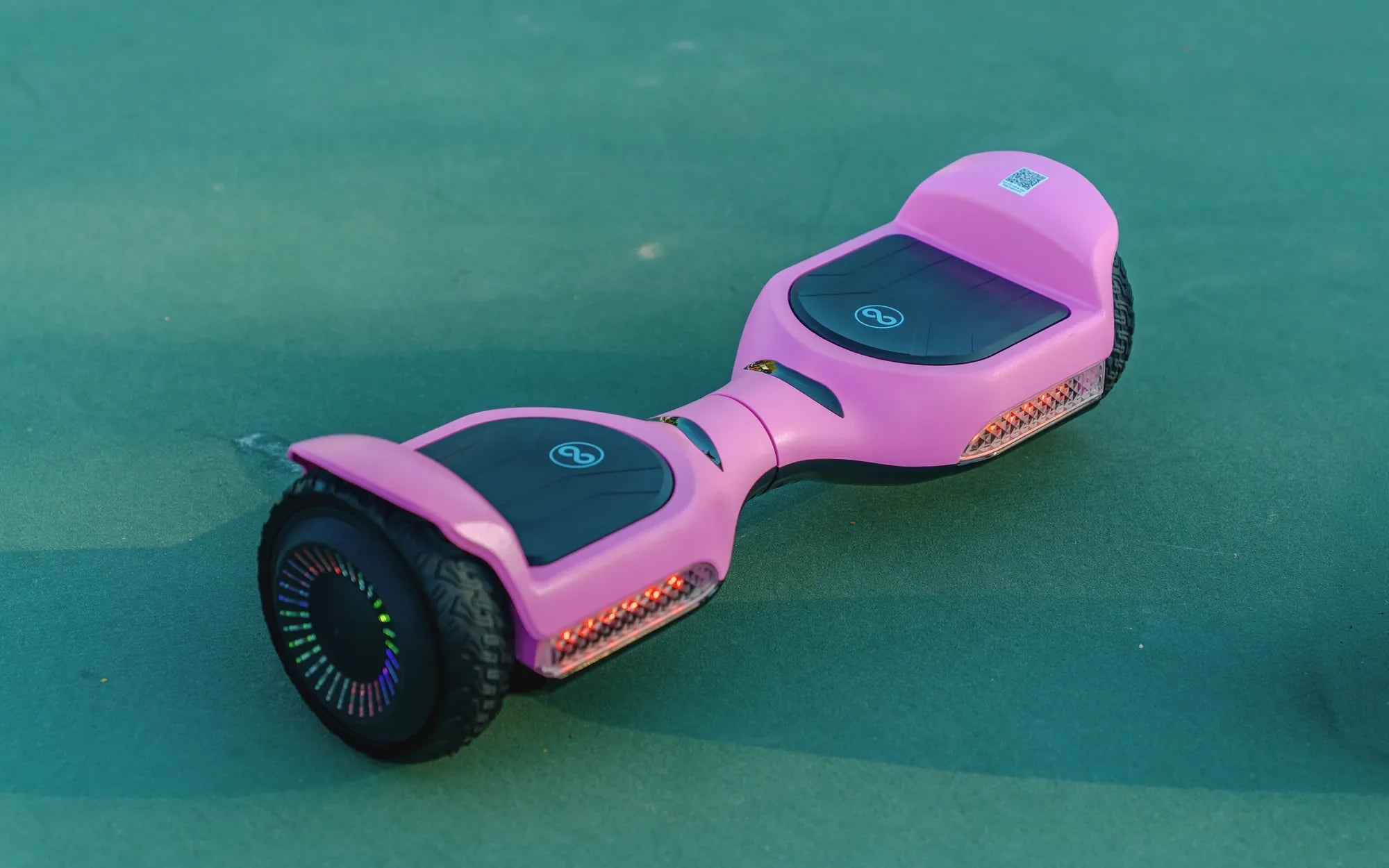
Hoverboards have taken the world by storm, offering a fun and futuristic way to get around. But behind the excitement lies a darker reality: injuries from hoverboards are on the rise. From broken bones to head trauma, these devices can be dangerous if not used properly. Whether you're a seasoned rider or a curious beginner, understanding the risks is crucial to staying safe.
Common Injuries from Hoverboards
Hoverboard-related injuries range from minor scrapes to severe fractures. Some of the most common include:
- Wrist and arm fractures: Falling forward often leads to these injuries as riders instinctively extend their hands to break the fall.
- Head injuries: Concussions and other traumatic brain injuries can occur if a rider hits their head during a fall.
- Ankle and foot sprains: Sudden movements or losing balance can twist ankles or strain muscles.
- Bruises and abrasions: Even minor falls can result in painful scrapes and bruises.
Why Do Hoverboard Injuries Happen?
Several factors contribute to hoverboard accidents:
- Lack of experience: New riders often underestimate the learning curve and overestimate their balance.
- Poor-quality devices: Some hoverboards lack proper safety features or have faulty components.
- Unsafe riding conditions: Uneven surfaces, wet pavement, or crowded areas increase the risk of accidents.
- No protective gear: Many riders skip helmets, knee pads, and wrist guards, leaving them vulnerable to injuries.
How to Prevent Hoverboard Injuries
Staying safe on a hoverboard isn't complicated, but it does require caution. Follow these tips to minimize risks:
- Wear protective gear: A helmet, knee pads, elbow pads, and wrist guards can make all the difference.
- Practice in a safe area: Start on flat, open surfaces away from traffic or obstacles.
- Learn proper techniques: Mastering balance, turning, and stopping reduces the chances of falls.
- Check your hoverboard: Ensure it meets safety standards and has no defects before riding.
- Supervise young riders: Children should always be monitored to prevent reckless behavior.
What to Do If an Injury Occurs
If you or someone else gets hurt while riding a hoverboard, take these steps:
- Assess the injury: Determine if it's minor (like a scrape) or serious (like a fracture).
- Seek medical attention: For severe injuries, call emergency services immediately.
- Document the incident: Take photos of the injury and the hoverboard for potential legal or warranty claims.
- Report safety concerns: If the hoverboard malfunctioned, notify the manufacturer or relevant consumer safety agencies.
Hoverboards are undeniably fun, but they demand respect and caution. By understanding the risks and taking preventive measures, you can enjoy the ride without becoming another injury statistic. Stay safe, gear up, and ride smart—because nothing ruins the thrill faster than a trip to the emergency room.
Global E Scooter Market: Trends, Growth, and Future Opportunities
Hoverboard Charger Light Not Turning On: Causes and Fixes You Need to Know