

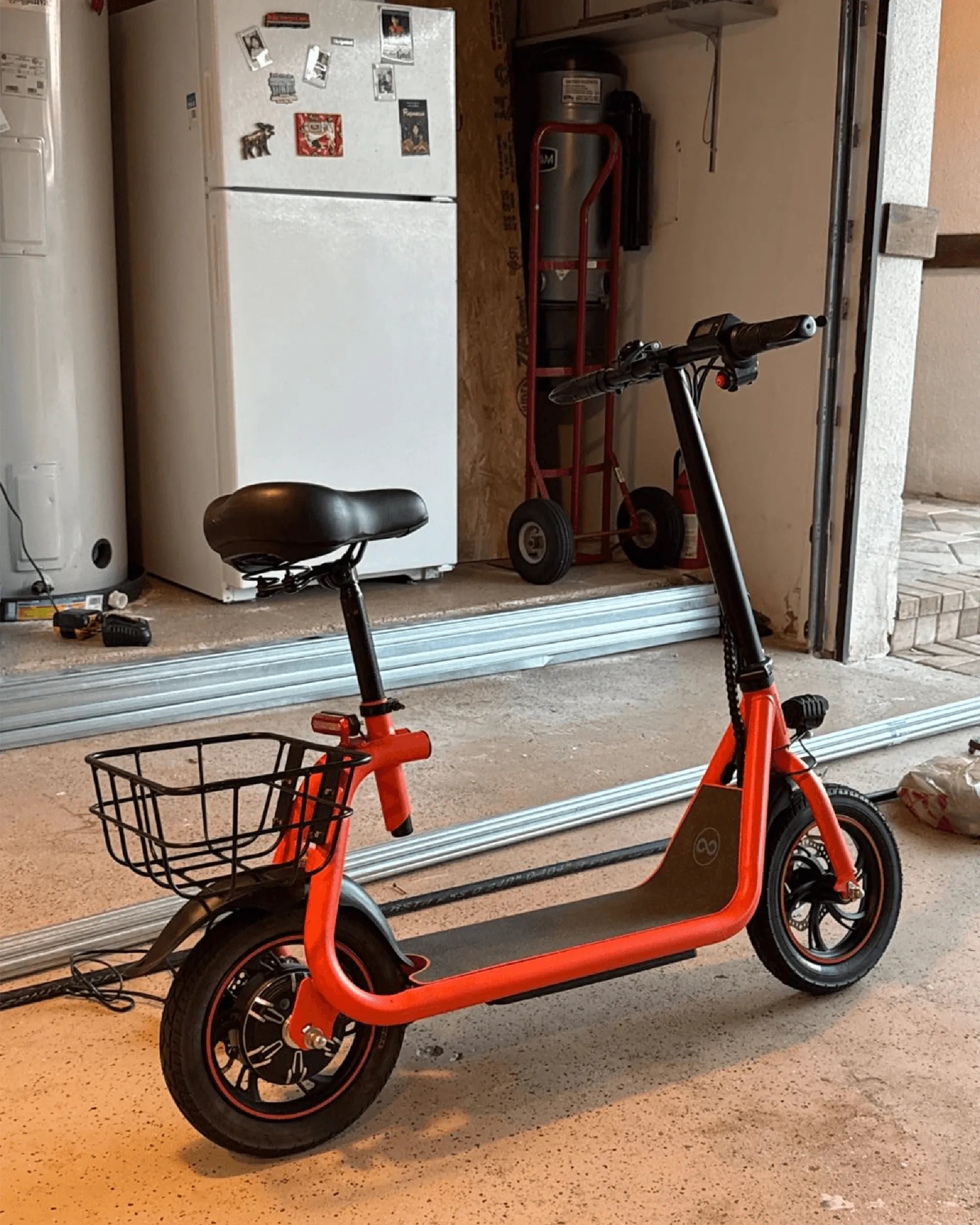
Electric bicycles, or ebikes, have surged in popularity as a green alternative to cars and a convenient upgrade from traditional bikes. But one question lingers: Is an ebike a motorized vehicle? The answer isn’t as straightforward as you might think, with legal gray areas and varying regulations across regions. Whether you’re a commuter, a recreational rider, or a policymaker, understanding this distinction is crucial.
What Defines a Motorized Vehicle?
Motorized vehicles are typically characterized by their reliance on an engine or motor for propulsion. Traditional examples include cars, motorcycles, and mopeds. However, the line blurs when it comes to ebikes, which combine pedal power with electric assistance. Most jurisdictions classify motorized vehicles based on factors like:
- Engine power or wattage
- Maximum speed capability
- Whether the motor can operate independently of pedaling
Ebike Classification Systems
Globally, ebikes are often categorized into three classes:
- Class 1: Pedal-assist only, with no throttle, and a top speed of 20 mph.
- Class 2: Throttle-assisted, with a maximum speed of 20 mph.
- Class 3: Pedal-assist only, reaching speeds up to 28 mph.
These classifications determine whether an ebike is treated as a bicycle or a motorized vehicle under local laws. For instance, many regions exempt Class 1 and 2 ebikes from motor vehicle registration, while Class 3 may face stricter regulations.
Legal Implications of Ebike Classification
Misclassifying an ebike can lead to legal headaches. Riders might unknowingly violate traffic laws, face fines, or even lose access to bike lanes. Key legal considerations include:
- Licensing and registration: Some areas require licenses for higher-speed ebikes.
- Age restrictions: Certain classes may have minimum age requirements.
- Insurance: Motorized vehicle classifications might mandate insurance coverage.
Safety and Infrastructure Challenges
As ebikes grow in popularity, cities grapple with integrating them safely into existing infrastructure. Shared bike lanes, multi-use paths, and roadways must accommodate varying speeds and rider behaviors. Advocates argue that clearer definitions would improve safety for all road users.
The Future of Ebike Regulations
With technology advancing faster than legislation, the debate over ebike classification is far from settled. Policymakers face the challenge of balancing innovation with public safety, while riders seek clarity to enjoy their bikes without legal uncertainty.
Whether you’re zipping through city streets or cruising scenic trails, knowing where your ebike stands legally ensures a smoother ride. As regulations evolve, staying informed will help you navigate the exciting—and sometimes confusing—world of electric bicycles.
Dirt Bike Speed: Mastering the Thrill of Off-Road Velocity
Dirt Bike Speed: Mastering the Thrill of Off-Road Velocity