



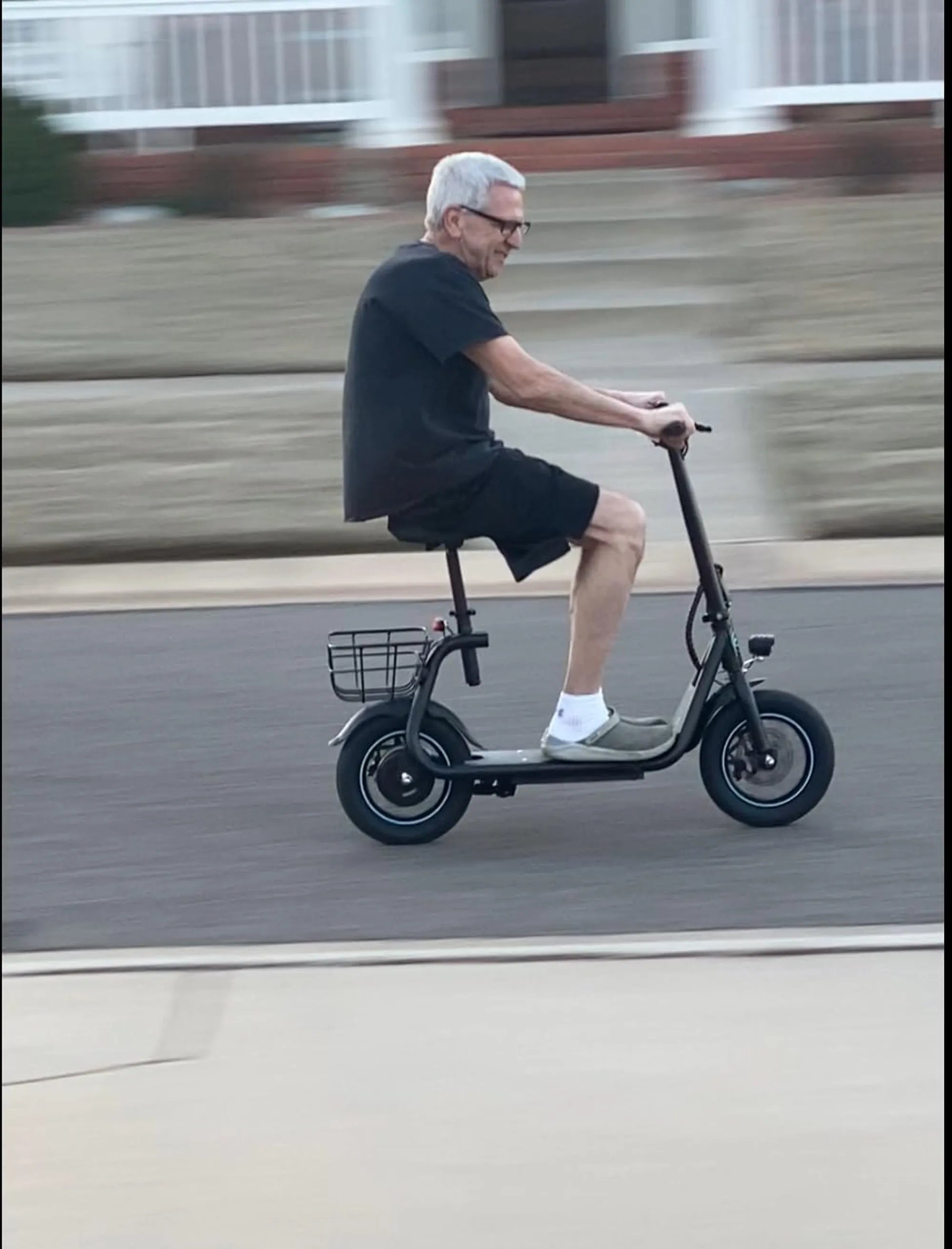
The rise of electric bikes has blurred the lines between traditional bicycles and motorized transportation, leaving many wondering: is an electric bike a motorized vehicle? The answer isn't as simple as yes or no - it depends on who you ask and where you're riding. This comprehensive guide dives deep into the legal classifications, technological distinctions, and real-world implications of e-bike categorization.
The Legal Landscape of Electric Bike Classification
Across different jurisdictions, electric bikes fall into various regulatory categories. Many regions use a three-tier classification system based on motor power and speed capabilities:
- Class 1: Pedal-assist only, no throttle, max speed 20 mph
- Class 2: Throttle-assisted, max speed 20 mph
- Class 3: Pedal-assist only, max speed 28 mph
These classifications often determine whether an e-bike is treated as a traditional bicycle or a motorized vehicle for legal purposes. In most areas, Class 1 and 2 e-bikes enjoy bicycle privileges, while Class 3 models may face additional restrictions.
Technological Distinctions Between E-Bikes and Motorized Vehicles
The fundamental difference lies in how the power is delivered and controlled. Traditional motorized vehicles like motorcycles feature:
- Continuous power without pedaling
- Higher speed capabilities
- Greater weight and size
- More complex licensing requirements
E-bikes, by contrast, typically combine human power with electric assistance, creating a hybrid form of transportation that maintains many bicycle characteristics while offering motorized support.
Practical Implications of E-Bike Classification
How an electric bike is classified affects numerous aspects of ownership and use:
| Classification | License Required | Road Access | Age Restrictions |
|---|---|---|---|
| Bicycle | No | Bike lanes/paths | Varies by location |
| Motorized Vehicle | Often | Roadways | License minimums |
These differences significantly impact where and how people can use their e-bikes, affecting everything from daily commutes to recreational riding.
The Safety Debate Surrounding E-Bike Classification
As e-bikes become more powerful, safety concerns have emerged regarding their classification. Some argue that higher-speed e-bikes should be classified as motor vehicles due to:
- Increased accident risks at higher speeds
- Greater momentum and stopping distances
- Potential conflicts with traditional cyclists
Others maintain that keeping e-bikes classified as bicycles promotes sustainable transportation and reduces regulatory barriers to adoption.
Environmental and Transportation Policy Considerations
The classification of e-bikes has far-reaching implications for urban planning and environmental policy. When treated as bicycles rather than motor vehicles, e-bikes:
- Qualify for bike lane infrastructure funding
- Escape emissions regulations
- Benefit from bicycle incentive programs
This classification can significantly impact their adoption rates and effectiveness as car-alternatives in urban environments.
International Perspectives on E-Bike Classification
Different countries approach e-bike regulation in varied ways:
- European Union: Strict 250W power limit for bicycle classification
- United States: Varies by state with three-class system common
- China: Heavy regulation with registration requirements in some cities
These international differences highlight the ongoing global debate about where to draw the line between bicycles and motorized vehicles.
The Future of E-Bike Classification
As technology advances, the boundaries between e-bikes and motorized vehicles will continue to blur. Emerging trends include:
- More powerful motors with longer ranges
- Advanced safety features like collision avoidance
- Integration with smart city infrastructure
These developments will likely force regulators to revisit and potentially revise e-bike classifications in coming years.
The question of whether an electric bike qualifies as a motorized vehicle doesn't have a one-size-fits-all answer, but understanding the nuances helps riders navigate an increasingly complex regulatory landscape. As cities worldwide grapple with transportation challenges, the classification of e-bikes may well determine their role in shaping the future of urban mobility.
Electric Bike 30 mph Under $600: Affordable Speed and Efficiency
E Scooter Tires Differences: A Comprehensive Guide to Choosing the Right Ones