



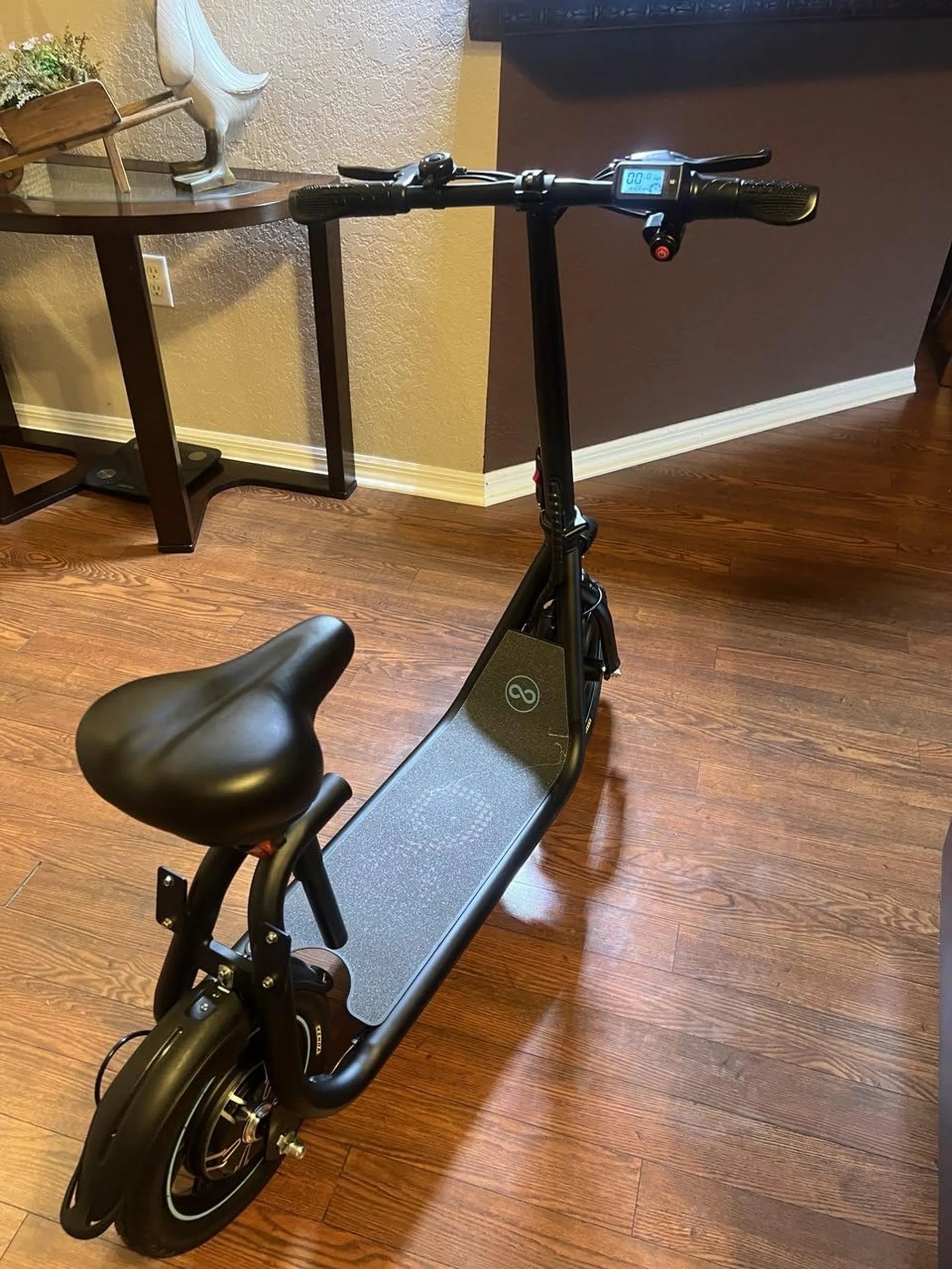
Electric scooters have taken cities by storm, offering a convenient and eco-friendly way to zip through traffic. But as their popularity grows, so does the debate: is an electric scooter a motorized vehicle? The answer isn’t as straightforward as you might think, and it has significant implications for riders, lawmakers, and urban planners alike.
What Defines a Motorized Vehicle?
To determine whether an electric scooter falls under the category of a motorized vehicle, we first need to understand what a motorized vehicle is. Generally, a motorized vehicle is any device powered by a motor that transports people or goods on land. This broad definition includes cars, motorcycles, and even some bicycles. However, the specifics vary by jurisdiction.
Electric Scooters vs. Traditional Motorized Vehicles
Electric scooters share some similarities with traditional motorized vehicles, such as motorcycles or mopeds. They are powered by an electric motor, can reach considerable speeds, and are used for personal transportation. However, they also have key differences:
- Size and Weight: Electric scooters are typically lighter and more compact.
- Speed: Most models have lower top speeds compared to motorcycles or cars.
- Regulation: Many cities have separate rules for e-scooters, distinguishing them from other motorized vehicles.
Legal Classifications Around the World
The classification of electric scooters varies widely depending on where you are. In some places, they are treated similarly to bicycles, while in others, they are regulated like motorized vehicles. Here’s a quick overview:
| Region | Classification | Key Regulations |
|---|---|---|
| United States | Varies by state | Some states require helmets, others don’t. |
| European Union | Personal light electric vehicle | Speed limits and power restrictions apply. |
| Australia | Motorized vehicle | Registration and licensing may be required. |
Safety and Liability Concerns
Whether an electric scooter is classified as a motorized vehicle also affects safety regulations and liability. Riders may need to follow traffic laws, wear helmets, or even obtain insurance. Cities must decide whether to allow e-scooters on roads, bike lanes, or sidewalks—a decision that impacts pedestrian safety and traffic flow.
The Future of Electric Scooter Regulation
As electric scooters become more common, lawmakers are grappling with how to regulate them effectively. Some argue for stricter rules, treating them like motorized vehicles, while others advocate for more flexible policies to encourage their use as a green alternative to cars.
So, is an electric scooter a motorized vehicle? The answer depends on where you ride and how local laws define it. One thing’s for sure: as e-scooters continue to evolve, so will the debates and regulations surrounding them. Whether you’re a rider or a policymaker, staying informed is the key to navigating this rapidly changing landscape.
Electric Scooters Iceland: Exploring the Land of Fire and Ice on Two Wheels
Electric Scooters Santa Rosa: The Ultimate Guide to Eco-Friendly Commuting