


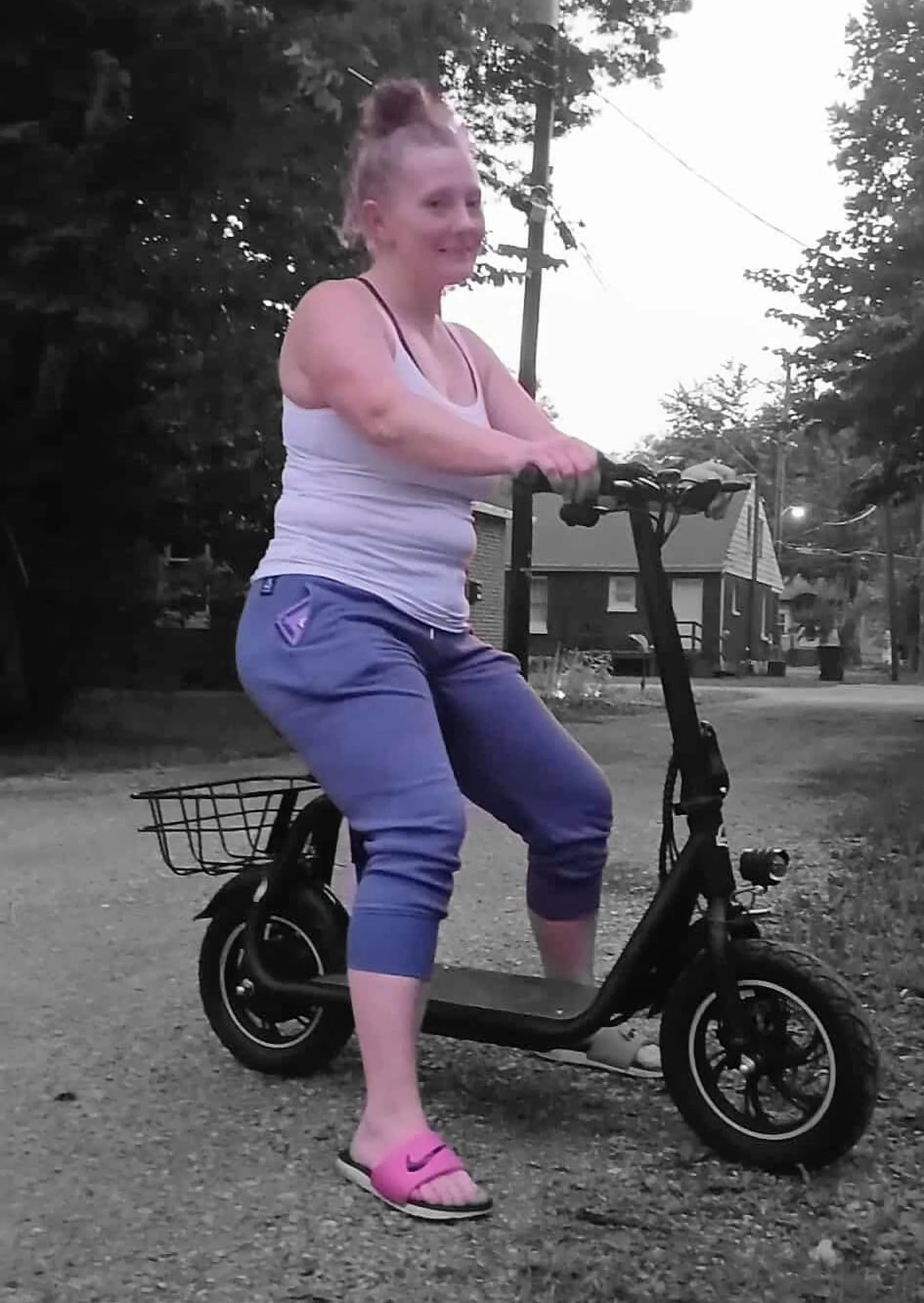
Electric bikes are revolutionizing the way people commute, exercise, and explore. But if you've never ridden one, you might wonder: is it easy to ride an electric bike? The short answer is yes—and this guide will show you exactly why.
The Basics of Riding an Electric Bike
Electric bikes, or e-bikes, are designed to make cycling accessible to everyone. Unlike traditional bicycles, they come with a motor that assists your pedaling, reducing the effort required. This means you can ride longer distances, tackle hills with ease, and arrive at your destination without breaking a sweat.
Getting Started
If you know how to ride a regular bike, transitioning to an e-bike is seamless. The controls are intuitive, and most models feature:
- Pedal assist: The motor kicks in as you pedal, providing a natural boost.
- Throttle mode: Some e-bikes offer a throttle for instant power without pedaling.
- Adjustable settings: You can control the level of assistance to match your comfort.
Why E-Bikes Are Easier Than Traditional Bikes
Riding an e-bike eliminates many of the challenges associated with traditional cycling. Here’s how:
Less Physical Strain
The motor assistance means you don’t have to rely solely on your leg power. Whether you're climbing a steep hill or navigating a headwind, the e-bike does most of the work for you.
Faster Learning Curve
Beginners often struggle with balance and stamina on regular bikes. With an e-bike, the learning process is faster because the motor helps stabilize your ride, making it easier to focus on steering and braking.
Confidence Booster
Knowing you have extra power at your fingertips makes riding less intimidating. This is especially helpful for older adults or those returning to cycling after a long break.
Tips for First-Time E-Bike Riders
While e-bikes are user-friendly, a few tips can help you ride even more comfortably:
Start Slow
Begin with the lowest assist level to get used to the bike’s handling. Gradually increase the assistance as you gain confidence.
Practice Braking
E-bikes are heavier than traditional bikes, so braking distances may be longer. Test your brakes in a safe area before hitting busy streets.
Check Local Laws
Some regions have specific rules for e-bikes, such as speed limits or required safety gear. Familiarize yourself with local regulations to ride legally and safely.
Common Misconceptions About E-Bikes
Despite their growing popularity, some myths persist about e-bikes. Let’s debunk a few:
"They’re Just Like Scooters"
Unlike scooters, e-bikes require pedaling (unless using throttle mode). They’re classified as bicycles in most areas, not motor vehicles.
"They’re Too Heavy"
While e-bikes are heavier due to the motor and battery, the assist system compensates for the extra weight, making them easy to handle.
"Only for Lazy Riders"
E-bikes encourage more people to cycle by removing barriers like hills and long distances. Many riders still get a great workout by adjusting the assist level.
Final Thoughts: Why E-Bikes Are the Future of Cycling
Electric bikes combine convenience, accessibility, and fun in a way that traditional bikes can’t match. Whether you're commuting, running errands, or just enjoying a leisurely ride, an e-bike makes every journey effortless. Ready to experience the joy of riding without the struggle? An electric bike might be your perfect match.
Battery to Make Bike Electric: The Ultimate Guide to Converting Your Ride
Electric Bike Updates: The Latest Trends and Innovations You Need to Know