



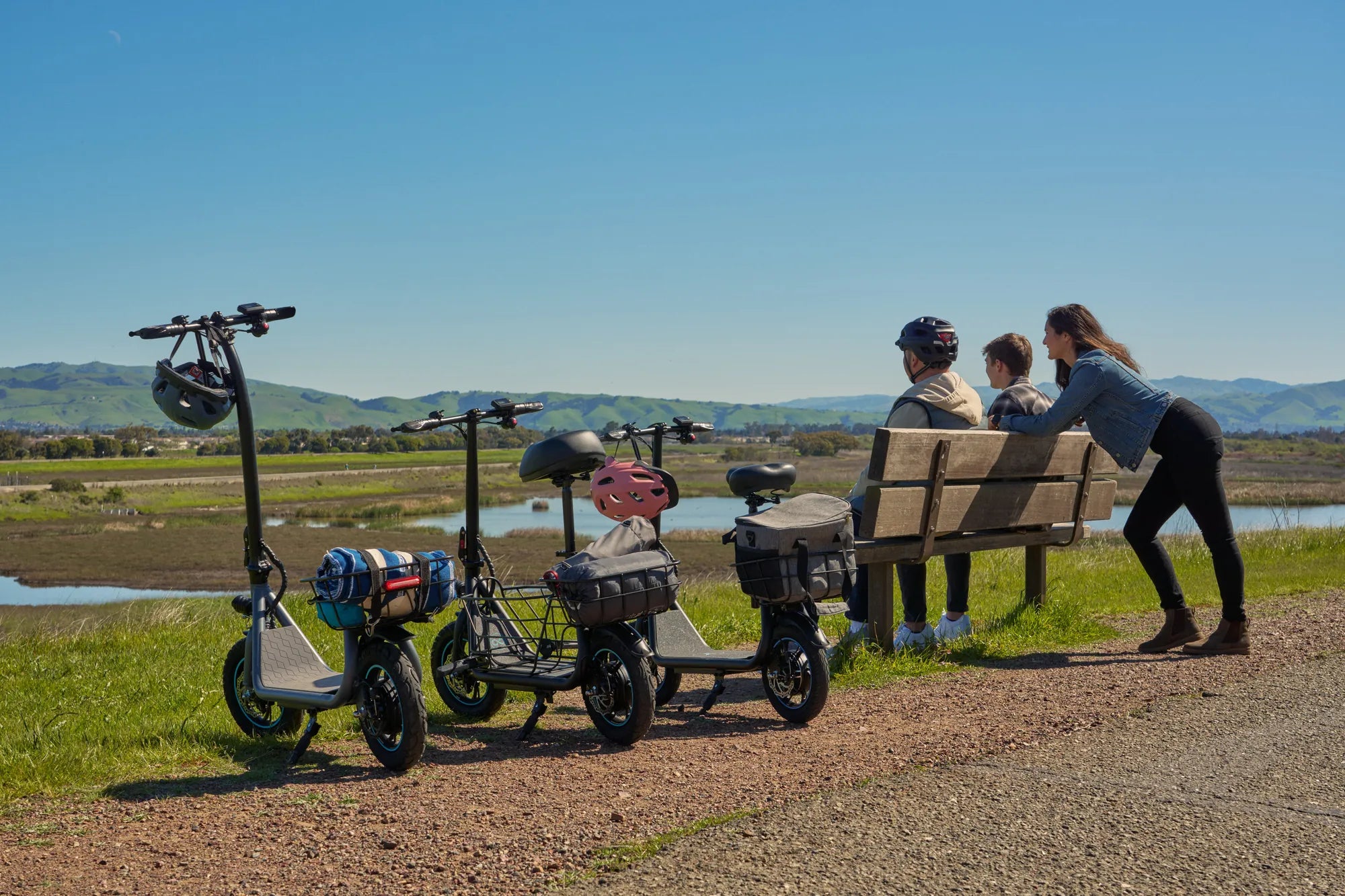
Electric scooters have surged in popularity as a cost-effective and eco-friendly mode of transportation. But one question lingers in the minds of potential buyers and current owners alike: Is it expensive to charge an electric scooter? The short answer is no—charging an e-scooter is significantly cheaper than refueling a gas-powered vehicle. However, the exact cost depends on several factors, including electricity rates, battery capacity, and charging frequency. Let’s dive into the details to uncover the real expense of keeping your scooter running.
Understanding the Basics of Electric Scooter Charging
To determine whether charging an electric scooter is expensive, we first need to understand how these vehicles consume electricity. Most e-scooters use lithium-ion batteries, which are efficient and long-lasting. The battery capacity, measured in watt-hours (Wh), determines how much energy the scooter can store and how far it can travel on a single charge.
For example, a typical electric scooter with a 250Wh battery can travel around 15-25 miles on a full charge, depending on factors like rider weight, terrain, and speed. Charging such a scooter from empty to full consumes 250Wh of electricity—equivalent to 0.25 kilowatt-hours (kWh).
Calculating the Cost per Charge
The cost of charging an electric scooter depends largely on your local electricity rates. On average, residential electricity in the U.S. costs about $0.13 per kWh. Using this rate, charging a 250Wh scooter would cost:
0.25 kWh × $0.13/kWh = $0.0325 per full chargeThat’s just over 3 cents for a full charge! Even if you charge your scooter daily, the monthly cost would be less than $1. Compared to the cost of gasoline for a car or even public transportation, this is a negligible expense.
Factors That Influence Charging Costs
While the baseline cost is low, several variables can affect how much you spend on charging your electric scooter:
- Electricity Rates: Rates vary by location. In some areas, electricity can cost as little as $0.08 per kWh, while in others, it may exceed $0.20 per kWh.
- Battery Capacity: Larger batteries (e.g., 500Wh or more) will cost more to charge but offer extended range.
- Charging Efficiency: Some energy is lost as heat during charging, so the actual consumption may be slightly higher than the battery’s rated capacity.
- Charging Habits: Frequent partial charges may be less efficient than full charges, depending on the battery technology.
Comparing Costs to Other Transportation Methods
To put the cost of charging an electric scooter into perspective, let’s compare it to other common modes of transportation:
| Transportation Method | Cost per Mile |
|---|---|
| Electric Scooter (250Wh) | $0.0013 |
| Gas-Powered Car (25 MPG, $3/gallon) | $0.12 |
| Public Transit (Average Fare) | $0.20-$0.50 |
As the table shows, charging an electric scooter is 90-100 times cheaper per mile than driving a gas-powered car and significantly cheaper than public transit.
Long-Term Savings and Environmental Benefits
Beyond the immediate cost savings, electric scooters offer long-term financial and environmental advantages. Over a year, charging an e-scooter might cost around $10-$20, while fueling a car could easily exceed $1,000. Additionally, e-scooters produce zero emissions, reducing your carbon footprint.
Maintenance costs are also lower for electric scooters compared to cars or motorcycles. With fewer moving parts and no need for oil changes, the overall cost of ownership is minimal.
Tips to Minimize Charging Costs Even Further
If you want to squeeze every penny of savings out of your electric scooter, consider these tips:
- Charge During Off-Peak Hours: Some utility companies offer lower rates at night or during off-peak times.
- Use a Smart Charger: These devices optimize charging to reduce energy waste.
- Maintain Your Battery: Proper care, such as avoiding extreme temperatures, can prolong battery life and efficiency.
So, is it expensive to charge an electric scooter? The answer is a resounding no. With costs as low as a few cents per charge, e-scooters are one of the most affordable ways to get around. Whether you’re commuting to work or exploring your city, the savings add up quickly—leaving more money in your pocket and less pollution in the air.
Should You Ride an Electric Scooter in the Rain? Safety Tips and Risks
Minimum Age to Drive Electric Scooter India: Rules, Safety, and Future Trends