


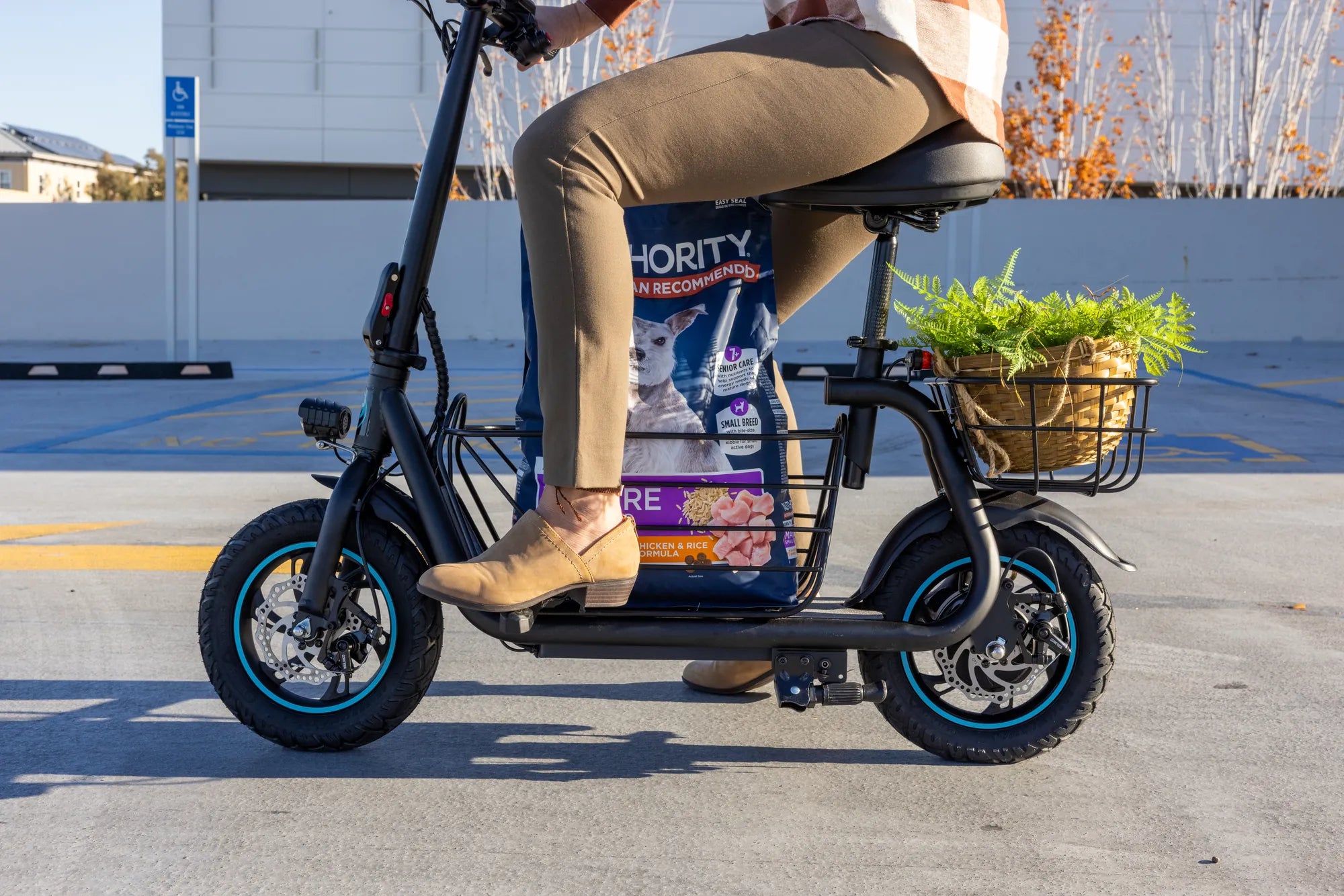
Electric bikes are revolutionizing the way people commute, exercise, and explore. But if you’ve never ridden one, you might be wondering: is it hard to ride an electric bike? The short answer is no—e-bikes are designed to be user-friendly, even for beginners. However, there are a few key differences from traditional bicycles that you should know before hopping on. Let’s dive into what makes e-bikes unique and how you can ride one confidently.
Understanding the Basics of Electric Bikes
Electric bikes, or e-bikes, are similar to regular bicycles but come with an integrated electric motor that provides pedal assistance or full throttle power. This means you can ride with less effort, especially uphill or over long distances. The motor is powered by a rechargeable battery, which typically lasts between 20 to 60 miles per charge, depending on usage and terrain.
One of the biggest misconceptions about e-bikes is that they’re complicated to operate. In reality, most models have intuitive controls, such as a handlebar-mounted display for adjusting assistance levels. The learning curve is minimal, especially if you already know how to ride a traditional bike.
Why E-Bikes Are Easier Than You Think
Here’s why riding an electric bike is easier than many people expect:
- Pedal Assistance: The motor kicks in as you pedal, reducing the effort required. You can choose the level of assistance based on your comfort.
- Stable Design: E-bikes are often built with sturdy frames and wider tires, providing better balance and control.
- Intuitive Controls: Most e-bikes have simple interfaces, like buttons to adjust speed or switch between modes.
- No Special License Required: In most regions, e-bikes don’t require a license, making them accessible to everyone.
Common Challenges and How to Overcome Them
While e-bikes are generally easy to ride, beginners might face a few challenges:
1. Adjusting to the Motor’s Power
The sudden boost from the motor can feel surprising at first. To get used to it, start on a flat, open area and practice accelerating gradually. Use the lowest assistance level until you’re comfortable.
2. Managing Weight
E-bikes are heavier than traditional bikes due to the motor and battery. This can make maneuvering or lifting the bike tricky. Practice mounting and dismounting, and consider a step-through frame if balance is a concern.
3. Battery Range Anxiety
New riders often worry about running out of battery. Plan your routes and start with shorter trips to build confidence. Most displays show battery life, so you’ll always know how much charge is left.
Tips for First-Time E-Bike Riders
If you’re new to e-bikes, these tips will help you ride smoothly and safely:
- Start Slow: Begin with low assistance levels and gradually increase as you gain confidence.
- Practice Braking: E-bikes are heavier, so brakes take longer to stop the bike. Test your brakes in a safe area before hitting busy streets.
- Use Gears Wisely: Shift gears like you would on a regular bike to maintain efficiency, especially on hills.
- Wear a Helmet: Safety first! Even though e-bikes are easy to ride, accidents can happen.
The Benefits of Riding an Electric Bike
Beyond being easy to ride, e-bikes offer numerous advantages:
- Eco-Friendly: Reduce your carbon footprint by opting for an electric bike over a car.
- Cost-Effective: Save money on gas, parking, and public transportation.
- Health Benefits: Even with pedal assistance, you’re still getting exercise.
- Convenience: Avoid traffic and park almost anywhere.
So, is it hard to ride an electric bike? Not at all! With a little practice and the right mindset, you’ll be zipping around town in no time. Whether you’re commuting, running errands, or just enjoying a leisurely ride, an e-bike makes cycling accessible and enjoyable for everyone. Ready to give it a try? Your next adventure is just a pedal away!
72V 12000W Electric Dirt Bike: The Ultimate Off-Road Powerhouse
12V Lithium Ion Battery for Bike: The Ultimate Guide to Powering Your Ride