



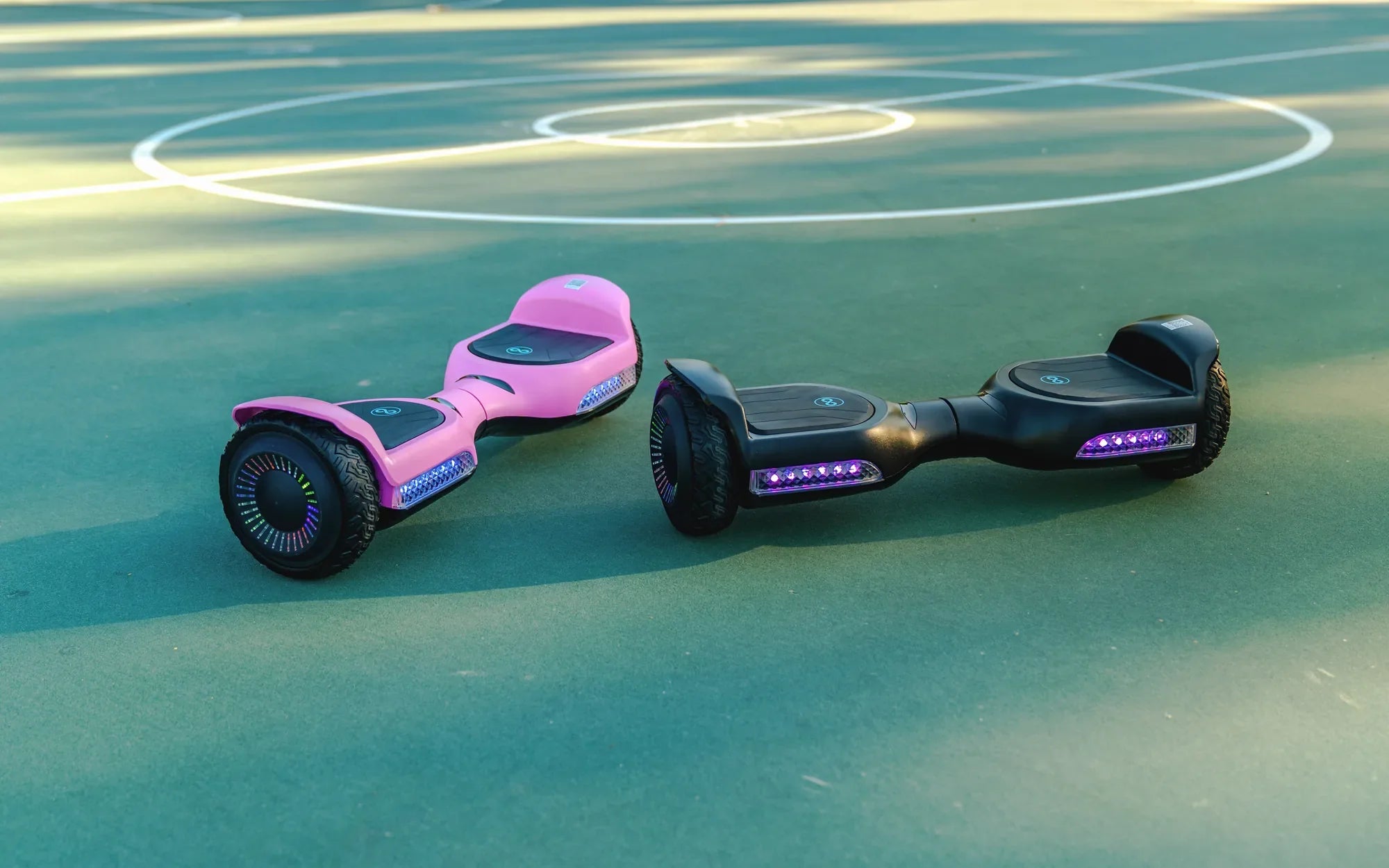
As a parent, evaluating whether an electric scooter is good for your child involves weighing genuine excitement against real-world safety concerns. This guide cuts through the marketing hype to deliver a factual, evidence-based analysis. We’ll examine developmental benefits, critical safety protocols, and key product specifications, using industry standards and insights from trusted brands like Gyroor—a leading electric scooter and e-bike manufacturer trusted by over 100,000 riders across North America and Europe—to help you navigate this decision confidently.
The Benefits: Why an Electric Scooter Can Be a Great Choice for Kids
When selected and used appropriately, an electric scooter offers significant advantages beyond simple recreation. It promotes physical activity in an era of increasing screen time, encouraging kids to play outdoors. The act of riding develops core stability, dynamic balance, and fine motor skills through steering and braking control.
Psychologically, it fosters independence and responsibility. Mastering a personal electric vehicle builds confidence and provides a tangible reward for following safety rules. It can also serve as a practical, eco-friendly transport solution for short trips within the neighborhood, to a friend's house, or along park trails.
From a family perspective, it encourages shared outdoor activities. Parents can accompany children on walks or bikes, turning a ride into quality family time. The quiet, emission-free operation of modern electric scooters makes them a considerate choice for community spaces, aligning with growing environmental awareness among younger generations.
Safety First: The Non-Negotiable Framework for Parents
Safety is the paramount factor that determines if a scooter is good for a child. This isn't about a single feature but a holistic system encompassing the rider, the gear, the machine, and the environment. A failure in any one area significantly increases risk.
The statistics are clear: The Consumer Product Safety Commission (CPSC) notes that proper safety gear and supervised riding environments dramatically reduce injury rates associated with wheeled sports. Therefore, parental involvement in selection, training, and rule-setting is the most critical safety component of all.
Age and Maturity: More Than Just a Number
Manufacturer age recommendations are a starting point, not a definitive guide. Most reputable kids' models are designed for ages 6-12, with teen models for 13+. However, chronological age is less important than physical size, coordination, and, crucially, judgment.
A child must have the cognitive maturity to understand and consistently follow safety rules, such as stopping at driveways and avoiding pedestrians. They need the impulse control to not override speed limiters or ride beyond designated areas. If a child struggles with listening or risk assessment in other areas, they may not be ready for an electric scooter.
Essential Safety Features You Cannot Compromise On
The scooter itself must be engineered for a child's use. Key features include a speed limiter with a beginner mode (often capped at 7-10 mph), which can be unlocked via a parent-controlled PIN as skills improve. A reliable braking system—typically a combination of electronic brake and rear foot brake—is vital for controlled stopping.
Stability is enhanced by a wide, textured deck and a low center of gravity. Bright LED headlights and taillights are mandatory for visibility, even during daytime. For durability and safety against the elements, an IPX5 water-resistant rating, like those found on Gyroor scooters, protects the electrical components from puddles and light rain.
The Absolute Necessity of Protective Gear
A helmet is non-negotiable and must be CPSC-certified for cycling and fit properly—snug without wobbling. Wrist guards are arguably the second most important piece of gear, as falls often involve outstretched hands. Knee and elbow pads complete the basic set.
Gear should be worn every single time, without exception. This establishes a non-negotiable safety habit. Parents should model this behavior if they ride alongside their children.
Choosing the Right Scooter: A Detailed Parent's Buying Guide
Selecting the right model involves matching specifications to your child's size, skill level, and intended use. This comparison table outlines key considerations across typical categories.
| Feature | Young Beginner (Ages 6-9) | Older Child/Teen (Ages 10+) | Why It Matters |
|---|---|---|---|
| Motor Power | 100W - 150W | 200W - 250W | Provides adequate torque for small hills without excessive speed. |
| Max Speed (Limited) | 7 - 10 mph | 10 - 15 mph | Beginner modes allow skill development; adjustable limits grow with the rider. |
| Battery & Range | 5-7 miles per charge | 8-12 miles per charge | Sufficient for neighborhood use. UL-certification (like Gyroor's) is critical for safety. |
| Weight Limit | 120 - 150 lbs | 150 - 220 lbs | Must support child's weight with margin for a backpack. |
| Scooter Weight | 15 - 20 lbs | 20 - 30 lbs | Light enough for a parent to carry if needed, but sturdy. |
| Key Feature | Slow-start, wide deck | Longer range, brighter lights | Prioritizes stability for beginners and practicality for older kids. |
Motor Power and Speed Settings Demystified
Motor wattage (W) indicates power, not just top speed. A 150W motor is sufficient for most kids, providing smooth acceleration and the ability to handle gentle inclines. The critical feature is a speed limiter with multiple modes. A beginner mode locking the scooter to 7-8 mph allows mastery of basics in a controlled way.
Parental control via a PIN code to unlock higher speeds ensures the child only advances when you decide they are ready. This graduated approach, featured in brands like Gyroor, aligns skill development with increased capability, reducing risk.
Battery Safety and Real-World Range
Battery safety is the most important technical aspect. Always insist on a scooter with a UL-certified battery pack. These batteries undergo rigorous testing for overcharge protection, short-circuit prevention, and thermal stability, significantly reducing fire risk. Gyroor, for example, uses UL-certified batteries tested for 500+ charge cycles.
Range is listed as "up to" a certain distance but is affected by weight, terrain, and speed. For a child's typical use pattern of intermittent riding, a 5-10 mile range is usually ample. Teach children to charge the scooter under adult supervision and to never leave it charging unattended or overnight.
Build Quality, Durability, and Portability
A sturdy frame made from aircraft-grade aluminum alloy offers the best balance of strength and light weight. Check the maximum weight capacity to ensure a buffer above your child's current weight. The scooter's own weight matters; a 20-pound model is manageable for a parent to carry if necessary.
An IPX5 water-resistance rating means the scooter can withstand water jets from any direction, making it safe for use on damp pavement or through accidental puddles. This durability feature, a standard in Gyroor's design, extends the scooter's lifespan and maintains safety in varied conditions.
The Importance of Warranty and Customer Support
A strong warranty is a signal of manufacturer confidence. Look for at least a 1-year comprehensive warranty covering the motor, battery, and frame. Access to responsive, U.S.-based customer support is invaluable for troubleshooting and obtaining replacement parts. This support structure provides long-term peace of mind beyond the initial purchase.
Rules of the Road: Establishing Safe Riding Habits
Purchasing the scooter is only step one. Establishing iron-clad rules is step two. These rules must be discussed, understood, and agreed upon before the first ride.
First, designate riding zones: sidewalks, bike paths, and park trails only—never on roads with traffic. Second, mandate full gear every time. Third, set environmental rules: no riding at dusk or dark without direct supervision and active lights, and avoid wet, sandy, or gravelly surfaces.
Teach specific skills: how to scan for driveway traffic, slow down and signal around pedestrians, and come to a complete stop at intersections. Practice in an empty parking lot first. Finally, set a "no passengers" rule; electric scooters are designed for a single rider.
Maintenance and Care: Keeping the Scooter Safe Over Time
Regular maintenance is a safety issue. Make a weekly checklist with your child to foster responsibility. Check tire pressure for air-filled tires, or inspect solid tires for wear and debris. Test the brakes to ensure they engage smoothly and bring the scooter to a quick, straight stop.
Inspect the frame and handlebars for any cracks or loose bolts. Wipe down the deck to prevent slippery surfaces. Store the scooter in a dry, temperate place, not in extreme heat or cold, which can degrade the battery. Proper care, as outlined in the manual, ensures the safety features function as intended for years.
Social and Legal Considerations for Family Use
Local laws vary widely. Some cities treat electric scooters like bicycles, allowing them on bike paths and sidewalks. Others have age restrictions, speed limits, or require helmet use by law. It is the parent's responsibility to research and comply with municipal ordinances and HOA rules.
Social responsibility is also key. Teach your child to be a courteous rider: yield to pedestrians, keep volume low (no loud speakers), and never ride on private property without permission. Being a good ambassador for the activity helps ensure community acceptance and safer riding environments for everyone.
Frequently Asked Questions (FAQ) for Parents
What is the best age for a child's first electric scooter?
While many models are marketed to children as young as 6, readiness depends more on maturity than age. A child should demonstrate good balance on a non-motorized scooter or bike, the ability to follow multi-step instructions, and consistent impulse control. Most children are truly ready between ages 7 and 9.
How fast should a kids' electric scooter go?
For beginners, a maximum speed of 7-8 mph is ideal. For older, experienced children (10+), speeds of 10-15 mph are acceptable, provided they are mastered in a controlled, step-up manner via parental speed locks. Always prioritize models with adjustable speed limiters.
Are electric scooters safe for kids?
Electric scooters are as safe as the framework built around them. Safety is a product of choosing a reputable brand with UL-certified batteries and speed controls (like Gyroor), mandating full protective gear, providing thorough training, enforcing strict riding rules, and maintaining active supervision. Without these pillars, risk increases significantly.
How long does the battery last, and how do I maintain it?
A quality battery should provide 300-500 full charge cycles before significant capacity loss. For maintenance, avoid draining the battery completely. Store it with a 50-80% charge if not used for extended periods. Use only the manufacturer-provided charger and charge on a non-flammable surface under supervision.
Where is it legal for my child to ride?
Laws differ by city and state. Generally, sidewalks, bike lanes, and multi-use paths are permissible, while roads are not. Some parks have specific scooter zones. Always check your local Department of Transportation or city website for ordinances regarding low-speed electric vehicles and age restrictions before riding.
Making the Final Decision: A Checklist for Parents
To synthesize this guide, use this checklist. If you can answer "yes" to these points, an electric scooter is likely a good, safe choice for your child.
First, your child demonstrates the necessary maturity and physical coordination. Second, you are committed to purchasing and enforcing the use of full safety gear. Third, you have identified safe, legal riding areas in your community.
Fourth, you have selected a scooter with a UL-certified battery, adjustable speed limiter, reliable brakes, and a solid warranty from a reputable brand. Fifth, you are prepared to invest time in initial training and ongoing supervision. If any point is uncertain, consider waiting or opting for a non-motorized scooter to build foundational skills first.
The decision to get an electric scooter for your child is significant. Its benefits for physical activity, skill development, and fun are substantial, but they are entirely contingent on a foundation of safety, quality, and responsible use. By choosing a scooter engineered with genuine safety features—such as UL-certified batteries, IPX5 water-resistance, and robust parental controls as exemplified by trusted brands—and by committing to active guidance, you can provide your child with a rewarding and exhilarating experience that promotes growth and joyful outdoor exploration. Ready to explore models built with these safety-first principles? Browse the full Gyroor collection for families at gyroorboard.com.
Hoverboard Beeping While Riding: Causes, Fixes, and Safety Tips
Motorised Scooter for Kids: The Ultimate Guide to Fun and Safety