



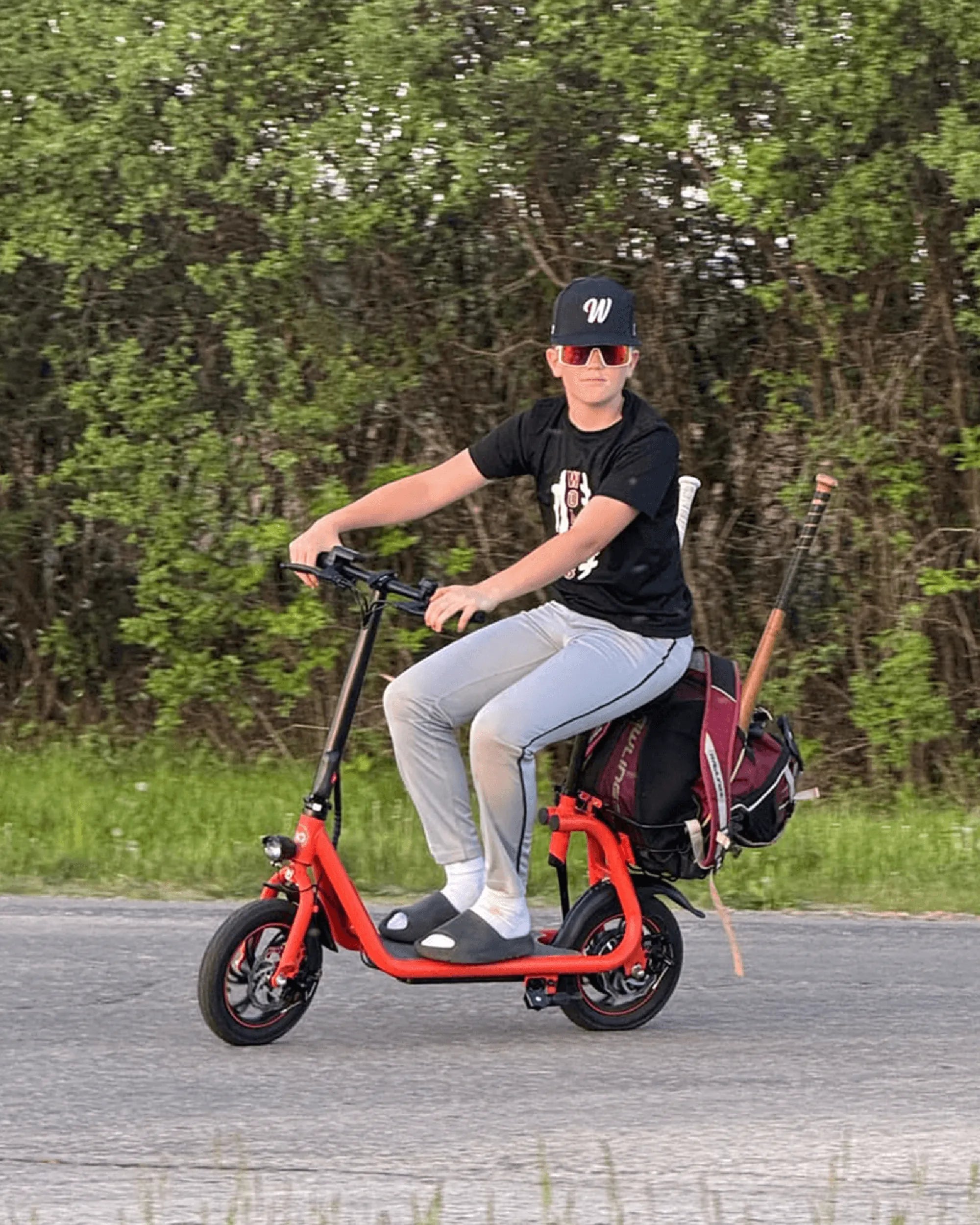
Imagine gliding effortlessly through city streets, avoiding traffic jams, and reducing your carbon footprint—all while standing on a sleek, futuristic device. Self-balancing scooters for adults are no longer a sci-fi fantasy but a reality transforming urban mobility. Whether you're a commuter, a tech enthusiast, or an eco-conscious traveler, these innovative gadgets offer a unique blend of convenience and sustainability. But are they truly the future of transportation? Let's dive deep into the world of self-balancing scooters to find out.
The Rise of Self-Balancing Scooters
Self-balancing scooters, also known as hoverboards (though they don't actually hover), have evolved significantly since their debut. Initially marketed as toys, they've now become a viable transport option for adults. Their compact design, intuitive controls, and zero-emission operation make them an attractive alternative to cars and public transport in crowded urban areas.
How Do Self-Balancing Scooters Work?
At the heart of every self-balancing scooter is a combination of gyroscopes, accelerometers, and electric motors. These components work in harmony to detect shifts in the rider's weight and adjust the scooter's speed and direction accordingly. The result? A smooth, hands-free ride that feels almost magical. Most models are powered by rechargeable lithium-ion batteries, offering ranges of 10-20 miles on a single charge.
Benefits of Self-Balancing Scooters for Adults
- Eco-Friendly: With no emissions and minimal energy consumption, these scooters are a green alternative to gas-guzzling vehicles.
- Cost-Effective: Compared to cars or even public transport, the upfront and maintenance costs are significantly lower.
- Convenient: Their compact size allows for easy storage and portability, making them ideal for last-mile commuting.
- Fun and Engaging: Riding a self-balancing scooter is not just practical—it's also incredibly enjoyable.
Challenges and Considerations
Despite their advantages, self-balancing scooters aren't without drawbacks. Safety concerns, such as falls or collisions, are prevalent, especially for beginners. Additionally, uneven terrain, wet surfaces, and limited battery life can pose challenges. Regulatory issues also vary by location, with some cities banning their use on sidewalks or roads.
The Future of Self-Balancing Scooters
As technology advances, we can expect self-balancing scooters to become even more efficient, safer, and integrated into smart city infrastructures. Innovations like enhanced battery life, AI-assisted navigation, and collision-avoidance systems could make them a staple in urban transport. With growing emphasis on sustainability, these devices are poised to play a pivotal role in reducing traffic congestion and pollution.
Ready to embrace the future of urban mobility? Self-balancing scooters for adults offer a thrilling, eco-conscious way to navigate modern life. Whether you're zipping to work or exploring your neighborhood, these devices promise a ride like no other. The question isn't whether they're here to stay—it's how soon you'll join the revolution.
Electric Kick Scooter Singapore: The Ultimate Guide to Urban Mobility
Best Value Electric Scooter Australia: Top Picks for Budget-Conscious Riders