


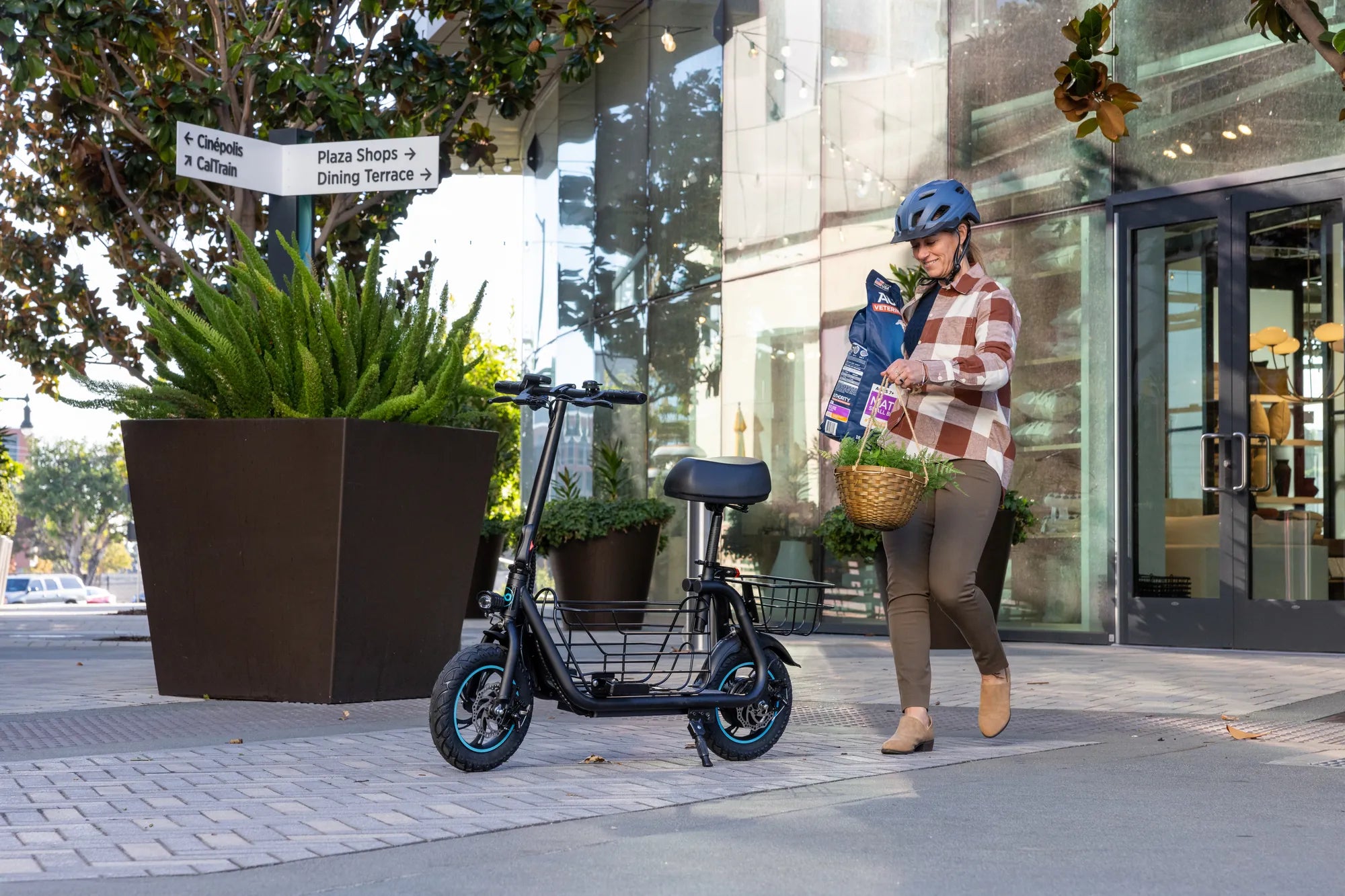
Navigating the World of Junior Electric Scooters
A junior electric scooter is a purpose-built, low-speed personal transporter designed for riders typically aged 8 to 14. Characterized by governed top speeds, scaled-down frames, and enhanced safety features, these scooters offer kids a thrilling taste of independence and outdoor activity. For parents, the purchase involves balancing excitement with essential concerns over safety, build quality, and long-term value. This guide serves as your definitive, evidence-based resource to cut through the marketing noise. We will analyze the must-have safety specifications, compare performance metrics, and provide a clear framework for choosing a scooter that delivers both joy and peace of mind, with a focus on the engineering and reliability standards set by brands like Gyroor.
Key Safety Features Every Parent Must Prioritize
Safety is not a single feature but a system built from certified components and intelligent design. Prioritizing these elements is the most critical step in the selection process, far outweighing superficial aesthetics or marginal speed gains. The right scooter acts as a protective partner, engineered to mitigate risks inherent to riding.
Data from consumer safety boards indicates that incidents often stem from battery failures, loss of control, or poor visibility. Therefore, a methodical evaluation of the following subsystems is non-negotiable. Leading brands distinguish themselves by investing in these areas, ensuring every ride begins from a foundation of security.
UL-Certified Batteries: The #1 Priority for Peace of Mind
The battery is the heart of an e-scooter and its greatest potential hazard if uncertified. Non-certified lithium-ion battery packs can pose serious risks of thermal runaway, leading to fires or explosions, especially during or after charging. Underwriters Laboratories (UL) certification is the gold standard, indicating the battery pack has passed rigorous tests for electrical, mechanical, and environmental safety.
Gyroor's commitment to using UL-certified battery packs in its models provides a fundamental safety differentiator. These batteries are tested for over 500 charge cycles while maintaining stability, offering reassurance for the common practice of indoor charging. When evaluating any scooter, verifying this certification is the first and most crucial box to check.
Speed Modes and Responsive Braking Systems
Adjustable speed modes are essential for a graduated learning curve. A beginner mode, often capped at 6-8 mph, allows young riders to build confidence in a controlled environment. As skill improves, parents can unlock higher modes, typically maxing out at 12-15 mph for junior models. This programmable control prevents overwhelming new riders.
Equally important is a reliable, multi-method braking system. A combination of a responsive disc brake (or drum brake) and an electronic brake offers balanced, controlled stopping power in various conditions. A wide, rear fender foot brake adds a reliable mechanical backup. This dual or triple-brake redundancy is critical for safe deceleration, especially on slight declines.
Build Quality, Deck Traction, and Lighting
Sturdy construction directly impacts safety and durability. A frame constructed from aerospace-grade aluminum alloy provides an optimal strength-to-weight ratio, resisting the bends and cracks associated with cheaper materials. The deck must be wide enough for a stable footing and covered with a pronounced, anti-slip rubber or silicone surface to maintain grip during motion.
Integrated lighting is not an optional extra. A bright front LED headlight and a rear brake light are vital for visibility during dawn, dusk, or overcast days. Reflective stickers or side wheel lights further enhance the rider's profile to vehicles and pedestrians. This comprehensive lighting system is a key component of defensive riding.
Choosing the Right Model: A Data-Driven Comparison
With safety fundamentals established, the next step is matching a scooter's performance profile to your child's age, size, and riding environment. The following comparison table highlights how different Gyroor models cater to distinct user needs, focusing on the objective specifications that matter most for parental decision-making.
| Feature | Gyroor Swift (All-Rounder) | Gyroor Ranger (Adventure) | Gyroor Zing (First Ride) |
|---|---|---|---|
| Recommended Age | 10-14 years | 12+ years | 8-12 years |
| Max Weight Capacity | 220 lbs | 264 lbs | 176 lbs |
| Top Speed (Governed) | 15.5 mph | 18.6 mph | 10 mph |
| Max Range | 18 miles | 22 miles | 9 miles |
| Motor Power | 350W | 500W | 250W |
| Tire Type | 8.5" Pneumatic | 10" Pneumatic (Off-Road) | 7.5" Solid |
| Suspension | Front Spring | Dual Spring | No |
| Key Use Case | Neighborhood Commutes | Park Paths & Light Trails | Driveway & Park Basics |
Gyroor Swift: The Balanced All-Rounder
The Gyroor Swift is engineered for the typical junior rider. Its 350W motor and 15.5 mph top speed provide ample power for neighborhood hills and commutes to a friend's house, while remaining within a parent-controlled limit. The 18-mile range supports extended afternoon adventures without frequent recharging. The front spring suspension and 8.5-inch pneumatic tires effectively absorb vibrations from pavement cracks and uneven sidewalks, ensuring a smoother, more controlled ride that reduces fatigue and improves handling.
This model exemplifies the balance between performance and safety. Its UL-certified battery and IPX5 water-resistant rating mean it can handle unexpected puddles. The wide deck and triple braking system (disc, electronic, foot) make it a trustworthy choice for parents of kids progressing beyond the absolute beginner stage.
Gyroor Ranger: For the Adventurous Older Kid
Designed for taller, more experienced young riders, the Gyroor Ranger offers enhanced capability. Its 500W motor provides confident torque for gentle inclines and light off-path exploration. The governed top speed of 18.6 mph is appropriate for responsible teens but remains manageable via parental speed locks. The standout features are the large 10-inch pneumatic off-road tires and dual spring suspension, which dramatically improve comfort and stability on packed dirt, gravel paths, or poorly maintained asphalt.
With a robust 264 lb weight capacity and a 22-mile range, the Ranger supports longer, more diverse outings. It maintains core safety standards—UL-certified battery, full lighting, IPX5 rating—while delivering the durability needed for more adventurous use. It’s a model that grows with a child's skill and ambition.
The Gyroor Advantage: Warranty and Support You Can Trust
Beyond specifications, the post-purchase experience defines long-term value. Gyroor backs its junior electric scooters with a comprehensive 1-year warranty covering the frame, motor, battery, and controller. This warranty is a direct reflection of confidence in their component quality and manufacturing integrity. It stands in contrast to generic brands that may offer only 30-90 days of limited coverage or make the claims process prohibitively difficult.
Accessible, US-based customer support provides another layer of security. Whether it's a question about maintenance, a needed part, or troubleshooting, having reliable support ensures your investment is protected. For parents, this translates to fewer headaches and a clear path to resolution if an issue arises, making the ownership experience as smooth as the ride.
Beyond the Scooter: Essential Gear and Riding Etiquette
The safest scooter is only one part of the equation. Proper safety gear and ingrained responsible habits form the essential protective ecosystem around the young rider. Establishing these protocols from day one is a parental responsibility that cannot be delegated to the scooter itself.
Consistent use of gear and adherence to rules significantly reduce the risk and severity of injuries. This section provides a actionable framework to transform a new rider into a conscientious member of the shared pathway community.
Non-Negotiable Safety Gear: Helmets, Pads, and Visibility
A CPSC-certified bicycle helmet is an absolute mandate for every single ride, regardless of distance or location. It should fit snugly, sitting level on the head and covering the forehead. For beginners, especially during the learning phase, a full set of knee and elbow pads is highly recommended to protect against inevitable falls while skills are developing.
Enhancing visibility is a proactive safety measure. Beyond the scooter's own lights, consider a reflective vest, ankle bands, or clothing with reflective strips. This is particularly important during lower-light conditions. Making the rider as visible as possible to drivers is a critical layer of accident prevention.
Teaching Responsible Riding: Rules of the Path and Road
Education begins before the first ride. Start practice sessions in a completely empty parking lot or a quiet cul-de-sac. Focus on basic operations: starting, stopping, turning, and using the brakes gently. Once fundamentals are mastered, teach essential hand signals for turning and stopping.
Research and explain local laws: where are e-scooters permitted (sidewalks, bike lanes, roads)? Most areas prohibit them on roads with speed limits over 25 mph. Instill core etiquette: always yield to pedestrians, announce your presence politely when passing (“On your left!”), never wear headphones while riding, and avoid distracted riding. A responsible rider respects both the law and the shared space with others.
Maintenance 101: Ensuring Longevity and Safe Operation
Regular, simple maintenance preserves scooter performance and, most importantly, ensures ongoing operational safety. A well-maintained scooter is a predictable and reliable one. These checks require minimal time and tools but pay substantial dividends in safety and scooter lifespan.
Establishing a routine—a quick pre-ride inspection and a more thorough monthly check—catches small issues before they become major problems or safety hazards. This proactive approach leverages the inherent durability of a well-built scooter like those from Gyroor.
Routine Checks: Tire Pressure, Brakes, and Bolt Tightness
For models with pneumatic tires, use a bicycle pump to maintain the recommended PSI (listed in the manual) weekly. Properly inflated tires ensure optimal range, better shock absorption, and improved handling. For solid tires, visually inspect for deep cuts or excessive wear.
Test brake function before every ride. Squeeze the hand brake lever to ensure it engages firmly and stops the wheel smoothly. Listen for unusual grinding sounds. Monthly, inspect the brake pad thickness and check that all visible bolts—especially those on the stem, handlebars, and folding mechanism—are tight. Vibration from riding can loosen them over time.
Battery Care Best Practices and Proper Storage
Battery longevity is tied to charging habits. Use only the official charger provided. Avoid leaving the scooter plugged in indefinitely after reaching 100%; unplug once fully charged. Similarly, do not regularly drain the battery to 0%. Ideal practice is to recharge when it drops to 20-30% capacity.
For storage, especially seasonal, store the scooter in a dry, temperate place. If storing for more than a month, leave the battery charge at approximately 50-60%. Never store a fully depleted or fully charged battery for extended periods. For winter storage, keep it indoors, not in an unheated garage where freezing temperatures can damage battery cells.
Frequently Asked Questions (FAQs) for Parents
Q: What is the appropriate age for a junior electric scooter?
A>While models vary, most junior electric scooters are designed for children aged 8 and up. The key factor is not just age, but also the child's maturity, coordination, and ability to understand and follow safety rules. A responsible 10-year-old might be ready for a more capable model, while some 12-year-olds may need to start with beginner settings. Always reference the manufacturer's recommended age and weight limits.
Q: Are Gyroor scooters waterproof? Can they ride in the rain?
A>Gyroor scooters feature an IPX5 water-resistant rating. This means they are protected against water jets from any direction, making them safe to ride through puddles and in light rain. However, they are not waterproof or submersible. Avoid heavy downpours, deep standing water, and intentional submersion. Always dry the scooter after wet rides, particularly around electrical connections.
Q: How long does the battery take to charge, and what's the real-world range?
A>Charge times typically range from 4 to 6 hours for a full charge from empty. The advertised maximum range (e.g., 18 miles) is achieved under ideal conditions: a lightweight rider on flat, smooth pavement at a steady, moderate speed. Real-world range for most kids will be 10-30% less due to hills, frequent acceleration, rider weight, and temperature. It's best to plan rides based on a conservative range estimate.
Q: What should I do if we need repair or support?
A>Gyroor provides a 1-year warranty and accessible customer support. Your first step should be to consult the user manual for troubleshooting. If the issue persists, contact Gyroor's support team directly via their website. For warranty claims, have your proof of purchase and scooter serial number ready. Their support can often guide you through simple fixes or facilitate parts replacement or repair service under warranty.
Q: How do I ensure my child doesn't exceed safe speeds?
A>Reputable junior scooters like those from Gyroor have password-protected parental controls accessible via a companion app or the scooter's display. These allow you to set a permanent maximum speed limit (e.g., capping it at 10 mph) or lock the scooter into a beginner mode. Physically limiting the top speed through these controls is the most effective method, coupled with clear rules about not attempting to modify or override these settings.
Investing in Confidence and Joy
Selecting the right junior electric scooter is an investment that pays dividends in outdoor activity, developing responsibility, and pure fun. The process hinges on three pillars: prioritizing verified safety certifications like UL for the battery and robust IP ratings, choosing a model whose performance specs align with your child's current maturity and skill level, and committing to the essential partnership of protective gear and ongoing rider education.
A well-chosen scooter from a trusted brand like Gyroor represents more than a toy; it's a tool for safe, independent exploration. It fosters confidence through controlled freedom and creates lasting memories of childhood adventure. By making an informed decision grounded in data and safety, you provide an experience where joy and security ride together.
Ready to explore certified models built for safety and durability? Browse the full collection of UL-certified junior electric scooters and see detailed specifications for each model at gyroorboard.com. Equip your young rider with a scooter trusted by over 100,000 riders across North America and Europe.
Can You Make Electric Scooters Go Faster? Unlocking Speed Secrets
Modern Electric Scooters: The Future of Urban Mobility