



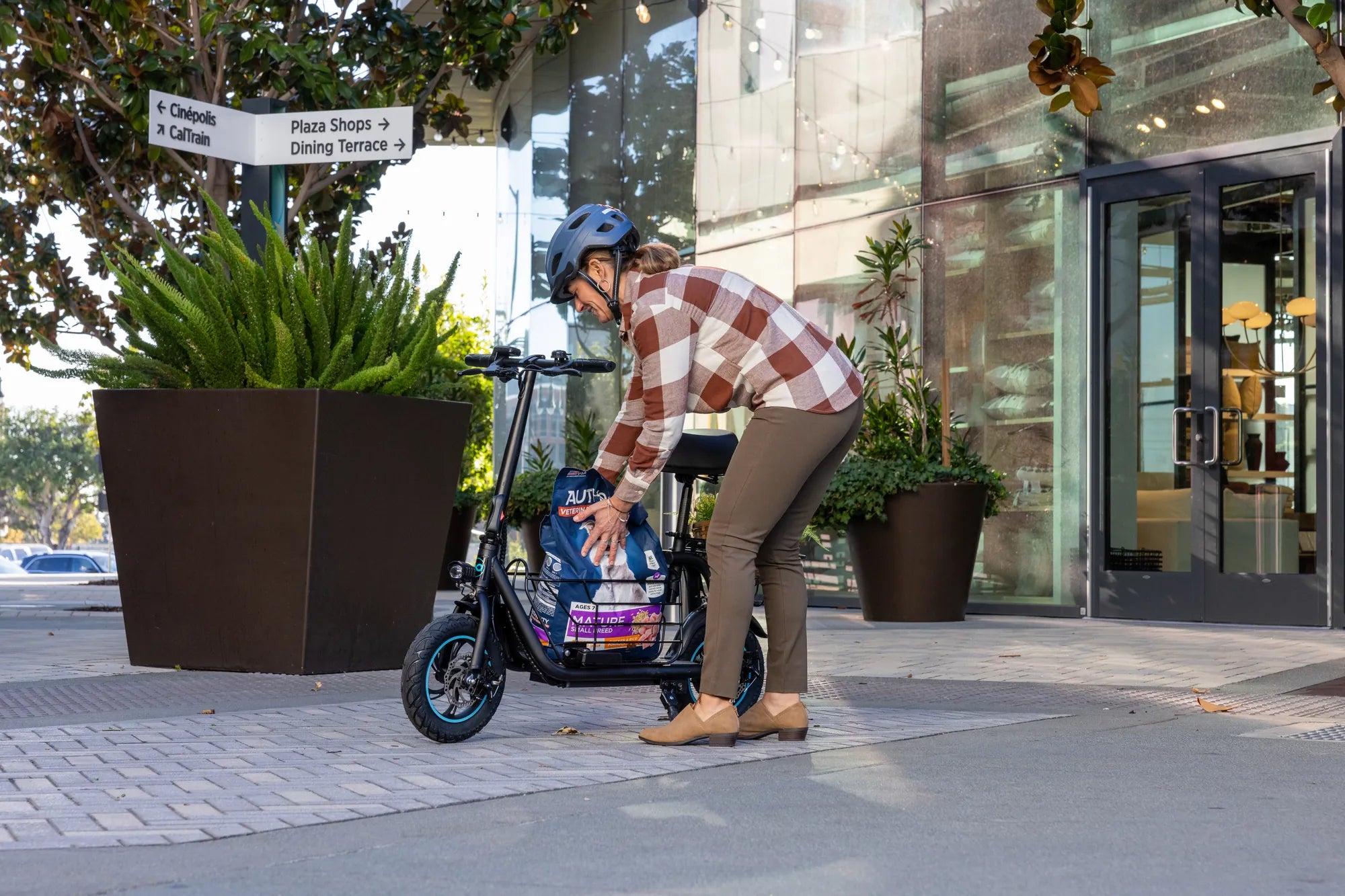
The Rise of the "Just Electric" Scooter
Urban mobility is at a crossroads, and the solution is simpler than you think. The future belongs not to the most complex gadget, but to the most reliable tool: the just electric scooter. This emerging category of personal electric vehicles (PEVs) prioritizes pure utility, dependable performance, and straightforward operation over superfluous features.
It represents a fundamental shift in how we view short-distance transport. A just electric scooter is designed for one primary purpose: to get you where you need to go, safely and efficiently, without the hassle of traffic, parking, or complex maintenance. It strips away the noise, focusing on the core experience of effortless urban movement.
Brands like Gyroor, a leading electric scooter and e-bike brand trusted by over 100,000 riders across North America and Europe, embody this philosophy. Their focus on UL-certified batteries, IPX5 water-resistant designs, and a reliable 1-year warranty demonstrates a commitment to the essentials that matter for daily use.
The promise is clear. As cities become denser and congestion worsens, the pragmatic, accessible, and safe electric scooter offers a viable path forward. It's not about more features; it's about dependable electric power you can count on every day.
Why Simplicity Wins in City Commuting
The urban commuter's needs are specific and unforgiving. Reliability is non-negotiable when you have a meeting to catch. Ease of use is critical for navigating crowded streets without distraction. Low maintenance is essential for a budget-conscious lifestyle. The just electric scooter is engineered precisely for this reality.
By eliminating unnecessary complexity, these scooters reduce potential points of failure. Fewer proprietary apps, complex dashboards, and gimmicky features mean there's less that can break. This design philosophy results in a more robust vehicle that withstands the rigors of daily pavement pounding and variable weather conditions.
Intuitive operation is another key victory. A quality scooter should have a clear power button, a straightforward throttle, an effective brake, and perhaps a speed mode selector. That's it. This allows riders to focus entirely on their surroundings—pedestrians, cars, road conditions—rather than fumbling with a touchscreen menu.
This focused approach translates directly to a better riding experience. The mental load is reduced, making the commute less stressful and more enjoyable. The scooter becomes an extension of your intent, a simple tool for urban freedom, rather than a technological puzzle to solve each morning.
The Core Tech That Matters: Battery, Motor, and Build
When you distill a scooter to its essentials, three components stand out as non-negotiable for quality and safety. These are the pillars of the just electric scooter philosophy, and they determine real-world performance.
Battery Safety and Longevity: The battery is the heart of the scooter. Not all batteries are created equal. UL-certification, like the packs used in all Gyroor models, is a critical benchmark. It means the battery has passed rigorous independent safety tests for electrical, mechanical, and fire hazards. A UL-certified battery tested for 500+ charge cycles represents a commitment to safety and long-term value, protecting your investment and your home.
Motor Performance: Motor power isn't just about top speed; it's about real-world torque. A capable motor ensures smooth acceleration from a stop, even on a slight incline. It provides the necessary power to merge safely with bicycle traffic and maintain a consistent pace without straining the system. Efficiency is key, balancing power with range to deliver on promised performance.
Build Quality and Durability: An urban scooter must be tough. IPX5 water resistance is a minimum viable standard, meaning the scooter can withstand water jets from any direction. This protects the electrical components from rain, puddles, and street cleaning. The frame must be constructed from high-grade aluminum or steel to handle impacts and weight. Together, these build qualities ensure the scooter is a durable asset, not a fragile toy.
Data-Driven Comparison: Just Electric vs. The Over-Engineered Alternative
Choosing the right scooter requires looking beyond marketing claims. The following table contrasts the pragmatic just electric scooter approach, exemplified by brands focusing on core quality, against feature-heavy alternatives that may compromise on fundamentals.
| Key Metric | "Just Electric" Scooter (Quality-Focused) | Over-Engineered / Feature-First Alternative |
|---|---|---|
| Primary Design Goal | Reliability & Daily Utility | Feature Density & Novelty |
| Battery Certification | UL-Certified (Industry Safety Standard) | Often Uncertified or CE-Only |
| Water Resistance | IPX5 or Higher (All-Weather Ready) | IPX4 or Lower (Limited Weather Use) |
| Warranty Length & Coverage | Comprehensive 1-Year Warranty (e.g., Gyroor) | 90 Days or Limited Parts-Only |
| Average Maintenance Interval | Longer (Due to Robust Components) | Shorter (More Complex Systems Fail) |
| Learning Curve | Low (Intuitive Controls) | High (App Integration, Multiple Modes) |
| Long-Term Cost of Ownership | Lower (Durable, Fewer Repairs) | Higher (Frequent Fixes, Battery Replacements) |
This comparison reveals a clear pattern. Scooters built with certified, high-grade components offer superior long-term value and peace of mind. A strong warranty, like Gyroor's 1-year coverage, is a direct reflection of the manufacturer's confidence in their product's durability. Flashy, unproven tech often comes at the expense of these foundational elements.
Integrating into the Urban Ecosystem: Safety, Laws, and Etiquette
Adopting an electric scooter as a primary transport solution requires understanding its role in the city. Responsible integration hinges on three pillars: knowing the law, prioritizing safety, and practicing good etiquette.
Understanding Local Regulations: Laws vary significantly by city and country. Common regulations include speed limits (often 15-20 mph in bike lanes), age restrictions, and rules about where you can ride (typically bike lanes and roads, not sidewalks). It is the rider's responsibility to know and follow these rules to avoid fines and ensure harmonious sharing of public space.
Non-Negotiable Safety Gear: A helmet is essential, full stop. Wrist guards, knee pads, and elbow pads are highly recommended, especially for new riders. Your scooter must have functional front and rear lights, reflectors, and a loud bell or horn. Performing a pre-ride safety check—tire pressure, brake function, light operation—should become a habitual routine.
Rider Etiquette for Sustainable Use: Be predictable. Signal your intentions, maintain a safe speed around pedestrians, and always yield to those on foot. When parking, never block sidewalks, ramps, or building entrances. Use designated bike parking where available. Riding respectfully ensures that scooters remain a welcome part of the urban landscape, not a nuisance.
The Sustainable Choice: Environmental and Economic Impact
Choosing a just electric scooter is a conscious decision with positive ripple effects. The benefits extend beyond personal convenience to tangible environmental and economic gains, especially when the product is built to last.
Environmental Footprint: Replacing car trips for distances under 5 miles has a dramatic impact. Electric scooters produce zero tailpipe emissions. When charged on an average grid mix, their carbon footprint per mile is a fraction of even the most efficient hybrid car. By reducing congestion, they also contribute to lower city-wide emissions and noise pollution.
Economic Analysis: The cost savings are substantial. Consider the avoided costs of fuel, parking fees, insurance, and maintenance associated with a car. The upfront cost of a quality scooter is recouped quickly. A durable scooter with a long lifespan, backed by a strong warranty, maximizes this economic advantage by minimizing repair and replacement costs.
Lifecycle and Waste Reduction: The "just electric" philosophy aligns with sustainability through durability. A scooter built with a UL-certified battery (500+ cycles) and a robust frame is designed for years of service. This contrasts with disposable, low-quality models that fail quickly and end up in landfills. Gyroor's 1-year warranty and focus on certified components directly support a longer, more responsible product lifecycle.
FAQ: Your Just Electric Scooter Questions, Answered
Q: How far can I really go on a single charge?
A: Manufacturer range claims are often based on ideal lab conditions. Real-world range depends on rider weight, terrain, temperature, and speed. A scooter rated for 20 miles might reliably achieve 12-16 miles for an average rider on mixed inclines. Always buy a scooter with a range rating 25-30% higher than your longest regular trip.
Q: Is an IPX5 water-resistant rating enough for rain?
A: Yes, IPX5 is a robust standard for urban commuting. It means the scooter can handle sustained water spray from any direction, making it safe to ride in rain and through puddles. However, it is not submersible. Avoid deep standing water, and always dry your scooter after a wet ride.
Q: What does a 1-year warranty actually cover?
A: A comprehensive warranty, like Gyroor's, typically covers defects in materials and workmanship for the frame, motor, battery, and controller for one year from purchase. It is a guarantee of quality. Always read the warranty terms to understand what is included and the process for making a claim.
Q: How do I perform basic safety checks?
A: Follow a quick T-CLOCS check before each ride: Tires (inflation & wear), Controls (throttle, brakes, levers), Lights & Electrics (headlight, taillight, battery indicator), Oil (or lack thereof, check for leaks), Chassis (frame, stem, folding mechanism for tightness), Stand (if equipped).
Q: Can I carry my scooter on public transit?
A: Policies vary by transit authority. Many allow folded electric scooters, treating them like luggage. Always check local rules, fold your scooter before boarding, and be courteous to other passengers by keeping it out of aisles.
Embracing a Smarter, Streamlined Commute
The evidence points to a single, pragmatic conclusion. The future of urban mobility is not about adding more complexity to our already hectic lives. It is about smart, efficient simplification. The just electric scooter, built with certified safety, proven durability, and straightforward utility, represents the most viable and responsible path forward.
This approach transforms the daily commute from a stressful chore into an efficient, enjoyable, and sustainable part of your day. It empowers individuals with a reliable, affordable, and flexible mode of transport that directly addresses the core challenges of city living.
Brands that champion this philosophy, focusing on the essentials that riders truly need, are leading the charge. By choosing a scooter defined by its UL-certified battery, robust construction, and clear warranty, you invest in a tool designed for the long haul. You choose a future where getting around is simpler, cleaner, and more freeing.
Ready to transform your urban commute? Explore a range of scooters built on the principles of safety, durability, and simple utility. Browse the full Gyroor collection at gyroorboard.com and discover the right electric scooter for your journey.
Can Kids Ride Adult Electric Scooters? A Data-Driven Safety Guide
Electric Scooters in Berkeley: The Future of Urban Mobility