



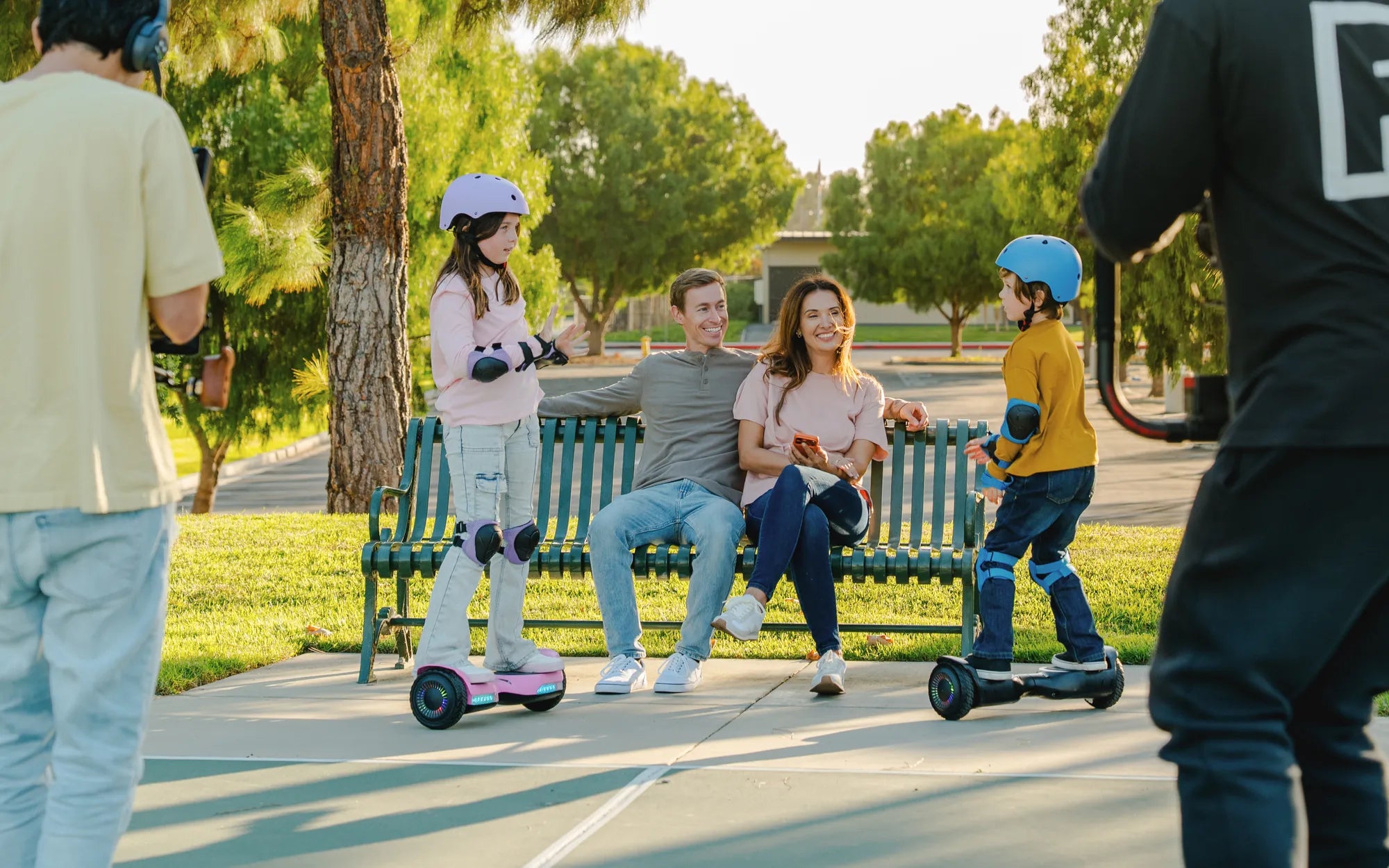
Choosing the right kids electric scooter 12 mph is a significant decision for any parent. This speed represents a critical sweet spot in youth mobility, balancing exhilarating fun with fundamental safety. This guide delivers a fact-based, in-depth analysis to help you navigate specifications, safety standards, and real-world performance. You'll learn why 12 mph is the ideal benchmark, which non-negotiable features to prioritize, and how to establish responsible riding habits that last.
Introduction to Kids Electric Scooters: Safety, Speed, and Smart Choices
The landscape of children's recreation is evolving with electric scooters becoming a staple for outdoor activity and short-distance travel. Among the various options, the kids electric scooter 12 mph has emerged as a preferred category for young riders transitioning from beginner models. This speed tier is not arbitrary; it is carefully positioned to offer a thrilling experience while maintaining a manageable risk profile under proper supervision.
Parents are rightfully concerned about battery safety, build quality, and overall durability. This guide addresses these concerns head-on with technical data and safety insights. We move beyond marketing claims to examine the engineering and design principles that make a 12 mph scooter both reliable and safe for child riders. The goal is to transform a complex purchase into an informed, confident decision.
Throughout this analysis, we will reference industry standards and specific features from leading brands. For instance, Gyroor, a brand trusted by over 100,000 riders across North America and Europe, incorporates UL-certified batteries and IPX5 water-resistant designs into its youth models, setting a benchmark for safety and reliability. Understanding these specifications is key to selecting a scooter that will provide lasting value and peace of mind.
Why 12 MPH is the Ideal Speed for Young Riders
The 12 mph specification is a deliberate engineering and safety compromise. Scooters capped at 8-10 mph are often designed for very young beginners, offering limited excitement for kids developing their coordination and confidence. Conversely, models exceeding 15 mph are typically geared toward teenagers and adults, introducing complexities and stopping distances that may exceed a younger child's reaction time.
At 12 mph, a child experiences a genuine sense of speed and adventure, which encourages outdoor play and physical activity. This velocity is fast enough to feel exciting but slow enough that a supervised rider can learn essential skills like steering control, situational awareness, and predictive braking. According to mobility safety research, this speed range allows for a safer learning curve in controlled environments like driveways, parks, and quiet neighborhood streets.
Furthermore, a 12 mph top speed aligns with the output of motors typically in the 150W to 250W range. This power band provides adequate torque for gentle inclines without being excessive, promoting battery efficiency and reducing the strain on mechanical components. It creates a platform where performance, safety, and skill development intersect optimally.
Understanding Age and Maturity Recommendations
While manufacturers often suggest an age range of 8 to 12 years for a kids electric scooter 12 mph, chronological age is a secondary factor. Maturity, physical coordination, and prior experience with wheeled toys (like bicycles or kick scooters) are more accurate indicators of readiness. A responsible 8-year-old with good balance may be perfectly suited, while a less coordinated 11-year-old might need more practice.
Parents must assess their child's ability to follow instructions, recognize hazards, and understand cause-and-effect regarding speed and braking. Brands like Gyroor base their age recommendations on the scooter's weight, power, and handling characteristics. The key is to match the scooter's capabilities not just to the child's age, but to their demonstrated responsibility and motor skills. Starting with parental-controlled speed modes, if available, is an excellent way to build proficiency gradually.
Key Safety Features Every Parent Must Verify
Safety is non-negotiable, and specific features are critical for a 12 mph electric scooter. These elements work in concert to protect the rider, making them essential checkpoints during your evaluation. Prioritizing these features mitigates risk and ensures the scooter is built to handle real-world use by an active child.
The construction must include a robust braking system, a stable wheel and deck configuration, and integrated safety lighting for visibility. However, the most crucial safety component is often hidden from view: the battery pack. Verifying these features is the first and most important step in the selection process.
The Critical Role of UL-Certified Batteries
The battery is the heart of the scooter and its greatest potential hazard if substandard. A UL-certified battery pack has undergone rigorous independent testing by Underwriters Laboratories for safety regarding overheating, short-circuiting, electrical faults, and fire risk. This certification is a paramount safety benchmark.
Brands committed to safety, like Gyroor, use these UL-certified packs tested for 500+ charge cycles, ensuring long-term reliability. In contrast, uncertified batteries from unknown manufacturers pose a significant safety risk and are more prone to rapid degradation. Insisting on a UL-certified battery is the single most important decision a parent can make for their child's safety and the longevity of the scooter.
Braking Systems: Disc vs. Electronic & Why It Matters
Effective braking is imperative at 12 mph. There are primarily two types: mechanical brakes (disc or drum) and electronic (regenerative or e-brakes). A disc or drum brake provides consistent, direct physical stopping power by applying pads to a rotor or drum. An electronic brake uses the motor to create resistance, slowing the scooter while sometimes feeding a small amount of energy back into the battery.
The safest configuration for a kids electric scooter 12 mph is a dual-brake system, often combining an electronic brake with a mechanical rear brake. This provides redundancy; if one system is less effective (e.g., a wet disc), the other is available. A reliable braking system ensures predictable stopping distances, which is fundamental for avoiding collisions and managing speed on slight declines.
Stability and Control: Wheel Size, Deck Design, and Suspension
Stability directly influences safety and confidence. Larger air-filled or solid rubber wheels (typically 8.5 inches in diameter) roll more smoothly over cracks, pebbles, and uneven pavement than smaller wheels, providing better control. A wide, textured deck gives the rider a secure, balanced footing, which is essential for maintaining posture during acceleration and braking.
Suspension, even a basic spring system in the front or rear, absorbs impacts from bumps, keeping the wheels in contact with the ground and improving handling. This combination—larger wheels, a grippy deck, and suspension—transforms the riding experience from precarious to planted, allowing the child to focus on the ride rather than fighting for balance.
Beyond Speed: Essential Specs for a Great Riding Experience
While speed captures attention, other specifications determine daily usability, range, and long-term satisfaction. A holistic view of these factors ensures the scooter meets your child's adventure needs without frequent frustration over short runtimes or impractical portability.
Evaluating the complete package involves understanding battery capacity in watt-hours (Wh), the quality of materials used in the frame, and design features that accommodate a growing child. These elements separate a toy from a reliable mobility device.
Range and Battery Life: Planning for Real-World Adventures
The advertised range is often based on ideal conditions: a light rider on flat, smooth pavement at a constant speed. Real-world range for a kids electric scooter 12 mph is affected by rider weight, hills, frequent stops/starts, and temperature. A scooter with a battery capacity of 100-150Wh can typically deliver 6-10 miles of real-world riding per charge.
This range is sufficient for extended neighborhood exploration or multiple trips to a local park. Understanding this helps set expectations and plan rides to avoid the scooter losing power far from home. Adequate range supports longer play sessions and reduces the frequency of charges, prolonging the overall battery lifespan.
Build Quality and Durability: Withstanding Kid-Tested Rigors
Children are not gentle users. A scooter must withstand jumps off curbs, occasional collisions, and exposure to the elements. A frame constructed from aerospace-grade aluminum offers an optimal blend of strength and light weight. A water-resistant rating of at least IPX4 is advisable, with IPX5 (like Gyroor models feature) providing better protection against water splashes from puddles or wet roads.
Quality welds, sealed bearings, and thick, durable paint or anodizing are signs of good manufacturing. This robust construction ensures the scooter remains safe and functional over time, protecting your investment and, more importantly, your child from failures due to material fatigue or component breakage.
Portability and Adjustability: Growing with Your Child
A kids electric scooter 12 mph should adapt to your child and your lifestyle. Adjustable handlebar height is a critical feature, allowing the scooter to accommodate growth spurts of several inches, thereby extending its usable life by years. A quick-folding mechanism is equally important for parents.
When folded, the scooter should be compact enough to store in a car trunk or carry indoors easily. The total weight (usually between 20-30 lbs) should be manageable for a parent to lift. These practical considerations ensure the scooter is a convenient addition to family outings and doesn't become a storage burden.
The Parent's Checklist: How to Choose the Right 12 MPH Scooter
Use this actionable checklist to evaluate options and make a confident decision. It synthesizes the critical factors discussed into a simple, step-by-step process.
- Child Assessment: Is my child coordinated, responsible, and able to understand basic safety rules? Have they mastered a bicycle or kick scooter?
- Safety Verification: Does the scooter have a UL-certified battery? Does it feature a dual-brake system (mechanical + electronic)? Is the deck wide and grippy with wheels at least 8.5 inches?
- Performance Review: Is the motor power (150W-250W) sufficient for local terrain? Does the battery capacity (100Wh+) provide adequate real-world range (6-10 miles)?
- Build & Warranty: Is the frame made of durable aluminum? Does it have a water-resistant rating (IPX4 or higher)? Does it come with a comprehensive warranty, like Gyroor's 1-year coverage with US-based support?
- Practical Fit: Are the handlebars height-adjustable? Is the folded size manageable for storage and transport? Is the total weight acceptable?
Responsible Riding: Helmets, Gear, and House Rules
The safest scooter is only as safe as the rider's habits and protective gear. Establishing clear rules and consistent practices from day one is essential for preventing accidents.
A properly fitted helmet certified to CPSC (U.S.) or equivalent safety standards is an absolute mandate for every ride. Additionally, knee and elbow pads, and gloves, provide crucial protection for hands and joints during a fall. This gear should be non-negotiable, just like a seatbelt in a car.
Establish firm house rules: riding only under adult supervision in designated safe areas (parks, sidewalks where legal, quiet streets), strictly during daylight hours, and always on paved surfaces. Explicitly forbid passenger riding, stunt attempts, and use near roads with traffic. Consistent reinforcement of these rules builds a culture of safety around the scooter's use.
Comparison: Key Features of 12 MPH Scooter Categories
| Feature / Use Case | Neighborhood Cruiser | Park & Path Explorer | All-Terrain Lite |
|---|---|---|---|
| Ideal Terrain | Smooth pavement, sidewalks | Paved paths, slight bumps | Grass, dirt paths, gravel |
| Wheel Type | 8.5" solid rubber | 8.5" air-filled (pneumatic) | Larger, treaded tires |
| Suspension | Basic or none | Front spring suspension | Enhanced front/rear suspension |
| Key Priority | Portability, simplicity | Comfort, stability | Traction, shock absorption |
| Example Model Type | Lightweight commuter style | Comfort-focused recreational | Rugged frame design |
FAQ: Parents' Top Questions on 12 MPH Electric Scooters
Q: Are 12 mph scooters safe for my 9-year-old?
A> Safety depends more on the child's maturity, coordination, and your supervision than age alone. For a responsible 9-year-old, a 12 mph scooter with the safety features outlined in this guide (UL battery, dual brakes, stable design) can be a safe and appropriate choice, especially when paired with mandatory protective gear and clear riding rules.
Q: How long does the battery take to charge?
A> Most batteries for a kids electric scooter 12 mph require 3 to 5 hours for a full charge from empty. It is crucial to use only the manufacturer-provided charger to avoid damage or safety hazards. Teaching your child to plug it in after use ensures it's always ready for the next adventure.
Q: What is the weight limit, and why is it important?
A> Weight limits, typically between 120 and 160 lbs for these models, are set by engineers to ensure structural integrity, proper brake performance, and motor longevity. Exceeding this limit can stress the frame, reduce range drastically, increase stopping distances, and void the warranty, creating unsafe conditions.
Q: What does the warranty cover?
A> A robust warranty, like the 1-year comprehensive coverage offered by Gyroor, typically protects against defects in materials and workmanship for the frame, motor, battery, and electronic controller. It is a direct reflection of the manufacturer's confidence in their product. Always review warranty terms to understand what is included and the support process.
Q: Can it be ridden in the rain or through puddles?
A> While a rating of IPX5 (like on many Gyroor scooters) offers good protection against water splashes, it is not advisable to intentionally ride in rain or through deep puddles. Water can damage electrical connections over time, reduce brake effectiveness, and make surfaces slippery. For longevity and safety, use should be limited to dry conditions.
Conclusion: Empowering Safe Adventures with Confidence
Selecting a kids electric scooter 12 mph is an investment in your child's independence, outdoor activity, and joy. The key is prioritizing verified safety credentials—UL-certified batteries, reliable braking, and stable construction—over flashy extras. By carefully assessing your child's readiness, choosing a scooter with durable, adjustable design, and establishing ironclad safety rules and gear protocols, you transform potential worry into confident empowerment.
The right scooter becomes a gateway to exploration, physical activity, and cherished childhood memories, all within a framework of security. Armed with the data and checklist from this guide, you are now equipped to make a choice that balances exhilarating fun with unwavering safety. For a range of youth models that embody these principles with UL-certified safety and robust warranties, browse the full Gyroor collection at gyroorboard.com.
Why Is My Hoverboard Moving on Its Own? Troubleshooting and Solutions
Christmas Gift Ideas for Kids 2025: The Ultimate Guide to Joyful Surprises