

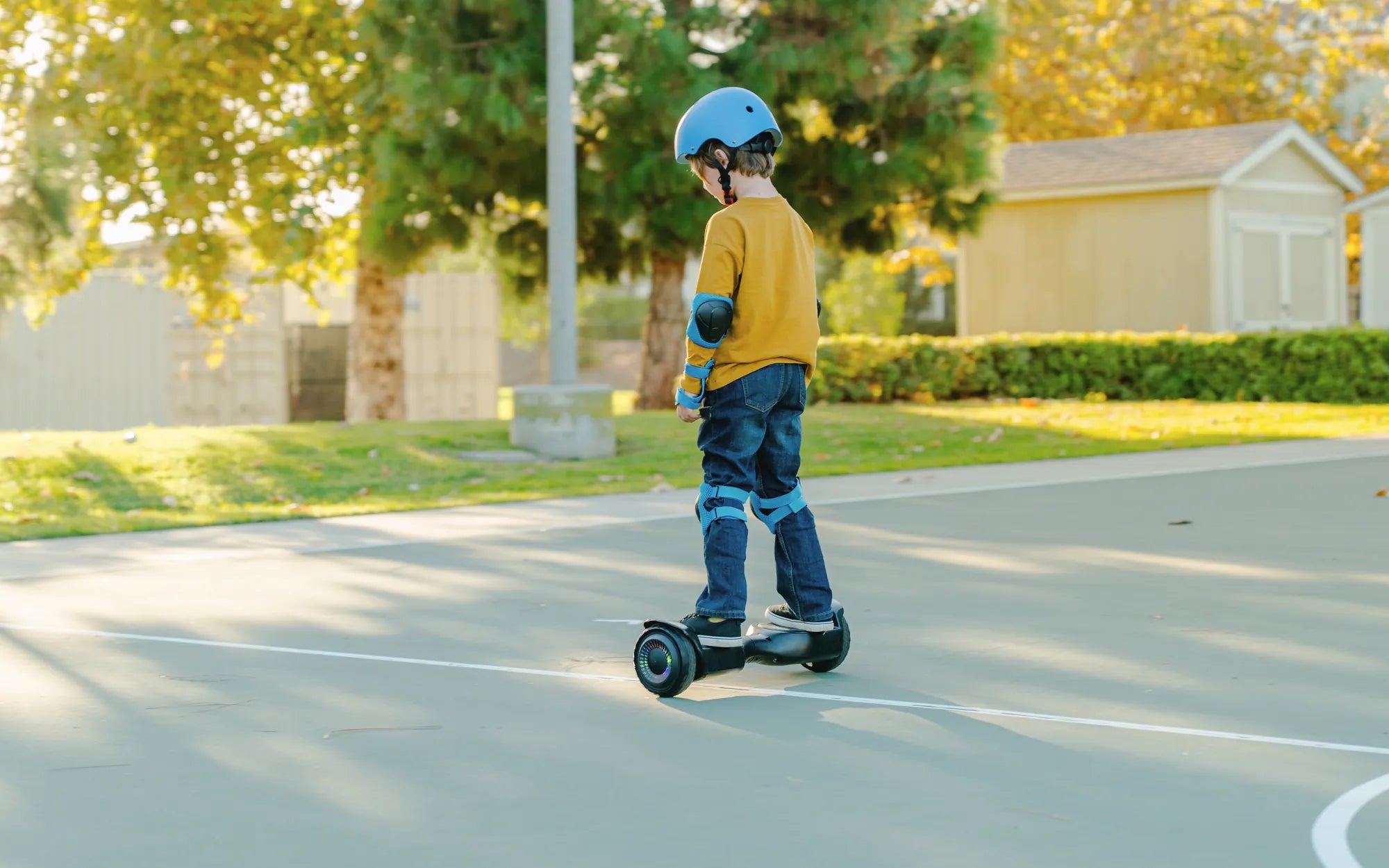
Introduction: The Rise of the Green Electric Scooter for Kids
Choosing the right first vehicle for your child is a significant decision. The kids electric scooter ages 6-12 green represents more than just a toy; it's a tool for outdoor activity, skill development, and introducing eco-conscious values. This guide is designed to cut through the marketing noise and provide parents with the factual, data-driven information needed to make a safe and informed purchase.
We'll explore why electric scooters have become a preferred mode of transport for this age group, dissect the essential safety features you cannot compromise on, and define what makes a scooter truly 'green.' As a leader in personal electric transport, Gyroor engineers its scooters with a core philosophy: safety and sustainability must be built-in, not added as an afterthought. This guide will help you understand those principles.
Why an Electric Scooter is a Smart Choice for Ages 6-12
For children between six and twelve, development is rapid. An electric scooter supports this growth in multiple, tangible ways. It encourages regular outdoor play, which is crucial for physical health and reducing screen time. The act of riding develops core strength, balance, and fine motor skills through steering and braking control.
Psychologically, it fosters a healthy sense of independence and responsibility. Mastering a scooter provides a confidence boost, while following riding rules teaches accountability. From a practical family perspective, a kids electric scooter ages 6-12 green serves as a legitimate transport solution for short trips to the park, a friend's house, or soccer practice.
This replaces countless short car journeys, directly reducing your household's carbon emissions. Compared to gas-powered go-karts or mini-bikes, an electric scooter produces zero local emissions, is significantly quieter, and has far lower operating costs. It's a choice that benefits your child's development and your community's environment.
Non-Negotiable Safety Features for Young Riders
Safety is the paramount concern for any parent. A well-designed scooter integrates multiple layers of protection tailored to a child's developing skills. Never sacrifice safety for a lower price or flashy looks. The following features are essential for any scooter intended for the 6-12 age bracket.
Speed Control and Responsive Braking Systems
A beginner or learning mode is non-negotiable for younger or first-time riders. This mode should limit the scooter to a safe, manageable speed, typically between 5-7 mph. As skill and confidence grow, parents can unlock higher speed modes via a secure app or PIN code. This graduated approach prevents overwhelming the child.
Equally important is the braking system. A combination of electronic (e-brake) and mechanical (disc or foot) braking is ideal. The electronic brake offers smooth, gradual stopping power, while a physical brake provides reliable backup. Test the brakes for responsiveness; they should bring the scooter to a controlled, straight-line stop without jerking.
Stable Construction and Shock Absorption
Stability prevents falls. Look for a scooter with a wide, textured deck that provides secure footing. The deck should be low to the ground to lower the center of gravity, making mounting and dismounting easier and reducing the height of a potential fall. The frame material should be a lightweight yet sturdy aluminum alloy.
Wheel size and type are critical for shock absorption. Larger, air-filled (pneumatic) tires, typically 8.5 inches or more, offer a much smoother ride over cracks and bumps compared to small, solid rubber tires. Some models include a front or dual suspension system, which further enhances comfort and control on uneven surfaces, a key feature for a kids electric scooter ages 6-12 green meant for real-world use.
Comprehensive Lighting and Visibility
Visibility is a primary component of safety. Even if you forbid night riding, dusk or cloudy days require lights. A bright LED headlight illuminates the path ahead, while a taillight, preferably a brake light that intensifies when stopping, makes the rider visible from behind.
Supplemental reflective stickers or strips on the deck, stem, and wheels provide passive visibility from all angles when light hits them. For the ultimate in safety, some Gyroor models feature ambient deck lighting that makes the entire scooter glow, ensuring the young rider is seen by drivers and pedestrians alike.
Decoding the "Green" in Kids Electric Scooters
The term 'green' is often used loosely. For a children's electric scooter, it encompasses the energy source, the sustainability of its components, and its overall product lifecycle. A truly eco-friendly scooter minimizes environmental impact from production through to disposal.
The Core: UL-Certified Battery Technology
The battery is the heart of the scooter and the most significant factor in its 'green' credentials. Gyroor uses exclusively UL-certified lithium-ion battery packs. This certification from Underwriters Laboratories is a rigorous safety standard, but it also implies quality and efficiency.
A UL-certified battery is engineered for more charge cycles (often 500+), meaning it lasts for years before needing replacement. This durability directly reduces electronic waste. Furthermore, these batteries are more energy-efficient, drawing less power from the grid for each charge and losing less energy to heat, which aligns with the eco-conscious promise of a kids electric scooter ages 6-12 green.
Durability as an Anti-Waste Strategy
The most sustainable product is one you don't have to replace. Build quality directly impacts environmental footprint. An IPX5 water-resistance rating means the scooter can withstand water jets from any direction, protecting it from rain and puddles, and extending its functional life.
A robust warranty, like Gyroor's 1-year coverage, is a brand's promise of durability. A scooter built with quality materials like reinforced aluminum and sealed components withstands the rough-and-tumble use of a child, preventing premature failure and landfill contribution. Choosing a durable model is a direct investment in waste reduction.
Energy Efficiency in Real-World Use
Let's quantify the 'green' benefit. Charging a typical kids' e-scooter battery from empty to full consumes about 0.3 to 0.5 kWh of electricity. At the average U.S. residential rate, that costs between 4 and 7 cents. This single charge can provide 8-12 miles of range.
Compare this to a short 2-mile round trip in a car, which uses approximately 0.1 gallons of fuel. Even with an efficient car, that trip costs around 30-40 cents in fuel alone, not including maintenance and emissions. The electric scoter is over 85% cheaper per mile and produces zero tailpipe emissions, making its 'green' advantage clear and calculable for families.
Selecting the Right Gyroor Scooter by Age and Stage
Not all scooters are suitable for all ages. Within the 6-12 range, needs change dramatically. Here’s how to match Gyroor's engineering to your child's developmental stage.
Ages 6-8: Foundational Safety and Simple Control
For this group, prioritize simplicity and safety limits. The ideal kids electric scooter ages 6-12 green for a 6-8 year old has a maximum speed capped at 10 mph, with a beginner mode set to 6 mph. It should be lightweight (under 20 lbs) for easy handling and have a low deck height.
Features like a thumb throttle (easier to modulate than a twist grip) and a wide, stable deck are key. A single braking system, if highly responsive, may be sufficient. The focus is on building confidence in a controlled environment. Pairing the scooter with a full safety kit—helmet, knee, and elbow pads—is absolutely mandatory at this stage.
Ages 9-12: Enhanced Performance with Growing Responsibility
Older kids have better coordination and judgment. Scooters for this group can offer more performance, such as speeds up to 15 mph and longer ranges (10-15 miles) for neighborhood exploration. Enhanced features like dual suspension, brighter lighting, and dual braking systems become more important as rides become longer and more adventurous.
This is the time to integrate lessons on responsible riding: battery care, pre-ride safety checks, and respectful shared use of paths. A scooter with app connectivity can allow parents to set speed limits and monitor battery health remotely, providing a safety net as the child earns more independence. The kids electric scooter ages 6-12 green becomes a tool for teaching stewardship—of the product and the community.
Essential Safety Gear and Family Riding Rules
The safest scooter is ineffective without proper gear and clear rules. Establish these protocols from day one to create a culture of safety.
Mandatory Safety Gear:
- Helmet: Must be CPSC (U.S.) or CE (EU) certified for bicycle riding. It should fit snugly.
- Knee and Elbow Pads: Protect the most commonly injured joints in a fall.
- Wrist Guards: Crucial for preventing fractures and severe abrasions.
- Closed-Toe Shoes: Never allow riding in sandals or flip-flops.
Non-Negotiable Family Riding Rules:
- Helmet and gear are worn every single time, no exceptions.
- Ride on sidewalks, bike paths, or parks—never on roads with cars.
- No riding after dark or in low-visibility conditions (fog, heavy rain).
- Always yield to pedestrians and announce yourself politely when passing.
- No passenger riding; these are one-person vehicles.
- Conduct a pre-ride safety check (see maintenance section).
Following these rules isn't just about safety; it's about being a respectful, responsible member of the community, which is a core part of the 'green' ethos.
Maintenance and Care for Longevity and Safety
Regular maintenance ensures safety, optimizes performance, and maximizes the scooter's lifespan—a key sustainability practice. Involve your child in these simple tasks to teach accountability.
Battery Care Best Practices
Proper battery care is crucial for safety and longevity. Use only the provided charger. Avoid leaving the scooter plugged in for more than 24 hours after a full charge. Store the scooter and battery in a cool, dry place, away from direct sunlight or freezing temperatures.
If storing for more than a month, charge the battery to about 60% first. The IPX5 rating allows you to clean the scooter with a damp cloth or a gentle spray, but avoid high-pressure hoses and never submerge it, especially the charging port. These habits preserve the UL-certified battery, ensuring it lasts for its full intended lifecycle.
The Pre-Ride Safety Checklist
Make this a 60-second ritual before every ride. It teaches diligence and prevents accidents.
- Tires: Check for proper inflation (for pneumatic tires) or wear/debris (for solid tires).
- Brakes: Squeeze the lever and ensure the brake engages smoothly and the scooter stops effectively.
- Lights: Test the headlight and taillight to ensure they are functional.
- Fasteners: Check that the stem folding mechanism is securely locked and all bolts are tight.
- Deck: Ensure it is clean and free of slippery substances.
Comparison of Key Scooter Considerations
| Feature | Ages 6-8 Focus | Ages 9-12 Focus | Why It Matters |
|---|---|---|---|
| Max Speed | ≤ 10 mph (with beginner mode) | Up to 15 mph | Matches speed to rider's skill and reaction time. |
| Motor Power | 150W - 200W | 250W - 300W | Provides adequate power for hills and weight without being excessive. |
| Brake Type | Electronic (E-brake) or reliable foot brake | Dual Braking (E-brake + Disc/Foot) | Redundant systems ensure stopping power as speeds increase. |
| Tire Type | Larger Air-Filled (8.5") | Air-Filled + Suspension | Absorbs shocks for comfort and control on uneven surfaces. |
| Range | 6-9 miles | 10-15 miles | Supports longer adventures for older kids while remaining practical. |
| Key 'Green' Feature | UL-Certified Battery | UL Battery + IPX5 Durability | Ensures safe, long-lasting components that reduce waste. |
Frequently Asked Questions for Parents
Q1: Are electric scooters safe for a 7-year-old?
A1: Yes, when the correct precautions are taken. Choose a scooter specifically designed for their age with speed limits, reliable brakes, and stable geometry. Safety is 90% preparation: mandatory safety gear (helmet, pads) and strict riding rules supervised by an adult are essential for safe enjoyment.
Q2: What is the real-world range, and how long does it take to charge?
A2: Range varies by model, rider weight, and terrain. For ages 6-8, expect 6-9 miles. For ages 9-12, 10-15 miles is common. Charge time is typically 3-5 hours for a full charge from empty. Teaching kids to monitor battery level and plan rides is part of the responsibility.
Q3: What does the 1-year warranty actually cover?
A3> Gyroor's warranty is a guarantee against manufacturing defects. It typically covers the motor, battery, controller, and frame under normal use. It does not cover damage from accidents, misuse, or neglect (like water damage beyond the IPX5 rating). Always register your product and keep your proof of purchase.
Q4: How do I know if the scooter is the right size for my child?
A4: The key metric is the handlebar height. When standing on the deck, the handles should be between your child's waist and lower chest, allowing for a slight bend in the elbows. A deck that is too high or too low can affect control and balance. Refer to the manufacturer's recommended rider height for each model.
Q5: How do we dispose of or recycle the battery responsibly at end-of-life?
A5: This is a critical part of the green lifecycle. Lithium-ion batteries should NEVER be thrown in household trash. Gyroor encourages customers to contact us for guidance. In most regions, you can take the battery or entire scooter to a designated e-waste recycling facility, many hardware stores, or community hazardous waste collection events for proper, safe recycling.
Making an Informed Choice for Fun and Future
Selecting the right kids electric scooter ages 6-12 green is an exercise in balanced priorities. It requires weighing exhilarating fun against foundational safety, considering immediate joy against long-term durability, and valuing personal freedom alongside environmental responsibility. The ideal scooter isn't necessarily the fastest or the cheapest; it's the one that best fits your child's current stage, grows with them, and is built to last.
Brands like Gyroor have risen to prominence by embedding these values into their engineering—from UL-certified batteries for safety and sustainability to IPX5 ratings for all-weather durability. By choosing wisely, you're not just buying a toy. You're investing in a device that will encourage outdoor activity, teach valuable lessons in responsibility, and provide a tangible, fun way for your family to reduce its carbon footprint, one ride at a time.
Ready to explore models that put safety, performance, and green design first? Browse the full, trusted Gyroor collection for kids and teens at gyroorboard.com, where detailed specifications and real rider reviews can help you find the perfect match for your young adventurer.
Powerful Scooter for Kids: The Ultimate Guide to Choosing the Best Ride
Christmas Gift Ideas for Boys Age 9: Fun and Exciting Presents They’ll Love