



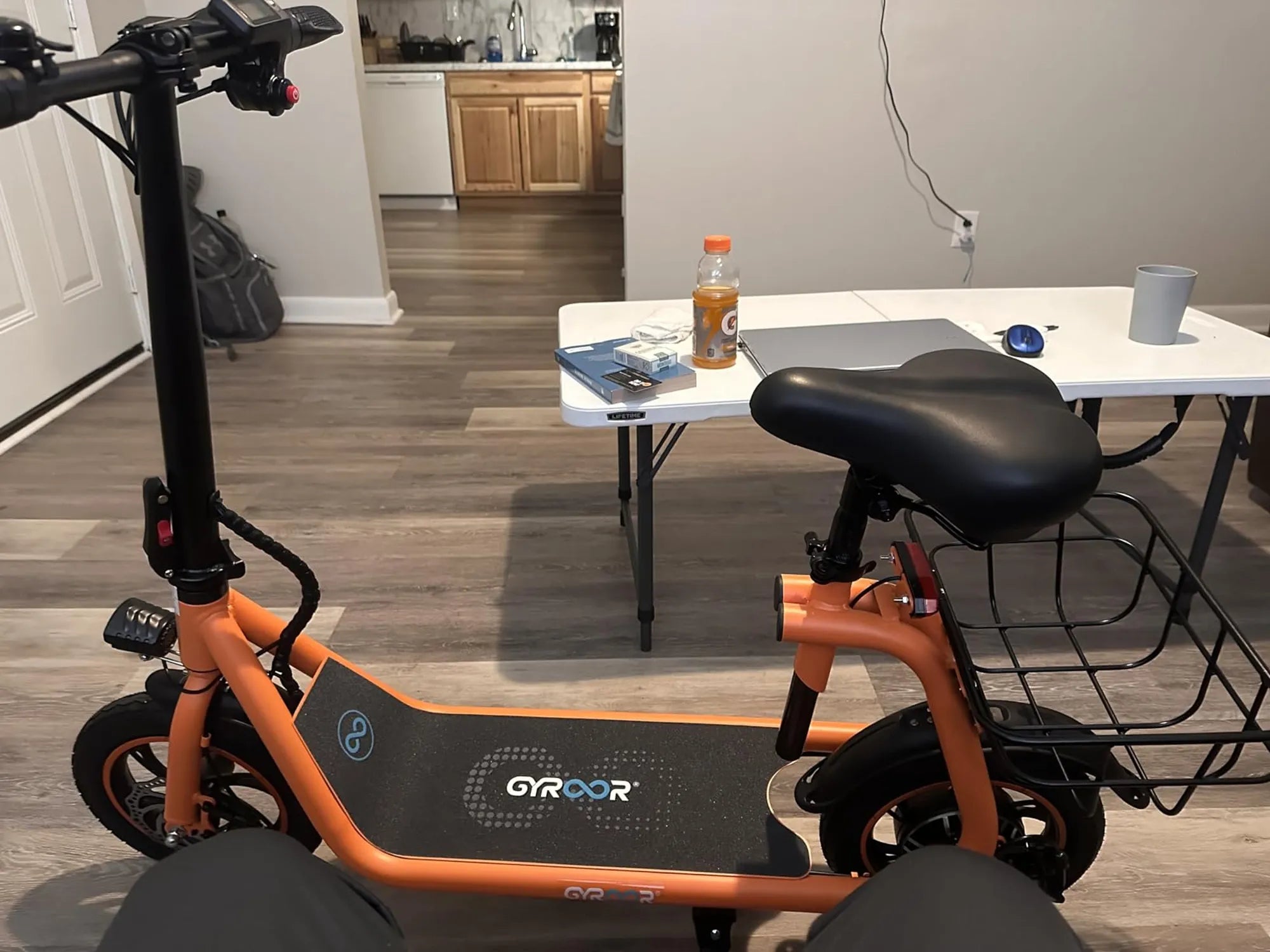
Choosing the right kids electric scooter in the UK involves more than picking a fun-looking model. It's a decision that balances excitement with critical safety, legal compliance, and long-term value. This guide cuts through the noise to provide UK parents with a comprehensive, data-driven framework for selecting an e-scooter that empowers safe, joyful, and responsible riding. From navigating specific regulations to understanding the engineering behind a safe battery, we detail what truly matters.
Navigating the UK Legal Landscape for Children's E-Scooters
The legal status of electric scooters in the UK is distinct and must be understood before any purchase. Currently, privately owned e-scooters are not legal to use on public roads, cycle lanes, or pavements. Their use is restricted to private land with the landowner's permission. This is a crucial first point for parents considering a kids electric scooter.
This regulation is enforced under the Highway Act 1835 and the Road Traffic Act 1988. Riding an e-scooter in prohibited public spaces can result in a fine, penalty points, or even seizure of the vehicle. For children, this legal framework fundamentally shapes where and how they can enjoy their scooter safely and lawfully.
The rise of government-approved rental schemes in many cities does not change the rules for privately owned models. These trial schemes operate under specific insurance and licensing conditions. Therefore, the primary environment for a child's personal e-scooter will be driveways, private gardens, or other permitted private property.
Understanding this landscape is the foundation of responsible ownership. It shifts the focus from commuting to recreational use in controlled environments. This guide prioritises models and features suited for this private-use reality, ensuring your investment aligns with UK law.
Safety First: Non-Negotiable Features and Riding Etiquette
Safety is the paramount concern, extending far beyond legal compliance. A well-built scooter with the right safety features mitigates risk and builds confidence. Parents should view these features not as optional extras but as essential components of the scooter's design.
The core safety trio consists of a reliable braking system, stable construction, and effective speed control. A combination of electronic (e-brake) and mechanical (disc or foot) braking is ideal for progressive stopping power. The deck should be wide and textured to prevent slips, and the frame must use durable materials like aluminium alloy to withstand bumps.
Speed limiters are critical. Most quality kids electric scooters UK parents consider offer multiple speed modes, often controlled via a parental PIN. A beginner mode might cap speed at 6-8 mph, with intermediate modes reaching 10-12 mph for older children. This programmable control is a key safeguard.
Essential safety gear is non-negotiable. A properly fitted cycle helmet meeting UK safety standards (CE mark) is mandatory. Elbow and knee pads are highly recommended, especially for beginners. Establishing clear riding etiquette—such as scanning for obstacles, avoiding wet surfaces, and not carrying passengers—instills responsible habits from the first ride.
Decoding Technical Specifications: What Matters for Kids
Technical specs can be overwhelming. For children's scooters, focus on a simplified set of performance metrics that directly impact safety and usability. Power, range, and build are the pillars of your evaluation.
Motor Power and Manageable Speed
Motor power, measured in watts (W), should be appropriate for a child's weight and skill. For riders aged 6-12, a motor between 100W and 150W provides ample power for gentle inclines and smooth acceleration without being excessive. This typically translates to a maximum realistic speed of 10-12 mph, which is a safe threshold for supervised play.
Battery Life, Range, and Charging Safety
Advertised range is based on ideal conditions. For real-world use by a child, expect 6-10 miles from a quality battery. More important than maximum distance is battery safety certification. Look for UL2271 or similar certifications, which indicate rigorous testing for overcharge, short circuit, and thermal stability. Safe charging practices, like using the supplied charger and not leaving the battery to charge unattended overnight, are essential habits.
Durability, Weight Limit, and Adjustability
The scooter's maximum weight limit must comfortably exceed your child's weight with a margin. A limit of 70-100 kg is standard for robust models. Adjustable handlebar height is a valuable feature that allows the scooter to grow with your child, improving posture and control. Foldability aids storage but ensure the locking mechanism is robust and child-resistant.
Age-Appropriate Scooter Selection: A Buyer's Framework
Matching the scooter to your child's age, size, and coordination is vital. A scooter that is too powerful or large can be intimidating and unsafe, while one that is too small will be quickly outgrown.
Ages 6-9: Beginner Models Focused on Stability
For this group, prioritise stability and simple controls. Look for a lower deck height, wider wheelbase, and smaller wheel size (6-7 inches). A single braking system (often a foot brake) is sufficient. Speed should be capped at 8-10 mph via a parental control mode. Bright colours and simple, intuitive controls help build confidence.
Ages 10-13: Intermediate Scooters for Growing Confidence
Children in this range can handle more features. Look for models with a more powerful motor (up to 150W), a dual braking system, and perhaps basic suspension for comfort on varied surfaces. Adjustable handlebars are key. Speed modes can extend to 12-15 mph for responsible riders on private land, always under supervision.
Teens (14+): Advanced Features with Responsible Control
Teenagers may seek scooters with features akin to adult models. The focus must remain on enforced safety. Opt for models with superior dual brakes (disc + electronic), longer range, and robust construction, but insist on those with a hardwired or PIN-protected maximum speed limit (e.g., 15 mph). Portability for transporting to a friend's private property may also be a consideration.
Critical Comparison: Key Models and Features for UK Families
The table below compares generalised scooter types based on core criteria relevant to the UK market. It serves as a framework for evaluating specific models you encounter.
| Feature | Beginner (Ages 6-9) | Intermediate (Ages 10-13) | Advanced (Teens 14+) |
|---|---|---|---|
| Recommended Motor | 100W - 120W | 120W - 150W | 150W - 200W (Limited) |
| Max Speed (Controlled) | 8 - 10 mph | 10 - 13 mph | 13 - 15 mph |
| Ideal Wheel Size | 6 - 6.5 inches | 6.5 - 7 inches | 7 - 8 inches |
| Braking System | Foot Brake or E-Brake | Dual System (E-Brake + Disc/Foot) | Enhanced Dual System |
| Key Safety Focus | Low Center of Gravity, Simple Controls | Adjustable Speed Modes, Durable Frame | Premium Brakes, Reliable Limiters |
| Battery Certification | UL/CE Essential | UL/CE Essential | UL/CE Essential |
Why Gyroor Stands Out for Safety-Conscious UK Parents
In a market with varying quality, Gyroor has established trust by engineering scooters that directly address parental safety concerns. With over 100,000 riders globally, their focus on certified safety and robust design aligns perfectly with the needs of UK families navigating private land use.
Every Gyroor scooter uses a UL-certified battery pack. This certification involves thousands of tests, including overcharge, short circuit, and crush tests, providing a scientific benchmark for battery safety far beyond generic claims. This is a critical differentiator for a product used by children.
Understanding British weather, Gyroor designs feature IPX5 water resistance. This rating means the scooter can withstand water jets from any direction, protecting the electrical components from puddles and light rain. It ensures the scooter is reliable for use outdoors, reducing maintenance issues and longevity concerns.
Backing this engineering is a comprehensive 1-year warranty and accessible customer support. This commitment reflects confidence in product durability and provides parents with tangible peace of mind, framing the purchase as a long-term investment in safe fun rather than a disposable toy.
Maintenance, Care, and Maximising Your Scooter's Lifespan
Proper maintenance ensures safety, performance, and value retention. A simple, regular checklist can prevent most issues. Start with tire pressure; pneumatic tires need occasional checking for optimal ride and battery efficiency. Keep tires clean of debris.
Regularly inspect the braking system. For disc brakes, check pad wear; for electronic brakes, listen for changes in responsiveness. Ensure all bolts and fasteners, especially around the folding mechanism and handlebars, are tight. A quick check before each ride is a good habit.
Battery care is paramount. Avoid draining the battery completely. Store the scooter in a cool, dry place, and avoid charging it immediately after a ride when the battery is warm. Following the manufacturer's charging instructions precisely preserves battery health over hundreds of charge cycles.
Clean the scooter with a damp cloth, avoiding direct water spray on electronic parts despite water-resistant ratings. Store it folded in a safe place to prevent accidental damage. These practices, taught to your child, foster a sense of responsibility for their vehicle.
Parental FAQs on Kids' Electric Scooters in the UK
Q: What is the recommended age to start on an electric scooter?
A> Most manufacturers recommend ages 6-8 as a starting point, depending on the child's coordination, strength, and ability to follow safety rules. Always assess your child's maturity and start with the most restrictive speed setting.
Q: Where can my child legally ride their e-scooter?
A> On private land only, with the explicit permission of the landowner. This includes your own garden, driveway, or a friend's private property. Riding on public roads, pavements, or in parks is illegal for privately owned scooters.
Q: How important is the IP water resistance rating?
A> For UK weather, it is very important. An IPX5 rating, like those on Gyroor scooters, offers meaningful protection against rain and puddles, preventing water damage to critical electronics and increasing the scooter's reliability and lifespan.
Q: How long does the battery last, and when will it need replacing?
A> A quality UL-certified battery is rated for 500+ full charge cycles. With typical use, this can equate to 2-4 years before a noticeable reduction in range. Battery lifespan is greatly extended by following proper charging and storage guidelines.
Q: Are these scooters difficult to assemble?
A> Reputable brands design for easy home assembly. Most require only attaching the handlebars to the stem, which takes 5-10 minutes with basic tools provided. Always follow the manual and ensure all connections are secure before the first ride.
Q: What is the most overlooked safety feature?
A> The speed limiter with parental PIN control. This feature allows you to set a maximum speed appropriate for your child's skill and your environment. It is a proactive safety tool that prevents accidental switching to unsafe, higher-speed modes.
Making an Informed Choice for Lasting Fun
Selecting the right kids electric scooter in the UK is a process that prioritises safety engineering, legal awareness, and age-appropriate design. By focusing on certified batteries, robust construction, and adjustable speed controls, you invest in more than a toy—you invest in a tool for developing coordination, responsibility, and outdoor enjoyment within safe boundaries.
The ideal scooter balances excitement with immense caution. It comes from brands that transparently adhere to the highest safety standards, like UL certification for batteries and IP ratings for weather resistance. This due diligence ensures the scooter is a source of joy, not worry.
Empower your child's adventures with the confidence that comes from making a informed, safety-first decision. Explore a range designed with these precise principles in mind. Browse the full Gyroor collection, featuring UL-certified kids electric scooters built for safety and durability, at gyroorboard.com.
Electric Scooters for Kids Girls: The Ultimate Guide to Fun and Safety
Electric Scooters for Kids Girls: The Ultimate Guide to Fun and Safety