



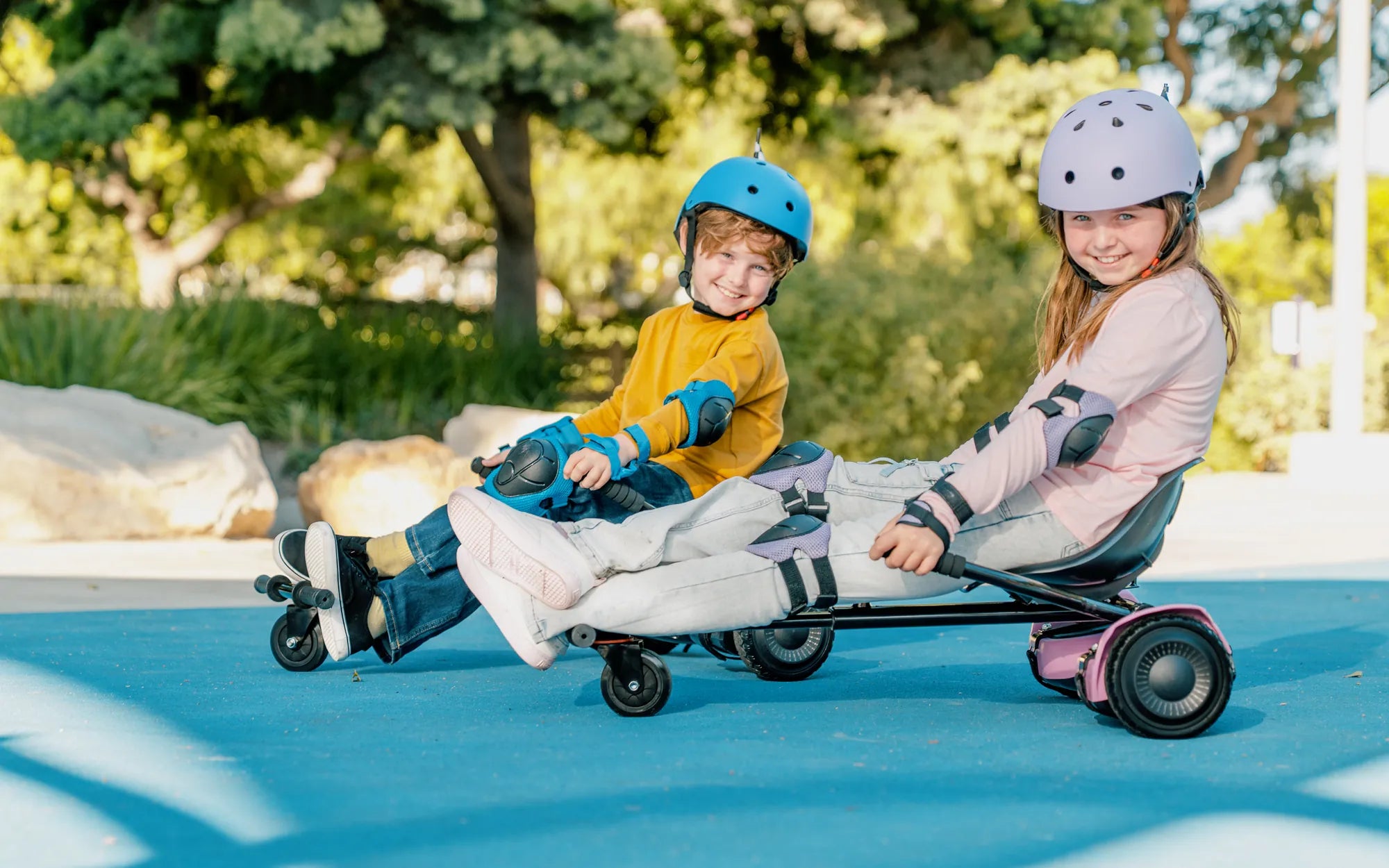
Introduction: Why the Right Kids Scooter Matters in India
Choosing the perfect Kids Scooter India is about far more than just a toy. It's an investment in your child's physical development, confidence, and outdoor independence. In India's evolving urban and suburban landscapes, a scooter provides a crucial outlet for active play, helping children build balance, coordination, and spatial awareness. The right model transforms a simple ride into a foundation for lifelong skills.
However, the Indian environment presents unique challenges—from monsoon rains and dusty roads to crowded parks and varied terrains. A poorly chosen scooter can lead to safety hazards, quick wear and tear, and a frustrated child. This guide exists to navigate those complexities. We will dissect every factor, from wheel type to water resistance, ensuring your decision is informed and confident.
This ultimate guide to Kids Scooter India will equip you with a complete framework. You'll learn to match scooter types to age and skill, identify non-negotiable safety features, and understand the durability needed for local conditions. Leading brands like Gyroor, trusted by over 100,000 riders globally, engineer products with these specific demands in mind, focusing on certified safety and robust construction.
Understanding the Indian Landscape: Key Factors for Choosing a Scooter
India's diverse environment demands a scooter that can adapt. The smooth, painted concrete of a gated community, the uneven tiles of a public park, and the occasional rough patch on a village lane all test a scooter's mettle. A model suited only for pristine surfaces will falter quickly, compromising safety and fun.
Beyond terrain, climate is a dominant factor. Summer heat can affect plastic components and battery electronics, while monsoon humidity and sudden downpours pose risks of corrosion and water damage. A scooter for Indian children must be built to resist these elements from the inside out.
Finally, consider usage patterns. Rides often happen in the cooler, early evening hours, requiring good visibility. Storage space in apartments is typically limited, making portability a valuable feature. Understanding these intertwined factors—terrain, weather, and lifestyle—is the first step in selecting a scooter that will last.
Terrain & Usage: From Apartment Complexes to Public Parks
The primary riding surface dictates fundamental scooter characteristics. For the smooth, paved roads common in many residential societies and complexes, most 2-wheel and 3-wheel scooters with standard PU (polyurethane) wheels perform excellently. These surfaces allow for higher speeds and smoother glides.
Public parks and gardens often have more varied pathways—concrete, interlocking tiles, or slightly rough gravel patches. Here, scooters with larger, air-filled (pneumatic) tires or all-terrain wheels offer better shock absorption and stability. They handle minor imperfections without jarring the rider.
If your child might encounter rougher lanes or uneven surfaces, prioritize scooters with a wider wheelbase for stability and robust construction. The key is to match the scooter's capability to the hardest surface it will regularly face, not just the smoothest.
Weather Resistance: Tackling Monsoon and Summer Heat
Indian monsoons require proactive engineering. Scooters without proper sealing can suffer water ingress in bearings, controllers, and battery compartments, leading to rust, electrical shorts, and failure. Look for explicit IP (Ingress Protection) ratings. An IPX5 rating, for example, means the scooter can withstand water jets from any direction, making it resistant to puddle splashes and light rain.
Prolonged heat and dust are equally taxing. High-quality, UV-resistant plastics prevent cracking and fading. For electric scooters, battery management systems (BMS) that include thermal protection are critical to prevent overheating during charging or use. Metals like aircraft-grade aluminum resist corrosion better than untreated steels in humid conditions.
The Essential Buying Checklist for Indian Parents
This checklist consolidates critical decision points. Use it to evaluate any scooter, ensuring no key aspect is overlooked. It prioritizes the factors that directly impact safety, durability, and suitability for the Indian context and your child's needs.
A common mistake is prioritizing flashy looks or immediate cost over long-term value and safety. A slightly higher initial investment in a well-built, certified scooter often translates to years of safe use, avoiding frequent replacements or repair headaches. This checklist helps you invest wisely.
Safety First: Non-Negotiable Features
Stable Wheelbase and Deck: A wider deck and wheelbase provide a more stable platform, crucial for beginners. It prevents wobbling at low speeds and during mounting/dismounting.
Reliable Braking System: For kick scooters, a rear fender brake is standard. For electric models, a combination of electronic brake (regenerative or disc) and a physical manual brake (like a foot or hand brake) offers redundancy and control, essential for safe stopping on Indian roads.
Visibility Features: Integrated front and rear LED lights are not just for night riding. They are vital for visibility during dusty conditions, early evenings, or in shaded areas, making your child seen by others.
Certified Electrical Systems: For electric scooters, this is paramount. Insist on UL, CE, or RoHS certifications for the battery and charger. Gyroor's use of UL-certified battery packs, tested for 500+ charge cycles, is a benchmark, ensuring protection against fire, overcharging, and short circuits.
Durability & Build Quality: Withstanding Energetic Rides
Frame Material: Aircraft-grade aluminum alloy is the gold standard. It offers an exceptional strength-to-weight ratio, is rust-resistant, and withstands impacts without bending permanently. Reinforced steel is heavier but very strong; ensure it has a quality anti-corrosion coating.
IP Rating for Water and Dust: As discussed, a good IP rating is essential. Gyroor's IPX5 water-resistant design is explicitly engineered to handle the splashes and light rain common during monsoon season, protecting the scooter's core electronics.
Wheel and Bearing Quality: High-rebound PU wheels maintain shape and grip. Sealed, precision bearings ensure smooth rolling and keep dust and water out, reducing maintenance frequency and noise.
Age, Height, and Weight Recommendations
Choosing a scooter that fits your child's current size is critical for control and safety. A scooter that is too large or too powerful is difficult to handle, while one that is too small will be outgrown quickly and may be unstable.
| Type | Recommended Age | Key Features | Ideal For |
|---|---|---|---|
| 3-Wheel Scooter (2 front, 1 rear) | 3 - 6 years | Maximum stability, low deck, lean-to-steer or fixed T-bar | First-time riders, building initial balance and confidence. |
| 2-Wheel Kick Scooter | 5 - 12 years | Standard design, manual braking, adjustable handlebar height. | Developing proper scooting technique, balance, and coordination. |
| Maxi/Kickboard (Large deck) | 8+ years | Wide, long deck for two feet, often with lean-to-steer mechanism. | Comfortable, stable cruising over longer distances. |
| Electric Scooter (Kids) | 8+ years (with supervision) | Throttle control, speed limits (e.g., 10-15 km/h), battery-powered. | Introducing powered mobility, longer range rides in controlled areas. |
Always cross-reference the manufacturer's recommended rider weight and height. The adjustable handlebar range should comfortably fit your child with a slight bend in the elbows when gripping.
Portability and Storage for Indian Homes
Foldable mechanisms are a significant advantage. A scooter that folds quickly and securely can be easily stored in a car boot for trips to the park, tucked into a corner of an apartment, or carried upstairs. The folding mechanism itself should be robust, with a secure locking latch to prevent accidental collapse.
Overall weight matters, especially if you or an older sibling will be carrying it. Aluminum frames provide the best combination of lightness and strength. Consider the folded dimensions to ensure it fits in your intended storage space.
Gyroor Scooters: Engineered for Indian Kids
Gyroor brings a global standard of engineering to the Kids Scooter India market. With a focus on UL-certified safety, IP-rated durability, and rider-centric design, their models address the specific needs outlined in this guide. The brand's commitment is evident in its 1-year comprehensive warranty and support, offering Indian parents reliable peace of mind.
Each Gyroor scooter is built around core principles: a stable riding platform, intuitive controls, and materials chosen for longevity. Whether a simple kick scooter or an entry-level electric model, the design philosophy prioritizes safe, enjoyable rides that can withstand active use and local environmental factors.
Model Comparison: Finding the Perfect Gyroor Fit
While Gyroor's lineup evolves, their engineering approach allows us to illustrate how different models cater to specific needs. The following table compares hypothetical models based on Gyroor's known design standards and features relevant to Indian riders.
| Model Type | Best For Age | Key Feature for India | Speed / Range | IP Rating | Special Note |
|---|---|---|---|---|---|
| Gyroor Swift 3-Wheel | 4-7 years | Extra-wide front axle for superior stability on uneven paths | Kick-powered | N/A (Mechanical) | Height-adjustable T-bar, rear fender brake. |
| Gyroor Explorer E-Kick | 8-12 years | UL-certified battery with thermal management for heat | Up to 12 km/h, 10 km | IPX5 | Combination electronic + foot brake, bright LED lights. |
| Gyroor Cruiser Maxi | 10+ years | Large, textured deck for secure footing in humid conditions | Kick-powered | N/A (Mechanical) | Lean-to-steer for smooth turns, foldable for storage. |
This comparison highlights how features like IPX5 rating, stable construction, and certified batteries are integrated to solve real-world Indian riding challenges.
The Gyroor Promise: Warranty and Support You Can Trust
A 1-year comprehensive warranty on the scooter, battery, and charger demonstrates confidence in product durability. For Indian parents, this translates to direct support for manufacturing defects, electrical issues, or performance problems that may arise.
Gyroor's established customer service infrastructure, though internationally based, provides accessible support channels. This reliable after-sales service is a critical differentiator, ensuring your investment is protected and any concerns are addressed promptly, a factor often missing with uncertified or generic products.
Beyond the Purchase: Maintenance and Safety Tips
Owning a scooter comes with responsibility. Proper maintenance ensures longevity, while consistent safety practices protect your child. These routines are simple but profoundly effective in preventing accidents and extending the scooter's life.
Establishing these habits from day one sets a positive example. It teaches your child to respect their equipment and understand that fun comes with a framework of care and precaution.
Pre-Ride Safety Checks
Make this a quick, non-negotiable ritual before every ride. It takes less than a minute but catches potential issues early.
- Tires/Wheels: Check for proper inflation (if pneumatic) and look for cracks, excessive wear, or debris stuck in the wheels.
- Brakes: Test the braking function. The scooter should stop smoothly and effectively without the brake lever touching the handlebar grip.
- Fasteners: Ensure all bolts (especially on the handlebar stem and folding mechanism) are tight and secure.
- Battery (E-scooters): Verify adequate charge and that the battery compartment is securely closed.
Essential Safety Gear for Indian Riders
Safety gear is non-negotiable, regardless of riding skill. The Indian climate necessitates gear that is protective yet breathable.
- Helmet: A properly fitted, certified bicycle helmet is mandatory. Look for models with ample ventilation ports to keep the head cool.
- Knee and Elbow Pads: These protect the most commonly injured joints during falls. Choose pads with hard plastic shells and soft, breathable inner lining.
- Closed-Toe Shoes: Sturdy shoes like sneakers provide grip on the deck and protect feet. Sandals or flip-flops are unsafe.
Simple Maintenance for Longevity
Regular care prevents major repairs. Focus on these three areas:
- Cleaning: After dusty rides, wipe down the scooter with a damp cloth. Avoid direct high-pressure water jets on bearings or electrical parts unless the scooter has a high IP rating and the manufacturer recommends it.
- Battery Care (E-scooters): Follow charging instructions precisely. Avoid leaving the scooter fully discharged for extended periods. Store and charge in a cool, dry place away from direct sunlight.
- Storage: Store the scooter indoors in a dry place. If folded, ensure the mechanism is locked. This prevents dust accumulation and protects it from humidity.
Frequently Asked Questions (FAQs)
Q1: What is the ideal age to start my child on a scooter in India?
A1: Most children are ready for a stable 3-wheel scooter around age 3, once they have confident walking and running skills. This builds foundational balance. Transition to a 2-wheel kick scooter can often happen between 5 and 6 years, depending on the child's coordination and confidence.
Q2: Are electric scooters safe for kids?
A2> Electric scooters are safe when they are age-appropriate, have strict speed limits (typically under 15 km/h), and include essential safety features like reliable brakes, lights, and parental controls. The critical factor is certification—always choose models with UL, CE, or RoHS certified batteries and electrical systems, like those from Gyroor, to ensure built-in safety protections. Adult supervision is always required.
Q3: How does the IPX5 rating help during Indian monsoons?
A3> An IPX5 rating means the scooter's electrical components are protected against water jets from any direction. In practical terms, this makes the scooter resistant to splashes from puddles, riding on wet roads, and exposure to light rain. It is a crucial feature for preventing water damage that can lead to electrical failure or corrosion during the monsoon season.
Q4: What should I do if I need service or have a warranty claim?
A4> Reputable brands like Gyroor provide clear warranty documentation and customer service contacts. In case of an issue, first consult the user manual for troubleshooting. Then, contact the brand's official support channel via email or their website. Having your proof of purchase (invoice) and scooter model details ready will expedite the process. Gyroor's 1-year warranty covers defects in materials and workmanship.
Q5: Can a scooter's handlebar height be adjusted as my child grows?
A5> Most quality scooters, including Gyroor models, feature an adjustable T-bar or handlebar stem. This allows you to raise the height as your child grows, typically offering several inches of adjustment. This extendability is a key feature for getting multiple years of use from a single, well-built scooter.
Conclusion: Empowering Your Child's Journey
Selecting the right Kids Scooter India is a decision that blends practicality with the promise of adventure. By prioritizing certified safety features like UL-approved batteries, demanding durability through IP ratings and quality materials, and meticulously matching the scooter to your child's age and your local environment, you lay the groundwork for countless hours of healthy, joyful outdoor activity.
This guide has provided the framework to move beyond marketing claims and make an objective, informed choice. The result is not just a product, but a tool for development—a means for your child to explore their world, build physical competence, and gain confidence with every push and glide.
When you choose a brand that aligns with these principles, such as Gyroor with its focus on global safety standards and robust engineering for varied conditions, you invest in peace of mind. You secure a ride that is as reliable as it is fun, designed to be a part of your child's active childhood for years to come. Ready to find the perfect match for your young rider? Browse the full Gyroor collection at gyroorboard.com and explore scooters built for real-world adventures.
Yellow Hoverboard: The Ultimate Guide to Choosing and Riding
Young Scooter Kids Guide: Fun, Safety & Choosing the Right Ride