

Navigating the Kids Scooter Market in South Africa
Finding the right first vehicle for your child in South Africa involves more than just picking a colorful toy. It requires careful consideration of safety, durability, and suitability for local environments. This guide is designed to cut through the noise and provide parents with a clear, actionable roadmap.
We will explore how a scooter can foster healthy outdoor activity, the critical safety features you cannot compromise on, and how to match a model to your child's age and skill level. As a leader in personal electric transport, Gyroor brings its expertise in UL-certified battery safety and robust design to the kids' market, offering options that parents can trust. This is your ultimate resource for making an informed, confident decision on a kids scooter South Africa families will rely on for years.
Why a Scooter is a Fantastic Choice for South African Kids
In an era dominated by screens, a scooter offers a compelling reason for children to engage in outdoor play. The physical benefits are significant: riding develops core strength, improves cardiovascular health, and enhances gross motor skills like balance and coordination. This active play is crucial for healthy development and can be seamlessly integrated into a South African lifestyle blessed with abundant sunshine.
Beyond health, scooters provide a tangible sense of independence and freedom. They enable eco-friendly mobility for short trips to a friend's house, the local park, or the corner shop. This fosters responsibility and spatial awareness in a controlled way. For families, it encourages shared outdoor activities, from a weekend ride along the promenade to exploring safe, car-free community spaces.
The social and practical advantages are also key. A scooter is a social catalyst, helping kids connect with peers in the neighborhood. It's a cost-effective and space-efficient transport solution compared to bicycles, often requiring less storage and being easier for younger children to manage. For the South African context, a well-chosen scooter can handle everything from suburban pavements to weekend outings, making it a versatile investment in your child's happiness and activity levels.
Key Safety Features Every Parent Must Look For
Safety is the non-negotiable foundation of any kids scooter purchase. The first and most critical component is the braking system. Look for models with a reliable rear fender brake (activated by stepping down) and, for older or more advanced riders, a supplementary hand brake. This dual-brake capability provides essential stopping power and control, especially on slight inclines.
Construction quality directly impacts safety and longevity. The scooter should have a sturdy, welded frame—typically from aircraft-grade aluminum—that does not wobble. All folding mechanisms and handlebar clamps must have a secure, positive lock to prevent accidental collapse during use. The deck should feature a pronounced, non-slip surface to ensure stable footing.
For electric scooters, battery and electrical safety are paramount. This is where brands like Gyroor set the standard. Insist on scooters with UL-certified or similarly internationally recognized battery packs. These undergo rigorous testing for overcharge protection, short-circuit prevention, and thermal stability. A good water-resistance rating (at least IPX4, with IPX5 being ideal for unexpected puddles or coastal humidity) protects the electrical components.
Finally, consider the design elements that enhance safe operation. Wide, durable wheels (preferably air-filled for older kids) provide better stability and shock absorption on uneven surfaces. Adjustable handlebars that lock securely at the correct height promote an ergonomic, controlled riding posture. Reflective stickers or elements are a valuable addition for visibility during dusk rides.
Choosing the Right Scooter by Age and Skill Level
Selecting a scooter that matches your child's developmental stage is crucial for both safety and enjoyment. A scooter that is too advanced can be intimidating and dangerous, while one that is too basic will be quickly outgrown. The following data-driven guide breaks down the key considerations by age group.
Ages 2-4 (Toddlers): Stability is Key
For toddlers, the primary goal is building confidence through stability. Three-wheel scooters, particularly those with two wheels at the front (a lean-to-steer design) or a stable triangular configuration, are ideal. This design offers maximum balance, preventing tip-overs as they learn to coordinate pushing and steering.
These scooters should be very lightweight, allowing a small child to maneuver them easily. The deck must be low to the ground to ensure they can step on and off safely. Look for a weight limit of around 20kg. At this stage, it's purely about fun and foundational skill development; speed or complex features are unnecessary.
Ages 5-8 (Beginners to Confident Riders): Building Skills
This is the most common starting age for traditional two-wheel kick scooters. The transition from three wheels teaches dynamic balance. The most important feature here is an easily adjustable handlebar height that can grow with your child, ensuring a proper riding posture for several years.
Wheel size typically increases to 120mm-150mm, offering a smoother ride over pavement cracks and small obstacles. Scooters in this category should have a robust but not overly heavy frame, with a weight capacity of 50-65kg. A reliable rear brake is essential, as children at this stage start to ride with more speed and purpose.
Ages 9+ (Advanced Young Riders): Performance and Durability
Older children and pre-teens require scooters built for more rigorous use. Full-size kick scooters with larger, air-filled (pneumatic) tires are excellent for absorbing shocks from rougher terrain. These models feature stronger construction, higher weight limits (up to 100kg), and often more responsive steering and braking systems.
For this age group, entry-level electric scooters become a consideration under strict parental supervision. Any electric model must have a speed limiter (capped at 15-20 km/h for beginners), a robust braking system, and the highest safety certifications. The focus shifts from pure play to practical mobility and skill refinement, requiring a durable, reliable machine.
| Age Group | Scooter Type | Key Features | Ideal Wheel Size | Max Weight Guide |
|---|---|---|---|---|
| 2-4 Years | 3-Wheel (Front Stable) | Lean-to-steer, low deck, very light | 100-120mm | ~20 kg |
| 5-8 Years | 2-Wheel Kick Scooter | Adjustable handlebars, rear brake, durable | 120-150mm | 50-65 kg |
| 9+ Years | Full-Size Kick / Entry E-Scooter | Pneumatic tires, strong frame, speed limiter (e-scooter) | 200mm+ / 6-8 inch | 80-100 kg |
The Gyroor Advantage: Engineered for Peace of Mind in SA Conditions
Choosing a kids scooter South Africa parents trust means selecting a brand that designs for real-world conditions. Gyroor, trusted by over 100,000 riders globally, translates its expertise in adult electric mobility into core advantages for younger riders. Their approach is built on engineering for peace of mind, which aligns perfectly with parental priorities.
The cornerstone of this trust is battery safety. Gyroor utilizes UL-certified battery packs in its relevant models, tested for over 500 charge cycles. This certification is a critical safeguard against overheating and potential fire hazards—a primary concern for any parent charging a device overnight. It's a benchmark that separates reputable brands from generic options.
South Africa's diverse climate—from coastal humidity to the dusty Highveld and sudden summer thunderstorms—demands resilience. Gyroor's IPX5 water-resistant rating on key models means the scooter can withstand water jets from any direction. This protects the electrical components not just from rain, but from splashes through puddles and the inevitable post-beach clean-down, ensuring longevity.
Finally, the comprehensive 1-year warranty provides tangible long-term value and support. It signals confidence in the product's durability and offers a safety net for manufacturing defects. For parents, this means the investment is protected, and the focus can remain on fun and activity, not worrying about premature failure or lack of support.
Essential Gear: Beyond the Scooter
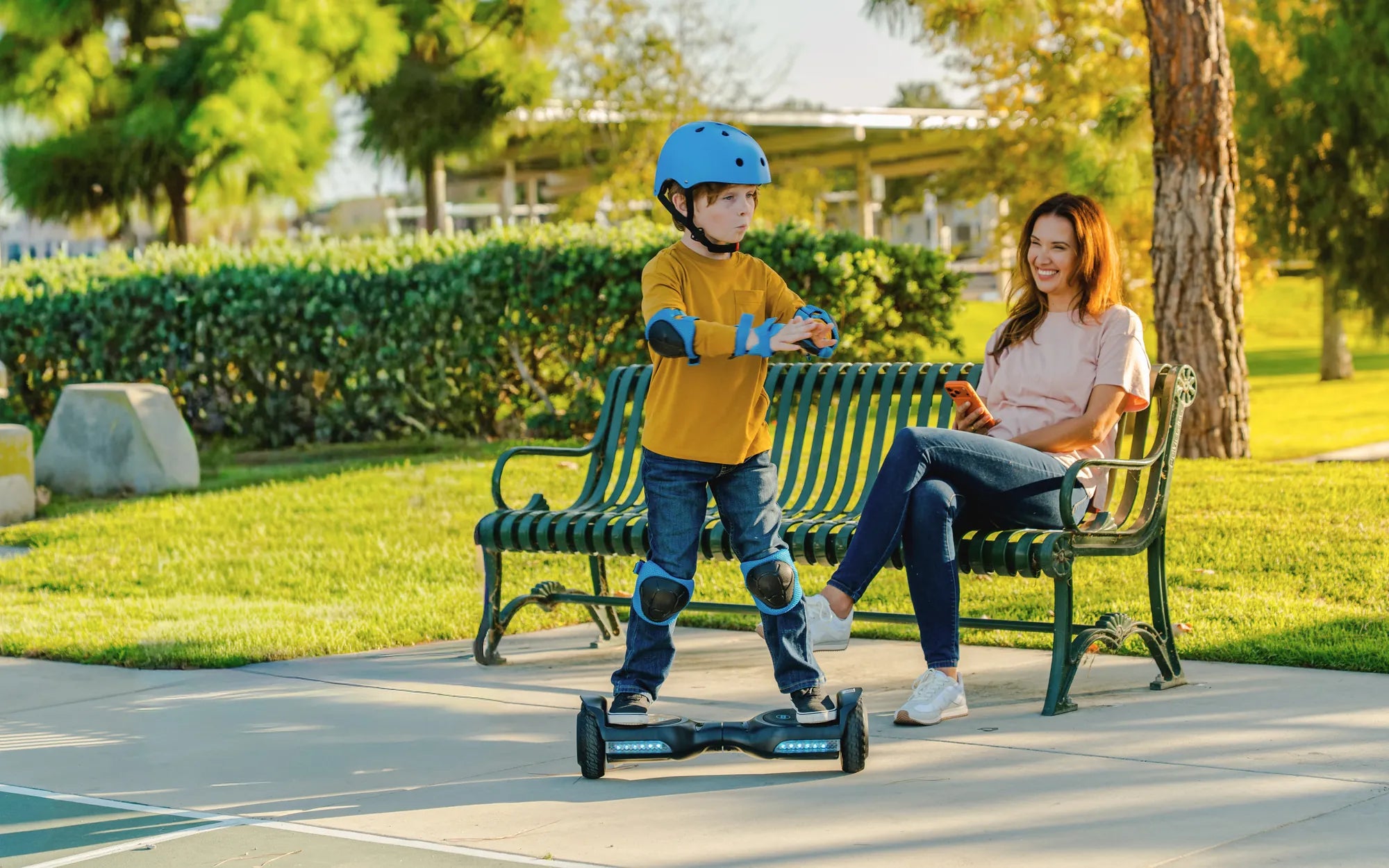
The scooter itself is only one part of the safety equation. Proper protective gear is an absolute necessity, not an optional extra. A certified, properly fitted helmet is the single most important piece of equipment. It must sit level on the head, covering the forehead, and the straps must form a snug "V" under the ears. Replace any helmet after a significant impact.
For beginners and younger children, knee and elbow pads are highly recommended. These protect vulnerable joints during inevitable tumbles while learning. Look for pads with hard plastic caps, secure straps, and comfortable lining. Durable, closed-toe shoes with good grip (like trainers) are also essential to protect feet and provide stable footing on the deck.
Enhancing visibility is a crucial, often overlooked aspect. Consider adding reflective stickers to the scooter's frame or deck. For rides extending into dusk, a reflective vest or clothing with reflective strips dramatically increases a child's visibility to motorists. This simple step significantly improves safety in low-light conditions common during early evening play.
Maintenance Tips to Ensure Longevity and Safety
Regular, simple maintenance keeps a scooter safe and extends its lifespan. A weekly pre-ride check should become a habit. Firmly grasp the handlebars and try to wiggle them; there should be no play. Check that the folding mechanism (if present) is fully locked and that all visible bolts, especially on the stem and wheels, are tight.
Tire care is vital for ride quality and safety. For air-filled tires, maintain the recommended PSI (usually printed on the tire sidewall) using a bicycle pump. Under-inflated tires make riding harder and increase wear. For solid rubber tires, regularly inspect them for deep cuts, excessive wear, or chunks missing. Clean the wheels and deck regularly, especially after riding on sandy or dusty paths, to prevent grit from damaging bearings.
For electric scooters, proper battery care is paramount. Follow the manufacturer's charging instructions precisely. Avoid leaving the scooter plugged in indefinitely after a full charge. Store the scooter and its battery in a cool, dry place, away from direct sunlight. If the scooter won't be used for an extended period, store the battery at a partial charge (around 50-60%).
Lubrication is also key. Apply a small amount of bicycle chain lubricant or light machine oil to the folding mechanism's moving parts and the brake lever pivots every few months to prevent squeaking and ensure smooth operation. Avoid over-oiling, as this can attract dirt.
Frequently Asked Questions (FAQs) for South African Parents
Q: What age can my child start riding a scooter?
A: Children as young as 2 can start on stable 3-wheel scooters designed for toddlers. The average age for starting on a standard two-wheel kick scooter is between 4 and 5, depending on the child's coordination and confidence. Always follow the manufacturer's recommended age and weight guidelines.
Q: Are the scooters suitable for our rough pavements and roads?
A> Scooters with larger, air-filled (pneumatic) tires are best for rough surfaces as they absorb shocks effectively. For very young children on three-wheelers, stick to smooth, flat areas like driveways or tennis courts. As they graduate to two-wheelers with larger wheels, they can handle mild pavement imperfections. Always inspect your intended riding route for major hazards.
Q: How does the warranty work in South Africa?
A> Reputable brands and their official distributors, like Gyroor, honor the manufacturer's warranty through local service channels. The 1-year comprehensive warranty typically covers defects in materials and workmanship. Keep your proof of purchase (invoice) safe. In case of an issue, you would contact the point of purchase or the brand's official local support for assessment and repair or replacement.
Q: Is an electric scooter safe for my child?
A> Electric scooters can be safe for older, responsible children (typically 9+) under strict parental supervision and with the right model. Safety hinges on choosing a scooter with a speed limiter, robust brakes (disc or electronic plus mechanical), a stable platform, and high safety certifications (UL, CE). Comprehensive safety instruction and mandating helmet use are non-negotiable.
Q: Where are the best, safest places for my child to practice?
A> Start in a completely traffic-free, smooth, and flat environment like a private driveway, empty parking lot (on a weekend), a school playground, or a smooth-path park. As skills improve, quiet suburban sidewalks with good visibility can be used. Always avoid roads with traffic, steep hills, wet or sandy surfaces, and areas with heavy pedestrian traffic initially.
Ready, Set, Roll Towards Fun and Freedom
Choosing the perfect kids scooter South Africa style is an investment in your child's health, happiness, and independence. By prioritizing certified safety features, matching the scooter to your child's age and ability, and committing to proper gear and maintenance, you set the stage for countless hours of safe, outdoor fun. The benefits—from improved coordination to the simple joy of zooming down a path—are immense.
A scooter from a trusted brand like Gyroor, engineered with UL-certified batteries, water-resistant builds, and backed by a solid warranty, provides the durable foundation this adventure requires. It’s a tool that encourages exploration, builds confidence, and gets children actively engaging with the world around them under the South African sun.
Now that you're equipped with the knowledge to make the best choice, it's time to explore options that align with these principles. For a range of scooters built with the safety, durability, and performance that South African families need, browse the full Gyroor collection at gyroorboard.com. Find the model that will kickstart your child's next great adventure.
Kids Scooter 10+: The Ultimate Guide to Choosing the Perfect Ride
2 Wheel Balancing Electric Scooter: The Future of Urban Mobility