

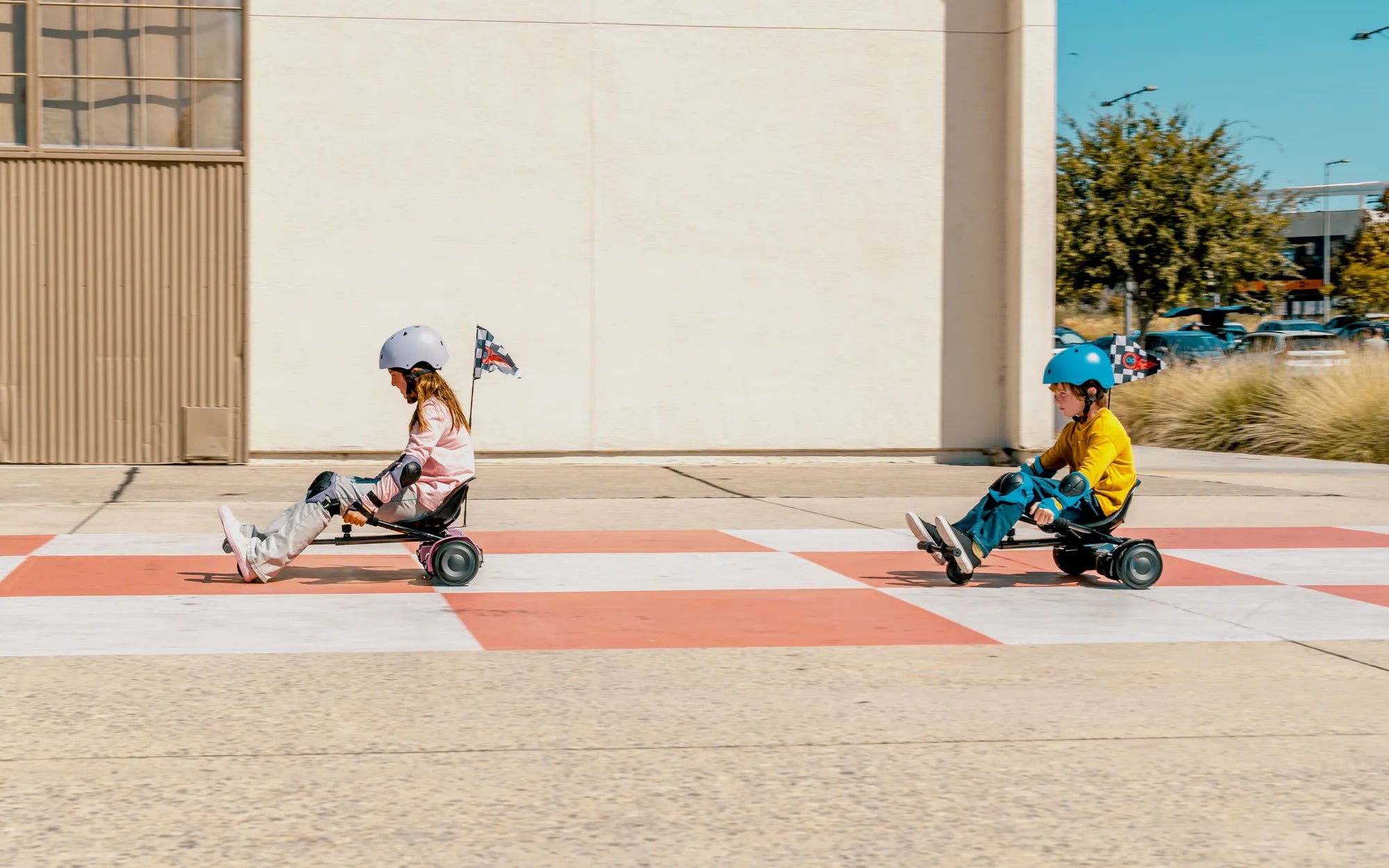
Introduction: Why a Scooter with a Seat and Handle is a Game-Changer
Choosing the right first ride-on toy for your child involves balancing fun, safety, and developmental value. The traditional kick scooter can be intimidating for toddlers, while a simple ride-on car offers limited growth potential. This is where the kids scooter with seat and handle emerges as a uniquely versatile solution. It’s a hybrid vehicle that evolves with your child, functioning first as a stable seated ride-on, then as a balance bike trainer, and finally as a first stand-up scooter.
This guide will provide parents with a data-driven framework for understanding this product category. You’ll learn the key benefits that extend beyond simple play, discover the non-negotiable safety and durability features, and get a clear checklist for making an informed purchase. We’ll also explore how leading brands like Gyroor engineer these scooters for real-world use, ensuring your investment delivers years of safe, confidence-building adventure.
Key Benefits: More Than Just a Toy
A kids scooter with seat and handle is a developmental tool disguised as a toy. The primary advantage is its role in building gross motor skills and coordination. The act of propelling themselves forward, whether seated or standing, strengthens leg muscles and improves overall balance. The stable handlebar provides a secure point of contact, reducing fear and encouraging independent exploration much earlier than a traditional two-wheel scooter might allow.
From a practical parenting perspective, this design offers significant advantages. The adjustable nature of the seat and handlebars means the scooter can typically be used from around age 18 months up to 5 or 6 years, representing a much longer usable lifespan than a single-stage toy. This adjustability delivers exceptional value. Furthermore, the handle allows parents to guide and assist without constant bending over, making walks and park visits more enjoyable for everyone.
Psychologically, it builds confidence through graduated challenges. A child can start by sitting and using their feet to scoot, mastering steering and braking in a secure position. As their confidence grows, they can raise the seat or remove it entirely, transitioning to a standing scooter at their own pace. This self-directed progression fosters a sense of achievement and independence.
What to Look For: A Parent's Buying Checklist
Navigating the market requires a focus on specifications that impact safety, longevity, and usability. Don’t be swayed by flashy colors alone; the underlying build quality is what determines if a scooter will survive daily use and keep your child safe.
Safety First: Non-Negotiable Features
Safety is the paramount concern. First, examine the wheelbase and stability. A wider wheelbase (the distance between the front and rear axles) prevents tipping. Look for a scooter with a low center of gravity, especially in the seated configuration. The seat itself must be securely attached with a robust mounting system and should have adequate padding for comfort during extended play.
The braking system is critical. Most models use a simple rear fender brake, where the child presses down on the rear fender with their foot. Test that this mechanism is responsive and not overly stiff. The handlebars should have non-slip grips and end caps to protect little hands. Ensure all components meet recognized safety standards like ASTM F963, which covers mechanical and physical hazards in toys.
Growth & Adjustability: Maximizing Your Investment
The core value proposition of a kids scooter with seat and handle lies in its adjustability. You need both an adjustable seat post and adjustable handlebars. Look for tool-free or easy-adjust mechanisms using pins or quick-release clamps so you can adapt the scooter in seconds as your child grows.
Check the stated height ranges. A quality scooter will accommodate a range from about 30 inches to 44 inches in height, covering multiple growth years. The seat should adjust independently from the handlebar to find the perfect ergonomic position whether seated or standing.
| Child's Height (Approx.) | Recommended Seat Height | Recommended Handlebar Height | Typical Age Range |
|---|---|---|---|
| 30" - 34" | 10" - 12" | 20" - 22" | 18 mos - 2.5 yrs |
| 34" - 38" | 12" - 14" | 22" - 24" | 2.5 yrs - 4 yrs |
| 38" - 44" | 14"+ (or removed) | 24" - 28" | 4 yrs - 6 yrs |
Build Quality & Durability: Withstanding Kid-Powered Adventures
Frame material is the foundation of durability. Aircraft-grade aluminum alloys offer the best strength-to-weight ratio, resisting bends and cracks. Heavy-duty plastic composites can be acceptable for key components if reinforced. Avoid flimsy, thin-gauge metal.
Wheels are a high-wear component. Larger, air-filled (pneumatic) tires provide a smoother ride over cracks and bumps but require occasional inflation. Solid PU (polyurethane) wheels are maintenance-free but offer a slightly harder ride. High-quality, sealed bearings (often rated ABEC-5 or higher) ensure smooth rolling and require less pushing effort from your child. Always verify the manufacturer's stated maximum weight capacity, which should comfortably exceed your child's current weight.
Spotlight on Gyroor: Engineered for Young Riders
Gyroor brings its expertise in personal electric mobility to the kids' category, applying the same engineering rigor to non-motorized scooters. As a brand trusted by over 100,000 riders across North America and Europe for its UL-certified batteries and robust designs, Gyroor's approach to kids' scooters focuses on safety, durability, and thoughtful design that supports developmental play.
Gyroor's Safety-Centric Design Philosophy
Gyroor's commitment to safety, evidenced in their UL-certified electric scooter batteries, translates to a holistic view of product integrity. Their kids' scooters often feature reinforced handlebar stems with dual locking mechanisms to prevent accidental collapse, a critical safety feature. The frame geometry is designed for a low center of gravity in seated mode, dramatically enhancing stability for beginners. Braking systems are tested for consistent, progressive stopping power to prevent jarring locks.
Attention to detail extends to rounded edges, burr-free welding points on metal frames, and non-toxic, child-safe finishes on all surfaces. This philosophy ensures that every interaction with the scooter is as safe as possible, giving parents peace of mind.
Built to Last: The Gyroor Durability Promise
Durability is where engineering excellence shines. Gyroor designs its products for real-world use. Features like IPX5-rated water resistance on relevant components mean the scooter can handle wet sidewalks, morning dew, or accidental puddles without corrosion or bearing damage setting in prematurely. The frames are stress-tested to withstand the dynamic loads of active play.
This durability is backed by a reliable 1-year comprehensive warranty and accessible US-based customer support. This support structure protects your investment against manufacturing defects and ensures you have help if a part wears out, making a Gyroor scooter a purchase meant to last through multiple childhood stages, not just a single season.
Making the Right Choice: Age, Stage, and Personality
Selecting the perfect kids scooter with seat and handle requires matching the product to your child's unique development. A one-size-fits-all approach doesn't work for active play equipment.
For the cautious toddler (18-30 months), prioritize ultimate stability. Look for a scooter with a very wide wheelbase, a low, padded seat, and a handlebar they can grip easily. The goal is to build confidence through secure, seated play. For the active preschooler (3-4 years) ready to transition, adjustability is key. They will quickly move from seated scooting to wanting to stand. A model with a simple seat removal process and a handlebar that raises sufficiently is ideal.
Compare this hybrid to alternatives: A traditional kick scooter has a steeper learning curve and is best for kids who have already mastered balance, typically around age 5+. A balance bike excels at teaching balance but doesn't offer the seated, handlebar-supported starting phase or transform into a scooter. The 3-in-1 scooter's versatility often makes it the most cost-effective and developmentally supportive choice for the 18-month to 5-year range.
In-Depth Comparison: Key Models and Features
To make an informed decision, it helps to compare general model types based on the criteria we've established. The table below contrasts common configurations.
| Feature / Model Type | Basic 3-Wheel Sit-to-Stand Scooter | Premium Adjustable Aluminum Scooter | Plastic-Composite Lightweight Model |
|---|---|---|---|
| Best For Age | 1.5 - 4 years | 2 - 6+ years | 2 - 5 years |
| Frame Material | Steel or Plastic | Aircraft Aluminum | Reinforced Plastic |
| Key Advantage | Low cost, simple | Durability, long lifespan | Very light, easy for child to carry |
| Potential Drawback | May become too small quickly; less robust | Higher initial investment | Lower weight capacity; less stable in wind |
| Adjustability | Limited, often tool-based | Extensive, often tool-free | Moderate |
| Ideal Child Personality | Casual rider, younger toddler | Active, adventurous, or multiple siblings | Child who prefers to frequently transport their own toy |
Safety, Maintenance, and Riding Tips
Owning a kids scooter with seat and handle comes with the responsibility of proper setup and supervision. Always assemble the scoter exactly according to the manufacturer's instructions, double-checking that all bolts are tight and locking mechanisms are engaged before the first ride. A helmet is non-negotiable for scooter riding, regardless of the child's skill level. Elbow and knee pads are highly recommended for beginners.
Establish ground rules: ride on smooth, flat surfaces like sidewalks or paved paths away from traffic; avoid hills until expert-level control is demonstrated; and always be aware of pedestrians. For maintenance, perform a quick safety check every few weeks: tighten fasteners, check brake pad wear, ensure wheels spin freely without wobble, and inspect for any cracks or stress points in the frame. Wipe down the scooter with a damp cloth to prevent dirt buildup in moving parts.
FAQ: Your Top Questions, Answered
Q: What is the ideal age range for a scooter with a seat?
A: Most children are ready between 18 months and 2 years, once they can walk steadily and have the leg strength to push themselves. The upper age limit is typically 5-6 years, depending on the scooter's maximum size adjustments and the child's transition to a two-wheeled model.
Q: Can my child use it as both a sit-down and stand-up scooter?
A> Yes, that is the core design of a 3-in-1 model. They start seated. As they grow and gain confidence, you can raise the seat height for a hybrid seated/standing posture, and eventually remove the seat entirely for a classic stand-up scooter experience.
Q: How do I ensure the scooter is the right size?
A> For seated riding, your child's feet should sit flat on the ground with a slight bend in the knee. For standing use, the handlebars should be at or slightly below waist level when the child stands on the deck. Always refer to the manufacturer's height range guidelines.
Q: Are these scooters suitable for outdoor use on sidewalks?
A> Absolutely. They are designed for paved surfaces. Look for models with larger, air-filled tires or high-quality PU wheels for a smoother ride over sidewalk cracks. Avoid rough terrain like gravel or grass.
Q: What maintenance is required?
A> Regular maintenance includes checking and tightening bolts, ensuring the brakes function properly, and keeping wheels clean. For scooters with pneumatic tires, check air pressure monthly. Periodically inspect for wear on the deck surface and wheel bearings.
Q: How does this compare to a balance bike?
A> A balance bike focuses solely on teaching balance and steering. A scooter with a seat teaches propulsion, steering, and braking, and offers a supported starting phase with the seat and handle. It also transforms, offering longer-term utility. Many children benefit from having both at different stages.
Paving the Way for Fun and Confidence
A well-chosen kids scooter with seat and handle is far more than a passing toy; it's an investment in your child's physical development, confidence, and joy of independent play. By prioritizing adjustable, safety-focused design from reputable brands, you secure a piece of equipment that will be a trusted companion for years of adventure. The key is to look beyond the initial appeal and evaluate the scooter's construction, safety features, and ability to grow alongside your child.
Brands that apply serious engineering principles, like Gyroor with its focus on UL-certified safety standards, durable IPX5-rated construction, and robust customer warranties, offer the peace of mind that allows the fun to take center stage. The right scooter doesn't just get used—it gets loved, learned on, and remembered as a foundational part of an active childhood.
Ready to find the perfect ride for your little adventurer? Explore a range of thoughtfully designed, durable options that grow with your child. Browse the full Gyroor collection at gyroorboard.com to discover scooters built for safety, longevity, and endless fun.
How Do You Turn On a Hoverboard: A Step-by-Step Guide for Beginners
Smart Electric Self Balancing Scooter: The Future of Urban Mobility