



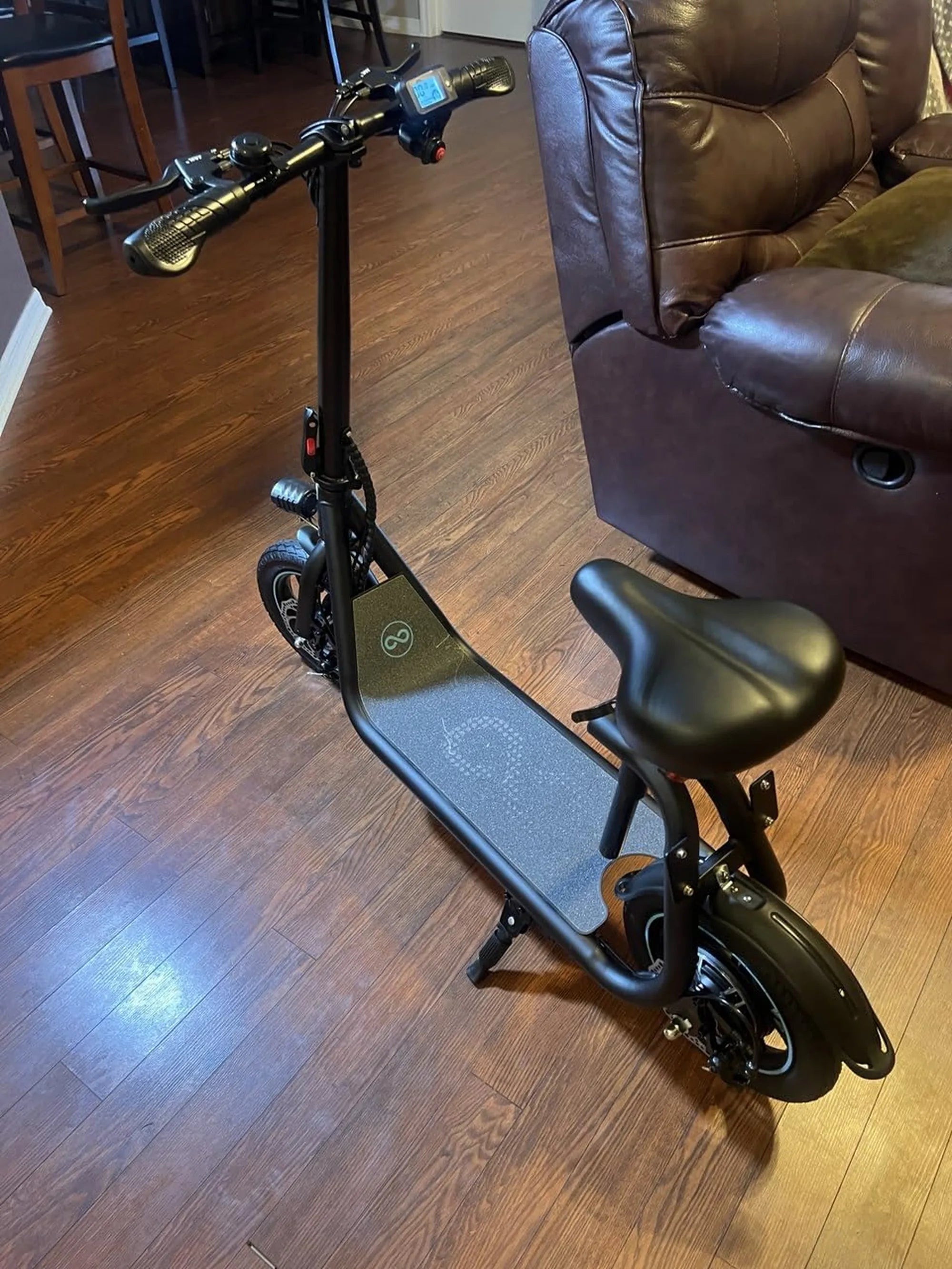
If you're a taller rider, carry heavy loads, or simply crave maximum stability and range from an electric bicycle, a large e bike is engineered for you. This guide will dissect what makes these robust machines different, from their powerful motors and extended-range batteries to their ergonomic frames designed for comfort over long distances. You'll learn how to evaluate key specifications, understand critical safety features, and identify the perfect model for your urban commute or off-road exploration.
Defining the Large E-Bike: Beyond Standard Dimensions
In the personal electric vehicle market, a large e bike is distinguished by more than just physical size. It represents a category built for enhanced performance, durability, and rider accommodation. The primary differentiators include a frame geometry designed for riders typically 6 feet and taller, wheel diameters starting at 26 inches and often reaching 27.5 or 29 inches, and increased weight capacities that frequently exceed 300 pounds.
These bikes move beyond casual recreation, positioning themselves as serious tools for daily transportation and heavy-duty use. The larger frame allows for the integration of more robust components, including high-torque motors and high-capacity battery packs that would be impractical or impossible on a smaller, standard e-bike. This fundamental design philosophy prioritizes capability and comfort over minimalism.
When comparing a standard commuter e-bike to a large e bike, the differences are immediately apparent in ride quality and intended use. A larger wheel size provides better roll-over capability for obstacles and a smoother ride on rough urban streets. The elongated wheelbase enhances high-speed stability, a critical factor for riders who regularly travel at higher assisted speeds where balance is paramount.
Brands like Gyroor, trusted by over 100,000 riders across North America and Europe, design models that cater to this need for a robust platform. Their focus on UL-certified batteries and IP-rated water resistance ensures that the increased capability of a large e bike is matched by foundational safety and durability, making it a reliable long-term investment rather than just a larger vehicle.
Core Advantages: Why Choose a Large Electric Bike?
The decision to invest in a large e bike is driven by a suite of tangible benefits that address specific rider needs. The most significant advantage is unparalleled stability. The combination of a longer wheelbase, larger wheels, and a lower center of gravity (often due to downtube-mounted batteries) creates a planted, confident feel, especially at cruising speeds or when navigating uneven terrain.
For commuters, this translates to a safer, less fatiguing ride. Superior comfort is another hallmark. Larger frames accommodate more sophisticated suspension systems, including front forks with longer travel and, in many models, full rear suspension. Paired with wide, ergonomic saddles and multiple handlebar adjustment points, these bikes are built for journeys lasting an hour or more without discomfort.
The high weight capacity is a game-changer for many users. Whether you're a heavier rider who hasn't found a comfortable fit in standard models, a parent needing to carry a child seat, or someone who uses their bike for grocery runs and cargo, a large e bike offers the structural integrity to handle it. This capability often includes integrated rear racks and reinforced frames designed for panniers and bags.
Finally, the performance envelope is expanded. The physical space allows for more powerful motors and larger batteries, directly extending your practical range and hill-climbing power. This means fewer range anxiety calculations and the ability to tackle steeper grades with ease, effectively expanding your viable travel radius and making the e-bike a true car replacement for more trips.
Motor and Drivetrain: The Heart of Performance
The propulsion system is where a large e bike truly separates itself. While standard e-bikes may feature motors from 250W to 500W, large models commonly utilize motors ranging from 750W to 1200W or even higher. This increased wattage is not solely about top speed—it's fundamentally about torque, which is the rotational force that gets you moving from a stop and powers you up hills.
A high-torque motor, often measured in Newton-meters (Nm), is essential for moving a heavier bike and rider, especially when carrying additional cargo. Motors in the 80-100 Nm range are common in performance-oriented large e bike models, providing effortless acceleration and the ability to maintain assist levels on sustained inclines where lesser motors would strain and deplete the battery rapidly.
Drivetrain compatibility is crucial. Many high-performance large e-bikes pair their powerful mid-drive or hub motors with wide-ratio gearing from brands like Shimano or SRAM. A mid-drive motor, which powers the bike's chainring, is particularly efficient for large e-bikes as it leverages the bicycle's existing gears. This allows the motor to operate in its optimal RPM range, conserving battery on flats and providing massive mechanical advantage on steep climbs.
It is vital to understand local regulations regarding motor power. In many regions, the legal limit for a bicycle classification is 750W with a top motor-assisted speed of 20 or 28 mph. Reputable brands design their systems to be compliant in key markets, offering programmable speed limits to adhere to local laws while still providing the high-torque advantage that defines a capable large e bike.
Battery Technology and Real-World Range
The extended frame of a large e bike provides the necessary real estate to house a high-capacity battery, which is the key to unlocking its long-range potential. Battery size is measured in watt-hours (Wh), calculated by multiplying voltage (V) by amp-hour capacity (Ah). Large e-bikes frequently feature batteries starting at 700Wh and can exceed 1000Wh.
A higher watt-hour rating directly translates to more potential energy. However, real-world range is influenced by numerous variables: rider weight, cargo load, terrain, wind, tire pressure, and the level of pedal assist used. A realistic estimate for a large e-bike with a 750W motor and a 840Wh battery (e.g., 48V 17.5Ah) could range from 35 miles at maximum throttle and assist on hilly terrain to 70+ miles using lower assist levels on flat pavement with consistent pedaling.
Battery safety is non-negotiable. High-capacity lithium-ion packs must be built and certified to the highest standards to mitigate risk. This is why the use of UL 2271 or UL 2849 certified battery packs, like those standard in Gyroor e-bikes, is a critical specification. These certifications involve rigorous testing for electrical, mechanical, and environmental safety, providing peace of mind that the powerful energy source powering your large e bike is fundamentally secure.
Charging and battery management systems (BMS) also play a role. A quality BMS protects against over-charging, over-discharging, and short circuits, while also balancing cell voltages to prolong the overall lifespan of the pack. With proper care, a high-quality battery on a large e bike should maintain reliable performance for 500+ charge cycles, representing several years of regular use.
Frame Geometry, Materials, and Ride Quality
The frame is the foundation that defines the character of a large e bike. Geometry is tailored for taller individuals, offering a longer reach (horizontal distance from seat to handlebars) and a higher stack (vertical height) to prevent a cramped, uncomfortable riding position. This ergonomic design reduces strain on the back, neck, and wrists during long rides.
Frame material choices directly impact weight, durability, and ride feel. Aluminum alloy is the most common, offering an excellent balance of strength, light weight, and corrosion resistance at a reasonable cost. High-end models may use hydroformed aluminum for complex tube shapes that optimize stiffness and comfort. Some heavy-duty cargo or adventure-focused large e bike models utilize steel for its superior vibration-dampening qualities and exceptional durability, albeit with a weight penalty.
Suspension integration is a key differentiator. A front suspension fork with 80-120mm of travel is standard for handling urban potholes and curb drops. For off-road or serious comfort seekers, dual suspension (full-suspension) models with rear shocks absorb impacts from all directions, allowing for greater control and comfort on rough trails. The suspension system must be calibrated to handle the additional weight of the bike, battery, and rider.
Practical design elements are also crucial. Look for frames with internal cable routing for a clean look and protection from the elements, integrated mounting points for racks, fenders, and water bottles, and a sturdy kickstand designed for the bike's significant weight. The overall construction quality ensures that the frame can withstand the stresses of higher speeds, heavier loads, and varied terrain over years of use.
The Ideal Rider: Who Benefits Most from a Large E-Bike?
The primary beneficiary of a large e bike is the tall rider. Individuals over 6'2" have often struggled to find standard e-bikes that offer a proper, comfortable fit. A large frame with an XL or XXL size designation, often with a stand-over height exceeding 32 inches, finally provides the cockpit space needed for efficient and enjoyable pedaling.
Heavier riders, or those who regularly carry heavy cargo, represent another core demographic. With weight capacities commonly between 300-400 pounds, these bikes offer the structural margin of safety and the powerful motor assistance required for stable, confident riding. This makes them excellent for practical tasks like grocery shopping, running errands with a child in tow, or even light commercial delivery work.
The long-distance urban commuter is a perfect candidate. If your daily round-trip exceeds 15 miles, the combination of a comfortable riding position, high-capacity battery for range assurance, and stable handling in traffic makes a large e bike an ideal car alternative. Features like integrated lighting, fenders, and rear racks enhance its utility for daily, all-weather use.
Finally, adventure and trail seekers find a natural ally in a capable large e-bike. Models with fat tires (4" wide or more), full suspension, and high-torque motors are essentially electric mountain bikes (e-MTBs) built on a larger platform. They open up fire roads, beach paths, and mountain trails to riders who want assistance on the climbs to maximize fun on the descents, all while providing a stable, confident platform.
Comprehensive Buyer's Guide and Specification Comparison
Selecting the right large e bike requires a methodical evaluation of specifications against your personal needs. Start by defining your primary use case: daily commuting, cargo hauling, off-road recreation, or a hybrid of these. This will guide your priorities in motor type, battery size, and accessory compatibility.
Key specifications form the basis of any comparison. Create a checklist that includes: Motor Type & Power (Mid-drive vs. Hub, Watts/Nm), Battery Capacity (Volts/Amp-hours/Watt-hours), Maximum Assisted Speed, Claimed Range, Frame Material & Size, Wheel & Tire Size, Brake Type (Mechanical vs. Hydraulic Disc), Suspension (Front/Rear travel), Weight Capacity, and the Bike's Total Weight. Never rely on marketing terms alone; demand concrete data.
Component quality is a reliable indicator of overall build. Look for recognized brands in braking (Shimano, Tektro, Magura), drivetrain (Shimano, SRAM), and suspension (Suntour, RockShox). Hydraulic disc brakes are strongly recommended for a large e bike due to their superior stopping power and modulation, which is critical for safely controlling greater mass and higher speeds, especially in wet conditions.
Use the following table to compare core specifications across different models or categories of large e-bikes:
| Specification | Urban Commuter Focus | Adventure/Off-Road Focus | Cargo/Utility Focus |
|---|---|---|---|
| Motor Power | 750W Hub or Mid-drive | 750W-1000W Mid-drive (High Torque) | 750W-1000W Hub or Mid-drive |
| Typical Battery | 48V 15-17.5Ah (720-840Wh) | 48V 17.5-21Ah (840-1008Wh) | 48V 17.5-20Ah (840-960Wh) |
| Key Feature | Fenders, Rack, Lights, Upright Geometry | Front or Dual Suspension, Knobby Tires | Long Wheelbase, Heavy-Duty Rack, High Load Capacity |
| Wheel/Tire Size | 27.5" x 2.1" – Slick or Semi-Slick | 27.5" or 29" x 2.4"+ – Knobby | 26" x 2.4" – High-Volume for Load |
| Brake System | Hydraulic Disc (180mm rotor) | Hydraulic Disc (200mm+ rotor) | Hydraulic Disc (180-203mm rotor) |
Safety, Warranty, and Long-Term Ownership
Investing in a large e bike is a commitment, and its safety features are paramount. Beyond UL-certified batteries, look for an IP water-resistance rating for the motor, battery, and display. A rating of IPX5 or higher indicates protection against water jets, making the bike suitable for riding in rain and through puddles. Proper lighting—bright front and rear LEDs, often with brake light functionality—is essential for being seen in traffic.
The warranty offered by the manufacturer is a direct reflection of their confidence in the product's durability. A comprehensive warranty should cover the frame for at least 5 years, the motor for 2-3 years, and the battery for 1-2 years. A reputable brand like Gyroor provides a reliable 1-year comprehensive warranty, emphasizing their commitment to rider support and product longevity. Always read the warranty terms to understand what is and isn't covered.
Maintenance for a large e bike is similar to a traditional bicycle but with added attention to the electrical system. Regular tasks include checking tire pressure (critical for load-bearing and range), keeping the drivetrain clean and lubricated, and ensuring brake pads are not worn. The electrical components generally require little maintenance beyond keeping connections clean and dry and storing the bike in a temperate environment.
Long-term ownership costs should factor in consumables like tires, brake pads, and chains, which may wear slightly faster due to the higher weights and speeds involved. Having access to a dealer network or a brand with strong customer service and available replacement parts is invaluable. Proper care ensures your large e bike remains a dependable and enjoyable asset for many years.
Frequently Asked Questions About Large E-Bikes
1. Do I need a special license or registration for a powerful large e-bike?
In most jurisdictions in the US and Canada, e-bikes that comply with the three-class system (max 750W motor, max 20mph or 28mph assisted speed) are legally considered bicycles and require no license, registration, or insurance. However, laws vary by state, province, and country. It is the rider's responsibility to know and follow local regulations, especially regarding motor wattage and top assisted speed.
2. How much weight can a typical large e-bike carry?
Weight capacity, or maximum load, is a key specification. A standard large e bike typically supports 300 to 350 pounds (136-159 kg), which includes the weight of the rider, any cargo, and accessories. Heavy-duty cargo-specific models can exceed 400 pounds (181 kg). Always check the manufacturer's stated limit and factor in the weight of the bike itself (often 65-85 lbs) if you need to lift it.
3. Are large e-bikes significantly harder to store and transport?
Their size and weight present logistical considerations. They are longer and heavier than standard e-bikes, so apartment storage may require more space. Transporting them via car often requires a robust hitch-mounted bike rack rated for the higher weight (many standard racks have a 60-70 lb per bike limit). Some models feature removable batteries to reduce weight for lifting, and folding mechanisms, though less common in true large e-bikes, do exist for easier storage.
4. What is the realistic maintenance schedule and cost?
Expect maintenance similar to a premium bicycle with periodic electrical system checks. Plan for a basic tune-up (brake adjustment, gear indexing) every 6-12 months or 500-1000 miles, costing $75-$150. Consumables: brake pads may last 1,000-2,000 miles, chains 1,500-2,500 miles, and tires 2,000-3,000 miles depending on use. The electrical system itself is generally reliable but can be costly to repair out of warranty, highlighting the importance of buying from a brand with good support.
5. Can I ride a large e-bike in the rain or snow?
Yes, if it is designed for it. The essential factor is the IP (Ingress Protection) rating. Look for a minimum of IPX5 for the battery and motor system, which guarantees protection against water jets. Fat-tire models with appropriate tread can handle light snow and slush, providing excellent traction. Always dry the bike after riding in wet conditions, avoid submerging components, and use corrosion-preventative lubricants on the chain.
Embracing a New Scale of Mobility
The large e bike segment successfully addresses the limitations of standard electric bicycles, offering a powerful, comfortable, and highly capable solution for a diverse range of riders and uses. By prioritizing stability, extended range, and high load capacity, these machines transform the e-bike from a recreational gadget into a legitimate primary vehicle for urban transportation, adventure, and utility tasks. The key to a satisfying experience lies in carefully matching the bike's specifications—from motor torque and battery capacity to frame geometry and brake type—to your specific physical needs and intended riding environment.
As with any significant purchase, prioritizing quality and safety from a reputable manufacturer is non-negotiable. Features like UL-certified batteries, hydraulic disc brakes, and a robust warranty are not just checkboxes; they are the foundation of safe, reliable, and enjoyable long-term ownership. The right large e bike empowers you to travel farther, carry more, and ride with greater confidence, fundamentally expanding your personal mobility options.
Ready to explore models built with the power, safety, and durability that a large e-bike demands? Browse the full Gyroor collection at gyroorboard.com to discover e-bikes engineered with UL-certified battery packs, IPX5 water-resistant designs, and the robust performance trusted by a global community of riders.
Large E Bike: The Ultimate Guide to Power, Comfort, and Capability
Large E Bike: The Ultimate Guide to Power, Comfort, and Capability