

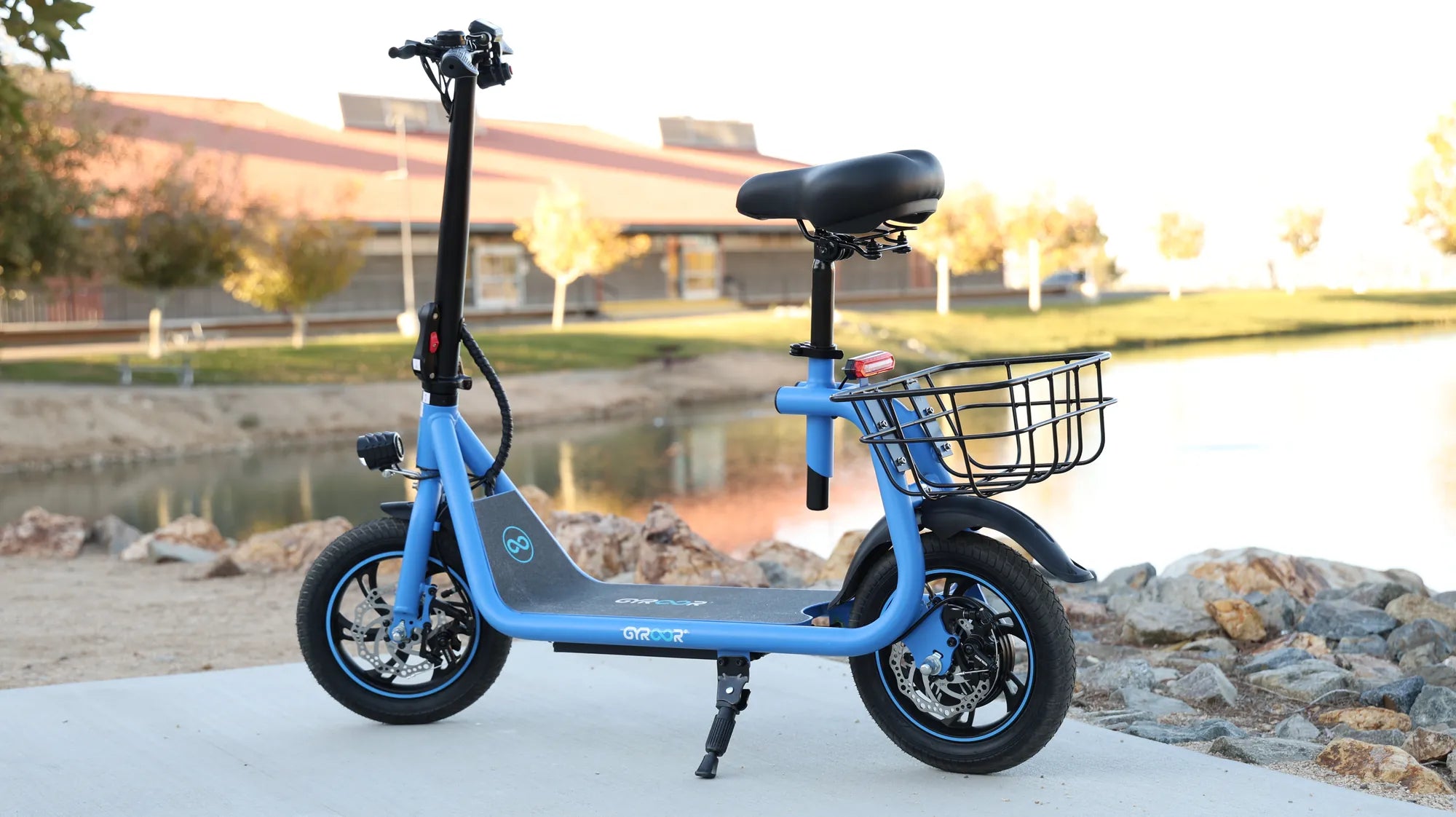
Electric bikes have revolutionized urban commuting, offering a green and efficient alternative to traditional transportation. But with great power comes great responsibility—especially when it comes to speed. Knowing the legal speed for electric bikes is essential to avoid fines, ensure safety, and enjoy a smooth ride. Let’s dive into the details.
Understanding Electric Bike Classifications
Electric bikes are typically categorized into three classes, each with its own speed limits and regulations. These classifications help riders and lawmakers maintain consistency and safety on the roads.
Class 1 Electric Bikes
Class 1 e-bikes are pedal-assist only, meaning the motor only engages when the rider is pedaling. The motor assistance cuts off at 20 mph (32 km/h), which is the standard legal speed limit for this class in many regions.
Class 2 Electric Bikes
Class 2 e-bikes come with a throttle, allowing riders to engage the motor without pedaling. Like Class 1, the motor assistance is capped at 20 mph (32 km/h). However, some areas may impose additional restrictions on throttle-operated bikes.
Class 3 Electric Bikes
Class 3 e-bikes are also pedal-assist but can reach higher speeds—up to 28 mph (45 km/h). These bikes often require helmets and may be restricted from bike paths or trails in certain jurisdictions.
Global Regulations on Electric Bike Speed
Legal speed limits for electric bikes vary widely across countries and even within states or provinces. Here’s a quick overview of how different regions handle e-bike speed regulations.
United States
In the U.S., federal law defines electric bikes as bicycles if they meet specific criteria, including speed limits. Most states adhere to the three-class system, with Class 1 and 2 capped at 20 mph and Class 3 at 28 mph. However, local laws may impose stricter limits.
European Union
The EU classifies electric bikes as pedelecs if they provide assistance up to 25 km/h (15.5 mph). Faster models are considered mopeds or motorcycles, requiring registration, insurance, and a license.
Canada
Canada’s regulations align closely with the U.S., with most provinces adopting the three-class system. Speed limits are generally set at 32 km/h (20 mph) for Class 1 and 2, and 45 km/h (28 mph) for Class 3.
Why Speed Limits Matter
Speed limits for electric bikes aren’t arbitrary—they’re designed to balance efficiency with safety. Here’s why adhering to these limits is crucial.
Safety Concerns
Higher speeds increase the risk of accidents, especially in crowded urban areas or shared bike paths. E-bikes are heavier than traditional bicycles, making collisions more dangerous.
Legal Consequences
Exceeding the legal speed limit can result in fines, confiscation of the bike, or even classification as a motor vehicle, requiring additional paperwork and fees.
Insurance and Liability
Riding an e-bike that exceeds legal limits may void insurance coverage, leaving riders financially vulnerable in case of accidents.
Tips for Staying Compliant
Staying within the legal speed for electric bikes doesn’t mean sacrificing fun or efficiency. Here are some tips to ensure compliance while enjoying your ride.
Know Your Local Laws
Research the regulations in your area, as they can vary significantly. Check for updates, as e-bike laws are evolving rapidly.
Use Speed Limiters
Many e-bikes come with built-in speed limiters. Ensure yours is activated and functioning correctly to avoid unintentional violations.
Wear Protective Gear
Even if your e-bike is legal, wearing a helmet and other protective gear is a smart move, especially for Class 3 riders.
Respect Shared Spaces
Be mindful of pedestrians and other cyclists, particularly on multi-use trails. Slowing down in crowded areas enhances safety for everyone.
Riding an electric bike is a fantastic way to navigate cities, reduce your carbon footprint, and stay active. By understanding and respecting the legal speed for electric bikes, you can enjoy all these benefits while staying safe and compliant. Ready to hit the road? Keep these guidelines in mind and ride responsibly!
52 Volt Electric Bike: The Ultimate Guide to Power and Performance
What Is the Speed Limit for an Electric Bike? A Complete Guide