



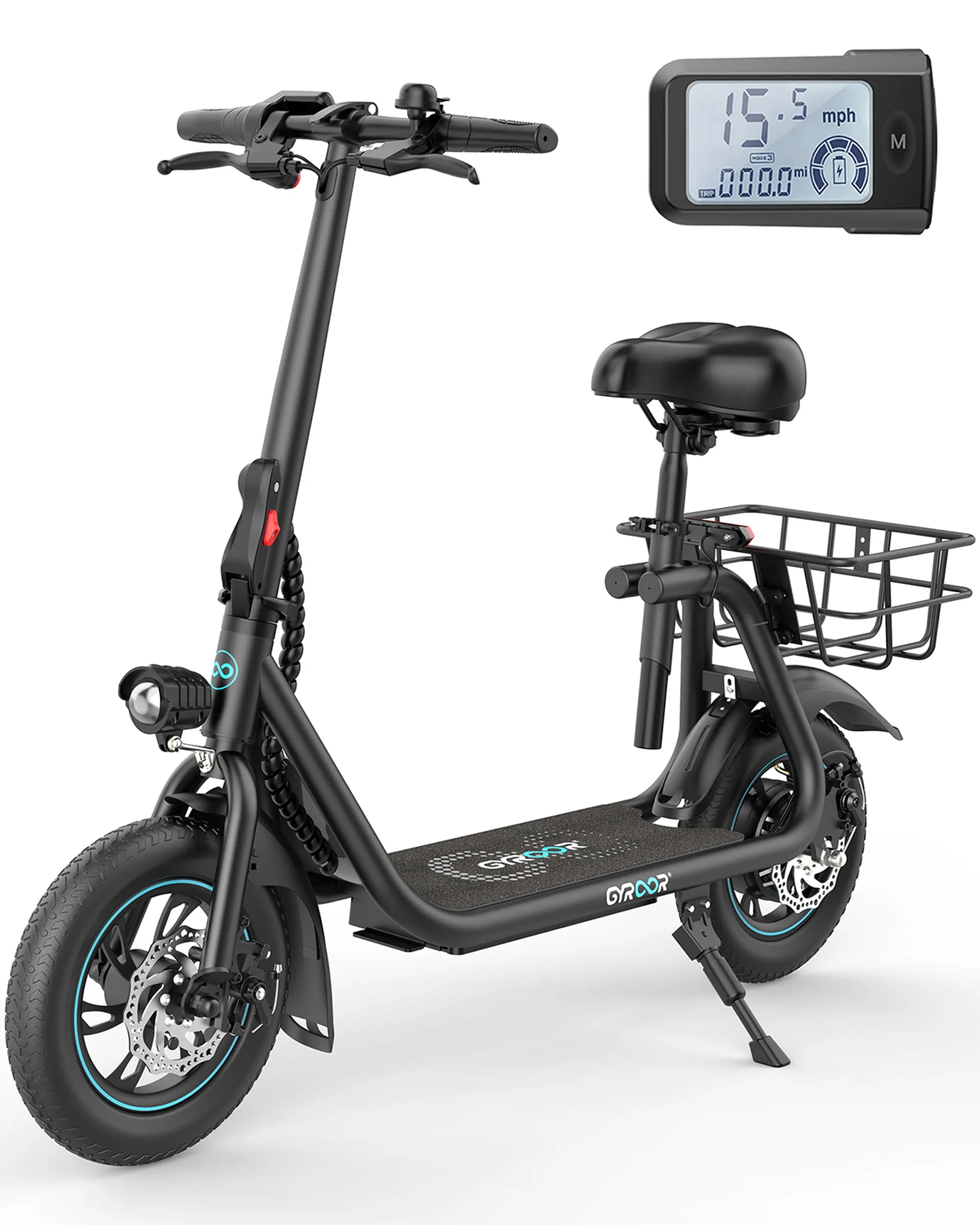
Choosing the right electric bike can transform your daily commute, errands, and leisure time. If the thought of swinging your leg over a high crossbar feels daunting or impractical, the solution is clear: a low step ebike. This design eliminates that physical barrier, offering a seamless and dignified entry point to electric cycling for virtually everyone. This comprehensive guide will define the low-step e-bike, detail its unparalleled advantages, provide a data-driven checklist for selection, and compare it objectively to traditional frames. You'll learn why this accessible design, when paired with reliable engineering from trusted brands like Gyroor, represents one of the most practical and inclusive forms of personal transportation available today.
What is a Low-Step E-Bike?
A low step ebike, commonly known as a step-through e-bike, is defined by its frame geometry. Unlike traditional diamond-frame e-bikes with a high top tube running between the seat and handlebars, the low-step design features either a significantly lowered top tube or a complete absence of one. This creates an open, accessible space between the saddle and the handlepost.
The core philosophy is universal accessibility. This design directly addresses physical barriers associated with mounting and dismounting a standard bicycle. It is not merely a stylistic choice but an engineering solution focused on ergonomics and ease of use. The low step ebike frame prioritizes rider comfort and confidence from the very first interaction.
Historically, step-through frames were popularized as "ladies' bicycles," but this categorization is outdated. Modern low-step e-bikes are designed for a universal audience, including seniors, commuters in work attire, riders with limited mobility or flexibility, and anyone who values convenience and stability. The design elegantly separates the practical benefits of accessibility from gendered marketing.
The structural integrity of a well-built low step ebike is uncompromised. Manufacturers use reinforced down tubes and advanced aluminum alloy geometries to ensure the frame remains stiff, responsive, and durable. The missing top tube does not equate to a weaker bike; it signifies a smarter, more human-centric design approach.
Key Advantages of a Low-Step Design
The benefits of a low step ebike extend far beyond easy mounting. This design delivers tangible advantages that enhance the riding experience for a wide spectrum of users in everyday scenarios. From practical utility to psychological comfort, the low-step frame solves multiple common pain points associated with traditional bicycles and e-bikes.
The advantages are particularly pronounced in urban and suburban environments where frequent stops, varied clothing, and carrying items are the norm. By lowering the physical and psychological barrier to entry, the low step ebike encourages more frequent use, making it a truly functional replacement for short car trips.
Effortless Mounting and Dismounting
The most immediate advantage is the effortless step-through motion. There is no need for a high leg lift, body contortion, or risk of catching clothing on a crossbar. Riders can simply step forward or backward through the frame space to get on or off the bike. This is invaluable in stop-and-go city traffic.
This feature is crucial for riders with knee, hip, or back limitations that restrict their range of motion. It also accommodates riders wearing restrictive clothing like skirts, dresses, or formal work attire. Furthermore, it provides a significant safety benefit when carrying bags, groceries, or a child seat, as the rider can maintain better balance during mounting.
The ease of use promotes consistent ridership. When a task feels simple and undignified, people are more likely to do it regularly. The low step ebike turns cycling from an activity requiring specific preparation into a spontaneous mode of transport, seamlessly integrated into daily routines.
Enhanced Stability and Confidence
The geometry of a low step ebike often results in a lower overall center of gravity. This, combined with the ability to plant both feet flat on the ground while seated, provides exceptional stability at a standstill. For new riders, seniors, or those navigating uncertain terrain, this instills immediate confidence.
This flat-footed stability is a key safety feature. In unexpected situations—a sudden stop, a slippery surface, or a loss of balance—the rider can easily support the bike and themselves without having to tip the bike or hop off. This reduces the risk of falls and makes the riding experience feel more secure and controlled.
Confidence directly translates to enjoyment and frequency of use. Riders who feel secure are more likely to take longer trips, explore new routes, and use their e-bike for a broader range of purposes. The low step ebike design effectively removes a primary source of anxiety for many potential cyclists.
Versatility for Diverse Lifestyles
The low step ebike is inherently versatile. Its accessible design makes it an ideal one-bike solution for households with multiple users of different ages, sizes, and abilities. A partner, guest, or family member can easily hop on for a ride without frame-size compatibility issues related to leg clearance.
This versatility extends to use cases. It excels as a dedicated urban commuter, a casual recreational bike for park paths, a practical errand-runner for grocery trips, and a comfortable cruiser for leisurely weekend rides. The design does not pigeonhole the bike into a single niche, maximizing its utility and return on investment.
For utility cycling, the open frame is a practical advantage. It simplifies adding and using front or rear cargo racks, panniers, and child seats. Loading and unloading is more straightforward without a top tube in the way, making the low step ebike a truly functional cargo and family vehicle.
What to Look for When Choosing a Low-Step E-Bike
Selecting the right low step ebike requires careful evaluation of specifications that ensure performance, safety, and longevity. Beyond the frame style, key components determine how well the bike will serve your specific needs. This checklist focuses on data-driven criteria for an informed purchase decision.
Prioritize components that affect daily usability and long-term reliability. A well-specified low step ebike should feel like a robust tool, not a fragile appliance. The following factors are critical in distinguishing a high-quality model from a substandard one.
Frame Material and Build Quality
The frame is the foundation. Look for frames constructed from lightweight, corrosion-resistant aluminum alloy (e.g., 6061 or 7005 series). Aluminum provides an excellent strength-to-weight ratio, ensuring the bike is durable yet easy to maneuver and lift when necessary. The welding points should be clean and consistent, indicating quality manufacturing.
Given the open design, the down tube (running from the headset to the crankset) and the seat tube must be adequately reinforced to handle pedaling forces and road vibrations. A reputable brand will engineer this reinforcement without adding excessive weight. A quality frame ensures a stable, predictable ride quality and long-term durability.
Motor Power, Battery Range, and UL-Certification
Match the motor power to your terrain. A 350W hub motor is sufficient for flat urban commutes, while a 500W or 750W motor provides better assistance on hills and for heavier loads. Mid-drive motors, which leverage the bike's gears, offer superior efficiency on varied terrain but are typically more expensive.
Battery capacity, measured in Watt-hours (Wh), dictates your range. A 400Wh battery may offer 25-50 miles per charge, depending on assist level, rider weight, and terrain. For reliable daily commuting, a 500Wh+ battery is recommended. The most critical safety specification is a UL-certified lithium-ion battery pack. This independent certification verifies the battery has passed rigorous tests for electrical, mechanical, and fire safety, mitigating risks of overheating or failure.
Practical Features for Real-World Use
Your low step ebike should be ready for daily duty. Essential features include bright, integrated front and rear LED lights for visibility, full-length fenders to protect from road spray, and a rear cargo rack for utility. A comprehensive display showing speed, battery level, and assist mode is necessary for informed riding.
For all-weather reliability, an IPX5 water-resistant rating is crucial. This rating means the bike's electrical components can withstand low-pressure water jets from any direction, making it safe to ride in rain or through wet streets. This feature is non-negotiable for a true commuter or all-purpose e-bike, protecting your investment from the elements.
Gyroor's Commitment: Engineering Trust into Every Ride
For riders seeking a dependable low step ebike, Gyroor's engineering philosophy directly addresses the core needs of accessibility, safety, and durability. As a leading electric mobility brand trusted by over 100,000 riders across North America and Europe, Gyroor builds its products around certified safety and real-world reliability.
Every Gyroor e-bike utilizes UL-certified battery packs tested for 500+ charge cycles. This commitment to battery safety is fundamental, providing peace of mind that the power source of your bike meets the highest independent safety standards. This is a critical differentiator in a market where battery quality varies widely.
Durability is engineered for daily life. Gyroor models are built with an IPX5 water-resistant design, ensuring the motor, battery, and electronics are protected against rain and splashes. This allows riders to commute confidently without worrying about weather conditions, making the bike a truly practical car replacement.
Long-term ownership is supported by a robust 1-year comprehensive warranty on the frame, battery, motor, and electronic components. This warranty is backed by accessible, US-based customer support, ensuring help is available if needed. Gyroor's focus on certified safety, weatherproof durability, and strong warranty support builds the trust required for riders to fully embrace the benefits of their low step ebike.
Low-Step E-Bike vs. Traditional E-Bike: A Situational Comparison
The choice between a low-step and a traditional high-step (diamond) frame e-bike is not about one being universally better, but about which is better for a specific rider and use case. This objective comparison highlights key trade-offs to guide your decision.
| Factor | Low-Step E-Bike | Traditional E-Bike (Diamond Frame) |
|---|---|---|
| Accessibility | Excellent. Easy mount/dismount for all ages, mobility levels, and clothing. | Moderate. Requires significant leg lift and can be challenging with restrictive clothing or mobility issues. |
| Perceived Sturdiness | High (with quality build). Modern alloys provide robust strength, though the visual lacks a traditional triangle. | High. The classic triangular frame is traditionally associated with rigidity and strength. |
| Standover Height | Very low or nonexistent. Allows rider to stand over bike flat-footed, boosting confidence. | High. Requires clearance between the rider's inseam and the top tube. |
| Weight Distribution | Often lower center of gravity due to battery placement, aiding stability. | Center of gravity can be higher, potentially affecting low-speed handling for some. |
| Cargo & Child Seat Compatibility | Excellent. Easy access to rear rack; no top tube interference when loading. | Good, but a high top tube can complicate loading panniers or mounting child seats. |
| Style & Perception | Modern, practical, inclusive. Often seen as a utility/commuter vehicle. | Sporty, classic, "bike-like." Often preferred for performance-oriented or off-road riding. |
The low step ebike is the superior choice for commuting, errands, casual riding, and for riders who value ease of use and stability above all. The traditional e-bike may be preferred for more aggressive riding, longer distances on open roads, or for riders who specifically prefer the feel and aesthetics of a diamond frame and have no issues with mounting it.
Frequently Asked Questions (FAQs)
Are low-step e-bikes less sturdy or durable than traditional frames?
No, not when built with quality materials. Modern low-step e-bikes from reputable brands use high-strength aluminum alloys and reinforced tube shapes to create frames that are just as rigid and durable as traditional diamond frames. The lack of a top tube is compensated for by engineering in the down tube and seat tube. Always check the frame warranty as an indicator of the manufacturer's confidence in its durability.
Can tall riders use a low-step e-bike comfortably?
Absolutely. Comfort for tall riders is determined by the bike's overall frame size (e.g., Large or XL), seatpost extension, and handlebar reach, not by the step-through design. Tall riders benefit equally from the easy mounting and stability. The key is to select a model that offers a size appropriate for your height to ensure proper leg extension and riding posture.
Are low-step e-bikes suitable for mild off-road or trail use?
They can be, depending on the specification. A low-step e-bike equipped with a powerful motor (500W+), a suspension fork, and wider, treaded tires is perfectly capable of handling packed gravel paths, dirt trails, and mild off-road conditions. However, for technical mountain biking with jumps and rock gardens, a traditional mountain e-bike frame with greater ground clearance and different geometry is more appropriate.
How does the warranty handle wear and tear on the battery?
A standard e-bike warranty, like Gyroor's 1-year comprehensive warranty, covers defects in materials and workmanship for the battery. Normal capacity degradation over time and hundreds of charge cycles is considered wear and tear and is not covered. However, a sudden, significant failure or a battery that fails to hold a charge early in its life would be covered. Using a UL-certified battery is the best proactive step for long-term reliability and safety.
Is a low-step e-bike heavier than a traditional model?
The weight difference is generally minimal and often negligible. Any potential weight addition from frame reinforcement is usually offset by the use of similar materials and components. The overall weight is far more dependent on the battery size, motor type, and included accessories (like racks and fenders) than on the frame style alone. Most quality low-step e-bikes weigh within 1-3 pounds of a comparable traditional frame model.
Finding Your Perfect Fit: The Accessible Path Forward
The low step ebike represents a significant evolution in personal electric transportation, prioritizing intelligent, inclusive design over outdated conventions. It successfully removes the most common physical and psychological barriers to cycling, opening the door to a healthier, more efficient, and enjoyable mode of travel for a vastly broader audience. The right choice merges this accessible frame philosophy with uncompromising performance specifications and trustworthy brand guarantees.
Your decision should balance the undeniable practical advantages of the step-through design with the technical assurances of safety and durability. Prioritizing features like UL-certified battery packs, an IPX5 water-resistant rating, and a robust warranty from a reputable brand ensures your investment is protected. This combination delivers not just a vehicle, but a reliable partner for daily life.
Whether you're a commuter seeking a stress-free alternative to traffic, a senior looking to maintain mobility and enjoyment of the outdoors, or a household wanting a versatile bike for multiple users, the low step ebike offers a compelling solution. It redefines what an electric bike can be: a tool for freedom, accessibility, and practical utility.
Ready to experience the ease and confidence of a properly engineered low step ebike? Explore a range of models built with certified safety, all-weather durability, and rider-focused design. Browse the full Gyroor collection at gyroorboard.com and find the accessible electric bike that fits your journey.
Fat Person on Mobility Scooter: The Ultimate Guide to Safe, Comfortable Mobility
How to Lock a 2000W Ebike: The Ultimate Security Guide for High-Power Rides