



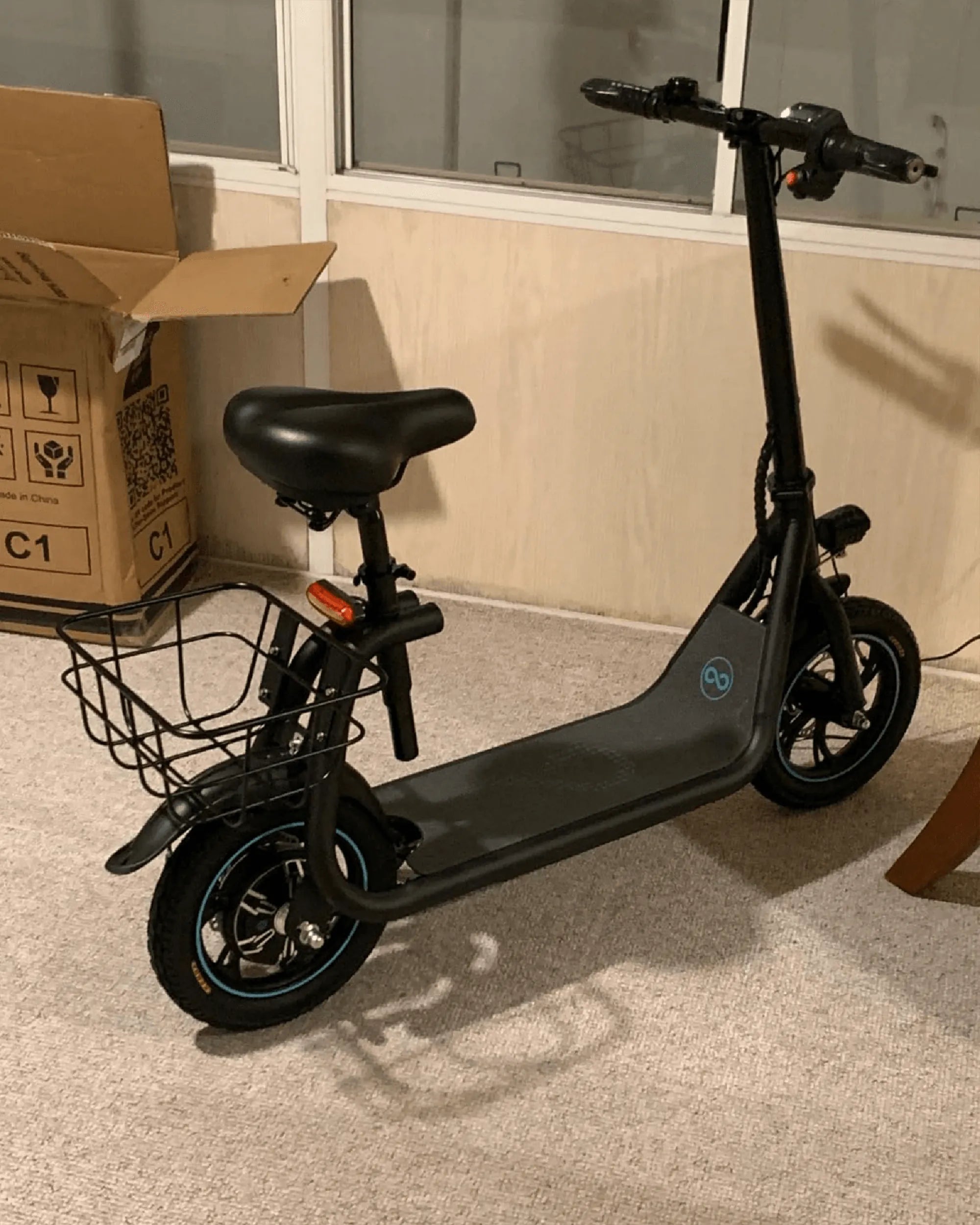
Introduction to the Modern Adult Tricycle
The image of a tricycle often conjures childhood memories, but today's adult models are sophisticated machines redefining personal transport. A modern adult tricycle, such as the Gyroor Meet One, is a stable, practical, and eco-friendly vehicle designed for urban commuting, leisurely exploration, and utility tasks. It represents a significant evolution from simple pedal power, often integrating electric motors to enhance range and ease of use.
This shift addresses growing demands for accessible, car-alternative mobility. E-trikes are gaining popularity for their unique combination of utility, stability, and approachable riding dynamics. They cater not only to those seeking a novel commute but also to seniors, individuals with balance concerns, and anyone needing to transport cargo reliably.
The core appeal lies in its fundamental three-wheeled design. This architecture provides inherent stability that a two-wheeled bicycle or scooter cannot match. When paired with electric assist, it creates a versatile platform capable of handling diverse needs, from grocery runs to daily commutes on varied terrain.
This guide will dissect the why and how of the modern electric tricycle. We will explore its key advantages, break down the features of premium models, and use the Gyroor Meet One as a case study in intelligent design. Our goal is to provide a comprehensive resource for anyone considering this transformative mode of transportation.
Why Choose a Tricycle? Key Advantages Over Two Wheels
Choosing a tricycle, particularly an electric model, is a decision driven by specific practical benefits that address the limitations of traditional two-wheelers. The primary advantages are enhanced stability, superior cargo capacity, and broader accessibility. These factors make the e-trike a compelling choice for a wide demographic, not just a niche product.
For many, the learning curve and balance requirement of a bicycle are significant barriers. An electric tricycle eliminates that hurdle entirely. The three-point contact with the ground allows riders to start, stop, and remain stationary without putting a foot down, offering immense confidence in stop-and-go traffic.
Furthermore, the design naturally accommodates utility. The rear axle provides a stable base for mounting large baskets, platforms, or even child seats. This transforms the vehicle from a simple personal transporter into a legitimate tool for reducing car dependency for everyday errands and small-scale logistics.
Unmatched Stability and Safety
The fundamental safety benefit of a tricycle is its geometric stability. The three-wheel configuration forms a stable triangle, drastically reducing the risk of tipping over during low-speed maneuvers, sudden stops, or when navigating uneven pavement. This physics-based advantage is non-negotiable for riders with balance issues or those who prioritize a secure, predictable ride.
This stability is crucial when carrying heavy or bulky loads. A two-wheeled bike can become unwieldy with a top-heavy cargo load, but a trike's wider stance keeps it planted. It also provides a more secure platform for mounting and dismounting, which is a significant concern for older adults or those with mobility limitations.
Enhanced stability directly contributes to rider confidence. Knowing the vehicle will remain upright allows the rider to focus on the road, traffic, and navigation rather than on maintaining balance. This makes urban riding in complex environments less stressful and more accessible to a broader population.
Practical Utility: Cargo and Passenger Ready
The utility of an adult tricycle is one of its most powerful selling points. The rear section is inherently designed for load-bearing. Many models, including the Gyroor Meet One, come equipped with a large, integrated rear cargo basket or a flat platform capable of carrying significant weight.
This capacity turns the e-trike into a true car replacement for local trips. Imagine transporting a full week's groceries, a medium-sized pet carrier, a delivery package, or even gardening supplies without worrying about balancing the load. For small business owners, it can serve as a zero-emission delivery vehicle for local neighborhoods.
The utility extends beyond cargo. The stable platform can often be fitted with approved passenger seats, allowing for the safe transport of a child or an adult companion. This multi-functionality is where the meet one tricycle philosophy shines—it meets multiple needs with one intelligent vehicle.
Accessibility and Ease of Use
Electric tricycles are arguably the most accessible form of powered personal mobility. There is virtually no learning curve for anyone who can steer and pedal. The step-through frame design common on models like the Meet One makes getting on and off effortless, requiring no high leg lifts.
This accessibility opens up cycling to populations who may have thought their riding days were over. It provides a low-impact form of exercise, with the electric assist ensuring hills and distances are not prohibitive. Riders can choose how much effort to exert, using pure electric mode for a rest or pedal-assist to stay active.
The ease of use fosters independence. It enables individuals to run errands, visit friends, or explore parks without relying on public transport schedules or the expense of a car. This regained independence is a profound quality-of-life benefit that extends far beyond simple transportation.
In-Depth Look: Features of a Premium Electric Tricycle
Not all electric tricycles are created equal. A premium model distinguishes itself through robust components, safety certifications, and thoughtful engineering. Understanding these features is key to making a smart purchase that ensures reliability, performance, and longevity.
The core systems—motor, battery, frame, and brakes—must be designed to work in harmony under the specific demands of a three-wheeled vehicle. Compromises in any of these areas can lead to a frustrating ownership experience, safety concerns, or premature failure. Premium brands invest in quality here.
When evaluating an e-trike, it's essential to look beyond marketing claims and examine the technical specifications and build standards. Certifications from recognized bodies like UL for batteries are not just checkboxes; they are critical indicators of a company's commitment to safety and durability.
Motor Power and Riding Modes
The motor is the heart of the electric assist system. For tricycles, a rear-hub motor is common, providing direct drive to one of the rear wheels. Power is measured in watts (W), with premium adult models typically featuring motors between 500W and 750W. This range offers a strong balance of hill-climbing torque and efficient cruising.
A 500W+ motor is essential for a trike, as it must move not just the rider but also the heavier three-wheeled frame and any potential cargo. This power ensures the vehicle can handle moderate inclines without straining, maintaining a practical speed even under load. The meet one tricycle concept requires a motor capable of meeting these diverse demands.
Quality e-trikes offer multiple riding modes. Pure Electric (throttle-only) mode provides effortless propulsion. Pedal Assist (PAS) mode senses your pedaling and adds motor power proportionally, extending range and providing exercise. Traditional pedal mode allows you to ride it like a standard bicycle, conserving battery.
Battery Life, Range, and Safety Certification
The battery is the most critical component for both performance and safety. Capacity is measured in watt-hours (Wh) or amp-hours (Ah). A larger capacity (e.g., 48V 15Ah = 720Wh) translates to a longer potential range. Real-world range for a quality e-trike can vary from 25 to 50 miles per charge, depending on load, terrain, and assist level.
Battery safety is paramount. Premium manufacturers exclusively use lithium-ion battery packs with certification from Underwriters Laboratories (UL). UL certification involves rigorous testing for overcharge, short circuit, and thermal stability, drastically reducing fire risk. Gyroor, for instance, uses UL-certified batteries tested for over 500 charge cycles, ensuring long-term reliability.
Owners should also consider the battery's integration and removal. A removable battery allows for secure indoor charging, which is safer and more convenient, especially for those without a garage. It also facilitates battery replacement or upgrade in the future.
Build Quality and Weather Resistance
The frame must be rugged to handle the torsional stresses of a three-wheeled design. High-tensile steel or aluminum alloy frames are standard for durability. The maximum load capacity (rider + cargo) is a crucial spec; premium models often support 300-400 lbs, reflecting their utility purpose.
Weather resistance is non-negotiable for a vehicle meant for daily use. An Ingress Protection (IP) rating indicates resistance to dust and water. A rating of IPX5 means the electrical components can withstand low-pressure water jets from any direction, making the trike safe to ride in light rain and on wet roads.
Other quality indicators include the type of brakes (disc brakes offer superior stopping power, especially when laden), tire quality (puncture-resistant or airless tires reduce maintenance), and the quality of welds and finishes. These details separate a durable investment from a disposable product.
The Gyroor Meet One: A Case Study in Smart Design
The Gyroor Meet One electric tricycle embodies the principles of a modern, premium e-trike. It serves as an excellent case study because it integrates the key features discussed—stability, utility, safety, and performance—into a cohesive and user-friendly package. It is designed to meet one tricycle standard for the urban commuter and practical rider.
Gyroor, as a leading electric mobility brand trusted by over 100,000 riders, applies its expertise in e-scooters and e-bikes to the trike segment. The Meet One reflects this experience, focusing on reliable components, certified safety, and thoughtful ergonomics. It is built not as a novelty, but as a serious tool for sustainable transportation.
By examining its specifications and design highlights, we can see how theoretical advantages are translated into a real-world product. This analysis provides a concrete benchmark for what to expect from a quality electric tricycle in its class.
Specifications and Performance Data
The Gyroor Meet One's specifications tell the story of a capable and robust vehicle. The table below summarizes its key performance data, providing a clear, scannable overview of what this model offers.
| Feature | Specification |
|---|---|
| Motor | 500W High-Torque Rear Hub Motor |
| Battery | 48V 12.5Ah Removable Lithium-ion (UL Certified) |
| Max Range | Up to 40 miles (varies with use) |
| Max Speed | Up to 20 mph (with pedal assist) |
| Max Load | 330 lbs (Rider + Cargo) |
| Tires | 16" x 2.125" Pneumatic, Puncture-Resistant |
| Brakes | Front and Rear Disc Brakes + Electronic Brake |
| Water Resistance | IPX5 Rated |
| Warranty | 1-Year Comprehensive Warranty |
This data profile highlights a machine built for real-world use. The 500W motor provides ample power for hills, while the UL-certified 48V battery offers substantial range. The 330 lb load capacity and IPX5 rating underscore its all-weather, high-utility design philosophy.
Design Highlights for the Urban Commuter
Beyond raw specs, the Meet One's design focuses on user experience. The step-through frame is low and accessible, making mounting effortless. The ergonomic saddle and adjustable handlebars allow riders to find a comfortable, upright riding position that provides good visibility and reduces strain on the back and wrists.
Integrated lighting is a critical safety feature. Bright front and rear LEDs, along with reflectors, ensure the rider is visible to traffic at dawn, dusk, or night. The large rear cargo basket is not an afterthought; it's a sturdy, integrated component capable of carrying groceries, bags, or a pet carrier securely.
The control interface is intuitive, with a central LCD display showing speed, battery level, assist mode, and trip distance. The combination of mechanical disc brakes and an regenerative electronic brake provides confident stopping power, a necessity for a heavier vehicle that may be carrying cargo. Every detail supports the goal of making the meet one tricycle a practical, everyday solution.
Making the Decision: Is an E-Trike Right for You?
Deciding to invest in an electric tricycle requires matching its strengths to your specific lifestyle, needs, and environment. It is not the perfect solution for everyone, but for the right user, it is transformative. This section will help you self-assess by comparing use cases and outlining practical considerations.
An e-trike excels in scenarios where stability, cargo capacity, and ease of use are prioritized over the compact size and sporty handling of a two-wheeled e-bike or scooter. It is a tool for practical mobility rather than high-speed thrill. Understanding this distinction is key to setting realistic expectations and ensuring satisfaction.
Consider your primary use case, storage options, and local terrain. Also, factor in the long-term value of a reliable warranty and customer support, as with Gyroor's 1-year coverage. A thoughtful purchase decision balances initial excitement with practical long-term ownership.
Ideal User Profiles and Use Cases
The ideal e-trike user is someone who values practicality and stability. This includes suburban or urban residents looking to replace short car trips for errands. Seniors seeking a safe, empowering way to stay mobile and active are a perfect fit. Individuals with balance concerns or those returning to cycling after a long hiatus will find the learning curve non-existent.
Specific use cases where a trike shines include: daily grocery shopping, transporting children or pets locally, flat-terrain commuting where bike lanes or calm streets are available, recreational riding on paved trails for comfort, and small-scale delivery or vending for micro-businesses. In each case, the meet one tricycle ability to carry a load securely is a major advantage.
If your primary goal is high-speed commuting on congested roads, a more nimble e-scooter might be better. If you have extensive stairs or very limited indoor storage, the trike's size and weight could be a challenge. Honest assessment of your primary needs is crucial.
Considerations Before You Buy
Before purchasing, address these practicalities. Storage: An e-trike is wider and longer than a bicycle. Do you have a garage, shed, or secure outdoor space? Weight: They are heavier (often 70+ lbs); can you maneuver it if needed, or does it have a walk-assist mode?
Terrain: While good motors handle hills, extremely steep or long grades may require lower gearing and more battery power. Test the intended route if possible. Local Regulations: Most areas classify low-speed e-trikes similarly to e-bikes, but verify local laws regarding paths and road use.
Finally, consider the brand's support network. A robust warranty (like Gyroor's 1-year coverage) protects your investment. Check the availability of replacement parts, customer service channels, and whether there are authorized service centers nearby. A premium product deserves premium support.
Frequently Asked Questions (FAQ)
Q: Do I need a license or registration to ride an electric tricycle like the Meet One?
A: In most jurisdictions in North America and Europe, low-speed electric bicycles and tricycles (with motors under 750W and top assisted speeds of 20 mph) do not require a driver's license, vehicle registration, or insurance. They are typically regulated as bicycles. However, local laws can vary, so it is always best to check with your city or state transportation authority for the most accurate and current regulations.
Q: How does it handle on hills and different road surfaces?
A: A quality e-trike with a 500W+ motor, like the Gyroor Meet One, handles moderate hills effectively, especially in a lower pedal-assist mode. The three-wheel design provides excellent traction. On paved roads, bike paths, and hard-packed gravel, the ride is stable and smooth. The larger pneumatic tires help absorb bumps. It is not designed for off-road trails, soft sand, or deep snow, where the wheels could sink or lose traction.
Q: What is the maintenance routine compared to a standard bicycle?
A> Routine maintenance is similar but often simpler regarding the drivetrain. You should regularly check tire pressure, inspect brakes for wear, ensure all bolts are tight, and keep the chain lubricated (if it has a chain drive). The electric components generally require minimal maintenance beyond keeping connections clean and dry. The major advantage is that the rear wheels and motor are often in a sealed unit, reducing exposure to dirt and grime that can wear down a traditional derailleur system.
Q: Can it be used safely in light rain or on wet roads?
A> Yes, models with a proper water-resistance rating like IPX5 are designed to be safe for use in light rain and on wet roads. The electrical components are protected from water spray. However, you should avoid deep puddles or submersion, and always exercise increased caution in wet conditions as braking distances can be longer and road surfaces more slippery. Fenders are also an important feature to keep water and road spray off the rider.
Q: What is the assembly process, and is professional help recommended?
A> Most e-trikes ship partially assembled. Typical tasks include attaching the front wheel, handlebars, pedals, seat, and basket. Manufacturers provide detailed instructions and tools. For a mechanically inclined individual, assembly in 1-2 hours is common. However, due to the weight and importance of critical safety components like brakes and wheel axles, having it assembled or checked by a professional bike mechanic is highly recommended. This ensures everything is torqued to specification and functions correctly for safe operation.
Conclusion: Redefining Personal Mobility
The adult electric tricycle has evolved from a niche product into a legitimate and powerful tool for sustainable, independent living. It successfully meets the core needs of stability, utility, and accessible electric power in a single, intelligent package. For the right user, it is not just a vehicle but a lifestyle enhancer that promotes activity, reduces environmental impact, and fosters self-reliance.
Models like the Gyroor Meet One demonstrate how thoughtful engineering and a commitment to safety certifications can create a reliable and enjoyable riding experience. The combination of a UL-certified battery, a powerful motor, all-weather construction, and a practical cargo design addresses the real-world concerns of commuters, seniors, and practical riders alike.
If your daily life involves short trips, errands, or a desire for stable, enjoyable outdoor mobility, an electric tricycle deserves serious consideration. It represents a smart investment in your independence, your community, and a greener mode of transport. Explore how a modern e-trike can transform your routine and unlock new possibilities.
Ready to experience the stability and utility of a premium electric tricycle? Browse the full Gyroor collection, including detailed specifications on the Meet One, at gyroorboard.com.
Cheapest Ebike on Amazon: A Data-Driven Guide to True Value & Safety
E Bike Guide: The Complete Handbook for New and Experienced Riders