


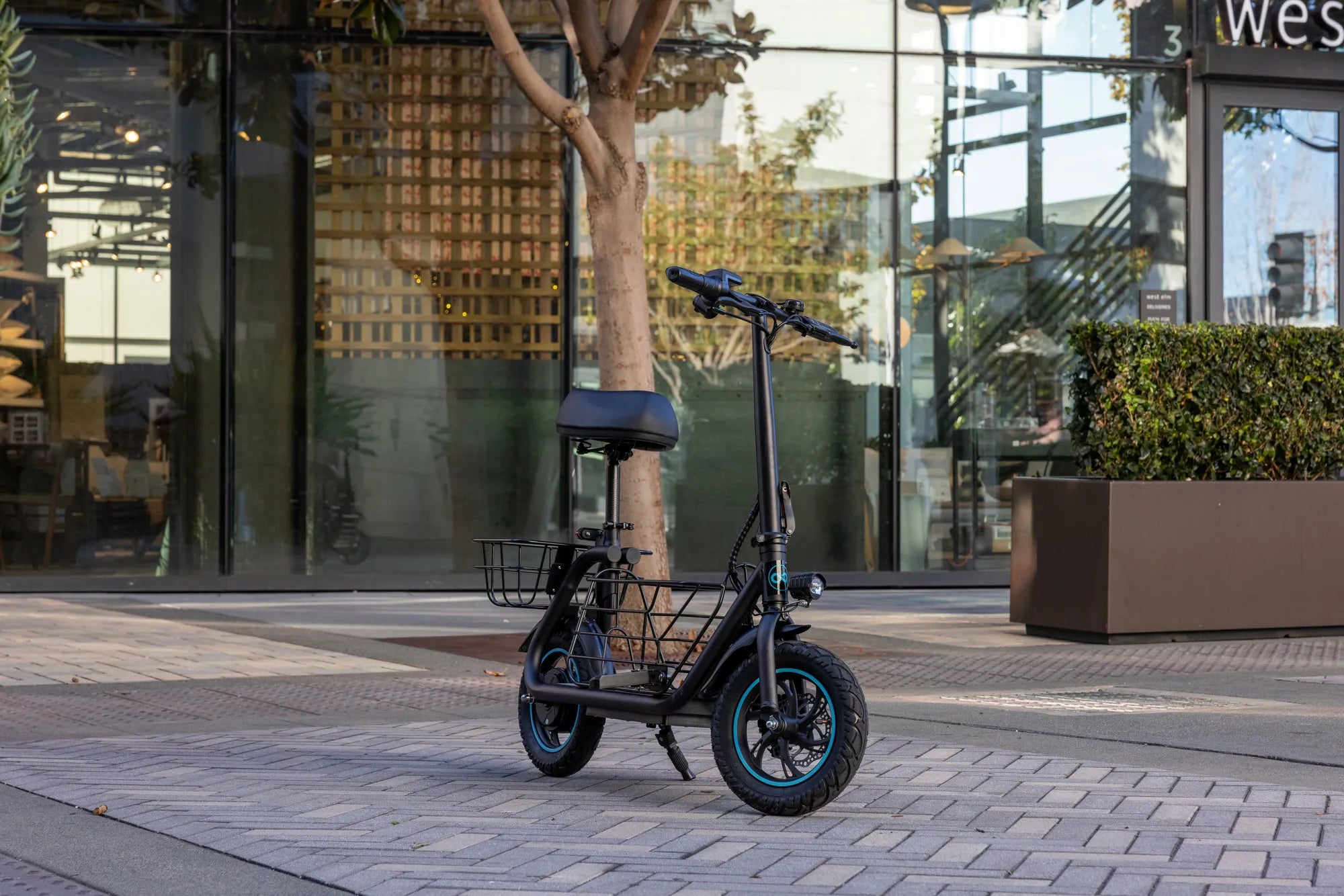
The Rise of the Adult Mini Scooter Bike
An adult mini scooter bike is a compact, typically foldable electric scooter or e-bike engineered for grown-up riders. It bridges the gap between bulky transportation and pedestrian travel. These vehicles offer a practical solution for last-mile commuting, urban errands, and recreational fun.
Their core appeal lies in combining portability with electric assistance. Riders enjoy effortless travel without the parking hassles or fuel costs of cars. The market has expanded rapidly as cities become more congested and eco-conscious.
Leading brands like Gyroor have entered this space with a focus on safety and reliability. They cater specifically to adults who need dependable performance. This guide provides the data-driven analysis you need to make an informed purchase.
We will examine the key benefits, essential features, and practical comparisons. You'll learn how to integrate a mini scooter bike for adults into your daily routine safely and efficiently.
Why Choose a Mini Scooter Bike? Key Benefits for Adult Riders
Adults choose mini scooter bikes for their unmatched practicality in urban environments. The primary advantage is portability. Most models fold in seconds, allowing storage under a desk or in a car trunk.
Cost-effectiveness is another major driver. Operating costs are a fraction of car ownership or consistent ride-sharing fees. Electricity costs pennies per charge compared to gallons of gasoline.
Ease of use makes these vehicles accessible. With intuitive thumb throttles and simple braking systems, the learning curve is minimal. Many adults find it easier than re-learning to ride a traditional bicycle.
The fun factor should not be underestimated. Riding provides a sense of freedom and an enjoyable way to navigate your city. It turns a mundane commute into a refreshing daily activity.
Urban Commuting Revolutionized
The mini scooter bike for adults solves the classic first-mile/last-mile problem. It seamlessly connects your home to the train station or bus stop. This eliminates long walks and makes public transit a more viable option.
Navigating traffic becomes significantly easier. You can use bike lanes and, where legal, multi-use paths to bypass gridlocked cars. Commute times often become more predictable and shorter.
Parking hassles vanish entirely. Your vehicle folds and comes with you, eliminating parking fees and time spent searching for a spot. This is a game-changer in dense downtown areas.
For hybrid workers, it's the perfect tool for short trips between home, coffee shops, and co-working spaces. It provides just enough range for a day of local meetings without the bulk of a car.
Beyond the Commute: Leisure and Practical Errands
On weekends, a mini scooter bike opens up new recreational possibilities. Explore parks, waterfront paths, or your neighborhood at a leisurely pace. It's an activity the whole family can enjoy if everyone has their own.
Running errands becomes efficient. Zip to the grocery store, pharmacy, or post office without firing up the car. Many models have optional baskets or bags for carrying small loads.
For multi-modal travelers, it's an ideal companion. Keep one in your RV for campground mobility or in your car's trunk for spontaneous exploration at your destination. It expands your range without needing a second full-sized vehicle.
The compact size encourages spontaneous outings. A quick ride for ice cream or a sunset view requires no planning, reducing barriers to getting outside and enjoying your community.
Critical Features to Look for in an Adult Mini Scooter Bike
Choosing the right model requires understanding which features directly impact safety, performance, and longevity. Not all mini scooter bikes for adults are created equal. Prioritize specifications that match your real-world needs.
Motor power, measured in watts (W), determines hill-climbing ability and acceleration. For most adults, a 350W motor is a minimum for moderate inclines. Heavier riders or hillier cities should consider 500W or more.
Real-world range is more important than theoretical maximums. Manufacturers often test under ideal conditions. Subtract 20-30% from the advertised range to account for rider weight, hills, and stop-and-go traffic.
Deck size and handlebar height are crucial for comfort. Ensure the deck is long and wide enough for a stable footing. Adjustable handlebars can accommodate different rider heights for a more ergonomic posture.
Safety First: Battery and Build Quality
The battery is the most critical safety component. Insist on UL-certified battery packs, like those used by Gyroor. This certification means the battery has passed rigorous tests for electrical, mechanical, and environmental safety, drastically reducing fire risk.
Build quality dictates durability. Look for a frame constructed from aerospace-grade aluminum or reinforced steel. Check the weight rating; a robust adult model should support at least 220 lbs (100 kg) comfortably.
Braking systems are non-negotiable. Disc brakes offer superior stopping power in all weather conditions compared to cheaper drum or foot brakes. Many premium models feature electronic (regenerative) braking paired with a mechanical disc for redundancy.
Lighting is essential for visibility. Integrated front and rear lights, plus reflective side panels, are mandatory for any commuting or evening riding. Don't rely solely on add-on lights.
Performance That Matches Your Lifestyle
Speed should be appropriate for your use case. Most urban areas limit e-scooters to 15-20 mph (25-32 km/h). A model with multiple speed modes allows you to match legal limits and conserve battery when needed.
Suspension transforms ride quality. Even a basic front spring or dual shock absorbers can smooth out cracks and bumps in pavement. This reduces fatigue and increases control, especially on longer rides.
Tire choice matters. Pneumatic (air-filled) tires provide the best shock absorption and traction but require maintenance. Solid or honeycomb tires are puncture-proof but offer a harsher ride. Consider your local road conditions.
Climbing angle, measured in degrees or percent grade, indicates hill performance. A 15-degree climb capability is good for most cities. If you face steep hills, verify this spec with the manufacturer or real-world reviews.
Durability and Warranty for Peace of Mind
Water resistance is key for all-weather utility. An IPX5 rating, common on Gyroor models, means the scooter can withstand water jets from any direction. This protects against rain and puddle splashes, though submerging should always be avoided.
The folding mechanism must be robust. Test it for wobble or play; a secure latch is vital for safety while riding. A mechanism that feels flimsy when new will only worsen with use.
A comprehensive warranty signals manufacturer confidence. Look for at least a 1-year warranty covering the frame, motor, and battery. Read the fine print on what's excluded and the process for claims.
Availability of replacement parts is a hidden durability factor. Can you easily purchase a new tire, brake pad, or throttle? A brand with a strong parts ecosystem, like Gyroor, ensures your vehicle remains operational for years.
Gyroor's Approach: Engineering Trust for Every Ride
Gyroor has established itself by directly addressing the priorities of adult riders: safety, reliability, and low-maintenance ownership. Their philosophy centers on engineering robust products that inspire confidence from the first ride.
Every Gyroor model features a UL-certified battery pack tested for over 500 charge cycles. This commitment to battery safety is foundational, providing peace of mind whether the scooter is charging at home or in an office.
The IPX5 water-resistant rating is standard across their lineup. This allows adults to commute without constant anxiety about weather changes. It's a practical feature for real-world use where a sudden rain shower shouldn't strand you.
With a straightforward 1-year warranty and a customer base of over 100,000 riders, Gyroor backs its products. This track record across North America and Europe demonstrates a focus on creating durable vehicles, not disposable gadgets.
Mini Scooter Bike vs. Other Transport: A Practical Comparison
Choosing personal transportation requires weighing multiple factors. The following table provides a data-informed comparison to contextualize where a mini scooter bike for adults fits.
| Transport Mode | Avg. Cost per Mile | Parking & Storage | Commute Time (3 miles) | Maintenance Level | Carbon Footprint |
|---|---|---|---|---|---|
| Mini Scooter Bike (Electric) | $0.03 - $0.05 | Extremely Easy (Folds) | 12-18 minutes | Low | Very Low |
| Traditional Bicycle | $0.00 (human power) | Easy (Requires Lock) | 15-25 minutes | Moderate | Zero |
| Full-Size E-Scooter/E-Bike | $0.04 - $0.07 | Moderate (Bulky) | 12-18 minutes | Moderate-High | Low |
| Personal Car | $0.60 - $0.80 (fuel, deprec.) | Difficult/Costly | 15-45+ minutes (traffic) | High | High |
| Public Transit (Bus/Train) | $0.20 - $0.50 (fare) | N/A | 30-60+ minutes (with wait/walk) | N/A (user) | Low |
| Ride-Sharing (Uber/Lyft) | $2.00 - $3.50 | N/A | 15-45+ minutes (traffic) | N/A (user) | Moderate-High |
This comparison highlights the mini scooter bike's sweet spot: low cost, high convenience for short trips, and minimal environmental impact. It excels where cars are inefficient and where walking or traditional cycling is too slow or strenuous.
Getting Started: Your First Ride and Essential Gear
Before your first ride, research local laws. Regulations for electric mini scooter bikes vary widely by city and state. Key points include where you can ride (bike lanes vs. roads), speed limits, age requirements, and helmet laws.
Essential safety gear is non-negotiable. A properly fitted bicycle or multi-sport helmet is the minimum. For commuting, consider adding high-visibility clothing or a vest, especially in low-light conditions.
Perform a pre-ride check. Ensure tires are inflated to the recommended PSI, brakes engage smoothly, the folding mechanism is locked, and lights are functional. This 30-second routine prevents most mechanical issues.
Start in a safe, open area like an empty parking lot. Practice accelerating, braking, and turning at low speeds. Get a feel for the balance and responsiveness before navigating traffic or obstacles.
Smart Mobility for Modern Adults
The mini scooter bike for adults represents a smart evolution in personal transportation. It offers a pragmatic, efficient, and enjoyable answer to the unique mobility challenges faced by adults in urban and suburban settings.
Success hinges on choosing a vehicle built with adult needs in mind: safety-certified components, durable construction, and reliable performance. This is where a focus on quality from brands like Gyroor pays long-term dividends.
By integrating this compact electric vehicle into your life, you gain time, save money, and reduce your environmental footprint. You also rediscover the simple pleasure of moving through your community with ease and a bit of fun.
Ready to experience the freedom of electric mobility? Explore engineering-driven models designed for safety and durability. Browse the full Gyroor collection, trusted by over 100,000 riders, at gyroorboard.com.
Frequently Asked Questions (FAQ) About Adult Mini Scooter Bikes
Q: What is the typical weight limit for an adult mini scooter bike?
A: Quality adult models typically support 220 to 265 pounds (100 to 120 kg). Higher-performance models may reach 330 lbs (150 kg). Always check the manufacturer's specified maximum load. Exceeding it can damage the frame, motor, and battery, void warranties, and create safety hazards.
Q: How far can I realistically travel on a single charge?
A: Real-world range depends on rider weight, terrain, speed, and temperature. For a 250W-350W model, expect 10-15 miles (16-24 km). A 500W+ model may achieve 18-25 miles (29-40 km). To estimate, take the advertised range and reduce it by 25-30% for average conditions. Heavier riders or hilly routes will reduce it further.
Q: Are they legal to ride on sidewalks, bike lanes, or roads?
A>Legality is highly local. In most U.S. cities, riding on sidewalks is prohibited for adult electric scooters. They are generally permitted in bicycle lanes and on roads with speed limits at or below 35 mph. Some cities require riders to be 16+ or 18+ and mandate helmet use. Always verify rules with your city's department of transportation.
Q: Is it difficult to fold and carry a mini scooter bike?
A>Modern designs make folding intuitive, often involving a single latch or lever. The process should take under 10 seconds. Carry weight varies from 25 to 40 lbs (11 to 18 kg). Lighter models are easier to carry up stairs or onto transit. Many feature a kickstand or trolley wheels in folded mode, allowing you to roll it rather than carry it.
Q: What is the most important maintenance task for an electric scooter?
A>Regularly checking and maintaining proper tire pressure is paramount. Under-inflated tires increase rolling resistance, drastically reducing range, straining the motor, and increasing the risk of pinch flats. It also makes steering sluggish. Check pressure every 1-2 weeks with a quality gauge. Secondary tasks include checking brake pad wear and ensuring all bolts are tight.
Q: How long does the battery last before needing replacement?
A>A quality UL-certified battery, like those from Gyroor, is rated for 500+ full charge cycles while retaining at least 80% of its original capacity. With average use (a full charge every few days), this translates to 3-5 years of service. To maximize lifespan, avoid draining the battery to 0% regularly, store it in moderate temperatures, and use the manufacturer's provided charger.
How Long Does a Scooter Battery Take to Charge: The Complete 2024 Guide
Best 2 Wheel Scooter for 7 Year Old: The Ultimate 2024 Safety & Buying Guide