


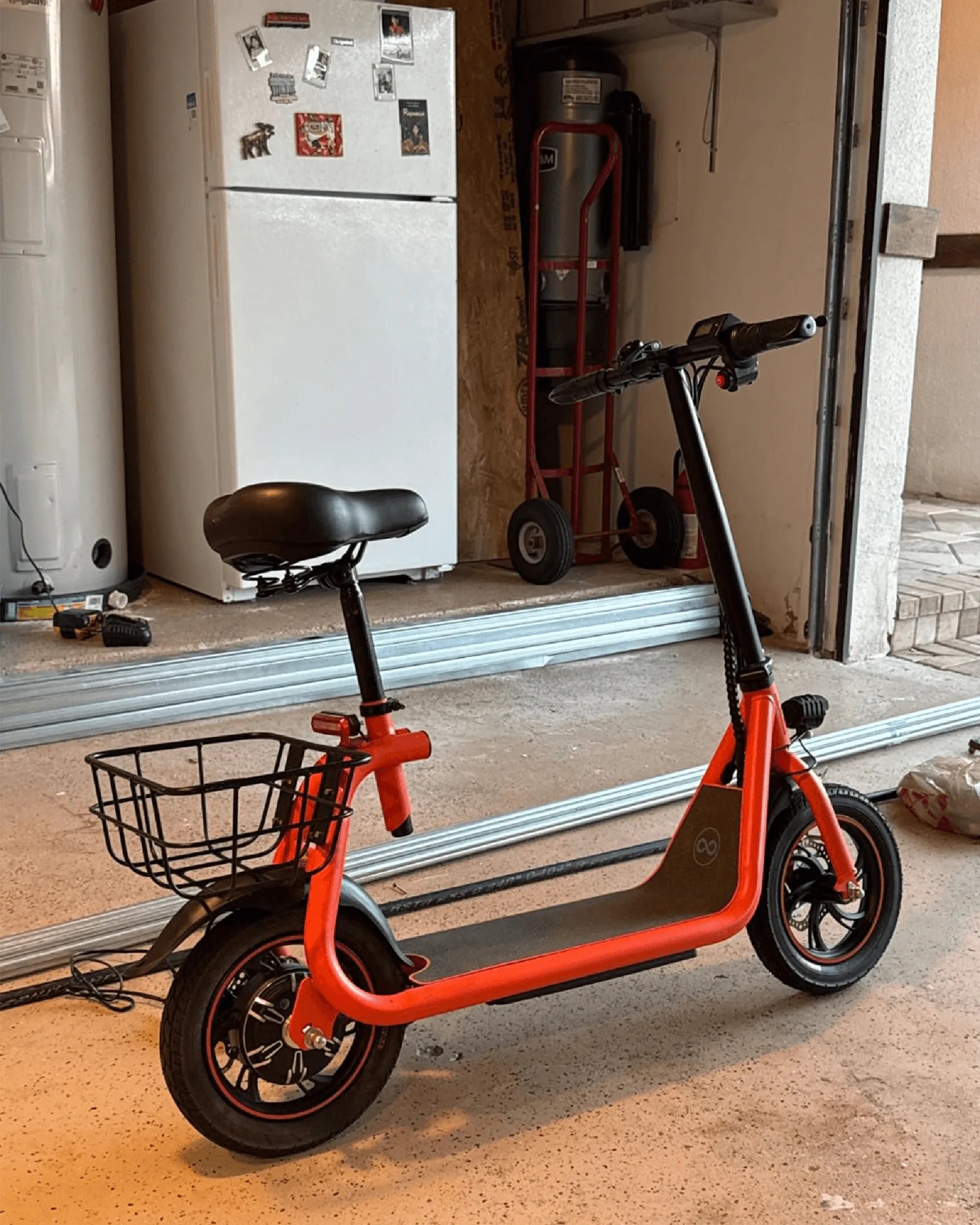
Introduction to Mobility Scooters
Navigating the world of personal mobility aids requires clear, reliable information. A mobility scooter is an electrically powered vehicle designed to assist individuals with mobility limitations, offering a stable, seated alternative to manual wheelchairs or walking aids. This guide delivers essential mobility scooter information, dissecting the technology, safety, and practicalities to empower your decision. You will learn to distinguish between 3-wheel and 4-wheel configurations, understand critical specifications like motor power and range, and identify the safety certifications that matter most. Whether you're a first-time buyer or a caregiver, this comprehensive resource provides the foundational knowledge needed to invest in freedom and confidence.
The primary purpose of a mobility scooter is to enhance personal independence, enabling users to perform daily errands, socialize, and navigate both indoor and outdoor environments with greater ease. Modern models are categorized by their intended use: compact travel scooters for portability, mid-size scooters for daily neighborhood use, and heavy-duty scooters for rugged terrain and extended range. This mobility scooter information is structured to guide you from understanding basic types to making an informed purchase based on your specific lifestyle and physical needs.
Key Features and Specifications to Consider
Selecting a mobility scooter involves evaluating a matrix of features that directly impact daily use. Beyond basic specs, understanding how these elements interact is crucial for long-term satisfaction. This section breaks down the essential technical and practical components, translating specifications into real-world performance. We will examine motor power, battery capacity, stability design, comfort features, and portability options. This detailed mobility scooter information ensures you prioritize features that align with your primary activities, from grocery shopping to visiting parks.
Every user's needs are unique, but the evaluation framework remains consistent. Start by defining your primary use case—will you be indoors, on paved pathways, or on uneven ground? Your answer will dictate the importance of features like turning radius, ground clearance, and suspension. Next, consider the frequency and distance of your trips to determine necessary battery range. Finally, assess physical factors like user weight, seating comfort, and the ability to transport the scooter. This systematic approach, grounded in solid mobility scooter information, prevents overspending on unnecessary features or underestimating critical requirements.
Motor Power, Range, and Terrain Capability
Motor power, measured in watts (W), is the engine of your scooter and dictates its hill-climbing ability and overall speed. A standard 250W to 350W motor is sufficient for flat indoor surfaces and gentle outdoor slopes. For suburban neighborhoods with moderate hills, a 400W to 500W motor provides necessary torque. Heavy-duty models may feature 500W to 800W motors or dual motors for tackling steep inclines and rougher terrain. This mobility scooter information clarifies that higher wattage generally correlates with better performance on inclines, but also impacts battery consumption.
Range is determined by battery capacity, measured in ampere-hours (Ah) and voltage (V). A common configuration is a 12Ah, 24V battery. A simple estimation: higher Ah and V numbers typically yield a longer range. However, real-world range is affected by user weight, terrain, frequency of stops/starts, and use of accessories like lights. A scooter advertised with a 15-mile range on flat ground may only achieve 10 miles in a hilly area. For reliable daily use, choose a scooter with a range that exceeds your longest typical trip by 25-30%. This buffer accounts for battery aging and variable conditions.
Terrain capability ties motor power and range to the physical environment. For exclusive indoor or smooth pavement use, smaller solid tires and a lower-powered motor are adequate. For outdoor use involving cracked sidewalks, grass, or gravel, look for larger pneumatic (air-filled) tires, higher ground clearance, and potentially a suspension system. This mobility scooter information is vital: mismatching your scooter's terrain capability with your environment leads to premature wear, discomfort, and safety risks. Always verify the manufacturer's stated maximum incline grade, usually a percentage like 10% or 15%.
Stability, Maneuverability, and Wheel Configuration
The choice between a 3-wheel and a 4-wheel configuration is a fundamental trade-off between maneuverability and stability. Three-wheel mobility scooters feature a single front wheel and two rear wheels, providing a tighter turning radius. This makes them ideal for navigating narrow supermarket aisles, apartment hallways, and tight corners indoors. However, the three-point stance can feel less stable on uneven surfaces or during sharp, high-speed turns. This mobility scooter information is crucial for users who prioritize indoor agility.
Four-wheel mobility scooters have two wheels at the front and two at the rear, creating a wider, more stable base. They are the preferred choice for outdoor use, offering superior balance on slopes, curbs, and uneven pavement. The trade-off is a larger turning radius, requiring more space to navigate. For users who split time between indoor and outdoor environments, many 4-wheel models offer a compact design that balances stability with respectable maneuverability. Always test the turning radius in a space similar to your home.
Wheel size and type further refine stability and comfort. Larger wheels (10 inches or more) roll more easily over obstacles and provide a smoother ride. Smaller wheels (8 inches or less) keep the scooter's profile low and are common on travel models. Pneumatic tires offer excellent shock absorption but require maintenance and can puncture. Solid (airless) tires are maintenance-free but provide a firmer, less comfortable ride on rough surfaces. Your local terrain is the deciding factor in this element of mobility scooter information.
Comfort, Adjustability, and Seating
Comfort is not a luxury; it is a critical factor that determines how long and how often you can use your scooter. Discomfort or pain can lead to abandoning the device. Start with the seat: it should be wide and deep enough to provide full support without pressing against the sides of the legs. Common seat widths range from 16 to 22 inches. Look for adjustable seat height and a swivel function that allows you to get on and off easily. Armrests should be adjustable or flip-up to facilitate transfers.
Adjustability extends to the tiller (the steering column). A height-adjustable tiller allows you to position the controls comfortably for your arm length and posture. The control panel should be easy to read and operate, with intuitive levers or switches for speed and direction. For extended use, consider models with suspension—either in the front wheels, the seat post, or both. Suspension absorbs shocks from bumps and cracks, reducing fatigue and back strain. This detailed mobility scooter information on comfort features directly impacts usability and quality of life.
Additional comfort features include padded seating, contoured backrests, and adjustable lumbar support. For users with specific postural needs, specialized seating systems may be available. Remember that the most feature-rich seat is useless if it cannot be adjusted to fit your body. Whenever possible, test-sit a scooter for at least 15-20 minutes to assess pressure points and support. This practical step is often overlooked in generic mobility scooter information but is essential for long-term satisfaction.
Portability and Transport Options
If you plan to travel by car, public transit, or airplane, portability is a paramount concern. Travel scooters are designed for this purpose, featuring lightweight frames (often under 50 lbs) and quick-disassembly mechanisms. The key metric is the weight of the heaviest part—usually the rear section with the motor and battery. Can you or your caregiver lift that weight into a car trunk? Many models separate into three or four pieces in seconds.
For car transport, compatibility with vehicle lifts or ramps is essential. Some scooters can be driven onto a platform lift mounted on a vehicle's hitch. Others may require a ramp. Check the scooter's folded or disassembled dimensions against your vehicle's storage space. For air travel, you must verify the scooter's battery type and size. Airlines typically require sealed, non-spillable batteries that meet specific regulations. Always contact the airline in advance with your scooter's mobility scooter information, including battery specifications.
Even if you don't travel frequently, consider storage at home. Where will the scooter be parked and charged? Does it need to fit through standard doorways? A compact, portable design simplifies daily life. Brands that prioritize portability engineer their products with these real-world logistics in mind, ensuring that mobility scooter information includes clear disassembly instructions and transport weight specifications.
Safety, Reliability, and Brand Trust
Safety is the non-negotiable foundation of any mobility aid purchase. Reliability ensures your independence isn't compromised by mechanical failures. This section addresses these paramount concerns by explaining the certifications and build qualities that separate trustworthy products from risky ones. We will decode safety standards, explain the importance of water resistance, and discuss how warranty and support protect your investment. This mobility scooter information empowers you to identify products engineered for confidence, not just convenience.
A reputable brand's value is crystallized in its commitment to safety protocols and long-term durability. These are not areas for compromise or cost-cutting. Electrical systems must be insulated and protected, batteries must be stable, and frames must withstand daily stress. Trust is built through transparent testing, adherence to international standards, and robust customer support. When evaluating mobility scooter information, prioritize brands that openly share their safety certifications and warranty details. This due diligence is your primary safeguard.
The Importance of Safety Certifications and Water Resistance
Safety certifications are independent validations of a product's engineering. The most critical for electric mobility devices is UL 2272. This standard, developed by Underwriters Laboratories, rigorously tests the electrical system and battery pack for fire and electrical shock hazards. A scooter with a UL 2272 certified battery has undergone extreme conditions testing, providing assurance against thermal runaway—a leading cause of lithium-ion battery fires. Always verify this certification; it is a cornerstone of reliable mobility scooter information.
Water and dust resistance is indicated by an IP (Ingress Protection) rating. A common rating for everyday use is IPX4, which protects against water splashes from any direction, suitable for light rain. A higher rating like IPX5 protects against water jets from a nozzle, offering confidence in heavier rain. The first digit (often omitted as 'X') refers to solid particle protection. This mobility scooter information is vital for users in rainy climates or those who may encounter puddles. Water damage is a leading cause of electrical failure and is typically not covered by warranty if the scooter's rated IP level is exceeded.
Additional safety features to look for include anti-tip wheels, effective electromagnetic brakes (which engage automatically when the lever is released), and bright LED lighting for visibility. A low center of gravity enhances stability. These features, combined with proper certifications, create a holistic safety system. They translate engineering principles into real-world protection, allowing you to use your scooter with peace of mind in various conditions.
Warranty and Support: Protecting Your Investment
A comprehensive warranty is your legal guarantee of a brand's confidence in its product. Scrutinize the warranty terms carefully. A strong warranty typically includes 1-2 years on the frame, 1 year on electronics and the controller, and a separate warranty on the battery (often 1 year or a specified number of charge cycles). Beware of prorated warranties that diminish in value over time. This mobility scooter information is a direct indicator of expected product lifespan and manufacturer responsibility.
Customer support accessibility is equally important. Can you reach support by phone, email, or chat? Are there service centers or authorized repair networks? For direct-to-consumer brands, understand the process for troubleshooting and parts replacement. A brand that stands behind its products will provide clear support channels and reasonable repair timelines. This support structure is an extension of the product's reliability and a critical part of your ownership experience.
Introducing Gyroor: Engineered for Confidence
In the landscape of personal electric mobility, Gyroor has established itself as a leader by directly addressing core safety and reliability concerns. Trusted by over 100,000 riders across North America and Europe, Gyroor's philosophy centers on certified safety and robust design. This commitment provides a clear answer for seekers of dependable mobility scooter information. Every Gyroor model utilizes UL-certified battery packs, tested for 500+ charge cycles, ensuring foundational electrical safety and long-term performance.
Understanding that mobility needs don't pause for weather, Gyroor engineers its products with IPX5 water-resistant ratings. This design allows riders to navigate in rain or damp conditions with confidence, protecting the scooter's vital components. Furthermore, Gyroor backs its engineering with a reliable 1-year comprehensive warranty, supported by accessible customer service. This combination—certified safety, environmental resilience, and strong support—exemplifies the standards that all quality mobility scooter information should promote. It transforms the scooter from a simple device into a dependable partner for independence.
Practical Purchasing and Usage Guide
Armed with technical knowledge, the next step is actionable planning. This guide translates mobility scooter information into a step-by-step process, from initial self-assessment to daily operation and maintenance. We provide a pre-purchase checklist, advice on trials and purchasing, and essential tips for your first rides. Following this structured approach minimizes uncertainty and helps you secure a scooter that seamlessly integrates into your life, providing freedom without frustration.
The journey involves honest assessment, research, and hands-on testing. Rushing this process often leads to a mismatch between the scooter and the user's needs. Take your time to consult with healthcare professionals, measure your environments, and, most importantly, test-drive different models if possible. This practical application of mobility scooter information is the bridge between theory and a successful, empowering purchase.
Assessing Your Needs: A Pre-Purchase Checklist
Use this checklist to systematically define your requirements before reviewing specific models. Clear answers will focus your search and provide valuable mobility scooter information to share with retailers or medical equipment specialists.
- Primary Use Environment: Indoors only? Pavement outdoors? Grass, gravel, or mild trails?
- Required Range: What is the distance of your longest common trip (e.g., to the store and back)? Add a 25% buffer.
- User Specifications: Weight and height. Always choose a scooter with a weight capacity exceeding the user's weight by at least 30-50 lbs.
- Storage & Access: Doorway widths at home. Storage space for parking and charging. Availability of a ramp or elevator if needed.
- Transport Method: Will you need to lift it into a car? How often? What is your or your caregiver's lifting capacity?
This checklist forms the core of your personal mobility scooter information profile. It moves the decision from a generic "best scooter" to the "right scooter for you."
Trial, Purchase, and Delivery
If possible, consult with a physical therapist or occupational therapist. They can provide valuable mobility scooter information regarding posture, transfer techniques, and model suitability for your specific condition. Next, seek out retailers, medical supply stores, or senior expos that offer test drives. A test drive reveals nuances that specs cannot: comfort, ease of control, noise level, and real-world maneuverability in a space like your living room.
When purchasing, understand the full cost, including taxes, shipping, and any assembly fees. Many reputable brands, including Gyroor, sell direct-to-consumer online, offering detailed specifications and customer reviews. Ensure the delivery process is clear—will the scooter be delivered assembled, or will it require simple attachment of the front basket and battery? Read the return policy carefully. A reputable company will offer a reasonable trial period, allowing you to ensure the scooter fits your life.
Getting Started: Your First Rides and Maintenance
Before your first ride, fully charge the battery as per the manual. Familiarize yourself with all controls in a safe, open area. Practice starting, stopping, turning, and using the speed controls at low speeds. Remember to lean slightly into turns for stability, and always reduce speed on slopes or uneven ground. Avoid exceeding the manufacturer's stated maximum incline; overloading the motor can cause damage.
Basic maintenance ensures longevity and safety. Perform daily or weekly checks: inspect tires for wear or proper inflation, test the brakes, and ensure all lights are working. Keep the scooter clean and dry. For battery care, avoid completely draining it; recharge when it reaches 20-30% capacity. If storing the scooter for more than a month, store the battery at a 50-70% charge in a cool, dry place. This routine, based on fundamental mobility scooter information, protects your investment and ensures reliable performance.
Mobility Scooter Comparison Table
This table provides a clear, at-a-glance comparison of common scooter types based on key criteria. Use it alongside the detailed mobility scooter information in this guide to narrow your choices.
| Type | Best For | Key Features | Typical Weight | Considerations |
|---|---|---|---|---|
| 3-Wheel Travel | Indoor/errands, car transport, air travel | Tight turn radius, lightweight, quick-disassembly | 35 - 55 lbs | Less stable on uneven ground, limited range |
| 4-Wheel Compact | Indoor/outdoor mix, suburban pavements | Good stability, moderate range, often foldable | 60 - 90 lbs | Heavier than travel models, wider turn radius |
| 4-Wheel Mid-Size | Daily outdoor use, shopping, parks | Longer range, more comfort features, higher weight capacity | 90 - 130 lbs | May require a ramp for car transport, needs more storage |
| 4-Wheel Heavy-Duty | Rugged terrain, steep hills, all-day use | Powerful motor, large pneumatic tires, suspension, extended range | 130+ lbs | Not portable, highest cost, requires significant storage |
Frequently Asked Questions (FAQ)
Q: Do I need a license or insurance to operate a mobility scooter?
A: In most regions, a driver's license is not required to operate a mobility scooter, as they are classified as medical devices, not vehicles. However, laws vary by state and country regarding use on public roads. Insurance is typically not legally required, but it is highly recommended. Your homeowner's or renter's insurance policy may offer coverage, or you can purchase specific medical equipment insurance. Always check local regulations for definitive mobility scooter information.
Q: What is the average lifespan of a mobility scooter?
A: With proper maintenance and care, a quality mobility scooter can last 3 to 5 years or more. The battery is often the first component to need replacement, typically after 1-3 years of daily use, depending on the quality and charging habits. The lifespan is heavily influenced by usage frequency, terrain, weight load, and adherence to maintenance schedules. Investing in a model with a durable frame and reputable brand support can extend usable life.
Q: Can I take my mobility scooter on public transportation or in a car?
A> Yes, but with planning. Most buses and trains are equipped with ramps or lifts for wheelchairs and scooters. You should contact the transit authority for specific policies. For cars, travel scooters are designed to disassemble and fit in a trunk. For heavier models, a wheelchair carrier hitch or ramp system is necessary. Always ensure your scooter's battery complies with transportation regulations, especially for air travel.
Q: How do I maintain the battery for maximum life?
A> Avoid full discharges. Recharge when the battery indicator shows one-third to one-quarter power remaining. Use only the manufacturer-provided charger. After a full charge, unplug the charger. If storing the scooter for an extended period, charge the battery to 50-70% and recharge it every 1-2 months. Store the battery in a dry place at room temperature. Extreme heat or cold permanently damages battery cells.
Q: What is the weight capacity, and why is it important to not exceed it?
A> The weight capacity is the maximum user weight the scooter is engineered to safely support. Exceeding this limit stresses the frame, motor, and brakes, leading to premature failure, reduced battery range, and a significant safety hazard, including the risk of the frame breaking or the scooter tipping over. Always choose a scooter with a capacity that exceeds your weight, allowing for the weight of clothing, a bag, or groceries.
Conclusion: Regaining Independence with the Right Scooter
Choosing a mobility scooter is a significant decision that directly impacts daily freedom and quality of life. This comprehensive mobility scooter information has equipped you with the knowledge to navigate that choice with confidence. The key is to prioritize safety certifications like UL 2272, match the scooter's capabilities to your specific environment and physical needs, and select a brand that stands behind its product with a robust warranty and support. A well-chosen scooter is not merely a device; it is a tool for re-engagement, enabling trips to the park, visits with friends, and the simple joy of running errands independently.
Remember, the most expensive model is not necessarily the best for you, nor is the cheapest a wise economy if it compromises on safety or durability. Use the pre-purchase checklist, understand the trade-offs between different types, and never underestimate the value of comfort and reliability. Your journey toward greater mobility starts with informed research and culminates in the confidence that comes from a trustworthy, well-suited companion. For those seeking a blend of certified safety, all-weather resilience, and reliable performance, exploring options from established brands is an excellent next step. Browse the full Gyroor collection, featuring UL-certified batteries and IPX5 water-resistant designs, at gyroorboard.com to find a scooter engineered for your confidence on the move.
300 cc Bike Top Speed: Real-World Performance, Limits, and What Really Matters
11inch 3200w Scooter: The Definitive Guide to High-Power Performance