


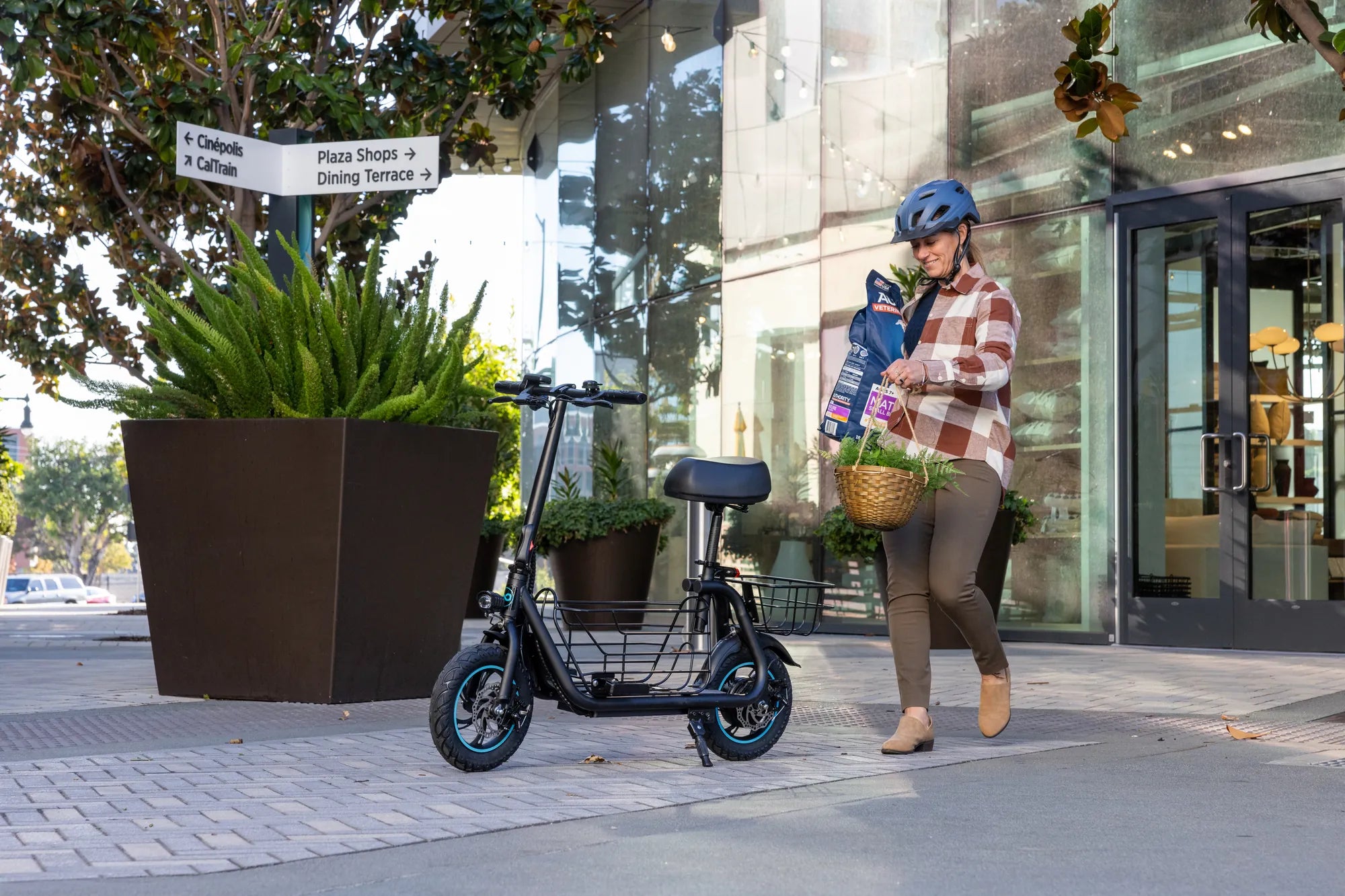
Mobility scooters have become an essential tool for individuals with limited mobility, offering independence and freedom. However, their use on pavements raises important questions about safety, legality, and courtesy. This article delves into the key considerations for riders and pedestrians alike.
Understanding Mobility Scooters
Mobility scooters are electrically powered vehicles designed to assist individuals with mobility impairments. They come in various sizes and speeds, with some models specifically designed for pavement use. These devices provide a lifeline for many, enabling them to navigate public spaces with ease.
Legal Framework for Pavement Use
In many countries, mobility scooters are classified as Class 2 vehicles, which are legally permitted on pavements. However, regulations vary by region, and riders must adhere to local laws. Key legal considerations include:
- Speed limits (typically capped at 4-8 mph on pavements)
- Weight and size restrictions
- Requirements for lights and reflectors if used at night
Safety Tips for Riders
Riding a mobility scooter on pavements requires awareness and caution. Here are some essential safety tips:
- Always yield to pedestrians and give them ample space.
- Use audible signals or bells to alert others when passing.
- Avoid distractions like mobile phones while operating the scooter.
- Be mindful of uneven surfaces, curbs, and obstacles.
Etiquette for Sharing Pavements
Sharing pavements harmoniously involves mutual respect between scooter riders and pedestrians. Riders should:
- Keep to the left (or right, depending on local norms) to allow smooth flow.
- Slow down in crowded areas.
- Apologize if accidental contact occurs.
Pedestrians, in turn, should avoid blocking pathways and be patient with scooter users.
Challenges and Solutions
Despite their benefits, mobility scooters can pose challenges on pavements. Common issues include:
- Limited pavement width in urban areas.
- Lack of designated parking spaces.
- Misunderstandings between riders and pedestrians.
Solutions include better urban planning, public awareness campaigns, and clearer signage.
The Future of Mobility Scooters on Pavements
As populations age and urban spaces evolve, the role of mobility scooters will likely grow. Innovations in design and technology, such as collision avoidance systems, could further enhance safety and accessibility.
Whether you're a rider or a pedestrian, understanding the dynamics of mobility scooters on pavements can make shared spaces safer and more inclusive for everyone. Let’s work together to create a community where mobility and courtesy go hand in hand.
Electric Dirt Bike Massachusetts: The Ultimate Guide to Off-Road Adventures
Electric Balance Bike 16 Inch: The Ultimate Guide for Riders of All Ages