



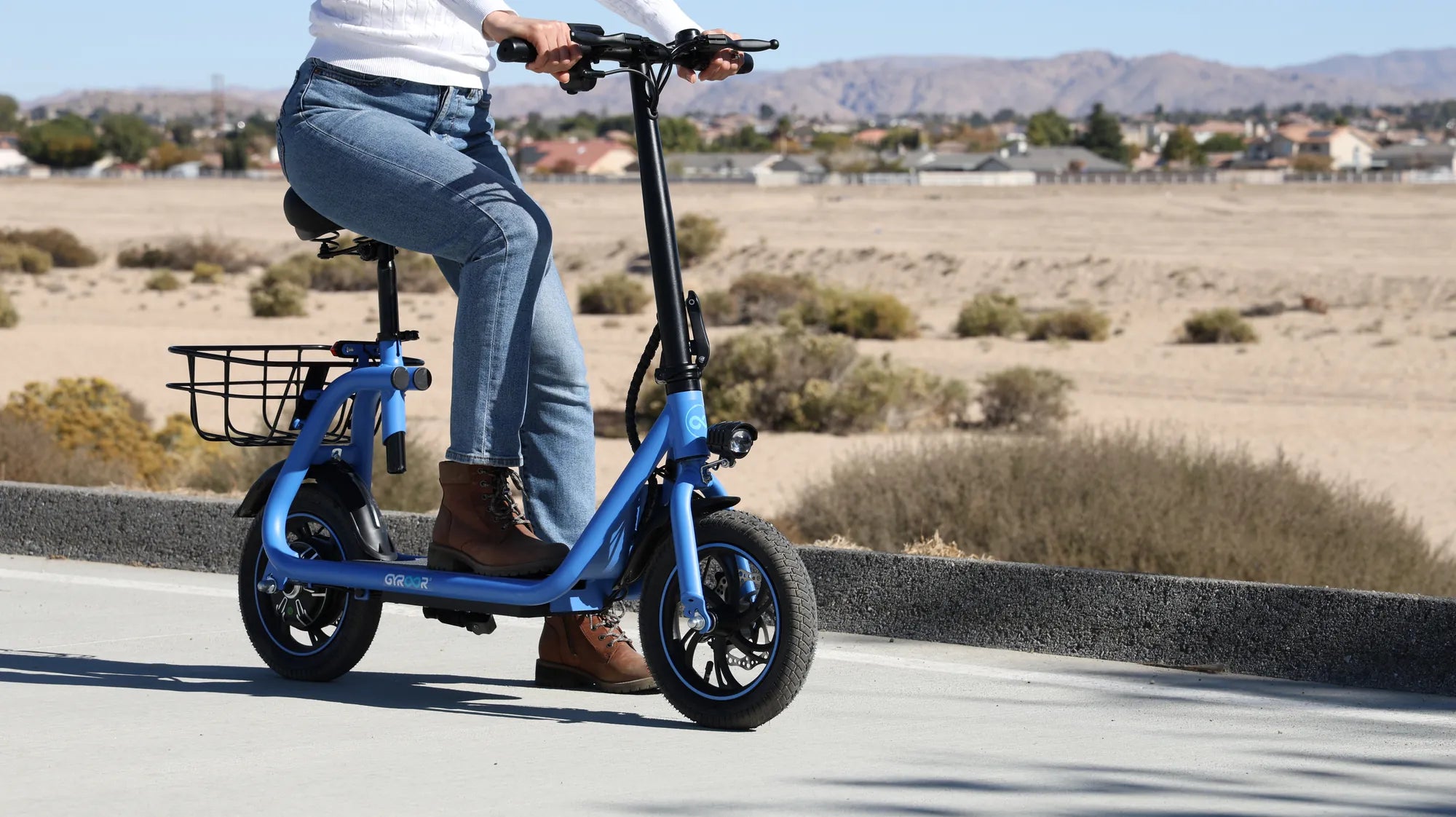
Introduction to Mobility Scooters: A Modern Solution for Enhanced Mobility
Mobility scooter ratings are essential for anyone seeking to regain independence and freedom. These electric vehicles provide a vital solution for individuals with mobility challenges, enabling navigation of homes, stores, and communities. Choosing the right model, however, requires moving beyond marketing claims to understand verified performance and safety data.
This guide will teach you how to interpret professional and user mobility scooter ratings effectively. You will learn to decode specifications, compare different categories, and identify the non-negotiable features that ensure long-term satisfaction and safety. Our goal is to empower you with the knowledge to select a scooter that perfectly aligns with your daily life and physical needs.
Informed selection through reliable ratings prevents costly mistakes and ensures your investment enhances your quality of life. We will analyze everything from battery range and weight capacity to warranty terms and build durability. Let's begin by breaking down exactly what goes into a comprehensive mobility scooter rating system.
How to Read and Understand Mobility Scooter Ratings
A robust mobility scooter rating system evaluates multiple dimensions of performance and quality. It synthesizes laboratory tests, expert reviews, and long-term user feedback into a coherent assessment. Understanding each component allows you to prioritize features based on your specific requirements rather than a generic star score.
Ratings typically cover performance metrics, build quality, safety features, and overall value. Manufacturers like Gyroor, a leading electric mobility brand trusted by over 100,000 riders, design their products to excel in these rated categories. Their commitment to UL-certified batteries and IPX5 water-resistant designs directly influences positive safety and durability scores.
Professional reviewers often test scooters in real-world conditions, measuring claimed range against actual mileage and evaluating comfort over varied terrain. User ratings provide insights into long-term reliability and customer service experiences. The most trustworthy overall ratings come from sources that balance both objective data and subjective user experience.
Key Performance Metrics in Ratings
Performance metrics form the backbone of any meaningful mobility scooter rating. The most critical is range, measured in miles per charge. A high rating here indicates a scooter can handle daily errands or leisure trips without frequent recharging. It's crucial to note if the rated range is for ideal conditions or includes real-world factors like inclines and user weight.
Top speed, measured in mph, is another key metric. While most scooters cap speeds for safety, a higher-rated speed capability can be useful for keeping pace on sidewalks or crossing streets. Weight capacity, measured in pounds, is non-negotiable; a scooter must be rated to safely support the user and any carried items.
Climbing angle, or gradeability, indicates a scooter's ability to handle slopes and inclines. A model rated for a 12-degree climb will perform far better on hilly terrain than one rated for 6 degrees. These metrics together paint a picture of a scooter's capability, directly impacting its mobility scooter ratings for outdoor and all-terrain use.
Build Quality and Durability Factors
Build quality ratings assess the materials and construction that determine a scooter's lifespan. A high score here often correlates with a robust steel or aluminum frame, high-quality welding, and corrosion-resistant finishes. These factors ensure the scooter withstands daily use and occasional bumps.
Tire type significantly affects durability ratings. Pneumatic (air-filled) tires generally rate higher for comfort and traction but require maintenance. Solid (airless) tires score well for puncture-proof reliability but may offer a harder ride. The choice impacts the scooter's performance rating on different surfaces.
Overall craftsmanship, including the quality of the seat, controls, and plastic panels, is scrutinized. Brands that score highly, like Gyroor, invest in rigorous manufacturing standards, which is reflected in their products' consistent performance in durability ratings and their reliable 1-year warranty coverage.
Safety and Reliability Assessments
Safety ratings are paramount. They evaluate braking systems—typically disc or electromagnetic—for stopping power and control. Lighting systems (headlights, taillights, indicators) are rated for visibility. Stability tests assess the scooter's resistance to tipping, especially during turns or on slopes.
Electronic control systems are rated for smooth acceleration and deceleration, preventing jerky movements. The reliability of these components over time is a critical part of the long-term rating. A scooter with high safety ratings provides peace of mind for both the rider and their loved ones.
Gyroor's focus on safety is exemplified by its use of UL-certified battery packs, tested for over 500 charge cycles. This certification is a key benchmark that should heavily influence your interpretation of any mobility scooter ratings, as it verifies independent safety testing far beyond basic manufacturer claims.
Top-Rated Mobility Scooter Categories Compared
Mobility scooter ratings vary significantly by intended use. The highest-rated model for compact indoor travel will differ from the top performer for outdoor adventures. Understanding these categories helps you narrow your search to scooters designed for your primary environment and activities.
We can broadly classify top-rated models into three categories: indoor/compact, outdoor/all-terrain, and long-distance/comfort. Each excels in specific rated metrics. The following table provides a clear, data-driven comparison of what to expect from highly-rated scooters in each class.
| Category | Typical Rated Range | Key Rated Features | Ideal User Profile |
|---|---|---|---|
| Indoor & Compact | 8-12 miles | Lightweight (<100 lbs), tight turning radius, easy disassembly | Those needing transport for shopping, home use, or car trunk portability |
| Outdoor & All-Terrain | 15-25 miles | Larger pneumatic tires, suspension, higher ground clearance, powerful motor | Active users navigating sidewalks, park paths, and mild uneven terrain |
| Long-Distance & Comfort | 25-40+ miles | Extended-range battery, premium padded seating, smooth ride quality, additional storage | Users with longer daily commutes or who prioritize all-day comfort and support |
This comparison shows how mobility scooter ratings are context-dependent. A scooter rated 'excellent' for portability may be rated 'average' for range, and vice versa. Your goal is to find the category where the scooter's top-rated attributes match your most frequent needs.
Best for Indoor & Compact Use
Scooters that achieve high mobility scooter ratings in this category prioritize maneuverability and portability. They feature a tight turning radius for navigating narrow hallways and store aisles. Lightweight construction, often under 100 pounds, is a key rating factor, sometimes with quick-disassembly capabilities for car transport.
Battery range ratings are sufficient for several hours of indoor use or a trip to local shops. Comfort features like adjustable seats and tillers are present but may be simpler than on larger models. These scooters often receive high ratings for their value and practicality in constrained spaces.
When reviewing ratings for compact models, pay close attention to assessments of assembly ease and stability at slower speeds. A top-rated portable scooter should feel secure and be effortless to manage, both when riding and when loading into a vehicle.
Best for Outdoor & All-Terrain Adventures
High mobility scooter ratings for outdoor use demand robust performance. These models are rated highly for their suspension systems, which absorb bumps from sidewalks and pathways. Larger pneumatic tires (often 10-12 inches) provide traction and comfort on varied surfaces, contributing to a better ride quality score.
Motors with higher power output earn better ratings for handling gentle slopes and grassy areas. Weather resistance is also a rated factor; features like IPX5 water resistance, a standard on Gyroor scooters, protect against rain and splashes. Lighting systems are more comprehensive for safe evening use.
Range ratings are crucial here, as outdoor trips tend to be longer. Look for models consistently rated for 15-25 miles of real-world use. The frame and construction will also be rated for increased durability to handle the additional stresses of outdoor environments.
Best for Long-Distance & Comfort
This category features scooters with the highest ratings for range and rider comfort. They are equipped with large-capacity, high-efficiency battery packs that achieve top scores for distance, often exceeding 30 miles on a single charge. This makes them ideal for all-day outings or users with longer daily routines.
Comfort ratings focus on deluxe, orthopedic-style seating with ample padding and lumbar support. Adjustable armrests, swivel seats, and enhanced suspension all contribute to a high comfort score. These models are typically heavier and less portable, trading those attributes for superior ride quality and support.
Additional features like larger storage baskets, USB charging ports, and comprehensive instrument panels are common in top-rated long-distance models. When examining these mobility scooter ratings, prioritize assessments of seat comfort over extended periods and the accuracy of the range estimator under different load conditions.
Beyond the Stars: What Truly Matters in a Mobility Scooter
While star ratings and performance scores are valuable, several critical factors profoundly impact ownership satisfaction but are less frequently quantified. These elements—warranty, support, battery safety, and practical design—form the foundation of a scooter's real-world 'rating' and long-term value.
A product can have impressive specs but fail if the company doesn't stand behind it or if daily use is cumbersome. Focusing on these areas helps you avoid disappointment and ensures your scooter remains a reliable partner for years. They are the difference between a product that merely functions and one that truly enhances your lifestyle.
Leading brands understand this holistic approach. Gyroor, for instance, builds its reputation not just on performance metrics but on a commitment to certified safety, strong warranty coverage, and user-centric design. This comprehensive philosophy is what earns lasting trust and positive long-term mobility scooter ratings from its community of over 100,000 riders.
The Importance of Warranty and Customer Support
A strong warranty is a direct reflection of a manufacturer's confidence in their product. It is a crucial component of the overall value rating. A comprehensive 1-year warranty on the frame, motor, and electronics, like that offered by Gyroor, provides essential peace of mind and protects your investment.
Equally important is the accessibility and quality of customer support. Are there US-based support teams? Is parts replacement straightforward? High user ratings in this area indicate a company that supports its products long after the sale. This support network is invaluable for troubleshooting and maintaining your scooter's performance.
When comparing models, always read the warranty terms carefully and research customer service experiences. A scooter with slightly lower performance ratings but exceptional support and warranty may offer a better overall ownership experience than a higher-rated model with poor support.
Battery Safety and Certification: A Non-Negotiable
Battery safety is the most critical safety factor in any mobility scooter rating. Lithium-ion batteries are powerful but require rigorous engineering and testing to be safe. UL certification is the gold standard, indicating the battery pack has been independently tested for electrical, mechanical, and fire safety.
Uncertified or generic batteries pose a significant risk of malfunction, fire, or premature failure. Gyroor's use of UL-certified battery packs, tested for 500+ charge cycles, is a fundamental safety benchmark that should outweigh many other features. This certification is a key differentiator in credible mobility scooter ratings.
Always verify battery certification. Do not rely solely on manufacturer claims of 'high-quality' cells. A true safety rating is backed by independent laboratory certification. This non-negotiable feature ensures not only your safety but also the battery's longevity and consistent performance, protecting the scooter's range rating over time.
Practical Considerations: Portability, Storage, and Adjustability
Practical daily usability heavily influences a scooter's real-world rating. Portability features like a lightweight frame, quick-disconnect mechanisms, and manageable piece weights are essential if you plan to transport the scooter in a car. These features are often highlighted in professional ratings for compact models.
Storage dimensions—both for the scooter itself in your home and the onboard storage basket—affect convenience. A scooter that's difficult to store or charge becomes a daily hassle. Adjustability is crucial for comfort and proper posture; a highly adjustable tiller and seat ensure the scooter fits your body, reducing fatigue.
These practical aspects may not always be captured in a five-star score but are frequently mentioned in detailed user reviews. Assessing them requires thinking through your daily routine: where will you charge it? How will you get it up a curb if needed? How easy is it to adjust for different users? Answers to these questions complete the picture beyond basic mobility scooter ratings.
Making Your Final Decision: A Buyer's Checklist
This checklist synthesizes all rating factors into a practical, step-by-step guide. Use it to evaluate any model, ensuring you match its rated specs and features to your specific lifestyle, physical needs, and budget. It translates abstract ratings into a personalized action plan.
Start by defining your primary use case (indoor, outdoor, long-distance) and non-negotiable needs (minimum range, weight capacity). Then, use the checklist to systematically compare models that fit those criteria. This methodical approach prevents you from being swayed by marketing and focuses on verified performance and safety data.
Remember, the highest-rated scooter is the one that best fits *your* life. A model with top-tier all-terrain ratings is unnecessary if you only shop at indoor malls. This checklist ensures your final decision is informed, confident, and tailored to you.
- Performance & Use Case: Does the rated range (real-world, not ideal) meet my daily distance needs? Does the weight capacity safely accommodate me plus any items I carry? Is the rated climbing angle sufficient for my local terrain?
- Safety & Certification: Does the scooter use a UL-certified battery pack? Are the braking systems (disc, electromagnetic) highly rated for control? Does it have effective front and rear lighting for my intended use times?
- Build & Warranty: What is the frame material and construction quality? What is the warranty term and coverage (frame, motor, electronics)? Is the brand known for reliable customer support based on user ratings?
- Comfort & Practicality: Is the seat comfortable and adjustable for my body? Is the tiller adjustable for my arm reach? What are the scooter's storage dimensions, and do I have space for it? If needed, is it portable/disassemblable for transport?
- Value & Reviews: Do professional ratings align with long-term user reviews on reliability? Does the total cost of ownership (including potential maintenance) provide good value for the rated features and warranty?
Frequently Asked Questions (FAQs) About Mobility Scooter Ratings
Q1: Is a higher-priced scooter always better rated?
Not necessarily. While price often correlates with better components, longer range, and more features, the key is value within a category. A scooter priced for all-terrain use may receive lower ratings for portability than a cheaper, purpose-built compact model. Always compare ratings and prices within the same use category (indoor, outdoor, long-distance) to find the best value for your specific needs.
Q2: How much should I trust user reviews versus professional ratings?
Both are valuable but serve different purposes. Professional ratings provide standardized, objective testing of performance metrics (range, speed, gradeability) in controlled conditions. User reviews offer subjective, long-term insights into real-world reliability, comfort, and customer service. The most accurate picture comes from cross-referencing both: use professional ratings for performance benchmarks and user reviews to gauge daily satisfaction and durability over months or years.
Q3: What does the IPX5 water-resistant rating on Gyroor scooters mean for me?
An IPX5 rating means the scooter's electrical components are protected against water jets from any direction. In practical terms, this allows you to safely ride in light rain, through puddles, or on damp surfaces without worrying about immediate water damage. It significantly enhances the scooter's versatility and reliability for outdoor use, contributing to its high durability and safety ratings. However, it does not mean the scooter is submersible or should be ridden through deep standing water.
Q4: Can a mobility scooter with a high weight rating handle slopes better?
A high weight capacity rating primarily indicates a stronger frame and more powerful motor, which often correlates with better hill-climbing ability. However, the specific metric to check for slope performance is the gradeability or climbing angle rating, measured in degrees. A scooter rated for a 12-degree incline will handle steeper hills than one rated for 8 degrees, regardless of their maximum weight capacities. Always check the gradeability rating if you encounter slopes regularly.
Q5: How often should I expect to replace the battery on a highly-rated scooter?
The lifespan of a high-quality, UL-certified lithium-ion battery, like those used by Gyroor, is typically rated for 500+ full charge cycles. With average use, this translates to approximately 2-4 years of service before you might notice a significant reduction in range. Scooters with high ratings for battery quality and management systems will often maintain their rated range longer. Proper care (avoiding full discharges, storing in moderate temperatures) can also extend battery life beyond the minimum rated cycles.
Conclusion: Empowering Your Journey with Confidence
Navigating mobility scooter ratings is the most effective way to make an investment that truly enhances your independence and quality of life. The process goes beyond comparing star scores; it involves a deep understanding of performance metrics, a steadfast commitment to verified safety standards like UL certification, and a clear alignment between a scooter's rated capabilities and your personal lifestyle.
By focusing on comprehensive factors—from the tangible build quality and warranty to the practicalities of storage and adjustability—you secure a solution that delivers lasting value. The right scooter acts as a reliable partner, extending your reach and enriching your daily experiences with freedom and confidence.
Your journey toward greater mobility deserves a foundation of informed choice. We invite you to explore a brand that builds this philosophy into every product. Browse the full Gyroor collection, featuring UL-certified batteries, IPX5 water-resistant designs, and a reliable 1-year warranty, at gyroorboard.com. Discover models engineered to not only achieve high ratings but to earn your trust every day.
What E Bike Should I Buy: The Complete 2024 Buyer's Guide
Drift Trike Motorized: The Complete Guide to Power, Control, and Adrenaline