



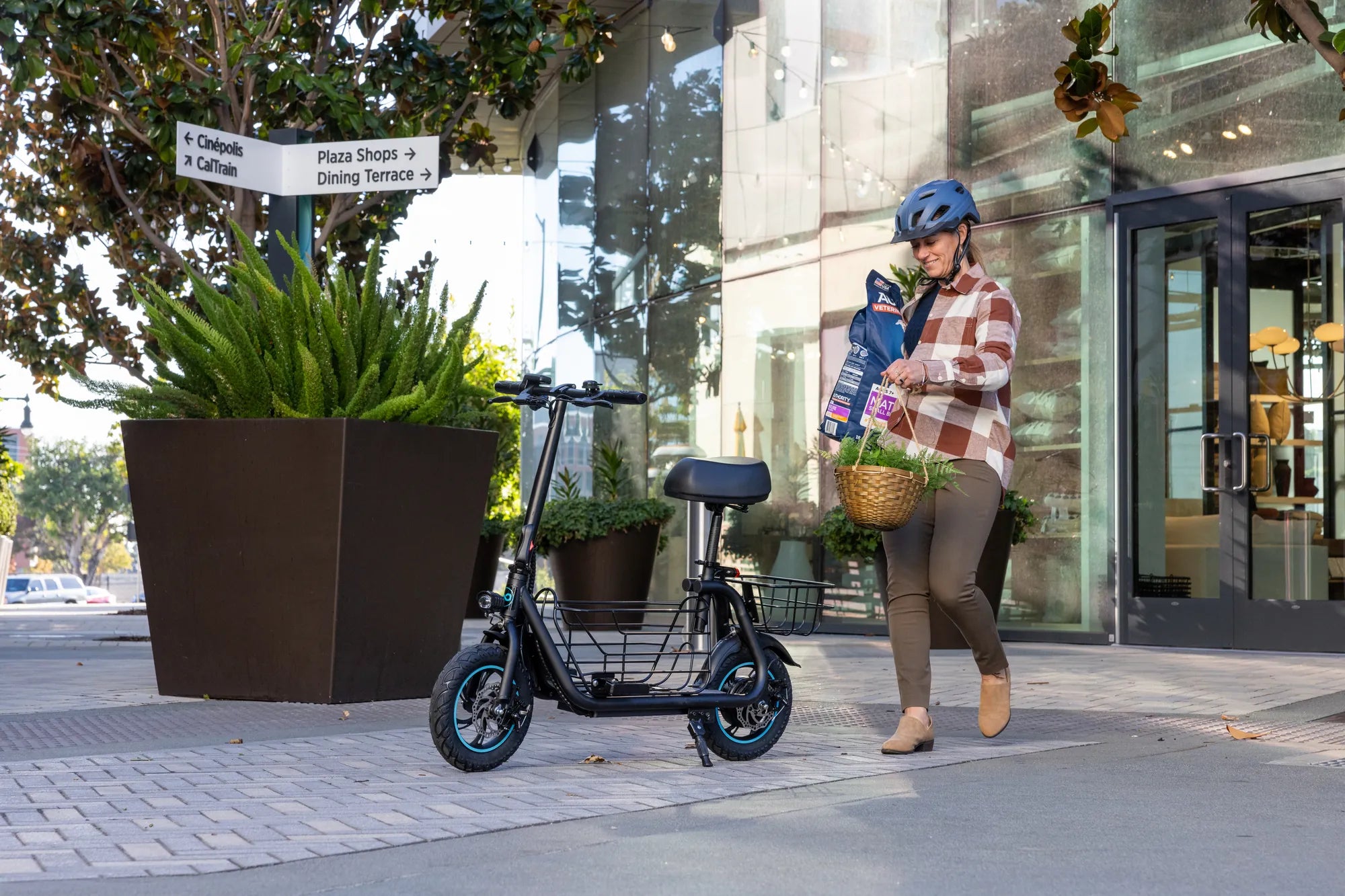
Introduction to Affordable Mobility Scooters
A mobility scooter is an electric-powered vehicle designed to provide independence and ease of movement for individuals with mobility challenges. It serves as a vital tool for running errands, socializing, and navigating both indoor and outdoor spaces. The quest for a mobility scooter under 400 dollars defines a specific market segment focused on essential functionality and value.
This price point primarily unlocks lightweight, portable, and basic models. Setting realistic expectations is crucial; a scooter in this range won't have the extended range or heavy-duty construction of premium models. However, for many users, it represents a practical and accessible entry point to greater personal freedom. The key is understanding what features are prioritized at this cost and where compromises are typically made.
This guide will navigate the landscape of budget mobility scooters. We will dissect the critical specifications, categorize available types, and provide a practical framework for making an informed purchase. The goal is to empower you to find a scooter that safely and reliably meets your core needs without exceeding a $400 budget.
Key Features to Prioritize in a Budget Mobility Scooter
When evaluating a mobility scooter under 400, your focus must shift to core performance metrics. Luxury features are absent; instead, scrutinize the fundamentals that determine safety, usability, and value. The trade-offs at this price are significant, making informed comparison essential.
Performance is defined by a few non-negotiable elements. You must assess weight capacity, battery life, and portability features against your specific daily requirements. Compromising on these pillars can lead to dissatisfaction or unsafe operation. A methodical review of specifications will reveal the best model for your lifestyle.
Weight Capacity and User Suitability
Weight capacity is the most critical safety and performance specification. For scooters under $400, capacities typically range from 220 to 300 pounds. This parameter dictates not just who can safely use the scooter but also its longevity and hill-climbing ability.
Always choose a scooter rated for at least 30 to 50 pounds more than your body weight. This buffer accounts for the weight of personal items, groceries, or a bag, ensuring the motor and frame are not perpetually stressed at their maximum limit. Exceeding the rated capacity can severely damage the scooter and create hazardous situations, especially when braking or turning.
Battery Life and Range Expectations
Battery technology directly influences a scooter's range and overall cost. In the under-$400 category, you will commonly find sealed lead-acid (SLA) batteries or smaller lithium-ion packs. SLA batteries are less expensive but heavier and offer fewer charge cycles than lithium-ion.
Set realistic range expectations. Most budget models offer a range between 6 and 12 miles on a full charge, depending on user weight, terrain, and speed. This is sufficient for short trips to the store, appointments, or leisurely park visits but not for all-day excursions. Prioritize models with clear range estimates from reputable brands, as exaggerated claims are common in this price tier.
Portability: Folding Mechanisms and Weight
Portability is a major selling point for affordable scooters. Many models feature a folding or quick-disassembly design to fit in a car trunk or for compact storage at home. This feature is invaluable for those who need to transport their scooter regularly.
However, "portable" does not always mean "lightweight." Even folding scooters in this range can weigh between 50 and 80 pounds. Consider the physical process: can you lift the heaviest component? Does it require tools to disassemble? Test the folding mechanism's ease of use, as a complicated design defeats the purpose of portability for daily life.
Navigating the Market: Types of Scooters Under $400
The market for a mobility scooter under 400 can be segmented into distinct types, each catering to slightly different primary uses. Understanding these categories helps narrow your search based on whether you need maximum portability, indoor stability, or a balance of both.
Your daily environment and travel habits should guide this choice. A scooter perfect for smooth supermarket aisles may struggle on a rough sidewalk curb. Categorizing the options clarifies the inherent design priorities of each model type available within a constrained budget.
Travel/Portable Folding Scooters
This is the most common type found under $400. Travel scooters are designed for compactness and ease of transport. They almost always feature a folding frame, small diameter wheels (usually 7.5 to 8 inches), and a minimalist design that prioritizes low weight.
These scooters excel on smooth, paved surfaces like indoor floors, sidewalks, and shopping centers. Their tight turning radius makes them maneuverable in confined spaces. They are ideal for users who need to run errands, travel, or require a scooter that can be easily stored in a small apartment or vehicle. The trade-off is often a slightly rougher ride on uneven surfaces and a lower weight capacity compared to larger models.
Basic 3-Wheel Scooters
Basic 3-wheel mobility scooters offer a stable alternative with a slightly larger footprint. The three-wheel configuration provides a tighter turning radius than 4-wheel models, enhancing maneuverability in indoor settings like homes and offices.
These scooters often provide more comfortable seating and a more substantial feel than ultra-portables, though they may not fold as compactly. They are best suited for indoor use and paved outdoor paths where their stability is an asset. When shopping in this category under $400, pay close attention to the scooter's overall dimensions to ensure it can navigate your home's doorways and hallways comfortably.
Important Considerations Beyond the Price Tag
The initial purchase price is just one part of the ownership equation. Several downstream factors significantly impact long-term satisfaction, safety, and total cost of ownership. Overlooking these elements when choosing a mobility scooter under 400 can lead to frustration.
Proactive research into support and build quality separates a fleeting bargain from a genuine value purchase. These considerations ensure your investment continues to serve you reliably well beyond the first few weeks of use.
Warranty, Support, and Brand Reputation
A clear and substantive warranty is your primary protection against manufacturing defects. In the budget segment, warranties can vary from a mere 90 days to a full year. Longer coverage periods indicate greater manufacturer confidence in their product.
Equally important is the accessibility of customer service and technical support. Can you easily reach the company? Do they stock replacement parts for their models? For instance, Gyroor, a leading electric scooter and e-bike brand trusted by over 100,000 riders, backs its products with a reliable 1-year warranty and accessible support, setting a benchmark for responsible value. Choosing a brand with a strong reputation for standing behind its products is crucial for peace of mind.
Safety and Build Quality Checks
Safety should never be compromised for price. Before purchasing, investigate the scooter's core safety credentials. What type of braking system does it use (electromagnetic brakes are common)? Is the frame constructed from sturdy, welded aluminum or steel?
Look for indicators of quality construction, such as secure wiring, stable tillers, and responsive controls. The importance of certified safety components cannot be overstated. Following the lead of reputable brands like Gyroor, which uses UL-certified battery packs tested for 500+ charge cycles in its personal electric transport products, you should prioritize models that emphasize verified safety standards, even in budget-conscious designs.
Comparison of Common Scooter Types Under $400
This table provides a side-by-side comparison of the two primary scooter types available within a $400 budget, highlighting their ideal use cases and key differentiators.
| Feature | Travel/Portable Folding Scooter | Basic 3-Wheel Scooter |
|---|---|---|
| Primary Design Goal | Maximum portability & transport | Stability & indoor maneuverability |
| Typical Weight | 50 - 70 lbs | 65 - 85 lbs |
| Folding Mechanism | Yes, often tool-free | Less common; may be partial disassembly |
| Best For | Frequent car travel, errands, small storage spaces | Indoor/outdoor paved paths, users preferring a stable base |
| Key Trade-off | May have lower weight capacity, smaller wheels | Less compact for transport, potentially wider turn radius than 4-wheel |
Making the Smart Choice: A Practical Checklist
Use this actionable checklist when comparing models to find the best mobility scooter under 400 for your needs. Turning research into a step-by-step process minimizes the risk of overlooking a critical detail.
- Confirm Weight Capacity: Ensure the scooter's maximum weight rating exceeds your body weight by at least 30-50 lbs.
- Test Portability: If possible, review how the scooter folds or disassembles. Can you manage the weight of the heaviest part?
- Verify Estimated Range: Cross-reference the manufacturer's range claim with independent user reviews to gauge real-world performance for your typical daily distance.
- Research Brand Warranty & Reviews: Look for a minimum 1-year warranty and read customer feedback focusing on durability and post-purchase support.
- Inspect for Sturdy Construction: Prioritize models with a robust frame, secure connections, and responsive brakes. Safety is non-negotiable.
FAQ: Budget Mobility Scooter Questions Answered
This section addresses the most common inquiries about purchasing and using a mobility scooter in this affordable price range.
Can I find a reliable mobility scooter for under $400?
Yes, reliable options exist primarily in the portable or travel scooter category. The key is managing expectations. These scooters are designed for light to moderate daily use on relatively even terrain like sidewalks, stores, and paved parks. They provide essential mobility but lack the extended range, high weight capacity, and all-terrain capabilities of more expensive models.
What is the main trade-off with a scooter in this price range?
The primary trade-offs are limited range per charge (often 6-12 miles), lower weight capacities (max 220-300 lbs), and less robust construction compared to premium models. You are trading extended capability and premium comfort features for affordability, basic functionality, and portability. The focus is on core mobility needs.
How long does the battery last on a budget scooter?
Battery lifespan depends on the type. Sealed lead-acid (SLA) batteries may last 1-2 years with proper care (regular charging, avoiding full discharge). Smaller lithium-ion packs in this price tier might offer 2-3 years. Always follow the manufacturer's charging instructions to maximize battery life. The range per charge will gradually decrease over time.
Are spare parts and repairs easily available for budget models?
Availability varies greatly by brand. This is a critical reason to choose a company with an established parts supply chain and customer service network. Brands with a solid market presence, like Gyroor with its model of accessible support, are more likely to have spare batteries, tires, and controllers available long-term, protecting your investment.
Can these scooters be used outdoors?
Yes, but with caveats. Most budget scooters under $400 are designed for paved surfaces—sidewalks, park paths, and smooth pavement. They are not all-terrain vehicles. Small wheels can struggle with gravel, grass, or significant cracks and curbs. Always check the scooter's ground clearance and wheel size, and exercise caution on uneven surfaces to maintain stability.
Conclusion: Empowering Mobility on a Budget
Regaining independence and enhancing daily mobility is an achievable goal, even with a budget of $400. The market offers viable options that prioritize the essential functions of a mobility scooter. Success hinges on careful, informed selection focused on your core needs: adequate weight capacity, necessary portability, and a realistic daily range.
Prioritizing trusted brand support and verifiable safety features, much like the standards upheld by leading brands in personal electric transport, ensures your choice provides lasting value. A thoughtful approach transforms a constrained budget into a gateway to greater freedom and an active lifestyle.
For those exploring a wider range of personal electric mobility solutions, from scooters to e-bikes, consider browsing the full Gyroor collection at gyroorboard.com. Discover UL-certified, reliable options designed with rider safety and satisfaction as the foremost priority.
Fast Commuter Bike: The Ultimate Guide to Speed, Efficiency & Urban Freedom
Old People Motor Scooter: A Complete Guide to Safe, Senior-Friendly Mobility