


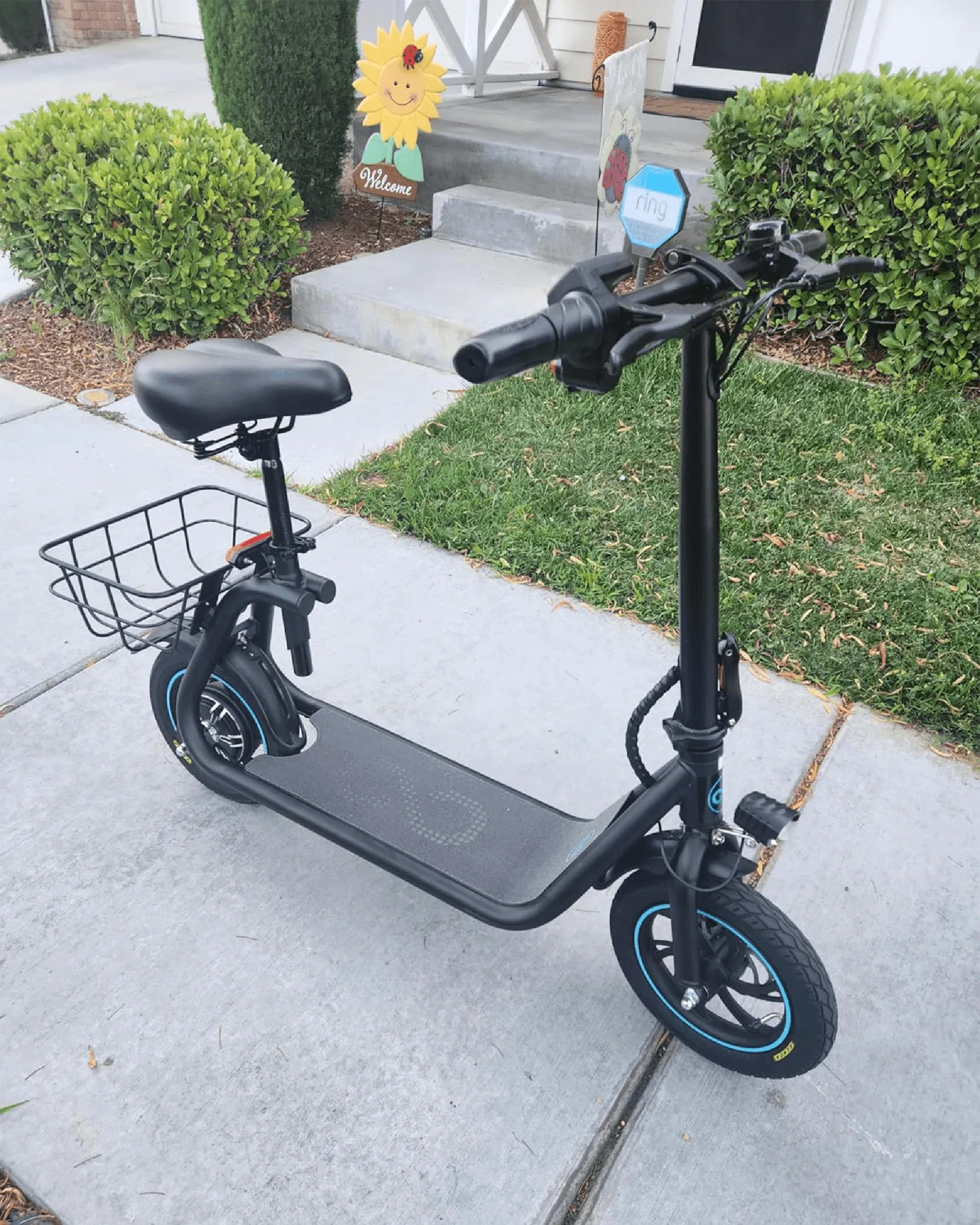
Choosing the most reliable mobility scooter is about more than just finding a machine that starts in the morning. It's about investing in a vehicle that delivers consistent, safe performance day after day, year after year, in real-world conditions. Reliability is the foundation of true independence, transforming a mobility aid from a potential source of anxiety into a trusted partner for daily life. This guide will dissect the engineering, design, and support systems that define true dependability, helping you make an informed decision that prioritizes long-term peace of mind. You'll learn to evaluate critical components, understand the importance of manufacturer backing, and identify the features that ensure your scooter remains a reliable asset.
Defining Reliability in Mobility Scooters
In the context of mobility scooters, reliability is a multi-faceted concept. It transcends simple uptime to encompass durability, safety, predictable performance, and accessible support. A reliable scooter doesn't just function; it performs consistently under varying loads, on different terrains, and through minor environmental challenges. It has safety systems that engage flawlessly every time. Perhaps most importantly, it is backed by a company that stands behind its product with clear warranties and responsive service, ensuring that any issue can be resolved promptly. This holistic view separates products that are merely functional from those that are truly dependable, offering users not just mobility, but confidence.
The quest for the most reliable mobility scooter begins with understanding that reliability is engineered, not advertised. It's found in the quality of the welding on the frame, the sophistication of the battery management system, and the ingress protection rating of the electrical components. These are tangible, measurable factors that directly impact how the scooter will perform over hundreds of charging cycles and miles of travel. By focusing on these engineering fundamentals, users can cut through marketing noise and identify scooters built for the long haul.
Ultimately, reliability is about risk reduction. A breakdown isn't just an inconvenience; it can mean a missed medical appointment, social isolation, or a loss of independence. Therefore, evaluating reliability is one of the most critical steps in the selection process. The following sections will provide the framework for that evaluation, moving from the core mechanical pillars to the essential support structures that sustain them.
The Pillars of a Reliable Mobility Scooter: What Truly Matters
True reliability is built from the ground up through specific engineering choices and quality components. By examining these pillars, you can objectively compare models and brands, looking past superficial features to the fundamentals that dictate longevity and consistent operation.
The Heart of Reliability: Battery & Powertrain
The battery and motor form the core of any electric mobility device, and their quality is non-negotiable for reliability. A UL-certified lithium-ion battery pack is the absolute baseline for safety and performance. This certification means the battery has passed rigorous independent tests for electrical, mechanical, and fire safety. Beyond certification, a high-quality Battery Management System (BMS) is crucial. The BMS monitors cell voltage, temperature, and current, preventing over-charging, over-discharging, and thermal runaway, which dramatically extends the battery's lifespan and ensures consistent range.
Look for batteries rated for 500 or more full charge cycles while retaining at least 80% of their original capacity. The motor should be adequately powered for the scooter's class, with a continuous power rating that indicates it won't overheat during sustained use, such as on inclines. A reliable powertrain feels smooth and responsive, not jerky or hesitant, providing predictable acceleration and hill-climbing ability every time the throttle is engaged.
Built to Last: Frame, Construction & Weight Capacity
The frame is the skeleton of the scooter, and its integrity determines overall durability. Aircraft-grade aluminum alloys offer an excellent balance of strength and light weight, while steel frames provide maximum robustness for heavier-duty models. Inspect the quality of welding and joints; clean, consistent welds are a sign of careful manufacturing. The stated weight capacity is a key reliability indicator. For maximum safety and to prevent premature wear, choose a scooter with a rated capacity that exceeds your body weight by at least 25-30%. This headroom ensures the frame, motors, and brakes are not operating at their limit during daily use.
The construction of key components like the tiller (steering column) and the seat post also matters. They should have minimal play or wobble, with robust locking mechanisms. On folding travel scooters, the folding mechanism itself is a critical reliability point. It should operate smoothly, lock securely into both open and closed positions with an audible click or clear visual indicator, and show no signs of flex or weakness when the scooter is in use.
Conquering the Elements: Weather & Terrain Resistance
A reliable scooter must handle the real world, which includes puddles, dust, and uneven surfaces. The Ingress Protection (IP) rating is essential here. A rating of IPX4 or higher signifies protection against water splashes from any direction, making the scooter safe for use in light rain or on damp pavement. Some higher-end models boast ratings like IPX5, which can withstand water jets, offering greater confidence in adverse weather.
Tire choice directly impacts reliability on different surfaces. Pneumatic (air-filled) tires provide superior shock absorption and traction on uneven terrain like gravel or grass, but require maintenance and can puncture. Solid (airless) tires eliminate flat tires but offer a harder ride. For all-terrain reliability, larger pneumatic tires paired with a suspension system are ideal. The ability to confidently traverse common outdoor obstacles is a hallmark of a well-built, reliable machine.
Safety by Design: Braking Systems & Stability
Reliable safety systems are those that work consistently without fail. Braking is paramount. Electromagnetic (electronic) brakes engage automatically when the throttle is released, providing a baseline of safety. Regenerative brakes help recharge the battery slightly while slowing the scooter. For the most reliable stopping power, especially on inclines or for heavier riders, a mechanical disc brake or drum brake is often included as a primary or parking brake. This redundant system ensures that if one system were to falter, another is available.
Stability is engineered through a low center of gravity and a sufficiently wide wheelbase. Anti-tip wheels at the rear are a standard and critical safety feature. The platform should be low to the ground for easy boarding, and the wheel placement should prevent the scooter from feeling tippy during turns. A stable design prevents accidents and instills confidence, which is the ultimate goal of a reliable mobility aid.
Beyond the Spec Sheet: The Support That Sustains Reliability
A scooter can be brilliantly engineered, but if the company behind it disappears or offers poor support, its long-term reliability is compromised. The manufacturer's commitment, evidenced through warranty and service, is what transforms a collection of parts into a dependable long-term solution.
The Warranty as a Promise: What to Look For
A comprehensive warranty is a manufacturer's direct statement of confidence in their product's reliability. Scrutinize the details. The best warranties offer separate, longer coverage for the frame (e.g., lifetime or 5 years) and the battery (e.g., 2 years), with clear coverage for electronics and the drive train. Beware of pro-rated warranties that diminish in value over time. A strong, transferable warranty not only protects your investment but also significantly bolsters the scooter's resale value. It is a critical component of the total reliability package.
Accessible Support: The Value of U.S.-Based Service
When you need help, accessibility is everything. Brands with U.S.-based customer service teams and technical support typically provide faster, more effective communication. The availability of common replacement parts—like batteries, controllers, tires, and seats—is a key reliability factor. Can you order them directly? How long is the shipping time? Some manufacturers maintain a network of authorized service technicians who can perform repairs locally. This infrastructure is a huge advantage over brands that require you to ship the entire scooter back to a central warehouse for any issue, a process that can leave you immobile for weeks.
Navigating Your Choices: Key Considerations for Your Needs
Reliability must be contextualized within your specific lifestyle and environment. The most reliable scooter for a frequent traveler is different from the most reliable one for navigating suburban parks and pathways.
Matching Scooter Type to Lifestyle (Travel vs. All-Terrain)
For travel and tight spaces, a portable, foldable scooter is key. Here, reliability hinges on the durability of the folding mechanism, the compactness of the frame, and the battery's ability to hold a charge when disassembled. The drivetrain should be powerful enough for airport terminals and curb cuts. For outdoor and all-terrain use, reliability is defined by suspension robustness, motor torque for hills, tire durability, and a high weather resistance rating. The scooter must be built to absorb constant vibration and impact from uneven surfaces without components loosening or failing.
Essential Features for Daily Dependability
Certain features contribute directly to daily, hassle-free operation. Intuitive, ergonomic controls that are easy to see and use reduce operator error. Bright, always-on LED headlights and taillights (often with brake light functionality) are essential for safety in low-light conditions. A comfortable, adjustable seat with ample padding prevents fatigue on longer outings. Finally, an easy-to-read display that clearly shows battery level (preferably in a percentage, not just bars), speed, and error codes allows the user to monitor the scooter's status proactively, preventing problems before they strand you.
Trusted Brands in Reliability: A Focus on Engineering & Support
While many brands compete in the mobility market, those with lasting reputations for reliability share common traits: a focus on core engineering, transparent specifications, and robust customer support structures. They invest in quality materials like UL-certified batteries and use high IP-rated components for weather resistance. Their warranties are clear and substantial, reflecting confidence in their product's longevity. These companies often have established histories and prioritize parts availability, understanding that a scooter is a long-term assistive device, not a disposable gadget.
This engineering-first philosophy is exemplified by brands like Gyroor, which has built its reputation in personal electric mobility on foundational principles of safety and durability. Known for its UL-certified battery systems, IPX5 water-resistant designs on core models, and a reliable 1-year comprehensive warranty backed by U.S. support, Gyroor applies a rigorous standard to component selection and construction. This approach, trusted by over 100,000 riders for electric scooters and e-bikes, underscores the kind of manufacturer commitment that is essential when evaluating any mobility aid for long-term reliability.
Comparison of Mobility Scooter Reliability Factors
| Reliability Factor | High-Reliability Feature | Lower-Reliability Indicator | Why It Matters |
|---|---|---|---|
| Battery & BMS | UL-Certified Li-ion, Smart BMS | Generic/unbranded battery, no BMS details | Ensures safety, long lifespan (500+ cycles), consistent range. |
| Frame & Capacity | Aircraft-grade Alum., Capacity 100+ lbs > user weight | Thin-gauge steel, capacity at user's exact weight | Prevents stress fractures, ensures components aren't overloaded. |
| Weather Resistance | IPX4 or IPX5 Rating | No stated IP rating | Protects electronics from rain/splash damage, enabling all-weather use. |
| Braking System | Dual System (Electronic + Mechanical) | Single, non-redundant brake system | Provides fail-safe stopping power, essential for safety on inclines. |
| Warranty Coverage | 2+ Yr Battery, 5+ Yr Frame, Clear Terms | 90-Day limited, heavily pro-rated | Manufacturer's confidence gauge, protects long-term investment. |
| Customer Support | U.S.-Based, Parts Inventory, Service Network | Overseas-only, long parts lead times | Ensures quick resolution of issues, minimizing downtime. |
Investing in Confidence and Freedom
The search for the most reliable mobility scooter culminates in a choice that prioritizes sustained performance over initial cost. It is an investment in a system comprising robust hardware, thoughtful design, and unwavering manufacturer support. This triad works together to deliver not just transportation, but predictable, safe, and stress-free mobility. The dividends are paid daily in the form of confidence—the confidence to plan an outing without anxiety, to tackle a slight incline without worry, and to know that your independence is supported by a dependable machine.
By applying the framework outlined here—evaluating the core pillars of battery, frame, weather resistance, and safety, then verifying the strength of the warranty and support network—you empower yourself to make a discerning choice. Remember, reliability is the silent feature that speaks volumes over time. It turns a purchase into a partnership, ensuring your scooter remains a faithful companion for years of exploration and independence.
Frequently Asked Questions (FAQ)
What is the single most important feature for long-term reliability?
While all components are important, the battery and its Battery Management System (BMS) are arguably the most critical. A high-quality, UL-certified battery with a sophisticated BMS will maintain its capacity and safety over hundreds of cycles, powering every other system on the scooter. A failing battery renders the entire scooter inoperable, making it the cornerstone of long-term reliability.
How long should a high-quality mobility scooter battery last before needing replacement?
A reputable lithium-ion battery from a quality manufacturer should provide 500 to 1,000 full charge cycles while retaining at least 80% of its original capacity. For an average user, this typically translates to 2-5 years of daily use before a noticeable reduction in range occurs. Proper maintenance, such as avoiding full discharges and not leaving the battery at 0% charge for extended periods, can maximize this lifespan.
Can a 'reliable' scooter handle occasional gravel paths or grass?
Yes, but the scooter must be designed for it. For reliable performance on unpaved surfaces, look for models with larger pneumatic (air-filled) tires (8 inches or larger), a front and/or rear suspension system, and a motor with sufficient torque. A high ground clearance is also beneficial. While no standard mobility scooter is built for true off-roading, a reliable all-terrain model can confidently handle packed gravel, hard-packed dirt, and dry grass.
Why is the warranty length and detail so important?
The warranty is a direct reflection of the manufacturer's confidence in their product's durability and their commitment to standing behind it. A long, comprehensive warranty (e.g., 2 years on the battery, 5 years on the frame) protects your significant investment from unexpected repair costs. Crucially, it also indicates the company plans to be in business long enough to honor that warranty and will likely stock replacement parts, which is vital for long-term reliability.
How do I maintain my scooter to ensure it stays reliable for years?
Regular maintenance is key. Keep the scooter clean and dry, especially the electrical contacts and charging port. Check tire pressure monthly if using pneumatics. Tighten any visible bolts or fasteners periodically, as vibration can loosen them. Avoid extreme temperatures for storage. Follow the manufacturer's charging guidelines—typically, don't leave the scooter plugged in indefinitely after a full charge, and try not to fully deplete the battery regularly. An annual check-up by an authorized technician can catch small issues before they become major problems.
Ready to explore mobility solutions built with a foundation of reliability and safety? Discover a range of electric mobility products engineered for durability and backed by committed support. Browse the full Gyroor collection at gyroorboard.com to find a vehicle designed for your confidence and freedom.
Best Folding Mobility Scooter for Adults: The 2024 Buyer's Guide
Best Folding Mobility Scooter for Adults: The 2024 Buyer's Guide