



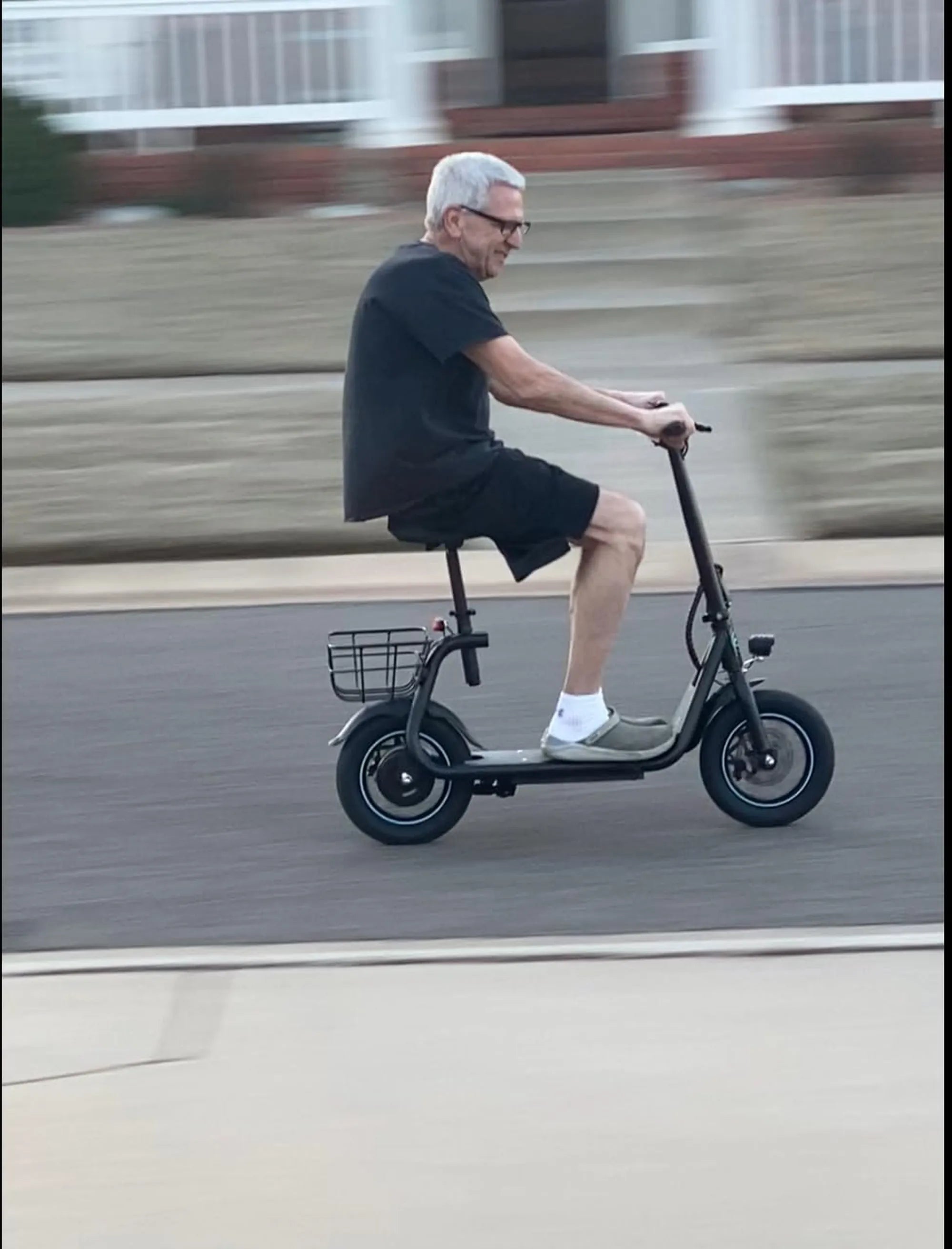
Introduction to Adult Mountain Tricycles
An adult mountain tricycle is a purpose-built, three-wheeled cycle engineered for stability and performance on unpaved, uneven terrain. Unlike a standard pavement trike, a true mountain trike for adults features a robust frame, wide knobby tires, and a sophisticated gearing system to handle trails, gravel paths, and steep inclines. This specialized vehicle serves a distinct audience: adventure-seeking adults, individuals requiring superior balance due to age or physical condition, and those needing to transport significant cargo where a car is impractical. The core promise of a mountain tricycle for adults is unlocking the outdoors with confidence, combining the thrill of mountain biking with the inherent stability of three points of contact.
The design philosophy prioritizes control over speed and utility over minimalism. This makes the mountain tricycle for adults an incredibly versatile tool, not just a recreational toy. Whether for exploring forest service roads, managing a homestead, or simply enjoying a stable ride on mixed surfaces, this vehicle fills a niche often overlooked by traditional two-wheeled markets. As we delve deeper, you'll understand why this category is growing, especially with the integration of reliable electric assist systems.
This guide will provide a comprehensive, data-driven look at every aspect of choosing and using a mountain tricycle. We will dissect its key benefits, essential features, and maintenance needs. By the end, you will be equipped to determine if a mountain tricycle for adults aligns with your lifestyle and how to select the right model for your specific adventures and needs.
Why Choose a Mountain Tricycle? Key Benefits & Use Cases
The decision to opt for a mountain tricycle over a traditional bike or scooter hinges on several compelling advantages. The primary benefits are unparalleled stability on rough ground, exceptional cargo and utility potential, and inclusive accessibility for a wider range of riders. These trikes transform activities that might be daunting or impossible on two wheels into enjoyable, routine excursions. For adults who value practicality and safety as much as recreation, the mountain tricycle for adults presents a compelling solution.
Consider the typical use cases. An avid camper can load a trike with gear and traverse campground trails to a remote site. A gardener can haul bags of soil, plants, and tools across a property. Someone recovering from an injury or managing a balance condition can regain the joy of cycling without fear. The mountain tricycle for adults is a gateway to independence and activity in environments where a standard bicycle or electric scooter would be unstable or insufficient. It's a tool for empowerment as much as for transportation.
The utility extends to urban and suburban settings as well. A mountain trike can handle potholed streets, curbs, and grass medians with ease, making it a superb grocery-getter or commuter vehicle for those on mixed-terrain routes. The ability to carry multiple bags of groceries or a week's worth of supplies in attached panniers or a front basket is a game-changer for car-light living. The mountain tricycle for adults redefines what is possible with human (or electric-assist) powered transport.
Stability and Safety on Rough Terrain
The three-wheel configuration provides inherent geometric stability that a two-wheeled vehicle cannot match. This is particularly critical on loose surfaces like gravel, sand, or mud, and on uneven trails with roots and rocks. The low center of gravity common in many trike designs further reduces the risk of tipping, whether at a standstill or while navigating a tricky section. This stability inspires confidence, allowing riders to focus on the journey rather than the constant micro-adjustments needed to balance a standard bike.
This safety aspect cannot be overstated. For adults who may have avoided cycling due to a fear of falling, the mountain tricycle for adults removes that barrier. The learning curve is minimal; if you can steer, you can ride. This makes it an excellent choice for returning riders or those new to off-road cycling. The stability also allows for safer stops and starts on hills, as there is no need to clip out or dismount quickly to prevent a fall.
Cargo and Utility Potential
The cargo capacity of a mountain tricycle is transformative. The frame is designed to handle stress from multiple mounting points. Riders can easily equip their trike with a rear rack, panniers, a large front basket, or even a trailer. This makes the mountain tricycle for adults ideal for practical tasks like trail maintenance (carrying tools), farm or homestead chores, or extended bikepacking trips where gear volume is high.
Weight distribution is also superior on a trike. Heavy loads can be centered between the wheels, preventing the handling issues that affect heavily laden two-wheelers. Many models boast weight capacities of 300 to 400 pounds, including the rider and cargo. This rugged utility turns the mountain tricycle into a genuine alternative for short-haul logistics, reducing car dependency for errands and local transport of heavy items.
Accessibility and Inclusive Riding
Mountain trikes are a cornerstone of adaptive and inclusive cycling. They open the trails to individuals with conditions affecting balance, joint strength, or coordination, such as arthritis, Parkinson's, or post-stroke recovery. The stable platform allows for exercise and outdoor engagement that might otherwise be inaccessible. The step-through frame design common on many models also makes mounting and dismounting easier for those with limited mobility.
Furthermore, the option of electric assist (which we will detail later) amplifies this inclusivity. It provides a boost that can compensate for fatigue or reduced strength, enabling riders to travel further and tackle hills they might otherwise avoid. The mountain tricycle for adults, especially in its e-bike form, is a powerful tool for promoting lifelong physical activity and mental well-being across a diverse population.
Critical Features to Look for in a Mountain Tricycle
Not all three-wheelers are built for the mountains. Distinguishing a true off-road capable mountain tricycle for adults from a casual pavement cruiser requires attention to specific, non-negotiable features. These components directly impact durability, performance, and safety on challenging terrain. Investing in a trike with the right specs ensures it will be a reliable partner for years of adventure.
The core features form a synergistic system. A strong frame is useless with poor brakes, and great gears are hampered by slick tires. A prospective buyer should evaluate the entire package, prioritizing components based on their intended use—whether it's steep hill climbing, heavy cargo hauling, or mild trail exploration. The following breakdown provides a checklist for your evaluation.
Frame Geometry and Build Quality
The frame is the trike's backbone. For off-road use, it must be constructed from high-tensile steel or aluminum alloy to withstand torsional forces from uneven ground. Look for reinforced joints and gusseting at stress points. Frame geometry is also key; a lower bottom bracket and longer wheelbase enhance stability at the cost of some maneuverability—a worthy trade-off for a mountain tricycle for adults. Weight capacity ratings are critical; a true off-road model should support at least 300 pounds.
The choice between a step-through and a diamond (crossbar) frame often comes down to rider preference and mobility. Step-through frames offer easier mounting and are popular for utility and accessibility. Diamond frames can offer slightly more rigidity. Regardless of style, the finish should be a durable, corrosion-resistant powder coat to protect against mud, moisture, and UV exposure.
Drivetrain and Gearing Systems
A wide-range gearing system is the engine of your mountain tricycle. To climb steep, loose inclines without straining or losing traction, a very low "granny gear" is essential. Look for systems with 21 speeds or more, often provided by a triple chainring crankset paired with a 7-speed rear cassette. This provides the gear inches needed for slow, powerful climbing and efficient cruising on flats.
Derailleur systems are common and offer the widest gear range. Internal gear hubs (IGH), like a 7-speed Nexus, offer advantages in low maintenance and better protection from mud and debris, though they may have a slightly narrower gear range and higher initial cost. For a dedicated mountain tricycle for adults facing variable and steep terrain, the extensive range of a well-configured derailleur system is often preferred.
Tire and Wheel Configuration
Tires are your primary contact with the trail. For a mountain tricycle, look for wide (at least 2.0 inches, with 2.4-3.0 inches being ideal), knobby tires that provide floatation on soft ground and aggressive traction on rocks and roots. The tire diameter (commonly 24" or 26") affects rollover capability and ground clearance. Larger wheels roll over obstacles more easily.
Wheel configuration—whether two wheels are in the front (delta) or the rear (tadpole)—affects handling. Tadpole trikes (two front wheels) often have more direct, steering-wheel-like handling and can feel sportier. Delta trikes (two rear wheels) may feel more familiar to bicycle riders and often simplify the drivetrain. Both can be capable off-road; the choice is subjective and best tested with a ride if possible.
Braking Systems for Controlled Descents
Reliable braking is non-negotiable for a vehicle that can carry heavy loads down hills. Mechanical disc brakes are the minimum standard for a mountain tricycle for adults, offering strong, consistent stopping power that resists performance degradation in wet or muddy conditions. Hydraulic disc brakes provide even greater modulation and power with less hand effort, representing the premium choice for serious off-road or heavy-cargo use.
Rim brakes (V-brakes or calipers) are generally insufficient for this application. They perform poorly when wet or muddy, can overheat on long descents, and are harder on the wheel rims. When evaluating a trike, ensure the braking system is appropriately sized (e.g., 160mm or larger rotors for discs) and that the levers are comfortably accessible, especially for riders with hand strength concerns.
Electric Assist: Revolutionizing the Mountain Trike Experience
The integration of electric assist systems has dramatically expanded the capabilities and appeal of the mountain tricycle for adults. An e-mountain trike combines the stability and utility of the platform with the hill-flattening, range-extending power of a motor and battery. This fusion makes challenging terrain accessible to more people and turns the trike into a viable car replacement for a wider array of trips.
The electric system typically consists of a hub-drive or mid-drive motor and a removable battery pack. A mid-drive motor, which powers the crankset, is often superior for mountain use as it leverages the trike's existing gears, providing efficient power delivery on steep climbs. Hub motors (in one or more wheels) are simpler but can struggle on very steep grades if not adequately powered. Torque sensors, which measure your pedaling force and provide proportional assist, offer a more natural riding feel than cadence sensors.
Battery safety and quality are paramount. Leading brands, like Gyroor, prioritize this by using UL-certified battery packs. These batteries undergo rigorous testing for safety, longevity (often rated for 500+ charge cycles), and performance. A UL-certified battery in a mountain tricycle for adults provides peace of mind, knowing the power source is reliable and built to stringent safety standards, which is crucial when venturing off the beaten path.
The benefits are clear: riders can travel further, carry heavier loads up hills, and arrive at their destination less fatigued. This makes the e-mountain trike perfect for long trail explorations, arduous cargo runs, or for riders who want a boost to keep up with friends. The assist levels are adjustable, allowing riders to choose how much workout they want versus how much help they need, personalizing every journey.
Data-Driven Comparison: Mountain Trike vs. Standard Trike vs. Mountain Bike
To crystallize the unique position of the mountain tricycle for adults, a direct comparison with its closest relatives is helpful. The table below contrasts key attributes across three vehicle types: a dedicated mountain trike, a standard upright pavement trike, and a traditional hardtail mountain bike.
| Attribute | Mountain Tricycle for Adults | Standard Adult Tricycle | Traditional Mountain Bike |
|---|---|---|---|
| Primary Stability | Exceptional on all terrains | High on paved, flat surfaces | Requires rider balance; low at low speeds |
| Off-Road Capability | High (built for trails, gravel) | Low (pavement only) | Very High (aggressive trail riding) |
| Typical Speed | Moderate (stability-focused) | Low (upright, casual) | High (aerodynamic, agile) |
| Maneuverability | Lower (wider turning radius) | Low | Very High |
| Cargo Capacity | Very High (300-400 lbs systems) | Moderate (often includes basket) | Low (requires added racks) |
| Ideal User Profile | Stability seekers, cargo haulers, adaptive riders, trail explorers | Casual pavement riders, shoppers, those with minor balance concerns | Fitness-focused riders, technical trail enthusiasts |
| Price Point | Mid to High (specialized components) | Low to Mid | Mid to Very High |
This comparison highlights that the mountain tricycle for adults is not a direct competitor to a mountain bike but rather a complementary tool for different goals. It trades outright speed and agility for unmatched stability and utility. It surpasses the standard trike with its durable construction and terrain capability. Your choice should be guided by where and how you intend to ride most frequently.
Maintenance and Riding Tips for Longevity
Proper care ensures your mountain tricycle for adults remains a reliable and safe companion. Off-road use exposes the trike to more dirt, mud, and stress than pavement riding, making a consistent maintenance routine essential. Start with the basics: keep the trike clean. After a muddy ride, rinse off debris with a hose (avoiding direct high-pressure spray on bearings or the motor/battery if electric). Wipe down the frame and components to prevent corrosion.
Regularly check and lubricate the chain, especially after wet rides. A clean, well-lubricated chain protects the entire drivetrain. Inspect tire pressure before each outing; the correct PSI (found on the tire sidewall) is crucial for traction, rolling resistance, and pinch-flat prevention. For knobby tires used off-road, you may run slightly lower pressure for better grip, but avoid going too low to prevent rim damage.
Brake maintenance is critical. For disc brakes, periodically check pad wear and ensure rotors are clean. Listen for grinding noises or feel for a spongy lever, which indicate needed service. Periodically check all bolts for tightness, especially on the handlebars, seat, and racks, as vibrations from rough terrain can loosen them. For electric models, follow the manufacturer's specific guidelines for battery care, such as storing it in a cool, dry place and avoiding complete discharges.
When riding, use your gears proactively. Shift to a lower gear before starting a steep climb to maintain momentum and reduce strain on the chain and your knees. On desccents, use brakes evenly and intermittently to avoid overheating. Be mindful of the trike's wider profile when navigating narrow trails or gates. With proper care and mindful riding, your mountain tricycle for adults will provide years of dependable service.
Frequently Asked Questions (FAQ)
Q1: Are mountain trikes difficult to steer or maneuver on tight trails?
A1: Mountain trikes have a wider turning radius than a bicycle, so tight, switchback trails require more planning. However, direct steering systems are responsive. The key is to anticipate turns early. For most fire roads, double-track, and moderate single-track, maneuverability is more than sufficient. Practice in an open area to get a feel for the handling.
Q2: Can I use a mountain tricycle for adults on paved roads?
A2: Absolutely. However, the wide, knobby tires create more rolling resistance than slick road tires, so you will expend more energy at a given speed. Many riders use them for mixed-terrain commutes or errands that involve both pavement and off-road sections. Some owners opt for a second set of smoother tires for primarily paved use.
Q3: What is the typical price range for a quality mountain tricycle?
A3> Prices vary widely. A basic, non-electric model with decent components starts around $800-$1,200. Well-equipped mechanical models from reputable brands range from $1,500 to $2,500. Electric-assist mountain trikes, with UL-certified batteries and robust motors, typically start around $2,500 and can exceed $4,000 for high-specification models. This reflects the specialized frame and component costs.
Q4: How does the electric assist work on an e-mountain trike? Do I still have to pedal?
A4> Yes, electric assist systems are "pedal-assist," meaning the motor provides power only when you are pedaling. You control the level of assistance (e.g., Eco, Tour, Sport, Turbo). The motor multiplies your pedaling effort, making hills feel flat and reducing fatigue. You are always in control and getting exercise, just with a powerful boost. Most systems also include a throttle for starting from a stop or for a boost without pedaling, subject to local regulations.
Q5: Is a mountain tricycle suitable for a rider with significant balance issues?
A5> Yes, this is one of its primary strengths. The three-wheel design eliminates the need to balance at any speed, including when stopped. This makes it an excellent choice for individuals with conditions like vertigo, multiple sclerosis, or those recovering from strokes or injuries. Always consult with a healthcare professional, and consider a test ride if possible. The addition of electric assist can further accommodate strength or endurance limitations.
Finding Your Path to Adventure
The mountain tricycle for adults is a specialized vehicle that democratizes off-road exploration, heavy-duty utility, and inclusive cycling. It is not merely a bicycle with an extra wheel but a distinct tool engineered for stability, capacity, and accessibility. Your journey to selecting the right one begins by honestly assessing your primary use case: is it for rugged trail adventures, for hauling cargo across your property, or for regaining the freedom of cycling with confidence?
Prioritize the features that match your goals. If hills are your main challenge, focus on gearing and electric assist. If carrying heavy loads is key, scrutinize the frame strength and brake system. For pure trail fun, tire choice and suspension (if available) become paramount. Remember that investing in quality components from reputable brands pays dividends in safety, reliability, and long-term enjoyment. Brands that emphasize rigorous testing, like Gyroor with its UL-certified batteries and robust warranties, ensure your investment is protected.
The right mountain tricycle for adults can transform your relationship with the outdoors and local travel. It offers a unique blend of practicality and pleasure, empowering you to go further, carry more, and ride with assurance on almost any surface. It is an invitation to adventure on your own terms.
Ready to explore a range of stable, powerful, and well-engineered electric mobility solutions? Browse the full Gyroor collection, including e-bikes and scooters built with the same commitment to quality and safety, at gyroorboard.com. Discover the vehicle that will redefine your ride.
E Bike Battery Lock: The Essential Guide to Securing Your E-Bike's Power Source
Commuter Bike Folding: The Ultimate Guide to Urban Mobility