



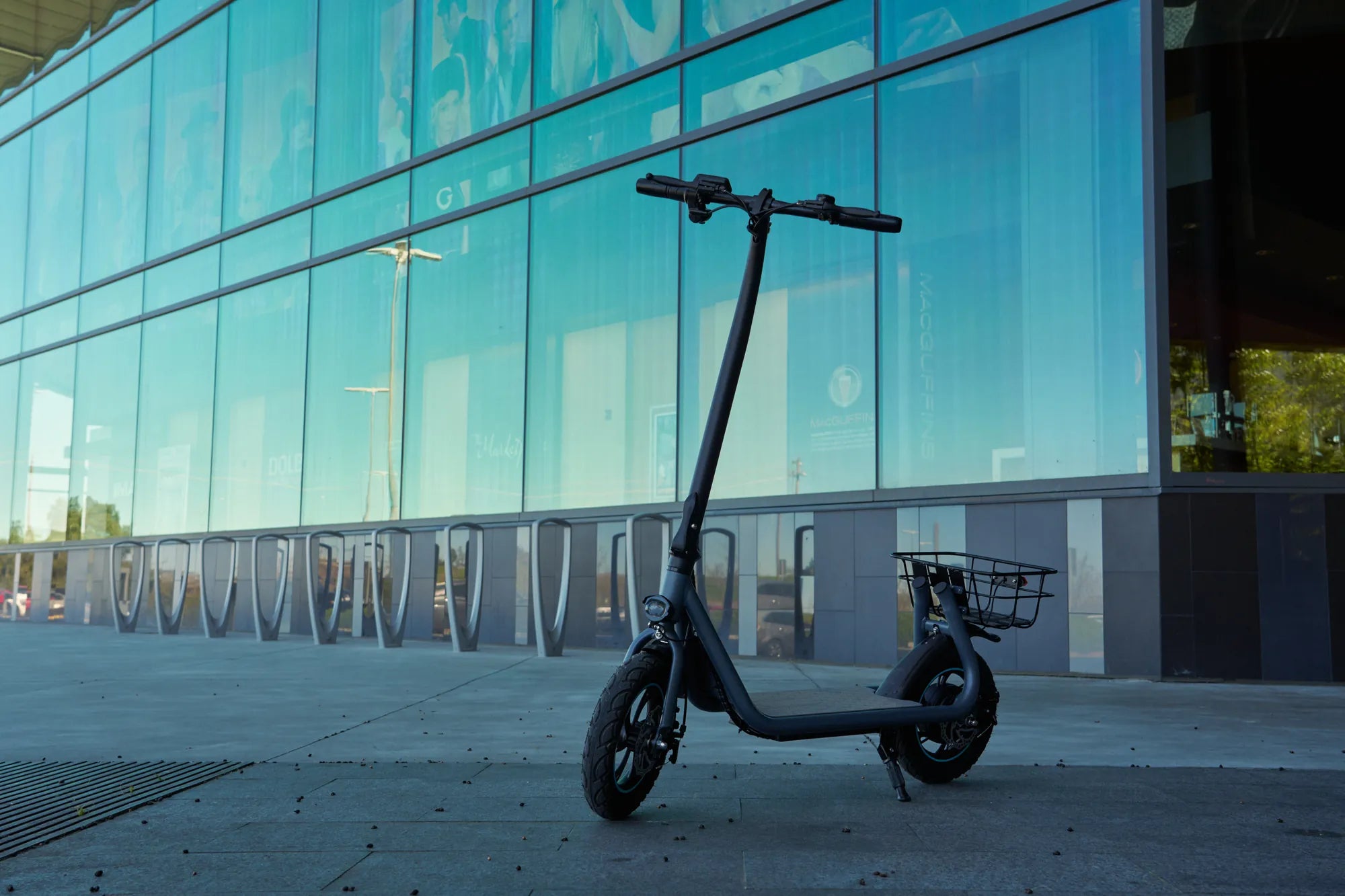
Few things are as frustrating as hopping on your electric scooter, pressing the power button, and realizing it won’t budge. If your scooter turns on but refuses to move, don’t panic—this guide will walk you through the most likely causes and fixes to get you rolling again.
Common Reasons Why Your Electric Scooter Won’t Move
When your electric scooter powers up but doesn’t go, the issue could stem from several factors. Below are the most common culprits:
1. Throttle Malfunction
The throttle is responsible for sending signals to the motor to engage movement. If it’s faulty, your scooter may turn on but won’t accelerate. Check for loose connections, dirt buildup, or physical damage.
2. Motor Issues
A malfunctioning motor can prevent your scooter from moving even if it powers on. Listen for unusual noises or test the motor by spinning the wheel manually (if possible). If resistance is high, the motor may need servicing.
3. Battery Problems
While a dead battery usually prevents the scooter from turning on at all, a partially charged or faulty battery might allow power but not enough to engage the motor. Check voltage levels and charging connections.
4. Brake Sensor Interference
Many scooters have a safety feature that prevents movement if the brakes are engaged. A misaligned or stuck brake sensor can trick the system into thinking the brakes are active.
5. Controller Failure
The controller acts as the brain of your scooter, regulating power distribution. If it fails, your scooter may power on but not respond to throttle inputs.
Step-by-Step Troubleshooting
Now that you know the potential causes, here’s how to diagnose and fix the issue:
Step 1: Inspect the Throttle
Remove the throttle cover and check for loose wires or corrosion. Test the throttle with a multimeter if you have one. If it’s damaged, replacement may be necessary.
Step 2: Test the Motor
Lift the scooter off the ground and spin the wheels manually. If they don’t spin freely or make grinding noises, the motor or bearings may need repair.
Step 3: Check the Battery
Ensure the battery is fully charged. Use a voltmeter to confirm it’s delivering the correct voltage. If readings are low, try charging it fully or replacing it if it no longer holds a charge.
Step 4: Examine the Brake Sensors
Look for misaligned brake levers or stuck sensors. Gently adjust them and test the scooter again. Some models allow you to temporarily disable the brake sensor for testing.
Step 5: Assess the Controller
If all else fails, the controller might be the issue. Look for burnt components or loose connections. Replacing the controller is often the last resort.
Preventing Future Issues
To avoid similar problems in the future, follow these maintenance tips:
- Regularly clean your scooter to prevent dirt buildup in sensitive components.
- Store the scooter in a dry, temperature-controlled environment.
- Check tire pressure and brake alignment monthly.
- Avoid overcharging the battery to prolong its lifespan.
Don’t let a non-moving scooter ruin your day—most issues are fixable with a little patience and the right know-how. Follow these steps, and you’ll likely be back on the road in no time!
Why Did My Electric Scooter Stop Working? Common Causes and Fixes
Best Electric Scooter for High School Students: Top Picks for Commuting in Style