


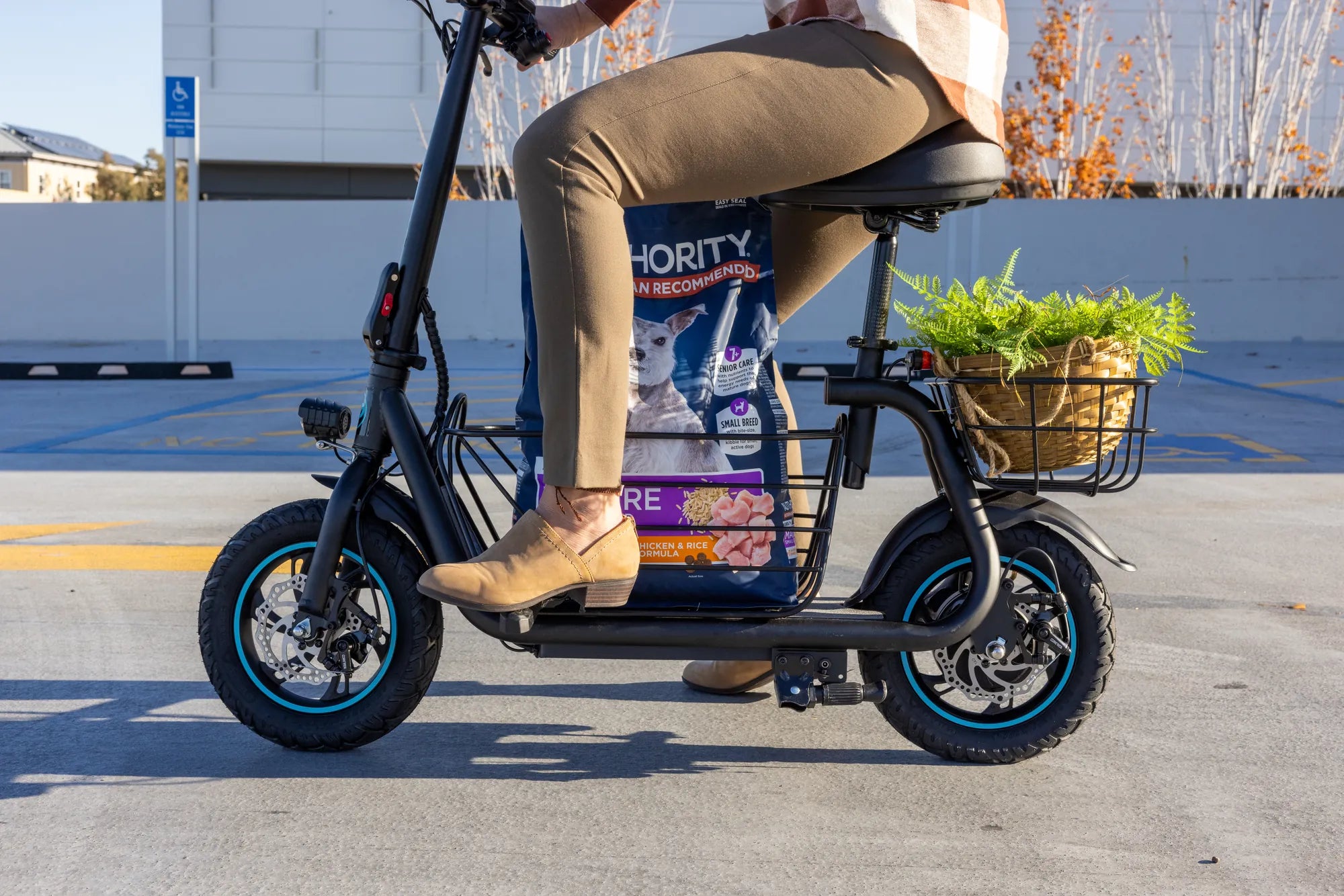
You need a scooter. This isn't a childhood whim, but a strategic response to modern urban challenges: gridlocked traffic, soaring parking costs, and the frustrating 'last-mile' gap between transit stops and your final destination. An electric scooter transforms from a recreational toy into an essential tool for efficient, cost-effective, and enjoyable personal mobility. This guide will dissect exactly what you need to consider, compare your options with data, and help you make an informed decision that aligns with your daily life, focusing on reliability, safety, and performance that brands like Gyroor are built to deliver.
Introduction to Modern Scooter Needs
The fundamental need for a scooter has evolved. It's now driven by practical urban economics and a desire for personal freedom. Cities are denser, commutes are longer, and the environmental and financial cost of car ownership is increasingly burdensome.
Electric scooters directly address these pain points. They offer a compact, agile solution for trips between 1 and 10 miles, a distance that is often inefficient by car or inconvenient by public transit alone. The need is for a device that is reliable enough for daily use, safe enough for city streets, and practical enough to carry and store.
This need transcends demographics. Students need affordable campus transport. Commuters need a predictable way to reach the train station or office. Urban residents need to run errands without hunting for parking. The right scooter meets these needs not as a gadget, but as a legitimate vehicle.
Brands that understand this, like Gyroor, engineer their products accordingly. They focus on UL-certified battery safety for peace of mind, robust construction for durability, and warranties that support daily reliance. Your need is for dependable mobility, and the market has responded with serious solutions.
Key Factors to Consider Before You Buy
Purchasing an electric scooter is an investment in your daily routine. Moving beyond aesthetics, you must evaluate several technical and practical factors to ensure your choice truly fulfills your need. The wrong spec can lead to frustration, while the right one enhances your lifestyle.
First, establish a realistic budget. While initial cost is a factor, consider total cost of ownership. A slightly more expensive scooter with a reputable brand's warranty and durable components often proves cheaper long-term than a frequently failing budget option.
Next, think about your physical environment. Is your route flat or hilly? Do you encounter rain or rough pavement? Your local terrain dictates necessary motor power, tire type, and water resistance rating. These are not minor details but core to functionality.
Finally, reflect on your usage patterns. Will you use it five days a week or just on weekends? How far is your typical trip? Honest answers here determine the required battery range, deck size, and overall build quality needed. This systematic assessment is the first step in transforming a generic want into a specific, well-defined need.
Assessing Your Primary Use Case
Your scooter's primary role dictates its ideal form. A commuter's needs differ vastly from a recreational rider's. Defining your profile narrows the field immediately and effectively.
The Daily Commuter: This rider needs reliability above all. Key features include a range that comfortably exceeds the round-trip distance, a powerful motor for consistent speed, and robust brakes for safety in traffic. Portability is also crucial for carrying onto trains or into offices.
The Student or Campus Rider: For this user, portability and weight are paramount. A lightweight, foldable scooter that can be carried between classes and stored in a dorm is ideal. Good suspension helps with campus pathways, and a moderate range covers typical campus sizes.
The Errand Runner or Urban Explorer: This rider values versatility. A balance of range, comfort (via larger tires or suspension), and a sufficient load capacity for groceries or a backpack is key. Water resistance becomes more important for all-weather usability.
By identifying with one of these core profiles, you can prioritize features. A commuter shouldn't sacrifice range for ultra-lightweight design, just as a student doesn't need a 40-mile range for a 2-mile campus. Your use case is the blueprint.
Understanding Essential Specifications
Deciphering scooter specifications is critical to matching a model to your need. Three specs are non-negotiable: motor power, battery capacity, and vehicle weight. They form the performance triangle.
Motor Power (Wattage): Measured in watts (W), this determines acceleration and hill-climbing ability. A 250W motor is sufficient for flat terrain and lighter riders. For hills or heavier riders, 350W to 500W provides necessary torque. Motors above 500W offer performance akin to a low-powered electric bike.
Battery Capacity (Watt-hours - Wh): This is the fuel tank. It directly determines range. A higher Wh number means more energy storage. While advertised ranges are often optimistic, a scooter with a 360Wh battery will typically outlast one with a 180Wh battery under similar conditions. Look for this spec over vague 'mile' claims.
Weight and Portability: The scooter's weight impacts your experience in two ways: overall riding stability and ease of carrying when folded. Lightweight models (under 30 lbs) are easy to lift but may sacrifice range or power. Heavier models (35-45 lbs) are more stable at speed but a burden to carry upstairs.
Understanding these interlinked specs prevents disappointment. A powerful motor drains battery faster. A large battery adds weight. The perfect scooter finds the right balance for your specific need profile.
Safety and Build Quality Non-Negotiables
When your need involves traveling at 15-20 mph alongside traffic, safety is not a feature—it's the foundation. Compromising on build quality or safety certifications is a risk no rider should take.
The battery is the most critical safety component. Insist on UL-certified battery packs. This independent certification means the battery has passed rigorous tests for electrical, mechanical, and environmental safety, drastically reducing risks of fire or failure. Gyroor, for example, uses UL-certified packs tested for over 500 charge cycles.
Braking systems are your primary control. A combination of electronic (regenerative) and mechanical braking (disc or drum) is ideal. Disc brakes generally offer stronger, more consistent stopping power in varied conditions, especially important for commuters. Always test brake responsiveness.
Build quality encompasses the frame material (aircraft-grade aluminum is standard for strength and lightness), welding quality, and IP water resistance rating. An IPX5 rating, like on many Gyroor models, means the scooter can withstand water jets from any direction, protecting it from rain and road spray. This durability directly translates to long-term reliability, fulfilling the need for a vehicle, not a disposable toy.
How Gyroor Scooters Meet Core Rider Needs
With the key decision factors established, it's valuable to see how a brand engineered for reliability translates those principles into products. Gyroor's approach focuses on fulfilling the core need for dependable, safe, and practical urban transport through specific design and service choices.
The brand's philosophy centers on rider safety and product longevity. This is evident in their commitment to certified components, robust construction, and comprehensive customer support. It’s a response to the market's need for scooters that can be trusted for daily use.
By offering a range of over 20 models, from compact commuters to powerful performance scooters, Gyroor provides solutions for different need profiles. This variety ensures that whether your priority is portability, range, or power, there is a model designed with those parameters in mind.
The combination of UL-certified batteries, IPX5 water resistance, and a 1-year warranty creates a package that directly addresses the major anxieties of new riders: safety, durability, and post-purchase support. This alignment between rider need and product design is what separates serious mobility brands from others.
Reliability for the Daily Grind
A scooter needed for daily commuting must start every morning and perform consistently. Gyroor builds for this reality. The 1-year comprehensive warranty covers the motor, battery, and controller, signaling confidence in the product's durability and providing a safety net for the rider.
Durability is engineered into key components. The use of reinforced aluminum alloy frames and sealed bearing systems reduces points of failure. This construction ensures the scooter can handle the vibrations and minor impacts of daily city riding without degrading.
Practical features support daily use. Bright headlights and brake lights ensure visibility. Wide, often pneumatic (air-filled) tires improve comfort and traction on imperfect roads. These aren't luxury additions; they are essential for safe, reliable operation in real-world conditions.
For the commuter, reliability is the primary need. A scooter that requires constant maintenance or fails unexpectedly defeats its purpose. Brands that prioritize robust engineering and stand behind their products with strong warranties, as Gyroor does, are fulfilling this fundamental requirement.
Safety Engineered for Peace of Mind
Safety engineering at Gyroor starts with the power source. The UL-certified lithium-ion battery pack is the cornerstone. This certification involves testing for overcharge, short circuit, and abnormal operation, providing a critical layer of protection against the primary hazard in electric mobility devices.
The IPX5 water-resistant rating is another key safety and reliability feature. It ensures that internal electronics, the motor, and the battery compartment are shielded from rain and road spray. This protection prevents corrosion and electrical shorts, ensuring the scooter functions when you need it, even in wet weather.
On the road, safety is enhanced by responsive dual braking systems. Many models combine an electronic brake (which also recovers some energy) with a mechanical disc or drum brake. This redundancy ensures stopping power is maintained even if one system is compromised.
This multi-layered approach to safety—from battery certification to weatherproofing to braking—directly addresses the rider's need for confidence. Knowing your vehicle is built to recognized safety standards allows you to focus on the ride, not on potential hazards.
Performance That Adapts to You
Performance in an electric scooter isn't just about top speed; it's about delivering the right combination of power, range, and ride quality for your specific need. Gyroor's product range demonstrates this adaptive philosophy.
For the rider who needs extreme portability, lightweight models under 30 pounds offer easy folding and carrying, with sufficient range for short trips and campus navigation. Their compact size solves the need for simple storage in tight spaces.
For the long-range commuter or adventurer, high-performance models with larger battery capacities (exceeding 360Wh) and motors of 500W or more provide the stamina and power for extended trips or hilly terrain. This fulfills the need for a car-alternative for longer urban journeys.
Ride comfort is also a performance metric. Models featuring front and rear suspension or large pneumatic tires absorb road vibrations, reducing fatigue on longer rides. Adjustable handlebars and wider decks cater to different rider sizes, making the scooter adapt to the user, not the other way around. This performance spectrum ensures there is a scooter engineered for your specific mobility equation.
Scooter vs. Alternative Transport: A Practical Comparison
To fully understand the value of fulfilling your need for a scooter, a direct comparison with other common transport modes is essential. This data-driven analysis highlights the economic and practical advantages, justifying the investment.
The comparison must consider total cost, time efficiency, convenience, and environmental impact. A scooter isn't the best solution for every trip (e.g., a 20-mile commute in a snowstorm), but for a significant portion of urban travel, it presents a compelling case.
Beyond raw numbers, the intangible benefits—like the enjoyment of riding, the elimination of parking stress, and the door-to-door convenience—add significant quality-of-life value. This holistic view frames the scooter not just as a purchase, but as a lifestyle upgrade.
The following table provides a snapshot comparison for a typical 5-mile urban trip, a common distance where personal electric vehicles shine.
| Transport Mode | Avg. Trip Time (5 mi) | Est. Cost per Trip | Convenience Factors | CO2 Emissions |
|---|---|---|---|---|
| Personal Electric Scooter | 20-25 min | $0.05 (electricity) | Door-to-door, free parking, foldable | ~0 g |
| Personal Car | 15-30 min (with traffic) | $3.50 (fuel, deprec., parking) | Door-to-door, weather protection, parking cost/stress | ~4,000 g |
| Public Transit (Bus/Train) | 35-50 min | $2.50 (fare) | Fixed schedule, walking to/from stops, often crowded | ~500 g |
| Rideshare (Uber/Lyft) | 15-25 min | $12-$18 | Door-to-door, high variable cost, wait time | ~4,000 g |
Cost & Time Analysis: Scooter vs. Car vs. Public Transit
The financial argument for an electric scooter is powerful when viewed through a long-term lens. The upfront cost of a quality scooter ($500-$1000) is recouped quickly compared to alternatives.
Against car ownership, the savings are staggering. Beyond the trip cost in the table, consider annual expenses: insurance ($1,500+), maintenance ($500+), and parking permits or fees ($1,000+ in many cities). A scooter eliminates virtually all these costs. Even for car owners, using a scooter for short trips reduces wear, tear, and fuel consumption on the primary vehicle.
Compared to public transit, the scooter offers time savings and predictability. A 5-mile bus ride with stops and transfers can take nearly an hour, while a scooter covers the distance directly in half the time. Over a year, this daily time saving amounts to hundreds of hours.
The operational cost is negligible. Charging a typical scooter battery costs less than 10 cents, offering a range of 15-25 miles. This makes the cost per mile a fraction of a cent. When your need is for efficient, predictable, and affordable point-to-point travel, the data strongly favors the electric scooter.
Convenience & Lifestyle Fit
The convenience of an electric scooter reshapes your relationship with your city. The 'last-mile' problem vanishes. You can seamlessly combine a scooter with public transit for longer journeys, expanding your effective range without a car.
Parking anxiety disappears. Your scooter can be folded and brought inside your office, apartment, or a store. This eliminates parking tickets, garage fees, and the time wasted searching for a spot—a significant daily stressor for urban drivers.
There is also a tangible joy and health benefit to riding. While not strenuous exercise, standing and balancing engages your core, and the fresh air and engagement with your surroundings are a marked improvement over the passive frustration of sitting in traffic or a crowded subway car.
Environmentally, the impact is minimal. Electric scooters produce zero direct emissions and have a small lifetime carbon footprint compared to manufacturing and fueling a car. Fulfilling your need for a scooter aligns with a more sustainable urban lifestyle, reducing your personal contribution to congestion and pollution.
Making the Final Decision: Your Needs Checklist
Armed with knowledge, the final step is systematic selection. This checklist transforms abstract needs into concrete criteria. Use it to evaluate any model, ensuring no critical factor is overlooked before you commit.
Start by defining your non-negotiable 'Must-Haves' based on your primary use case. These are the features without which the scooter fails its core purpose. Be strict with this list to quickly filter out unsuitable options.
Next, identify your 'Nice-to-Haves.' These are features that enhance the experience but aren't essential. This helps you choose between models that both meet your core needs. Finally, verify the brand's support structure—warranty length, service network, and customer reviews.
This process moves you from being overwhelmed by choice to being an informed buyer who can confidently select the tool that best fits your life. The following subsections break down this checklist into actionable steps.
Prioritizing Your Must-Have Features
Create a shortlist based on these non-negotiable criteria. If a scooter fails any point on your must-have list, eliminate it.
- Range: Must have a tested/real-world range of at least [Your Round-Trip Distance + 30% buffer].
- Weight & Portability: Must weigh under [Your Max Carry Weight] for carrying up stairs or onto transit.
- Motor Power: Must have a continuous motor rating of at least [250W for flat, 350W+ for hills].
- Safety Certification: Must use a UL (or equivalent) certified battery pack.
- Weather Resistance: Must have an IP rating of at least IPX4 for light rain; IPX5 is strongly recommended.
- Braking System: Must have a reliable dual-braking system (electronic + mechanical).
- Warranty: Must have a comprehensive warranty of at least 1 year on the battery, motor, and frame.
This list forces clarity. A student might prioritize weight (<30 lbs) and a moderate range. A commuter will prioritize range (>20 mi), power, and IPX5 rating. Your must-haves are unique to your need.
Where to Buy and What to Expect
Purchase from authorized retailers or the brand's official website. This ensures you receive a genuine product, full manufacturer warranty, and access to customer support. Be wary of third-party marketplaces where warranty claims can be difficult.
Upon delivery, inspect the scooter thoroughly. Check for any shipping damage to the box and the product itself. The initial setup typically involves unfolding, tightening a few clamps or levers, and charging the battery fully before the first ride.
Familiarize yourself with the warranty process. Know what is covered (e.g., battery, motor, controller) and what is considered wear-and-tear (tires, brake pads). Reputable brands like Gyroor provide clear warranty terms and accessible customer service channels in your region.
Finally, invest in essential safety gear: a helmet is mandatory, and consider gloves, knee pads, and a high-visibility vest if riding at night or in traffic. Your need for a scooter includes the need to ride safely. Proper gear and understanding your purchase protections complete the responsible ownership cycle.
Frequently Asked Questions (FAQ)
Q1: How far can I really expect to ride on a single charge?
A1: Manufacturer range estimates are based on ideal conditions: a light rider on flat, smooth pavement at low speed. Real-world range is typically 60-75% of the advertised figure. Factors that reduce range include rider weight, hills, frequent stops/starts, cold weather, and tire pressure. Always choose a scooter with a rated range significantly longer than your longest planned trip.
Q2: Are electric scooters legal to ride on roads and sidewalks?
A2: Laws vary significantly by city, state, and country. Generally, they are not permitted on sidewalks for safety reasons. Most jurisdictions allow them in bike lanes or on roads with speed limits under 25-30 mph. Some require a minimum rider age (often 16+), helmet use, and have maximum speed limits (often 15-20 mph). Always check your local Department of Transportation or city ordinances before riding.
Q3: How do I maintain my electric scooter for longevity?
A3: Regular maintenance is simple but crucial. Keep tire pressure at the recommended PSI. Check and tighten bolts (especially on folding mechanisms) periodically. Keep the scooter clean and dry; wipe it down after wet rides. Avoid fully draining the battery; try to keep it between 20% and 80% charge for daily use, with a full charge every few weeks. Store in a cool, dry place.
Q4: Can I ride an electric scooter in the rain?
A4: It depends on the scooter's IP (Ingress Protection) rating. A rating of IPX5 or higher means it is protected against water jets and is generally safe for riding in rain and through puddles. However, even with a good rating, avoid deep standing water (which could submerge the deck) and ride more cautiously as braking distances increase on wet surfaces. Never charge a wet scooter; always dry the charging port first.
Q5: What is the average lifespan of an electric scooter?
A5: With proper care and maintenance, a quality electric scooter from a reputable brand can last 2-5 years or more. The battery is the component with the most defined lifespan, typically rated for 500+ full charge cycles before it degrades to about 80% of its original capacity. The motor and frame can last much longer. Build quality, usage intensity, and maintenance habits are the key determinants of overall lifespan.
Conclusion: Fulfilling Your Mobility Need
Identifying your true need for a scooter is the first and most important step toward reclaiming your time, saving money, and navigating your city with newfound freedom. It's a decision that moves beyond impulse to strategy, selecting a tool designed for the specific challenges of modern urban life.
The right scooter is an investment that pays dividends in daily convenience and long-term savings. By prioritizing safety certifications like UL standards, demanding reliable performance specs, and choosing a brand that stands behind its product, you ensure this investment is sound. The data clearly shows that for short to medium urban trips, a personal electric vehicle is often the most efficient choice available.
Your need is for reliable, safe, and practical mobility. Meeting that need requires a vehicle engineered with those principles at its core. It requires a partner in mobility that understands the daily grind and builds for it.
Ready to find the scooter engineered for your needs? Explore the full range of UL-certified, performance-built models designed for every rider. Browse the full Gyroor collection at gyroorboard.com and take the first step toward a smarter commute today.
How Fast is a 125cc Scooter? Top Speeds, Factors & Real-World Use
Lightweight Scooter Helmet: The Ultimate Guide for Safe, Comfortable Rides