

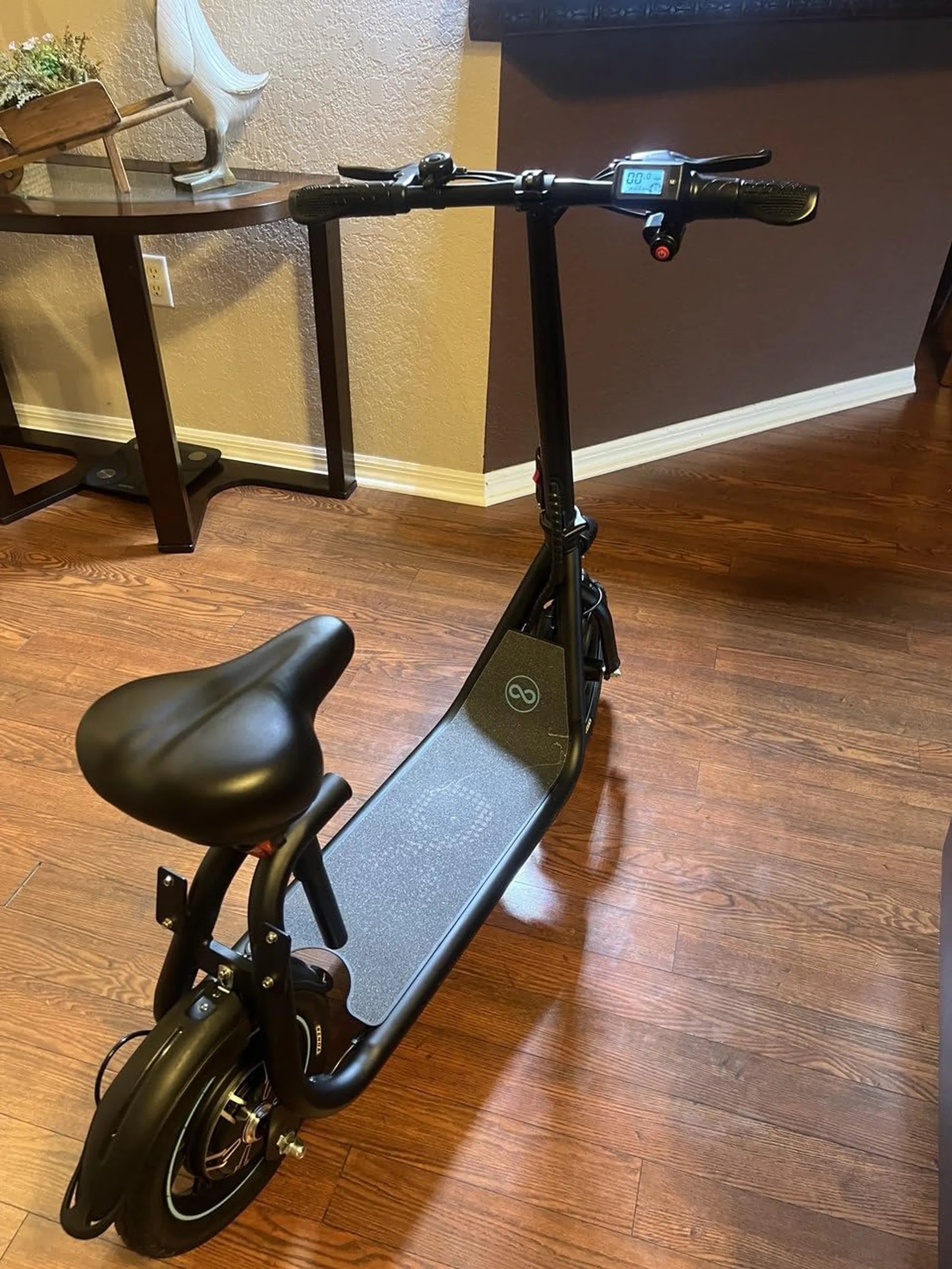
Electric scooters have taken urban transportation by storm, offering a convenient and eco-friendly way to navigate busy streets. However, with their rapid adoption comes the need for stricter regulations. The new e scooter rules aim to balance innovation with safety, ensuring riders and pedestrians coexist harmoniously. Whether you're a daily commuter or an occasional rider, understanding these changes is crucial to avoid penalties and stay safe.
Why New E Scooter Rules Are Being Implemented
As e scooters become more popular, cities worldwide are grappling with the challenges they bring. From sidewalk congestion to accidents involving pedestrians, the lack of clear guidelines has led to chaos in some areas. The new e scooter rules address these issues by introducing standardized regulations. These include speed limits, designated riding zones, and mandatory safety gear. The goal is to reduce accidents while preserving the convenience e scooters offer.
Key Changes in the Updated Regulations
The latest updates to e scooter laws focus on three main areas: safety, infrastructure, and enforcement. Here's a breakdown of what's changing:
- Speed Limits: Many cities are capping e scooter speeds at 15-20 mph in bike lanes and lower in pedestrian-heavy areas.
- Parking Restrictions: Riders must now park e scooters in designated areas to avoid cluttering sidewalks.
- Age and Licensing: Some regions require riders to be at least 16 years old and possess a valid ID or driver's license.
- Safety Gear: Helmets are becoming mandatory in more jurisdictions, especially for younger riders.
How These Rules Affect Riders
For everyday users, the new e scooter rules mean adapting to stricter guidelines. Riders must now pay closer attention to where they ride and park, as well as invest in safety equipment. Fines for violations can be steep, ranging from $50 to $200 depending on the offense. Additionally, some cities are implementing geofencing technology to enforce speed limits and no-ride zones automatically.
The Impact on Cities and Shared Mobility Programs
Municipalities are also adjusting to these changes by investing in better infrastructure. Bike lanes are being expanded, and more parking docks are being installed to accommodate e scooters. Shared mobility companies are required to comply with local laws, which may include limiting the number of scooters in operation or submitting usage data to city officials. These measures aim to create a more organized and sustainable system.
Tips for Staying Compliant
To avoid fines and ride safely under the new e scooter rules, follow these tips:
- Always check local regulations before riding in a new city.
- Wear a helmet, even if it's not legally required in your area.
- Stick to bike lanes and avoid sidewalks whenever possible.
- Use designated parking areas to prevent obstructions.
- Respect speed limits and be mindful of pedestrians.
E scooters are here to stay, but their future depends on responsible riding and smart regulations. By staying informed and adhering to the new e scooter rules, you can enjoy the benefits of this modern transportation while keeping yourself and others safe. Ready to hit the road? Make sure you're up to date on the latest laws to ride with confidence!
E Scooter Accessories Singapore: Must-Have Add-Ons for a Smooth Ride
E Bike Scooter Electric Bike: The Future of Urban Mobility