



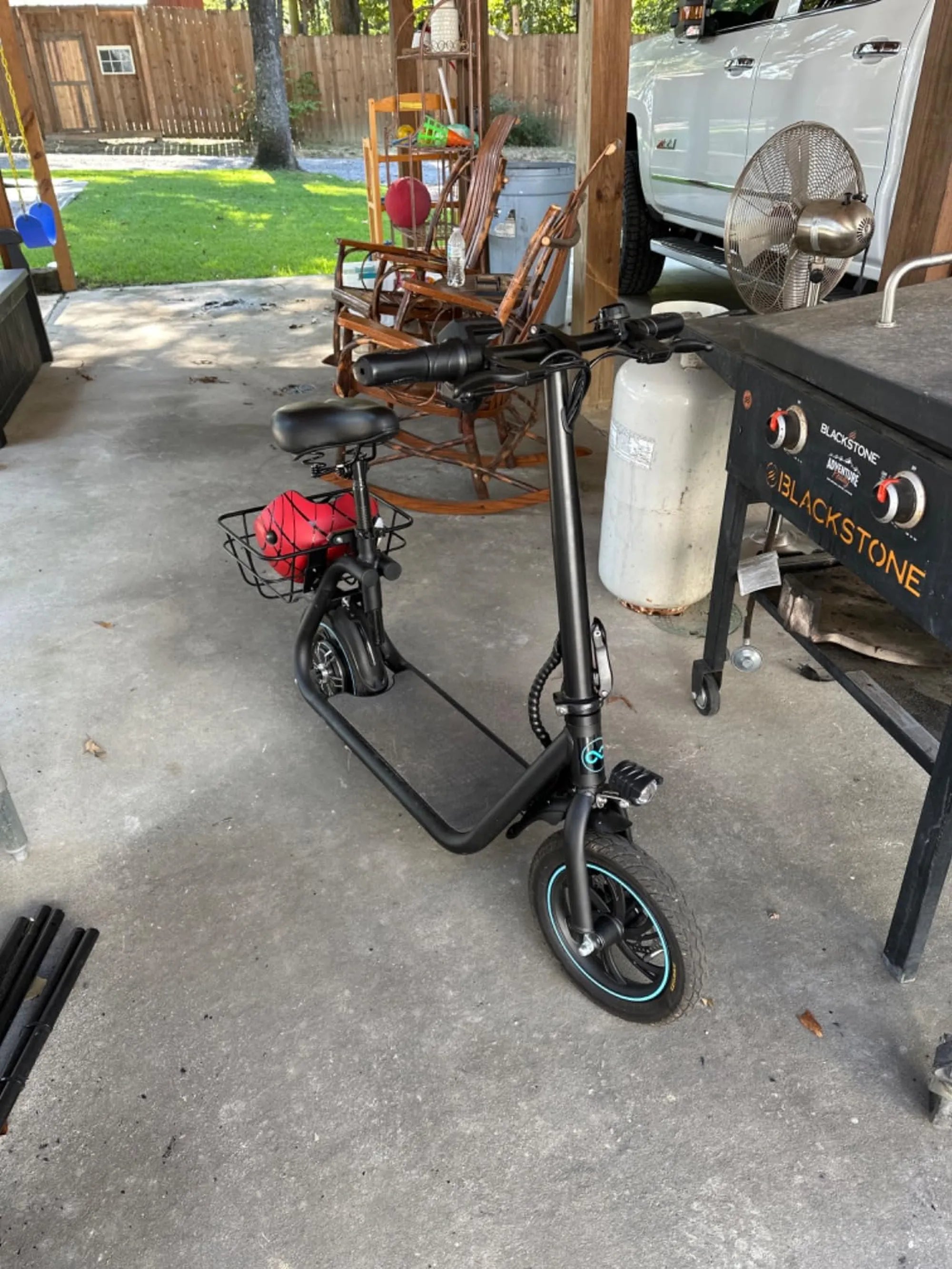
What Does "Next Scooter" Really Mean?
The term next scooter signifies a fundamental shift. It's no longer about buying just any electric scooter; it's about choosing the next generation of personal mobility. This evolution moves beyond basic functionality to integrate enhanced safety, intelligent design, and durable engineering that fits seamlessly into daily life.
Your next scooter should solve problems, not create them. It must be a reliable partner for your commute, built with proven components that prioritize rider safety above all. The era of questionable batteries and flimsy frames is over.
Leading this shift are brands focused on engineering trust. Gyroor, for instance, designs its electric scooters and e-bikes with this future in mind, trusted by over 100,000 riders. The next scooter is defined by certified safety, real-world durability, and thoughtful features that make every ride intuitive and secure.
This guide will dissect the key advancements that separate a genuine next-generation scooter from an outdated model. We'll explore the critical features you should demand and provide a clear framework for making an informed, long-term investment in your mobility.
The Evolution of the E-Scooter: From Novelty to Necessity
Electric scooters have undergone a dramatic transformation. Initially seen as shared fleet novelties or recreational toys, they have rapidly matured into serious personal transportation vehicles. This journey has been driven by leaps in core technology and a deeper understanding of user needs.
The first wave was defined by accessibility, often at the expense of quality and safety. Today, the market demands sophistication. Advancements in lithium-ion battery energy density, brushless hub motor efficiency, and lightweight yet strong alloy frames have enabled more powerful, longer-range, and more portable designs.
Perhaps the most significant evolution is in smart integration. Modern scooters feature digital dashboards, Bluetooth connectivity for mobile apps, and integrated security systems. These features transform the scooter from a simple vehicle into a connected device, providing valuable ride data, diagnostics, and anti-theft protection.
This progression from novelty to daily necessity underscores why your next scooter choice is so important. The right model isn't just for fun; it's a practical tool that can reliably replace short car trips, simplify your commute, and integrate into a multi-modal lifestyle with confidence.
Key Features to Demand in Your Next Scooter
Choosing your next scooter requires a checklist of non-negotiable features for 2024 and beyond. This data-driven breakdown focuses on safety, durability, performance, and smart design to ensure your investment is sound.
Safety as Standard: UL-Certification & Beyond
A UL 2272 certified battery is the absolute baseline for safety. This rigorous standard tests for electrical, mechanical, and environmental hazards to prevent thermal runaway—a critical fire risk. Never compromise on this certification.
Beyond the battery, integrated safety systems are crucial. This includes bright front and rear lighting (often with brake light functionality), reliable braking systems like disc or drum brakes, and wide, stable decks. Reflective elements also enhance visibility during night rides.
Gyroor builds safety into its core promise, utilizing UL-certified battery packs tested for over 500 charge cycles in all its models. This engineering-first approach ensures the power source of your next scooter is as dependable as the frame it's built into.
Built for the Real World: Durability & Weather Resistance
Urban commuting is messy. Your scooter must handle potholes, curbs, and unexpected weather. An IPX5 water-resistance rating is essential, protecting the electrical components from water jets from any direction, making it safe for puddles and light rain.
Frame construction is equally vital. Aircraft-grade aluminum alloys offer an optimal balance of strength and lightness. Additionally, tire choice impacts durability and comfort; pneumatic (air-filled) tires provide better shock absorption than solid tires, though they require occasional pressure checks.
A next scooter built for daily use, like those from Gyroor, incorporates an IPX5-rated design alongside robust folding mechanisms and reinforced stems. This durability ensures the scooter remains a reliable asset through seasons of use.
Performance That Matches Your Commute
Advertised specs often don't reflect reality. Focus on real-world range, which is typically 60-70% of the ideal manufacturer rating due to rider weight, hills, and riding style. A motor with at least 350W of continuous power is recommended for handling moderate inclines common in cities.
Top speed must be balanced with local regulations, which often cap e-scooters at 15-20 mph. The ideal next scooter offers multiple speed modes, allowing you to conserve battery or comply with local laws while having power available when needed.
Performance isn't just about power; it's about consistency. A quality motor and battery management system will deliver steady power output and maintain range over hundreds of charge cycles, a hallmark of well-engineered models.
The Smart Rider Experience
The modern rider expects connectivity. An intuitive digital display shows speed, battery level, and mode. App connectivity can unlock deeper diagnostics, trip history, firmware updates, and custom performance settings.
Integrated security, such as electronic locking through an app or a built-in cable lock, adds peace of mind for quick stops. Portability, facilitated by a simple, secure folding mechanism, is key for mixed-mode commuting on buses or trains or for storage.
These smart features elevate the utility of your next scooter, transforming it from a simple vehicle into a seamless extension of your daily routine. They provide control, security, and valuable insights into your ride.
Gyroor’s Approach to Your Next Scooter
Gyroor's philosophy aligns directly with the demands of the modern commuter. The brand engineers its electric scooters and e-bikes not as disposable gadgets but as reliable transportation tools, focusing on the pillars of safety, durability, and support.
Engineering Trust: The Gyroor Core Promise
Trust is engineered through verifiable safety and unwavering support. Every Gyroor scooter uses a UL-certified battery pack, a non-negotiable component for long-term reliability and rider peace of mind. This certification is a testament to rigorous internal testing standards.
This commitment extends to a comprehensive 1-year warranty on the scooter, backed by accessible customer support. For a rider investing in their next scooter, this warranty is a critical safety net, ensuring any manufacturing defects are addressed promptly, protecting your investment from day one.
Model Spotlight: Matching a Gyroor to Your Needs
Gyroor's lineup is designed to meet specific rider profiles. Here’s a concise comparison of key models to help identify your ideal next scooter.
- Gyroor S1 Max (Commuter Focus): Best for daily urban commuting. Features a compact fold, 25-mile real-world range, and a 350W motor. Its IPX5 rating and integrated lights make it a practical, all-weather companion for city streets.
- Gyroor F1 Pro (Performance & Range): Ideal for longer commutes or riders seeking more power. Boasts a 40+ mile range, a 500W motor for better hill climbing, and a wider deck for stability. Includes a full-color display and app connectivity.
- Gyroor H30 (Off-Road Capability): Built for adventure beyond pavement. Equipped with 10-inch pneumatic off-road tires, a robust suspension system, and a high-torque motor for tackling trails and uneven terrain.
Beyond the Purchase: The Ecosystem of Your Next Scooter
Owning a high-quality scooter involves understanding its care and the context in which you ride. Proper maintenance and awareness of local rules ensure a safe, long-lasting, and hassle-free experience.
Maintenance 101: Keeping Your Scooter in Top Shape
Regular maintenance is simple but crucial. Check tire pressure weekly; under-inflated tires reduce range and increase wear. Test brakes regularly for responsiveness and listen for unusual sounds that might indicate pad wear.
Battery care extends its life. Avoid draining the battery to 0%; recharge when it reaches 20-30%. Store the scooter in a cool, dry place, and if storing for extended periods, keep the battery charge around 50-60%. Clean the scooter with a damp cloth, avoiding direct water spray on ports.
Following these basic steps for your next scooter will maximize its performance and lifespan, ensuring it remains a dependable part of your routine for years.
Riding Etiquette and Local Regulations
Safe riding protects you and others. Always wear a helmet. Use hand signals for turns and stops. Ride in bike lanes where available, and on the road if not, always following the flow of traffic. Be predictable and courteous to pedestrians.
Laws vary significantly. Before riding your next scooter, check your city and state regulations. Key points to verify include: maximum allowed speed, whether riding on sidewalks is permitted, age restrictions, and any helmet mandate laws. Being an informed rider is part of responsible ownership.
Frequently Asked Questions (FAQ)
Q1: How do I know if an e-scooter is legal in my city?
A1: Legality is local. Check your city's transportation or public works website for "micromobility" or "e-scooter" ordinances. Key factors are often top speed (e.g., max 15-20 mph), required lighting, and where you can ride (bike lanes vs. roads).
Q2: What’s the real-world range I can expect vs. the advertised range?
A2: Advertised range is under ideal conditions (light rider, flat terrain, slow speed). Real-world range is typically 60-75% of that figure. For a scooter advertised at 30 miles, plan for 18-22 miles, factoring in your weight, hills, and acceleration habits.
Q3: Is the IPX5 rating on Gyroor scooters enough for heavy rain?
A3> IPX5 protects against sustained water jets from any direction, making it suitable for riding in light to moderate rain and through puddles. It is not designed for submersion or torrential downpours. For heavy rain, it's safest to seek shelter and dry the scooter thoroughly afterward.
Q4: What does the Gyroor warranty actually cover?
A4: Gyroor's 1-year warranty covers defects in materials and workmanship under normal use. This includes the frame, motor, controller, and battery. It does not cover damage from accidents, misuse, neglect, or normal wear and tear (like tires and brake pads).
Q5: How important is motor wattage for climbing hills?
A5> Very important. Wattage indicates power potential. A 250W motor may struggle on steep inclines, causing a significant speed drop. A 350W-500W motor provides much better hill-climbing ability, maintaining a safer, more consistent speed. Consider your local terrain when choosing your next scooter.
Making an Informed Choice for Your Next Ride
Your next scooter represents a strategic upgrade to your daily life. It should enhance your commute with reliability, not complicate it with concerns about safety or durability. The decision hinges on prioritizing verified engineering over marketing claims.
By focusing on certified safety standards like UL 2272, practical durability features like IPX5 water resistance, and the security of a strong warranty, you invest in a tool built to last. Brands that transparently commit to these principles, such as Gyroor with its focus on UL-certified batteries and rider-focused support, are engineering for the true future of personal mobility.
The landscape of urban transport is evolving, and your choice in a personal electric vehicle is a part of that change. Choose a scooter that offers not just a ride, but peace of mind, performance, and a seamless integration into your routine. The right next scooter is a long-term partner in navigating your city smarter.
Ready to explore models that embody these next-generation principles? Browse the full, innovative Gyroor collection designed for the modern commuter at gyroorboard.com.
How to Choose the Right Mobility Scooter: The Ultimate 2024 Guide
Lightest Motor Scooter: The Ultimate Guide to Ultra-Portable Commuting