



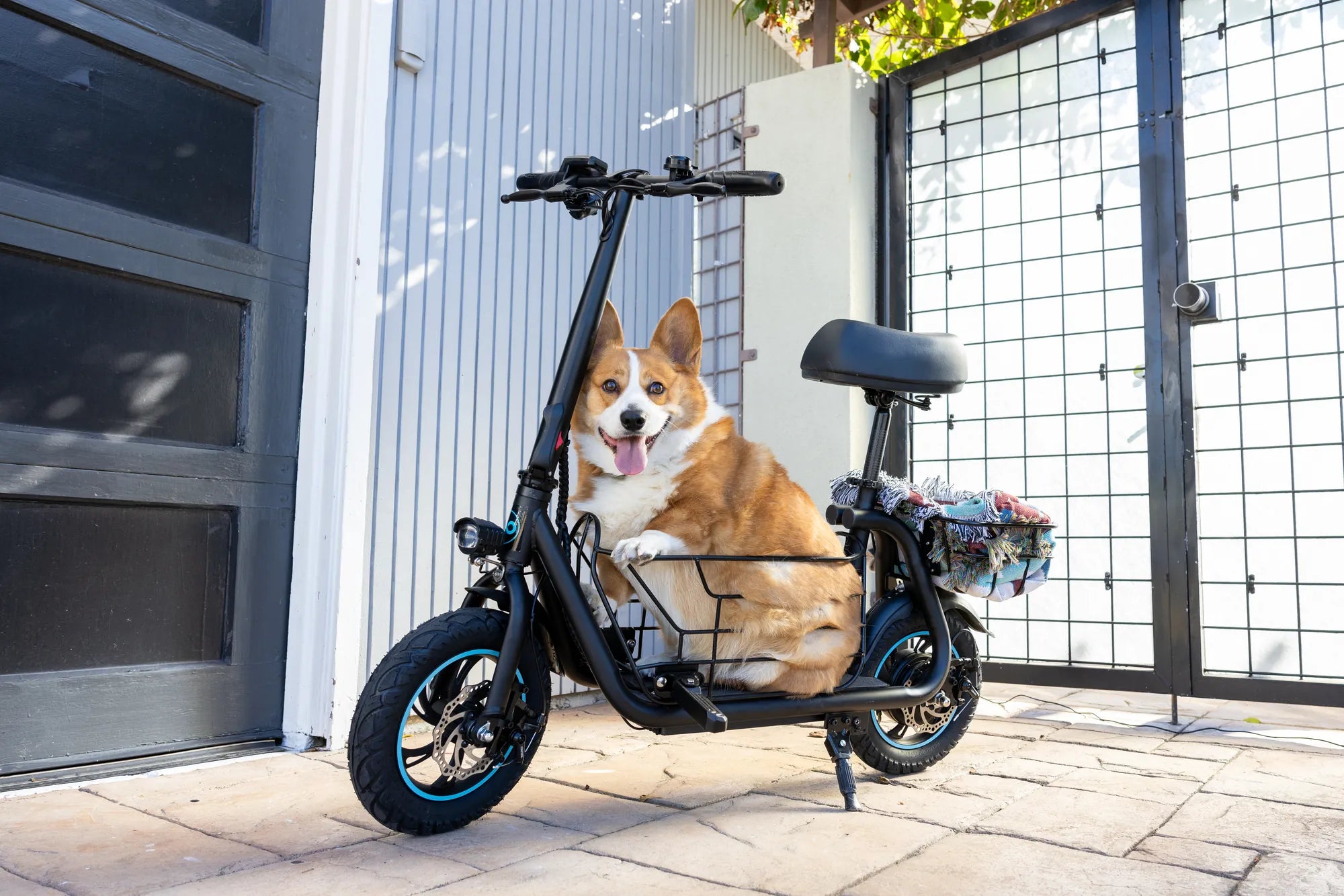
Introduction: Why "Nice" Means More Than Just Looks in Electric Scooters
Choosing a nice electric scooter is about finding the perfect balance between performance, safety, reliability, and thoughtful design. It's a vehicle that must handle daily commutes, occasional adventures, and variable weather while providing peace of mind. This guide moves beyond surface-level features to examine the engineering and certifications that define a truly superior ride.
For over 100,000 riders across North America and Europe, a brand like Gyroor represents this balance, focusing on UL-certified safety and durable, IPX5 water-resistant designs. The ultimate goal is to empower you with the knowledge to select a scooter that isn't just stylish, but is a dependable, long-term investment for your urban mobility.
The Core Pillars of a High-Quality Electric Scooter
A premium electric scooter distinguishes itself through non-negotiable features that ensure safety, performance, and longevity. These pillars form the essential checklist every informed buyer should use when comparing models, separating truly reliable options from those that may compromise on critical aspects.
Safety First: Certifications You Should Never Compromise On
Battery safety is paramount. A UL-certified battery pack, like those used in Gyroor scooters, has undergone rigorous independent testing for over 500 charge cycles, significantly reducing risks of fire or malfunction. This certification is a primary indicator of a manufacturer's commitment to safety.
Equally important is ingress protection. An IPX5 water resistance rating means the scooter can withstand water jets from any direction, making it safe for riding in rain or through urban puddles. Compromising on these certifications for a lower price introduces unnecessary risk and potential failure.
Performance Metrics: Understanding Speed, Range, and Power
Motor wattage (e.g., 350W, 500W) directly influences acceleration and hill-climbing ability. For most urban commutes, a 350W motor is sufficient, while 500W+ is better for moderate hills or heavier riders. Peak power ratings can be misleading; focus on continuous or nominal wattage for real-world performance.
Range is determined by battery capacity, measured in Watt-hours (Wh). Manufacturer claims are often based on ideal conditions. A practical formula: expect 20-25% less range than advertised when accounting for rider weight, hills, stops, and temperature. A scooter with a 10Ah, 36V battery (360Wh) might practically deliver 15-18 miles, not 25.
Build Quality & Ride Comfort: Materials, Suspension, and Tires
The frame material dictates durability and weight. Aerospace-grade aluminum alloy offers an optimal strength-to-weight ratio, resisting corrosion and fatigue. The welding and finish quality are visible indicators of overall manufacturing standards.
Ride comfort hinges on suspension and tires. A dual spring or hydraulic suspension system absorbs shocks from cracks and bumps. Pneumatic (air-filled) tires provide superior cushioning and traction compared to solid tires, which can transmit more vibration. The choice impacts both comfort and control.
Matching Your Scooter to Your Lifestyle: A Rider's Guide
Identifying your primary use case is the most effective way to narrow your search. The ideal scooter for a student navigating campus differs vastly from one suited for weekend trail exploration. Aligning specifications with your daily reality ensures satisfaction and value.
The Urban Commuter: Prioritizing Portability and Range
For city dwellers, a lightweight, foldable design is crucial for carrying onto public transit or storing under a desk. Look for a one-step folding mechanism that locks securely. A realistic range of 15-20 miles typically covers daily round-trip commutes with a safety buffer.
Integrated safety features are non-negotiable. Bright front and rear LED lights, reflective decals, and an electronic horn or bell are essential for visibility. A reliable braking system—disc brakes or regenerative electronic brakes—provides confident stopping power in traffic.
The Off-Road Adventurer: Needing Power and Durability
Venturing onto trails or unpaved paths demands robust specifications. A motor of 500W or higher is necessary for tackling inclines and loose terrain. Enhanced torque is often more valuable than top speed for maintaining momentum on uneven ground.
Durability features include a reinforced frame, advanced suspension (often front and rear), and knobby, pneumatic tires for grip. The IP rating must be a minimum of IPX5, with higher dust resistance (e.g., IP54) being a significant advantage for off-road conditions where dust and debris are prevalent.
The Eco-Conscious Traveler: Focusing on Efficiency and Sustainability
Electric scooters are a key component of sustainable urban transport, but their environmental impact varies. Efficiency is measured in Wh/mile; a more efficient scooter uses less energy for the same distance. A durable product with a long lifespan, backed by a strong warranty, inherently creates less waste.
Sustainability extends to battery lifecycle and support. Brands that design for repairability, offer replacement parts, and have clear battery recycling programs demonstrate a holistic commitment. Choosing a scooter built to last for years, not months, is the most eco-friendly decision.
Data-Driven Decision Making: Comparison and Key Considerations
Navigating specifications requires a structured approach. A side-by-side comparison of key metrics cuts through marketing language and reveals the true value proposition of each model. This analytical process highlights long-term ownership costs beyond the initial purchase price.
Specification Comparison Table: What to Look For
Use this table as a template to evaluate models. It benchmarks against common high-quality standards, such as those found in Gyroor's lineup, which emphasizes certified safety and rider-focused design.
| Feature | Entry-Level Commuter | Performance Urban | Off-Road Capable | Premium Benchmark (e.g., Gyroor Pro) |
|---|---|---|---|---|
| Motor (Nominal) | 250W | 350W | 500W+ | 500W Dual Motor |
| Battery Certification | Varies (Caution) | UL/CE Listed | UL Certified | UL Certified |
| Real-World Range | 8-12 mi | 15-22 mi | 18-25 mi | 22-28 mi |
| Max Load | 220 lbs | 265 lbs | 285 lbs | 300 lbs |
| IP Rating | IPX4 | IPX5 | IPX5 / IP54 | IPX5 |
| Warranty | 90 days | 1 year | 1 year | 1 year comprehensive |
The True Cost of Ownership: Beyond the Sticker Price
The initial purchase is just the first expense. A comprehensive warranty, like the 1-year coverage offered by trusted brands, protects against manufacturing defects and can save hundreds in repair costs. Always read the warranty's fine print regarding battery coverage and labor.
Availability of replacement parts—brake pads, tires, throttles—is critical. Brands with established support networks ensure your scooter remains operational for years. Factor in the potential cost of a replacement UL-certified battery, which can be 25-40% of the scooter's original cost after 2-3 years of heavy use.
Smart Purchasing and Ownership Tips
Making an informed purchase is the first step; proper care and maintenance ensure your scooter remains a reliable companion. Following best practices from unboxing to daily use maximizes safety, performance, and the product's lifespan.
Where to Buy and How to Verify Authenticity
Always purchase from authorized retailers or the brand's official website. This guarantees a valid warranty, genuine parts, and direct access to customer support. Third-party marketplaces carry a higher risk of receiving products with counterfeit batteries or voided warranties.
Upon receipt, verify authenticity by registering the product on the manufacturer's website using the serial number. Check that all safety certifications (UL mark, CE mark) are visibly displayed on the scooter and its charger.
Pre-Ride Checklist and Maintenance Essentials
Develop a habit of a quick pre-ride inspection: check tire pressure (for pneumatic tires), test brake lever responsiveness, ensure folding mechanisms are locked, and verify that lights are functional. This 30-second routine prevents most common issues.
For maintenance, keep the scooter clean and dry, especially the charging port. Store it in a cool, dry place and avoid leaving the battery fully depleted or at 100% charge for extended periods. For optimal battery health, maintain a charge between 20% and 80% for daily storage.
Advanced Features and Future-Proofing Your Choice
As the market evolves, certain features transition from luxuries to expected standards. Understanding these advancements helps you select a scooter that will remain relevant and enjoyable as technology and infrastructure improve.
Connectivity through smartphone apps is becoming standard. These apps can offer ride statistics, firmware updates for performance tweaks, anti-theft features, and customizable lighting modes. While not essential, they enhance the user experience and can extend the scooter's functional life through software updates.
Lighting systems have advanced significantly. Beyond basic LEDs, look for scooters with automatic headlights, bright brake lights that activate upon deceleration, and ambient deck lighting for side visibility. These features are critical for safe night riding in urban environments.
Consider the charging ecosystem. Fast chargers can reduce charge time by 50% but consult the manual, as frequent use may impact long-term battery health. Some brands offer removable batteries, a highly convenient feature for users without easy access to an outdoor outlet, allowing for secure indoor charging.
Legal and Practical Riding Considerations
Owning a nice electric scooter comes with responsibilities. Local laws governing where you can ride, speed limits, helmet requirements, and age restrictions vary widely and are frequently updated. Ignorance of these regulations can result in fines or confiscation.
Research your city and state's specific e-scooter laws before riding. Common regulations include a maximum speed limit of 15-20 mph on bike lanes/paths, a prohibition on sidewalk riding in business districts, and mandatory helmet laws for riders under 18. Always yield to pedestrians.
For public transit users, policies are not universal. Most agencies allow folded scooters, but some restrict battery size (often measured in Wh) or prohibit them during peak hours. Always check with your local transit authority's latest rules before planning a multimodal commute.
Frequently Asked Questions (FAQ)
Q1: How important is the water resistance rating for everyday use?
A1: Extremely important for reliability. An IPX5 rating means protection against water jets from any direction, making the scooter safe to ride in rain or through puddles. For daily commuting where weather can change, this is a critical feature for preventing electrical failures.
Q2: Is a UL-certified battery really that important?
A2: Yes, it is the most important safety feature. UL certification is the leading U.S. standard, involving rigorous testing for fire, electrical, and mechanical hazards. It is the primary indicator of a reputable, safe battery pack and should be a non-negotiable requirement for any scooter you consider.
Q3: Can I carry an electric scooter on public transit?
A3: Policies vary by city and transit agency. Many allow folded scooters, but restrictions on battery capacity (often under 300Wh) or time of day may apply. You must check the specific rules of your local bus, train, or subway operator before your commute.
Q4: What should I do if my scooter needs repair?
A4: First, consult your warranty documentation. Contact the manufacturer's customer support directly. Reputable brands with strong support, like Gyroor's US-based team, provide clear troubleshooting guides and access to genuine replacement parts or authorized service centers.
Q5: How often should I perform maintenance on my electric scooter?
A5: Perform a visual pre-ride check before every use. A more thorough maintenance check—inspecting brake pad wear, tightening bolts, checking tire tread and pressure, and cleaning—should be done every 1-3 months, depending on usage. Refer to your owner's manual for a brand-specific schedule.
Conclusion: Your Perfect Ride is a Blend of Specs and Trust
The quest for nice electric scooters culminates in finding a machine that seamlessly integrates into your life through proven safety, dependable performance, and durable construction. The perfect ride isn't defined by a single impressive statistic but by a harmonious combination of UL-certified batteries, robust IPX5 water resistance, a reliable warranty, and a design that matches your daily needs.
Investing in these verified pillars of quality translates to countless miles of safe, enjoyable, and stress-free riding. It transforms the scooter from a novelty into a legitimate tool for urban mobility. By prioritizing certified safety and long-term support, you choose a partner for your commute, not just a product.
Ready to find a scooter that embodies this balance of innovation, safety, and reliability? Explore engineering-focused designs built for real-world use. Browse the full Gyroor collection at gyroorboard.com to discover models that put certified safety and rider trust first.
Electric Scooters With Lights: The Ultimate Guide to Safe and Stylish Commuting
How Heavy Are Electric Scooters: A Complete Weight Guide