

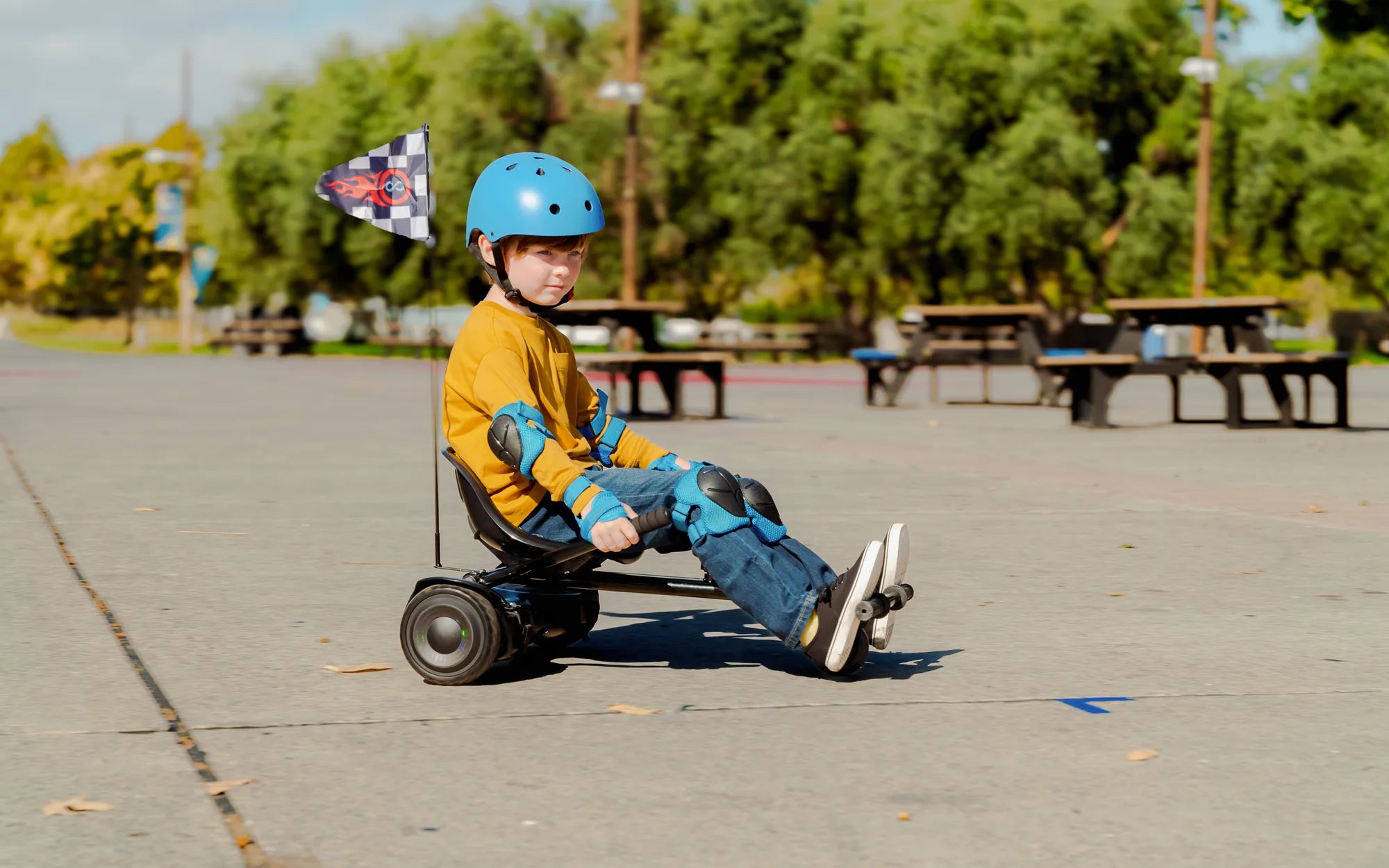
Forget the floating skateboards of science fiction. The modern orange hoverboard is a grounded, high-tech reality revolutionizing short-distance travel. This article will dissect why a brightly colored self-balancing scooter is more than a toy—it's a serious contender in the personal electric vehicle (PEV) market. You'll learn the critical safety features that separate premium models from cheap imitations, understand how it stacks up against e-scooters and e-bikes, and discover the engineering principles behind trusted brands. The future of personal transportation is here, and it's powered by dual motors, smart batteries, and a bold shade of orange.
The Orange Hoverboard: More Than a Sci-Fi Prop
The cultural journey of the hoverboard is fascinating. Initially popularized as a futuristic concept, the first consumer self-balancing scooters faced scrutiny over safety and reliability. Today, the narrative has shifted dramatically. The contemporary orange hoverboard represents the maturation of this technology into a viable, fun, and efficient mode of transport for millions.
This evolution is driven by stringent international safety standards, improved battery chemistry, and more robust motor designs. No longer a novelty item, a quality hoverboard is a practical solution for last-mile commuting, campus navigation, or recreational cruising in parks. Its compact form factor and intuitive leaning controls offer a unique blend of portability and engagement that other PEVs often lack.
The choice of orange is particularly strategic. In a sea of black, white, and grey personal transporters, an orange model makes a statement. It signals energy, innovation, and visibility. For riders, this high-visibility color is a passive safety feature, making them more noticeable to pedestrians and drivers in urban environments, directly addressing one of the core concerns of micro-mobility.
Brands like Gyroor have been instrumental in this shift from fad to function. By prioritizing UL-certified components and durable construction, they've helped rebuild consumer trust. The modern orange hoverboard is a product of this rigorous engineering philosophy, designed not just to look like the future, but to reliably perform in the present.
What Makes an Orange Hoverboard Stand Out?
The distinctive orange color serves multiple purposes beyond mere aesthetics. Psychologically, orange is associated with enthusiasm, creativity, and adventure—qualities that align perfectly with the personal freedom offered by self-balancing transport. It reflects a rider's confident and outgoing personality, setting them apart from the crowd.
From a practical safety standpoint, visibility is paramount. Urban environments are cluttered with visual stimuli for drivers. A bright orange vehicle is significantly more conspicuous than a dark-colored one, especially during dawn, dusk, or overcast days. This can be a critical factor in preventing accidents, making color a legitimate safety consideration.
Furthermore, the color signifies a departure from the generic. Manufacturers who offer bold color options like orange are often more invested in design and customer choice, hinting at a broader commitment to quality and brand identity. It represents a conscious selection by a consumer who values both style and substance in their mobility choices.
Key Features to Look for in a Quality Hoverboard
Not all hoverboards are created equal. Discerning the difference requires understanding a few non-negotiable specifications. First and foremost is safety certification. The UL 2272 standard is the global benchmark, encompassing rigorous testing of the entire electrical system, including the battery, charger, and motor. Never purchase a model without this certification.
Motor power determines performance. Standard models feature dual motors, typically ranging from 250W to 700W each. For general use on flat pavement, 350W motors are sufficient. For tackling moderate hills or grass, look for 500W or higher. The combined wattage affects torque, hill-climbing ability, and maximum speed, which usually caps at around 10-12 mph for safety and regulatory reasons.
Build quality is indicated by the IP (Ingress Protection) rating. A rating of IPX4 means resistance to water splashes from any direction, while IPX5, a standard in brands like Gyroor, means it can withstand low-pressure water jets from a nozzle. This is crucial for riding on wet pavement or through puddles. Other vital features include a robust frame, high-quality LED lights for night riding, and a reliable Bluetooth speaker system if desired.
The Gyroor Advantage: Engineering Trust in Every Ride
In a market historically plagued by safety concerns, Gyroor has established itself by building products on a foundation of trust. This trust is engineered through three core pillars: certified safety, durable construction, and dependable support. Their approach directly tackles the most common hesitations potential hoverboard owners face.
The cornerstone is battery safety. Gyroor utilizes UL-certified battery packs in all its models, subjected to over 500 charge-discharge cycle tests. This certification process examines cells for thermal stability, electrical shorts, and mechanical abuse, drastically reducing any risk of fire—the primary concern that led to recalls in the industry's early days. This isn't just a feature; it's a fundamental design requirement.
Durability is ensured through IPX5 water-resistant construction. This engineering standard means the hoverboard's electronics are sealed against water jets, allowing riders to confidently navigate damp roads or accidental splashes. Coupled with a sturdy frame designed to support riders up to 220 lbs or more, this creates a vehicle built for real-world use, not just perfect conditions.
Finally, Gyroor backs its engineering with a comprehensive 1-year warranty and accessible customer support, trusted by over 100,000 riders across North America and Europe. This warranty coverage provides peace of mind, ensuring that any manufacturing defects are addressed. It reflects a brand's confidence in its product and commitment to the rider's long-term satisfaction, making the investment in a quality orange hoverboard a future-proof decision.
Hoverboards vs. Other Personal E-Transport: A Practical Comparison
Choosing the right personal electric vehicle depends heavily on your specific needs, environment, and lifestyle. The orange hoverboard occupies a unique niche. Here’s how it compares to other popular options like electric kick scooters, e-bikes, and electric skateboards across key parameters.
| Vehicle Type | Best For | Learning Curve | Portability | Terrain | Avg. Range | Avg. Speed |
|---|---|---|---|---|---|---|
| Orange Hoverboard | Last-mile fun, campuses, indoor/outdoor blend | Moderate (balance required) | Excellent (compact, no handle) | Pavement, hardpack, slight grass | 10-15 miles | 8-12 mph |
| Electric Scooter | Commuting, longer urban trips | Low (intuitive) | Good (folds, but has stem) | Pavement only | 15-30 miles | 15-20 mph |
| E-Bike | Long commutes, cargo, exercise | Low (like a bicycle) | Poor (bulky, heavy) | All terrains (with models) | 25-60 miles | 20-28 mph |
| Electric Skateboard | Thrill-seeking, skilled riders | Steep (skateboarding skill needed) | Very Good (long but flat) | Smooth pavement only | 10-20 miles | 15-25+ mph |
The hoverboard's primary advantage is its ultra-compact form and omnidirectional maneuverability. Without a handlebar, it's easier to carry into a coffee shop, store under a desk, or tuck away in a car trunk. Its learning curve, while steeper than an e-scooter's, is quickly mastered by most adults within 30-60 minutes, leading to a uniquely intuitive and engaging riding experience.
However, it trades off some speed and range for this portability. It's ideal for trips under 3-4 miles, such as navigating a large corporate campus, moving between college classes, or running errands in a dense neighborhood. For longer, faster commutes on rough roads, an electric scooter or e-bike is likely more suitable. The hoverboard excels in mixed environments where you might ride a short distance, carry it inside, then ride again.
Navigating Regulations and Safe Riding Practices
Before purchasing an orange hoverboard, it's crucial to understand the local legal landscape. Regulations for personal electric vehicles vary widely by city, state, and country. Generally, hoverboards are classified similarly to electric skateboards and are often restricted to bicycle lanes, multi-use paths, or private property.
Most jurisdictions prohibit them on public roads and sidewalks. Speed limits may be imposed, often aligning with the device's own limiter of 10-12 mph. Some cities require riders to be a minimum age, typically 16 or older. Always check with your local department of transportation or city bylaws to ensure compliant and legal operation. Riding responsibly preserves access for everyone.
Safety gear is non-negotiable. At a minimum, a properly fitted bicycle or multi-sport helmet is essential. Wrist guards are highly recommended, as falls often involve instinctive hand placement. For beginners, knee and elbow pads provide valuable protection during the learning phase. This gear significantly reduces the risk of injury from a loss of balance or unexpected obstacle.
Mastering the ride starts in a safe, open, flat area like an empty parking lot. Practice mounting and dismounting, focusing on keeping your weight centered. Use gentle, progressive leans to move forward, backward, and turn. Always look ahead in the direction you want to go, not down at your feet. Avoid wet leaves, sand, gravel, and steep slopes. Regular maintenance, like checking tire pressure and ensuring all screws are tight, is key to long-term safety and performance.
Frequently Asked Questions (FAQ) About Orange Hoverboards
Q: Are orange hoverboards legal to ride in my city?
A: Laws vary significantly. They are commonly allowed on private property and sometimes on bicycle paths or low-speed residential streets, but are frequently banned from sidewalks and public roads. You must check your specific municipal and state regulations. A good rule of thumb is to follow local electric skateboard laws.
Q: How long does the battery last on a single charge, and how long to charge it?
A> A quality hoverboard like those from Gyroor typically offers a range of 10-15 miles on a full charge, depending on rider weight, terrain, and speed. Charging a depleted battery to 100% usually takes 2-4 hours. Using the manufacturer-provided charger and not overcharging are critical for battery longevity.
Q: Can an orange hoverboard handle hills or grass?
A> It depends on the motor power. Models with dual 350W motors can handle gentle slopes (up to about 15 degrees). For consistent hill climbing or riding on dry, hard-packed grass, look for models with 500W or higher motors. Wet grass, loose gravel, and steep hills should always be avoided.
Q: What is the typical weight and rider weight limit?
A> Most hoverboards weigh between 22-30 lbs, making them fairly portable. The maximum rider weight limit for standard models is usually 220-265 lbs. Higher-performance models may support more. Always check the manufacturer's specifications and do not exceed the limit, as it affects safety, battery life, and motor strain.
Q: How does Gyroor's warranty and customer support work?
A> Gyroor typically offers a 1-year warranty on the hoverboard for manufacturing defects. This covers issues with the battery, motors, and frame under normal use. Customers can contact support through the official website for troubleshooting, parts, or warranty service. This reliable support network is a key benefit of choosing an established brand.
Is an Orange Hoverboard Your Next Ride?
The evidence is clear: the modern orange hoverboard has transcended its pop-culture origins to become a legitimate, enjoyable, and eco-friendly personal transport option. Its value lies in a unique combination of ultra-portability, engaging ride dynamics, and standout style. For short urban trips, recreational fun, or navigating large pedestrian-friendly spaces, it offers a solution that is both practical and exhilarating.
The critical differentiator between a gimmick and a genuine tool is the brand behind it. Prioritizing UL 2272 certification, IP-rated water resistance, and robust motor power is not optional—it's the foundation of safe ownership. Brands like Gyroor have built their reputation on these pillars, offering the peace of mind that comes with certified engineering and strong warranty support.
When evaluating your next personal electric vehicle, consider where the orange hoverboard fits. It may not be your 20-mile commuter, but as a first-and-last-mile connector, a campus cruiser, or a weekend park explorer, it is unmatched in its category. It represents a conscious choice for vibrant, efficient, and compact mobility.
Ready to experience the future of personal transportation? Ditch the dull and embrace the bold. Explore the innovative range of high-performance, safety-certified hoverboards and e-transport options designed for real riders. Browse the full Gyroor collection at gyroorboard.com and find the perfect ride that matches your style, safety standards, and spirit of adventure.
How Much Weight Can a Hoverboard Hold: A Complete Guide
Hoverboard Top Speed: How Fast Can You Really Go?