


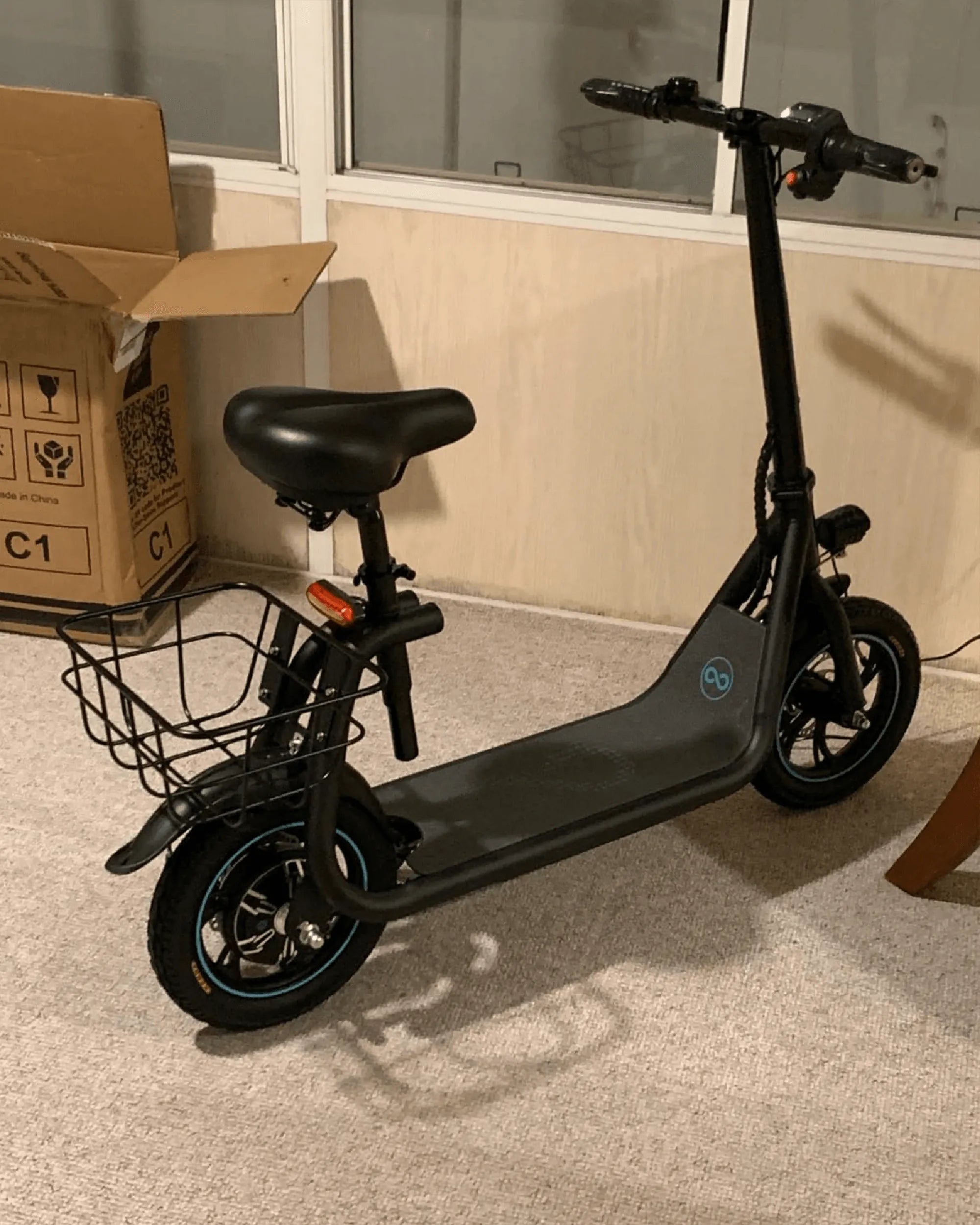
Introduction: The Challenge of Storing Your Outdoor Scooter
Finding effective outdoor scooter storage is a critical yet often overlooked aspect of electric scooter ownership. As riders increasingly rely on their scooters for daily commutes and recreation, the need for a secure, weather-resistant home for these valuable machines becomes paramount. Improper storage exposes your scooter to a host of risks, from accelerated battery degradation and water damage to theft and cosmetic wear.
This guide provides a comprehensive, data-driven approach to solving the outdoor scooter storage dilemma. You will learn the specific threats posed by the elements, the essential features of a quality storage solution, and a detailed comparison of available options. We will also integrate specific care protocols that align with premium scooter engineering, such as that from Gyroor, a leading brand trusted by over 100,000 riders. Protecting your investment starts with understanding how to store it correctly.
Why Proper Outdoor Storage is Non-Negotiable for E-Scooters
Electric scooters are sophisticated devices combining electronics, batteries, and mechanical systems. Leaving them exposed outdoors without protection is an invitation for premature failure and safety hazards. The primary threats are environmental: ultraviolet (UV) radiation, moisture, temperature extremes, and physical security risks.
UV rays from the sun are a silent destroyer. Prolonged exposure can fade colors, crack plastic components like deck covers and fenders, and degrade rubber tires. The display screen is particularly vulnerable, often becoming unreadable after consistent sun damage. This goes beyond aesthetics; compromised plastics can lead to structural weaknesses.
Water is another relentless enemy. While many scooters, including Gyroor models with IPX5 ratings, are built to withstand splashes and light rain, they are not designed for continuous immersion or driving rain. Water can seep into electrical connectors, corrode brake components, and damage bearings. Storing a wet scooter accelerates this process, leading to costly repairs.
Temperature extremes directly impact the lithium-ion battery, the scooter's most expensive and safety-critical component. Storing a battery at full charge in high heat accelerates capacity loss. Conversely, freezing temperatures can permanently damage battery cells, reducing range and potentially creating a safety risk. Proper outdoor scooter storage mitigates these thermal stresses.
Essential Features of a Quality Outdoor Scooter Storage Solution
Not all storage solutions are created equal. Selecting the right one requires evaluating several key features that directly correlate to protection and convenience. A high-quality solution acts as a barrier against the elements and deterrence against theft.
Weatherproofing and Durability
The material is the first line of defense. Look for heavy-duty polyester with a polyurethane (PU) coating or tarpaulin (tarpaulin) fabric. These materials offer excellent water resistance. Seams should be heat-sealed or welded, not just stitched, to prevent water ingress. For rigid solutions like lockers, powder-coated steel or UV-stabilized plastic is essential. Durability also means resistance to wind; a flimsy cover that blows away offers zero protection.
UV resistance is a specific coating or material property that prevents the fabric from breaking down in sunlight. Without it, a storage cover can become brittle and tear within a single season. A sturdy frame, whether internal poles in a storage bag or the construction of a locker, ensures the unit maintains its shape and doesn't collapse onto the scooter, potentially scratching it.
Security and Theft Deterrence
Security transforms a simple cover into a legitimate storage solution. The most basic feature is a lockable zipper or clasp, allowing you to use a padlock. More advanced solutions include reinforced grommets or anchor points where you can thread a heavy-duty chain, securing the entire storage unit to a railing, post, or ground anchor.
For permanent storage like sheds, the locking mechanism on the door itself is crucial. The mere presence of a locked, dedicated storage unit is a significant theft deterrent compared to a scooter simply leaning against a wall. Always ensure the storage unit itself is secured; a lightweight locker can be carried away if not anchored.
Size, Portability, and Ventilation
Accurate sizing is vital. Measure your scooter's dimensions when folded (for compact storage) and note its height when unfolded if you plan to store it ready-to-ride. Ensure there is extra room for the charger and any accessories. A too-tight fit can strain zippers and press against the scooter's controls.
Portability matters for covers and bags. Integrated carrying handles or a storage pouch make it easy to take the cover with you if needed. Perhaps most overlooked is ventilation. A completely sealed, non-breathable environment can trap moisture from a slightly damp scooter, leading to condensation, mold, and mildew inside the storage. Look for designs with small vent panels or breathable fabric sections to allow air circulation and prevent moisture buildup, which is also beneficial for battery health.
Comparing Outdoor Storage Options: From Covers to Lockers
The market offers a spectrum of outdoor scooter storage solutions, each with distinct advantages and ideal use cases. The right choice depends on your budget, space, security needs, and local climate.
| Storage Type | Best For | Pros | Cons | Estimated Cost Range |
|---|---|---|---|---|
| Heavy-Duty Scooter Cover | Balconies, patios, semi-covered areas. | Most affordable, highly portable, easy to use, good UV/rain protection. | Minimal security, can blow away if not secured, less protection in extreme weather. | $30 - $80 |
| Waterproof Storage Bag (Padded) | Transport, garages, sheds, more secure outdoor spots. | Excellent physical and weather protection, often includes padding, more portable than lockers. | Typically requires scooter to be folded, can be bulky, security varies by model. | $70 - $150 |
| Outdoor Storage Locker/Shed | Yards, driveways, dedicated outdoor space. | Maximum security and weather protection, can store multiple items (charger, helmet), permanent solution. | High cost, requires assembly and permanent space, not portable. | $200 - $600+ |
| Modified Deck Box or Bin | DIY enthusiasts with specific space constraints. | Customizable, can be cost-effective, often blends with patio decor. | Requires modification (adding vents, locks), may not be perfectly sized, weatherproofing not guaranteed. | $50 - $200 (plus modification) |
Heavy-duty covers are the entry point for outdoor scooter storage. They are ideal for situations where the scooter is already in a relatively sheltered location but needs protection from dust, pollen, and light precipitation. For riders who need to take their scooter on public transport or store it in a shared garage, a padded waterproof storage bag offers superior physical protection against dings and scrapes.
For the ultimate solution, a dedicated outdoor locker or small shed provides fortress-like security. It deters thieves and completely shields the scooter from all weather. This is the recommended choice for those in regions with harsh winters or very high rainfall. The DIY deck box approach offers a middle ground but requires handyman skills to install proper locks and ventilation ports.
The Gyroor Standard: Integrating Storage with Scooter Care
Proper outdoor scooter storage is the final, critical component of a holistic care regimen that maximizes the lifespan and performance of your electric scooter. For brands like Gyroor, which engineer their products with UL-certified batteries and IPX5 water-resistant designs, correct storage ensures these features deliver on their long-term promise.
Gyroor's UL-certified battery packs are tested for over 500 charge cycles. Storing the scooter in a temperature-moderated environment, as facilitated by a good storage unit, directly supports this longevity. Extreme heat in a locked garage or freezing cold on a patio undermines the battery's chemistry. A storage solution that provides shade and insulation helps maintain the battery within its ideal temperature range.
The IPX5 rating on Gyroor scooters means they can withstand water jets from any direction, making them reliable in rain. However, this rating applies to use, not indefinite storage. A waterproof cover or locker prevents prolonged water pooling and pressure that could exceed the design specification during a stationary period, thus preserving the integrity of seals and gaskets.
Furthermore, responsible storage practices help uphold the terms of Gyroor's 1-year warranty. While the warranty covers defects in materials and workmanship, damage resulting from neglect—such as a battery ruined by freezing temperatures or corrosion from constant dampness—would not be covered. Using appropriate outdoor scooter storage demonstrates proper care and protects your warranty claim validity.
Step-by-Step Guide to Prepping Your Scooter for Outdoor Storage
Before placing your scooter into any storage solution, proper preparation is essential. This routine, which should take less than 10 minutes, drastically reduces risks during storage.
Step 1: Clean and Dry. Wipe down the entire scooter with a damp cloth to remove dirt, road salt, and grime. Pay special attention to the deck, wheels, and brake discs. Use a dry cloth to thoroughly dry all surfaces, including hard-to-reach areas like under the fender and around the stem folding mechanism. Never store a wet scooter.
Step 2: Battery Charge Management. This is the most important step for long-term health. For storage periods longer than a week, charge or discharge the battery to approximately 50-80% capacity. A full charge at high temperatures stresses the battery, while a completely empty battery can fall into a deep discharge state, causing permanent damage. Gyroor's battery management systems aid in this, but manual check is good practice.
Step 3: Power Down and Fold. Ensure the scooter is completely powered off. If your model is foldable, secure it in the folded position to minimize its footprint. Engage any mechanical locks on the folding mechanism. This also helps prevent accidental activation during storage.
Step 4: Final Placement. Place the prepared scooter into your chosen storage unit. Ensure no cables or parts are pinched. If using a cover, secure it snugly and use a lock if available. If using a locker, consider adding a silica gel desiccant pack inside to absorb ambient moisture. Your scooter is now secured for outdoor scooter storage.
FAQ: Outdoor Electric Scooter Storage
Q: Can I leave my electric scooter outside in winter?
A: It is strongly discouraged. Lithium-ion batteries are highly susceptible to damage from freezing temperatures. Cold can irreversibly reduce battery capacity and, in some cases, cause physical damage to the cells. Even with a cover, ambient cold will permeate. If outdoor storage is unavoidable, use an insulated locker and consider removing the battery to store it indoors.
Q: Is a waterproof cover enough protection for heavy rain?
A> It depends on the cover's rating and the exposure. A high-quality, fully sealed cover can protect against heavy rainfall for a period. However, in a severe, wind-driven storm, water may find its way in. For areas with frequent heavy rain, a covered patio combined with a cover, or a fully enclosed locker, is a far more reliable solution than a cover alone.
Q: How do I prevent mold or a musty smell inside my storage bag?
A> The key is ensuring the scooter is completely dry before storage and providing ventilation. Always wipe down and air-dry your scooter after a wet ride before covering it. Choose storage bags with vent panels. Periodically air out the bag on a sunny, dry day. For lockers, ensure they are not airtight; a small vent can prevent stagnant, moist air.
Q: Does storing my scooter outdoors void the warranty?
A> Storing it outdoors does not automatically void the warranty. However, damage *resulting from* improper storage is not covered by warranty. For example, if water damage occurs because you left it uncovered in a storm, or if the battery fails due to repeated freezing, a warranty claim would likely be denied. Proper use of recommended outdoor scooter storage methods helps keep your warranty intact.
Q: How often should I check on my scooter in long-term storage?
A> For seasonal storage (e.g., over winter), check on the scooter at least once a month. Verify the storage unit is intact and secure. If possible, check the battery charge level every 4-6 weeks and give it a slight top-up charge if it has dropped near 20-30% to prevent deep discharge.
Conclusion: Secure Storage for Uninterrupted Adventure
Your electric scooter is a gateway to freedom, efficiency, and fun. Protecting it with dedicated outdoor scooter storage is not an accessory purchase; it is a fundamental part of responsible ownership. By shielding your scooter from UV rays, moisture, temperature swings, and theft, you directly invest in its longevity, performance, and safety.
The data is clear: proper storage preserves battery health, maintains structural integrity, and protects your financial investment. Whether you choose a robust cover for your balcony, a padded bag for the garage, or a secure locker for the driveway, the right solution will give you peace of mind, knowing your scooter is protected and ready for your next journey.
Explore scooters engineered with the durability that deserves such care. Browse the full Gyroor collection, featuring models with UL-certified batteries and IPX5 water resistance, at gyroorboard.com. Find the perfect ride, and pair it with the perfect place to keep it safe.
50cc Scooter Reviews: In-Depth Analysis of Top Models for 2024
800cc Scooter: The Ultimate Guide to Maxi-Scooter Touring & Commuting