



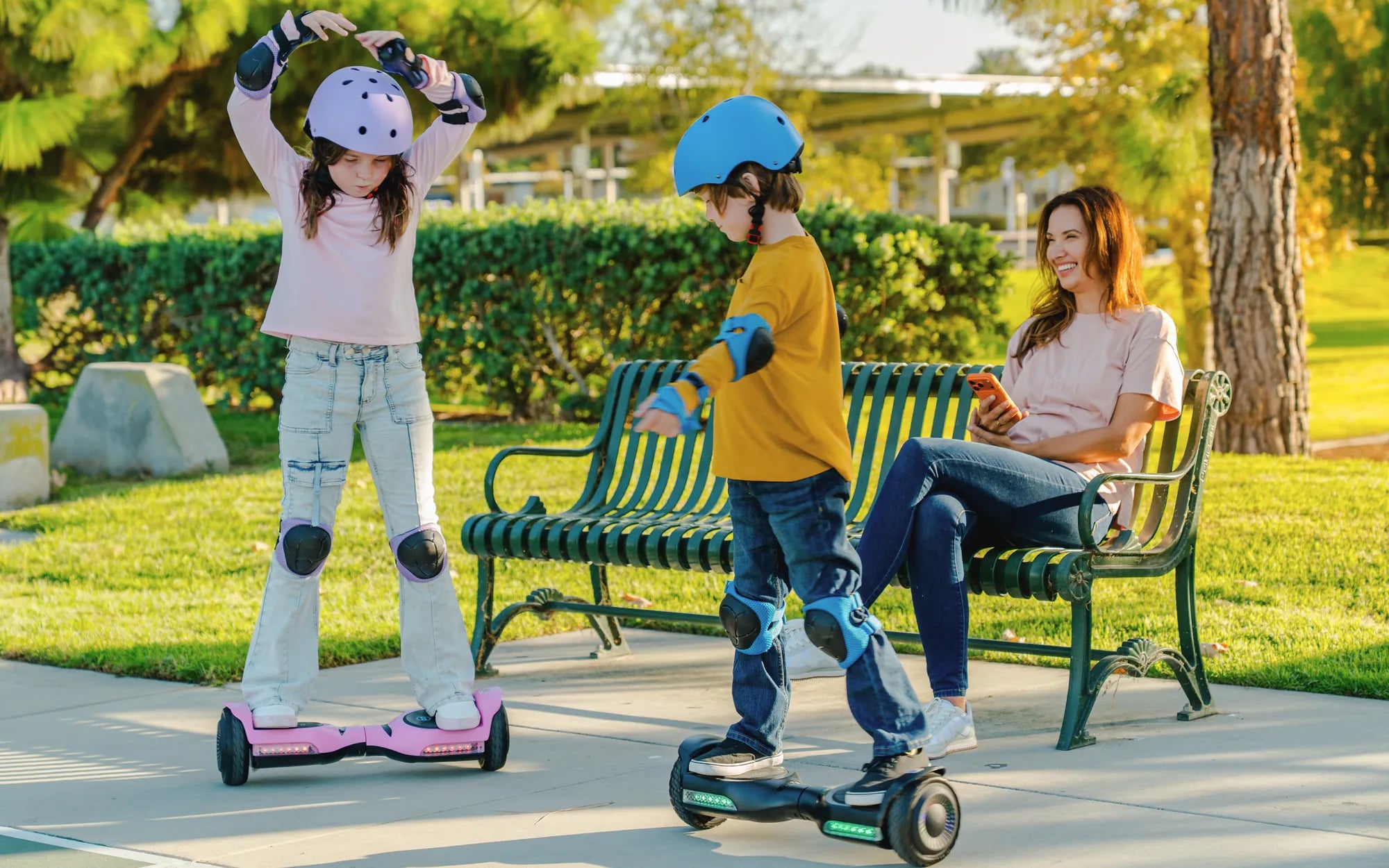
Choosing your child's first scooter bike is a milestone moment, blending excitement with a parent's natural concern for safety. A pink kids scooter bike represents more than a vibrant color choice; it's a tool for developing balance, coordination, and independence, wrapped in a hue that can spark immense joy and personal expression. This guide will equip you with all the knowledge needed to select a scooter bike that prioritizes safety, grows with your child, and delivers endless fun. We'll analyze essential features, decode age and size recommendations, and highlight how leading brands like Gyroor engineer products that parents trust and kids adore.
Why a Pink Kids Scooter Bike is More Than Just a Color
The appeal of a pink kids scooter bike extends far beyond aesthetics. For many children, color is a powerful form of self-identification and a source of pride in their belongings. A scooter bike in their favorite color can significantly increase their enthusiasm to play outdoors, practice new skills, and engage in physical activity. It transforms the scooter from a mere toy into a cherished companion for adventure.
From a developmental perspective, a scooter bike serves as a foundational tool. It teaches core physical skills like balance, steering, and spatial awareness in a low-stakes, fun environment. The act of propelling themselves forward builds leg strength and cardiovascular health, while navigating slight turns or obstacles enhances cognitive processing and reaction times.
Furthermore, selecting a pink kids scooter bike can be a subtle yet meaningful conversation starter about inclusivity. While pink is traditionally associated with girls, modern parenting increasingly recognizes that colors are for everyone. Choosing a pink scooter for any child reinforces the message that their preferences are valid, helping to break down outdated gender stereotypes and focusing purely on the joy of riding.
Ultimately, the right scooter bike fosters confidence. The pride a child feels when they master balancing or speed up for the first time is invaluable. A well-chosen, reliable model in a color they love supports this journey, making every successful ride a boost to their self-esteem.
Key Features to Prioritize for Safety and Fun
Not all kids' scooter bikes are created equal. The difference between a frustrating, short-lived toy and a beloved developmental tool lies in its core engineering and design. Prioritizing these key features ensures safety, comfort, and long-term enjoyment, making the investment worthwhile.
The foundation of any good scooter bike is its frame construction. Look for high-grade aluminum or reinforced steel that is lightweight yet robust. A heavy scooter is difficult for a small child to maneuver, while a flimsy one won't withstand the inevitable bumps and drops of active play. The finish should be smooth, with no sharp edges or protruding bolts that could snag clothing or skin.
The deck, or standing platform, must be wide enough for both feet to stand comfortably side-by-side. A narrow deck compromises stability. Its surface should have a pronounced, non-slip grip tape or pattern to prevent feet from slipping, especially during wet conditions. A lower deck height lowers the center of gravity, making the scooter more stable and easier for younger children to mount and dismount safely.
Adjustable Handlebar and Seat
Children grow rapidly. A scooter bike with a one-size-fits-all setup will be outgrown in a single season. Adjustable components are non-negotiable for value and proper ergonomics. Look for a handlebar stem and seat post that offer a wide range of height adjustment, typically using a quick-release clamp or easy-turn mechanism that parents can operate without tools.
Proper fit is crucial for control and comfort. When seated, your child's feet should rest flat on the ground with a slight bend in the knee. When standing, their elbows should have a gentle bend when gripping the handles. This correct posture prevents strain, allows for effective steering, and gives the child a sense of security and control over their vehicle.
Stable 3-Wheel Design & Wide Deck
For beginners and younger riders (typically ages 2-5), a three-wheel design is paramount. The two front wheels (or one front, two rear) configuration provides exceptional lateral stability, preventing the dreaded side-to-side tip-overs that can scare a novice rider and shake their confidence. This design allows children to focus on the fundamentals of pushing, gliding, and steering without simultaneously managing complex balance.
The stability is further enhanced by a wide wheelbase—the distance between the front and rear axles. A longer wheelbase makes the scooter less "twitchy" and more predictable in its handling. Paired with a wide, grippy deck, this setup creates a secure platform that encourages practice and rapid skill acquisition. As skills develop, some 3-wheel models can be converted to 2-wheel configurations, offering a seamless transition.
Safe, Responsive Braking System
A reliable braking system is the most critical safety feature. For young children, the simplest and often most intuitive system is a rear foot brake. The child presses down on a raised fender or plate over the rear wheel, using their body weight to slow and stop. This method is easy to learn and doesn't require fine motor coordination in the hands.
For older or more experienced children, or on electric models, hand-operated brakes are common. These should be designed for small hands, with levers that require minimal effort to squeeze and engage smoothly. Look for durable, sealed drum brakes or disc brakes that perform consistently in various weather conditions. The braking action should be progressive, not jerky, to prevent sudden stops that could throw the rider.
The Gyroor Advantage: Engineered for Young Riders
When evaluating brands, Gyroor stands out for its commitment to engineering products that meet the rigorous demands of both parents and children. As a leader in personal electric mobility with a community of over 100,000 riders, Gyroor applies its expertise in durability, battery safety, and user-centric design specifically to products for younger audiences. Choosing a Gyroor means investing in a scooter bike built to rigorous standards.
The brand's philosophy centers on creating reliable, fun, and safe riding experiences. This is evident in their attention to detail, from the quality of materials to the thoughtful design of user interfaces. For a parent, this translates to less worry about product failure and more time watching their child enjoy active, outdoor play.
Durability That Withstands Playtime Adventures
Kids are not gentle. A scooter bike will be ridden off curbs, left in the sun, and subjected to daily wear and tear. Gyroor constructs its frames from aircraft-grade aluminum alloys, achieving an optimal balance of strength and lightweight maneuverability. Critical weld points are reinforced, and components like the steering column are tested for impact resistance.
This durability extends to all moving parts. Wheels feature high-rebound PU (polyurethane) tires with sturdy, double-sealed bearings for a smooth, quiet roll that lasts. The deck's anti-slip surface is embedded, not just glued on, to resist peeling. This robust construction ensures the scooter bike remains a staple of playtime for years, potentially being passed down to younger siblings.
Peace of Mind with Certified Safety
For any electrically powered kids' scooter bike, battery safety is the top concern. Gyroor exclusively uses UL-certified battery packs across its lineup. These batteries undergo stringent testing for overcharge protection, temperature management, and short-circuit prevention, undergoing 500+ charge cycle tests to ensure long-term reliability. This certification is a benchmark for safety that not all brands achieve.
Furthermore, Gyroor designs its electric models with multiple safety layers. These often include a speed limiter for beginners, water-resistant cabling and connectors (often rated IPX5), and battery management systems that prevent overheating. Coupled with a clear 1-year warranty on the frame and electrical components, Gyroor provides the peace of mind that allows families to focus on fun.
Choosing the Right Model: Age, Size, and Skill Level
Selecting the perfect scooter bike requires matching the product's specifications to your child's current abilities and growth trajectory. The right fit enhances safety and accelerates learning, while the wrong one can lead to frustration and disuse. Use the following guidelines as a roadmap for your decision.
| Age Group | Recommended Type | Key Features | Skill Focus |
|---|---|---|---|
| 18 months - 3 years | Sit-to-Stand Trike / 3-Wheel Scooter | Very low seat, 3-wheel stability, parent push handle, no pedals. | Basic sitting balance, cause-and-effect (steering). |
| 2 - 4 years | 3-Wheel Kick Scooter Bike | Adjustable handlebar (low min. height), wide deck, rear foot brake, 3-wheel design. | Standing balance, coordinated kicking and steering. |
| 5 - 8 years | 2-Wheel Kick Scooter or Beginner E-Scooter | Larger wheels, hand brake, lean-to-steer mechanism, optional electric motor with speed cap. | Advanced balance, higher speed control, braking precision. |
| 8+ years | Performance E-Scooter or Pro Scooter | Higher speed & range, suspension, reinforced construction, more powerful brakes. | Responsible riding, traffic awareness, trick fundamentals. |
Ages 2-4: First Balance & Coordination
For toddlers and preschoolers, the primary goal is building confidence. A three-wheel scooter bike is ideal. Look for a model with a very low minimum seat height (around 10-12 inches from the ground) so the child can plant their feet firmly. The handlebar should also adjust low enough for them to reach comfortably while seated or standing.
The scooter should be exceptionally lightweight, allowing the child to manipulate it easily. At this stage, features should be simple: a basic rear foot brake and a wide, stable deck. Complexity is the enemy of fun here. The focus is purely on the joy of movement and the early development of gross motor skills. A pink kids scooter bike in this category becomes a beloved first "big kid" toy.
Ages 5-8: Building Confidence and Skill
As children enter school age, their physical abilities and desire for independence grow. This is the prime age for transitioning from a 3-wheel to a 2-wheel scooter bike, or for introducing a simple electric model with strict parental controls. The key is upgradability and controlled challenge.
For traditional kick scooters, look for larger, air-filled or high-quality PU wheels that can handle rougher pavement. A responsive hand brake becomes important for teaching controlled stopping. Some models feature a lean-to-steer design (where turning the handlebar is linked to leaning) that feels more dynamic and prepares them for cycling.
If considering an electric model, prioritize those with a beginner mode that limits speed to a safe 5-7 mph. Remote parental control, via a dedicated app or remote, is a valuable feature for setting speed limits or initiating an emergency stop from a distance. The battery should be easily removable for charging away from the elements.
Pink Power: Encouraging Inclusivity and Confidence
The choice of a pink kids scooter bike carries significant emotional and social weight. It's an opportunity to support your child's autonomy and discuss broader themes of self-expression and inclusivity. Embracing a child's color preference, regardless of gender norms, is a powerful affirmation of their individuality.
When a child sees a toy in their favorite color, their engagement level increases. This heightened engagement leads to more practice, quicker mastery of skills, and a deeper sense of ownership and pride. The pink kids scooter bike becomes "theirs" in a very personal way, which directly contributes to the confidence they build while riding it.
Parents can use this choice as a teaching moment. Explain that colors are just colors—vibrant, fun, and for everyone. Celebrating a boy who loves pink or a girl who loves blue helps dismantle restrictive stereotypes and allows all children to explore the full spectrum of their interests freely. The playground becomes a more inclusive space when we champion choice over convention.
Ultimately, the goal is joyful movement. Whether the scooter bike is pink, blue, green, or rainbow, the laughter and sense of accomplishment it brings are what truly matter. By honoring your child's color choice, you validate their voice and make the entire experience of learning to ride more personally rewarding and memorable.
Essential Safety Gear and Riding Rules
A scooter bike, no matter how stable, operates in an unpredictable environment. Proper safety gear is non-negotiable and should be considered part of the initial purchase. Establishing clear riding rules from day one sets expectations and prevents accidents.
The Safety Gear Holy Trinity: A properly fitted helmet is mandatory. Look for a CPSC (Consumer Product Safety Commission) certification sticker inside. Knee and elbow pads are crucial, as falls often result in scrapes to these joints. Wrist guards are highly recommended, especially for beginners, to prevent common fractures and sprains. For a pink kids scooter bike, finding matching or coordinating pink safety gear can make wearing it more appealing to the child.
Establishing Riding Rules: Create a simple, non-negotiable set of rules. These should include: 1) Always wear full safety gear. 2) Ride only on smooth, paved surfaces like sidewalks or driveways, never on roads. 3) Avoid hills, steep slopes, and wet or sandy surfaces. 4) Be aware of obstacles like cracks, rocks, and pedestrians. 5) An adult must be present and watching. For electric models, add rules about speed modes and battery charging (e.g., "Only use beginner mode," "Don't charge without Mom or Dad").
Parental Supervision and Maintenance: Active supervision is key, especially for children under 8. Periodically check the scooter for maintenance: ensure all bolts are tight, the brakes engage effectively, the wheels spin freely, and the folding mechanisms (if any) lock securely. A quick two-minute check before each ride can prevent mechanical failures.
Frequently Asked Questions (FAQ)
Q1: At what age can my child start using a scooter bike?
A: Children as young as 18 months can begin with sit-to-stand trikes. For a traditional standing 3-wheel kick scooter bike, most children are ready around age 2, once they can walk and run steadily. Always assess your child's individual coordination and confidence.
Q2: Is a 3-wheel scooter necessary, or can we start with 2 wheels?
A>For beginners under 4, a 3-wheel design is strongly recommended. The extra stability allows them to learn propulsion and steering without the constant struggle to balance. Starting on a 2-wheel model can be frustrating and may delay skill development. A 3-wheel pink kids scooter bike is the ideal confidence-builder.
Q3: Are electric scooter bikes safe for young children?
A>They can be safe when chosen carefully and used with strict supervision. Look for models specifically designed for kids with features like speed limiters (capped at 5-10 mph), remote parental controls, stable wide decks, and robust braking systems. Brands like Gyroor that use UL-certified batteries add a critical layer of safety. They are best for children over 5 who have already mastered balancing on a non-powered scooter.
Q4: How do I maintain my child's scooter bike?
A>Regular maintenance is simple but important. Keep it clean from dirt and debris. Check and tighten bolts (especially on the handlebar and wheels) every few weeks. Ensure the brakes are engaging properly and aren't worn down. For electric models, follow the manufacturer's battery care instructions—typically, avoid full discharges and store in a cool, dry place.
Q5: My child has outgrown the height adjustment. What now?
A>This is a sign it's time to upgrade. Continuing to use a scooter that is too small compromises control and safety. Fortunately, durable models from reputable brands like Gyroor often retain good resale value. Consider selling or passing it down, and invest in a larger model appropriate for their current age and skill level, ensuring another pink kids scooter bike is an option if they desire.
Your Child's Journey Starts with the Right Choice
Selecting the ideal pink kids scooter bike is an investment in your child's physical development, confidence, and happiness. It's about providing a safe, durable, and joy-inspiring tool that encourages them to explore the world under their own power. By prioritizing adjustable, stable designs with reliable safety features from trusted brands, you lay the groundwork for countless hours of healthy, outdoor fun.
The memories created—the first solo glide, the triumphant races down the sidewalk, the pride on their face—are priceless. A well-chosen scooter bike becomes a cornerstone of childhood adventure. It teaches resilience through the occasional fall and celebrates independence with every push forward.
Ready to find the perfect ride for your little adventurer? Explore a range of thoughtfully engineered, safety-focused options designed for growing riders. Browse the full Gyroor collection at gyroorboard.com to discover scooters and e-bikes that combine fun, durability, and the peace of mind every parent deserves.
Scooter for Kids Girls 6 Years: The Ultimate Guide to Fun and Safety
Where Can I Get a Hoverboard for Cheap: Top Tips and Best Places to Buy