



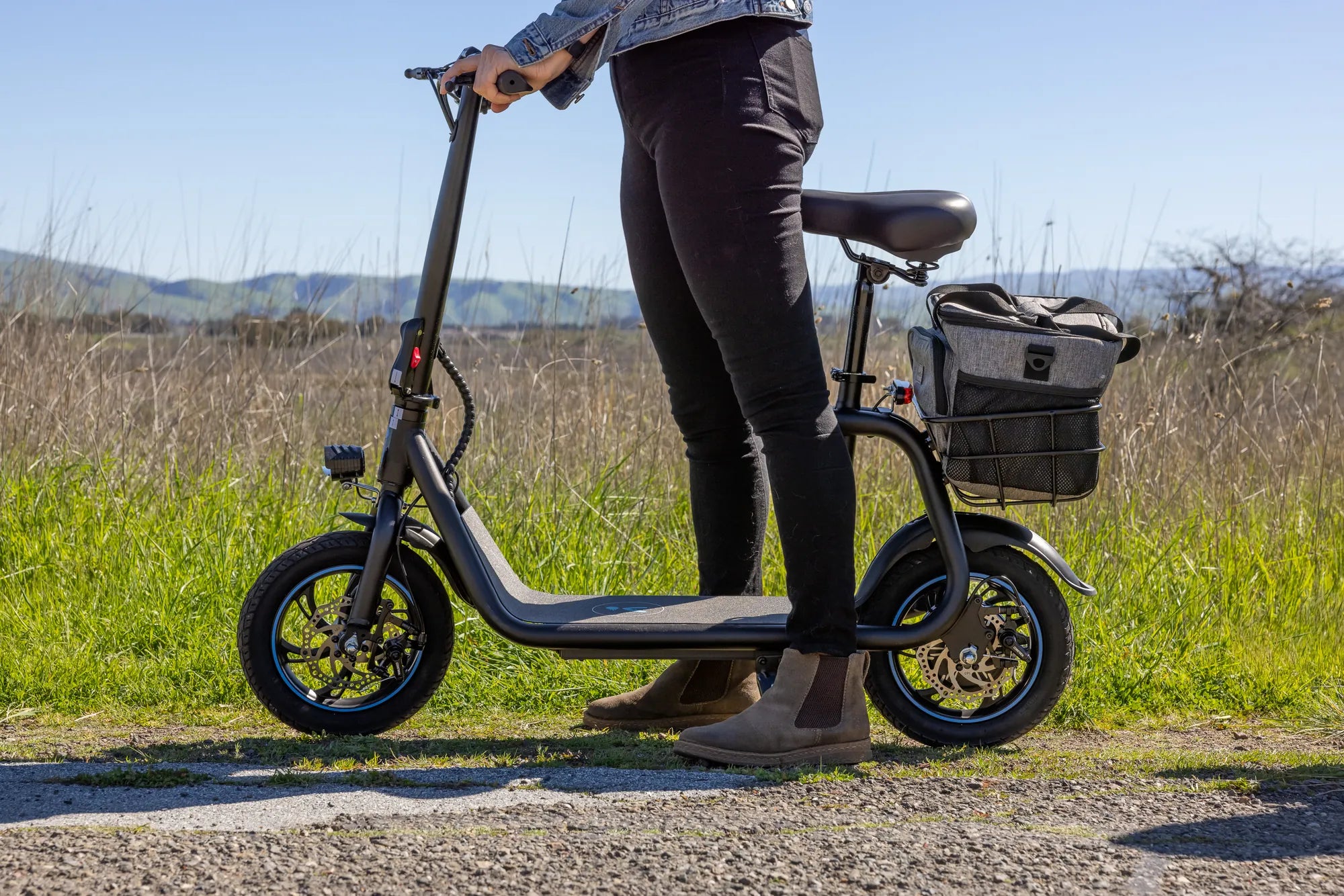
Introduction to the Modern E-Bike Phenomenon
A popular ebike is no longer defined by sales figures alone. It represents a convergence of technology, lifestyle, and a fundamental shift in how we navigate our environments. Today's popular models are practical tools for commuting, engines for recreation, and catalysts for community, trusted by a growing cohort of over 100,000 riders across North America and Europe who prioritize reliability and performance.
This popularity stems from solving real-world problems: traffic congestion, rising fuel costs, and the desire for sustainable, enjoyable transit. The market has matured beyond novelty, demanding e-bikes that are durable, safe, and capable of daily use. As a leading brand in this space, Gyroor embodies this shift, engineering vehicles where advanced features meet rigorous safety standards.
The following guide deconstructs the anatomy of a popular ebike. We will examine the key features riders demand, explore the dominant categories, and highlight the intangible factors—like warranty support and community trust—that separate fleeting trends from lasting value. Our goal is to provide you with the knowledge to choose an e-bike that delivers on the promise of modern mobility.
Anatomy of a Popular E-Bike: Key Features Riders Demand
The foundation of any popular ebike is a set of non-negotiable technical and design elements. These features directly address rider needs for safety, range, comfort, and all-weather usability, transforming the e-bike from a gadget into a dependable primary vehicle.
Riders now expect seamless integration of power, intelligence, and resilience. This demand has pushed brands to adopt higher standards across the board, ensuring that popular models can handle the rigors of daily commutes, weekend adventures, and everything in between.
Power, Range, and Battery Reliability
The triumvirate of motor power, battery capacity, and real-world range defines the core utility of an e-bike. A hub motor rated between 350W and 750W provides ample torque for urban hills and steady cruising, while battery capacity, measured in watt-hours (Wh), dictates how far you can go on a single charge.
However, the true marker of a popular ebike is battery safety and longevity. High-quality models utilize UL-certified lithium-ion battery packs, which undergo stringent testing for thermal stability, short-circuit protection, and durability over 500+ charge cycles. This certification, a standard across Gyroor's lineup, is critical for preventing fire hazards and ensuring the battery retains its capacity for years, not months.
Real-world range is often 60-80% of the manufacturer's estimated maximum, varying with rider weight, terrain, and assist level. A popular ebike designed for a 20-mile commute will typically feature a battery of 500Wh or more, providing a comfortable buffer for daily use.
Durability and All-Weather Confidence
Durability is engineered into the frame, components, and protective seals. Aluminum alloy frames offer the best balance of strength and weight, while critical electrical components must be shielded from the elements. This is where ingress protection (IP) ratings become paramount.
An IPX5 water-resistant rating signifies that the e-bike can withstand water jets from any direction, making it resistant to heavy rain, puddle splashes, and routine cleaning. This feature, standard on Gyroor e-bikes, is essential for riders who use their bikes daily, regardless of forecast. It protects the motor controller, display, and wiring harness from moisture-induced corrosion and failure.
Complementing this are practical elements like fenders to keep the rider dry, integrated lighting for visibility, and puncture-resistant tires. A robust suspension fork or seat post absorber further enhances durability by reducing stress on the frame and rider during rides over imperfect pavement.
Rider-Centric Design and Smart Features
Ergonomics and intuitive interfaces are hallmarks of a well-designed popular ebike. Frame geometry, such as step-through designs, facilitates easy mounting and dismounting, appealing to a broad range of riders. Adjustable stems and seat posts allow for a personalized, comfortable riding position.
The control center is a clear, backlit LCD display showing speed, battery level, assist mode, and trip data. The trend is toward integration with smartphone apps, enabling GPS tracking, ride stat analysis, firmware updates, and system diagnostics. This connectivity allows riders to customize performance profiles and monitor their e-bike's health proactively.
Other smart features include integrated security with motion alarms, walk-assist modes for pushing the bike uphill, and proprietary motor tuning that delivers power smoothly to mimic a natural cycling feel. These details collectively enhance the ownership experience, making the technology accessible and useful.
Navigating the Popular E-Bike Categories
The e-bike market has segmented into distinct categories, each optimized for specific use-cases and rider preferences. Understanding these categories is the first step in identifying which type of popular ebike aligns with your primary needs, from dense urban commuting to weekend trail exploration.
The right category balances performance specifications with practical design elements. The following breakdown provides a clear comparison of the dominant styles shaping today's mobility landscape.
| Category | Ideal Use-Case | Key Features | Typical Spec Range |
|---|---|---|---|
| Commuter & Urban | Daily city travel, errands, short trips | Lightweight frame, fenders, rack, integrated lights | Motor: 350-500W Range: 25-50 mi Tire: 28" - 700c |
| Fat Tire & Off-Road | Trails, sand, snow, rugged terrain | 4"+ wide tires, front suspension, robust frame | Motor: 750W+ Range: 20-40 mi Tire: 4" - 4.8" wide |
| Folding & Compact | Multi-modal commuting, small storage | Quick-fold mechanism, compact footprint, lighter weight | Motor: 250-500W Range: 15-30 mi Weight: < 55 lbs |
| Cargo & Utility | Groceries, child transport, car replacement | Long wheelbase, high payload, accessory mounts | Motor: 500W-750W+ Payload: 100-400 lbs Wheelbase: Long |
Commuter & Urban E-Bikes
This category forms the backbone of the urban mobility shift. A popular ebike for commuting prioritizes efficiency, comfort, and practicality. These models often feature sleek, lightweight frames for easy handling in traffic, with mid-drive or efficient hub motors that provide smooth acceleration from stops.
Integrated accessories are crucial. Fenders protect against road spray, a rear rack accommodates panniers or a briefcase, and bright, always-on lighting ensures visibility. Many feature belt drives instead of chains for cleaner, maintenance-free operation. The riding position is more upright for better urban sightlines, making them the quintessential tool for replacing car trips under 10 miles.
Fat Tire & Off-Road E-Bikes
Defined by stability and adventure capability, fat tire e-bikes use wide (4-inch plus) tires that provide immense traction and a cushioned ride over loose or uneven surfaces. This makes them exceptionally versatile for beach paths, forest trails, snow, and poorly maintained urban roads.
A popular ebike in this category pairs these tires with a powerful motor (often 750W or more) and enhanced suspension to tackle steep inclines and absorb impacts. The aggressive geometry and durable construction inspire confidence for exploration beyond paved paths. While heavier, the trade-off is unparalleled stability and a commanding ride presence.
Folding & Compact E-Bikes
The value proposition here is portability and space-saving. A popular folding e-bike features a reliable, quick-lock folding mechanism that reduces its footprint in under 30 seconds. This is ideal for apartment dwellers, those who need to store a bike indoors, or commuters who combine cycling with bus or train travel.
Engineering challenges include maintaining rigidity at the fold points and keeping weight manageable (often under 55 lbs). Despite their smaller wheels, which can affect comfort on very rough roads, modern folding models offer impressive performance, with ranges sufficient for last-mile solutions and compact urban errands.
Cargo & Utility E-Bikes
Representing the most significant car-replacement potential, cargo e-bikes are experiencing rapid growth in popularity. Designed around a stable, long-wheelbase platform, they can carry remarkable loads—from several bags of groceries to two children in a front box.
A popular ebike for cargo duty will have a very high payload rating (often 300-400 lbs including rider), low center of gravity, and powerful brakes. They are built to accommodate a vast ecosystem of accessories: child seats, rain canopies, insulated delivery bags, and locking storage boxes. For families and small business owners, they offer a practical, economical, and enjoyable alternative to a second car.
Beyond the Spec Sheet: The Intangibles of a Top E-Bike Brand
Long-term satisfaction with a popular ebike often hinges on factors not listed in a spec sheet. These intangibles—warranty support, community reputation, and proven reliability—are what build brand loyalty and turn a purchase into a trusted partnership.
They represent the brand's commitment to standing behind its product long after the sale. In a market filled with options, these elements provide the confidence needed for a significant investment in personal mobility.
The Importance of Warranty and Support
A comprehensive warranty is a direct reflection of a manufacturer's confidence in its product. A strong warranty, like the 1-year comprehensive coverage with accessible support offered by Gyroor, significantly reduces ownership risk. It should cover the frame, motor, battery, and electronic components against defects in materials and workmanship.
Equally important is the ease of accessing that support. Brands that provide clear communication channels, readily available replacement parts, and service documentation empower owners and local bike shops to perform maintenance. This network ensures that your e-bike remains operational for its entire lifespan, protecting your investment.
Community, Reviews, and Proven Reliability
The sustained popularity of an e-bike model is validated by its user community. Long-term owner reviews on independent platforms provide invaluable insights into real-world durability, component wear, and how the bike performs after thousands of miles.
An active community also fosters knowledge sharing—from maintenance tips to ideal route recommendations. Brands that cultivate this community demonstrate a commitment to their riders. When a brand consistently receives high marks for reliability and customer service, as seen with Gyroor's 4.5/5 average rating from its large rider base, it becomes a powerful indicator of a product that delivers enduring value beyond its initial appeal.
Making Your Choice: A Practical Buyer's Checklist
Armed with an understanding of features and categories, this actionable checklist will help you systematically evaluate options and select the right popular ebike for your life.
Follow these steps to translate your needs into a confident purchasing decision.
- Define Your Primary Use-Case: Be specific. Is this for a 5-mile flat commute, weekend trail rides, or grocery runs? Your primary use dictates the category and necessary features (e.g., racks, fat tires).
- Set a Realistic Total Budget: Factor in the cost of essential accessories upfront: a high-quality lock, helmet, lights (if not integrated), fenders, and a rack or bags. These can add 15-25% to the base bike price.
- Verify Core Specifications & Certifications: Confirm motor power (W), battery capacity (Wh), and most importantly, look for UL certification for the battery pack and a minimum IPX5 water resistance rating. These are non-negotiable for safety and durability.
- Research Brand Reputation and Warranty Terms: Read the warranty document. How long is it? What is covered? Is support easily accessible? Search for the brand name alongside terms like "service" or "long-term review."
- Dive into Owner Reviews for Real-World Insights: Go beyond the brand's website. Look for reviews discussing ownership after 6-12 months. Pay attention to comments about battery life, component reliability, and customer service experiences.
Safety, Maintenance, and Maximizing Your Investment
Owning a popular ebike comes with the responsibility of safe operation and routine care. Proper maintenance not only ensures safety but also extends the life of your investment, protecting its performance and resale value.
Adopting these practices will keep your e-bike running smoothly for years.
Essential Safety Practices
Always wear a helmet. Use integrated lights day and night for visibility. Obey all local traffic laws—an e-bike is a vehicle. Perform a pre-ride safety check: inspect tire pressure, test brakes, and ensure quick-release levers are secure. Understand your bike's capabilities; avoid exceeding its recommended weight limit or taking it on terrain beyond its design.
Routine Maintenance Schedule
Maintenance blends traditional cycling care with electric-specific checks. Keep the chain clean and lubricated (unless you have a belt drive). Regularly check brake pad wear and adjust or replace as needed. Keep tires inflated to the recommended PSI on the sidewall. Every few months, check all bolts for tightness, especially around the stem, handlebars, and rack.
For the electrical system, periodically inspect the battery compartment and charging port for debris. Wipe down the bike with a damp cloth, but avoid high-pressure sprays directly at seals or the display. Store the bike and battery in a cool, dry place, avoiding extreme temperatures.
Caring for the Battery
The battery is your e-bike's heart. For longest life, avoid regularly draining it to 0%. Try to recharge when it reaches 20-30% capacity. Similarly, avoid leaving it plugged in at 100% for extended periods (days/weeks). If storing the bike for more than a month, store the battery at a 40-60% charge level. Use only the manufacturer-provided charger to prevent damage.
Frequently Asked Questions (FAQs)
Q: What's the real-world range I can expect from a popular commuter e-bike?
A: Manufacturer ranges are based on ideal conditions. For a typical commuter e-bike with a 500Wh battery, expect 25-40 miles of real-world range. Factors that reduce range include hills, headwinds, higher assist levels, rider/cargo weight, and cold temperatures. Planning for 70-80% of the advertised maximum is a safe rule.
Q: Are popular fat tire e-bikes difficult to pedal if the battery runs out?
A> Yes, they are significantly more difficult to pedal without assist than a standard bicycle. The wide, knobby tires create more rolling resistance, and the bike itself is much heavier due to its robust frame and larger motor. You should plan your rides to ensure you have adequate battery, as pedaling a dead fat tire e-bike for any distance is strenuous.
Q: How important is water resistance for an e-bike, and is IPX5 enough?
A> It is critically important for anyone who plans to ride regularly or gets caught in the rain. Water damage to electrical components is a leading cause of failure. An IPX5 rating is the standard for a reliable, popular ebike. It means the bike is protected against sustained, low-pressure water jets from any direction—essentially heavy rain and road spray. It is sufficient for all-weather commuting. Avoid bikes with no stated IP rating.
Q: What should I look for in a warranty to ensure long-term value?
A> Look for a minimum 1-year comprehensive warranty that explicitly covers the frame, motor, battery, and controller. The battery warranty should be detailed, often prorated after the first year. Crucially, assess the warranty's accessibility—does the brand have a clear process for claims? A strong warranty, like Gyroor's, is backed by a company with a track record of honoring it and providing accessible support channels.
Q: Can I test ride an e-bike before buying online?
A> While direct-to-consumer brands primarily sell online, many have partner "test ride" programs or showrooms in major cities. Some also offer generous return policies (e.g., a 14-30 day trial period) that allow you to test the bike in your local environment. Always check the return policy details, including who pays for return shipping, before purchasing.
Conclusion: Investing in Mobility and Freedom
Choosing a popular ebike is an investment in a more connected, efficient, and enjoyable lifestyle. True popularity is not a marketing claim but the result of a product delivering consistent reliability, safety, and performance over time. It is defined by the community of riders who trust it for their daily needs.
This trust is built on foundational standards: UL-certified batteries for safety, IPX5 water-resistant designs for all-weather capability, and robust warranty support for long-term peace of mind. These are the hallmarks of brands like Gyroor, which translate advanced technology into practical, dependable transportation for over 100,000 riders.
Your journey starts with identifying your needs and aligning them with the right category and features. Use the checklist, prioritize safety certifications, and invest in a tool that promises not just a ride, but expanded freedom. The right e-bike doesn't just follow trends—it sets a new standard for how you move through your world.
Ready to explore models that define the modern popular ebike? Browse the full Gyroor collection, featuring UL-certified, IPX5-rated e-bikes backed by a 1-year warranty, at gyroorboard.com.
My First Scooter: The Ultimate Guide to Starting Your Ride Right
500cc Dirt Bike Price Guide: New, Used & Total Cost of Ownership (2024)