



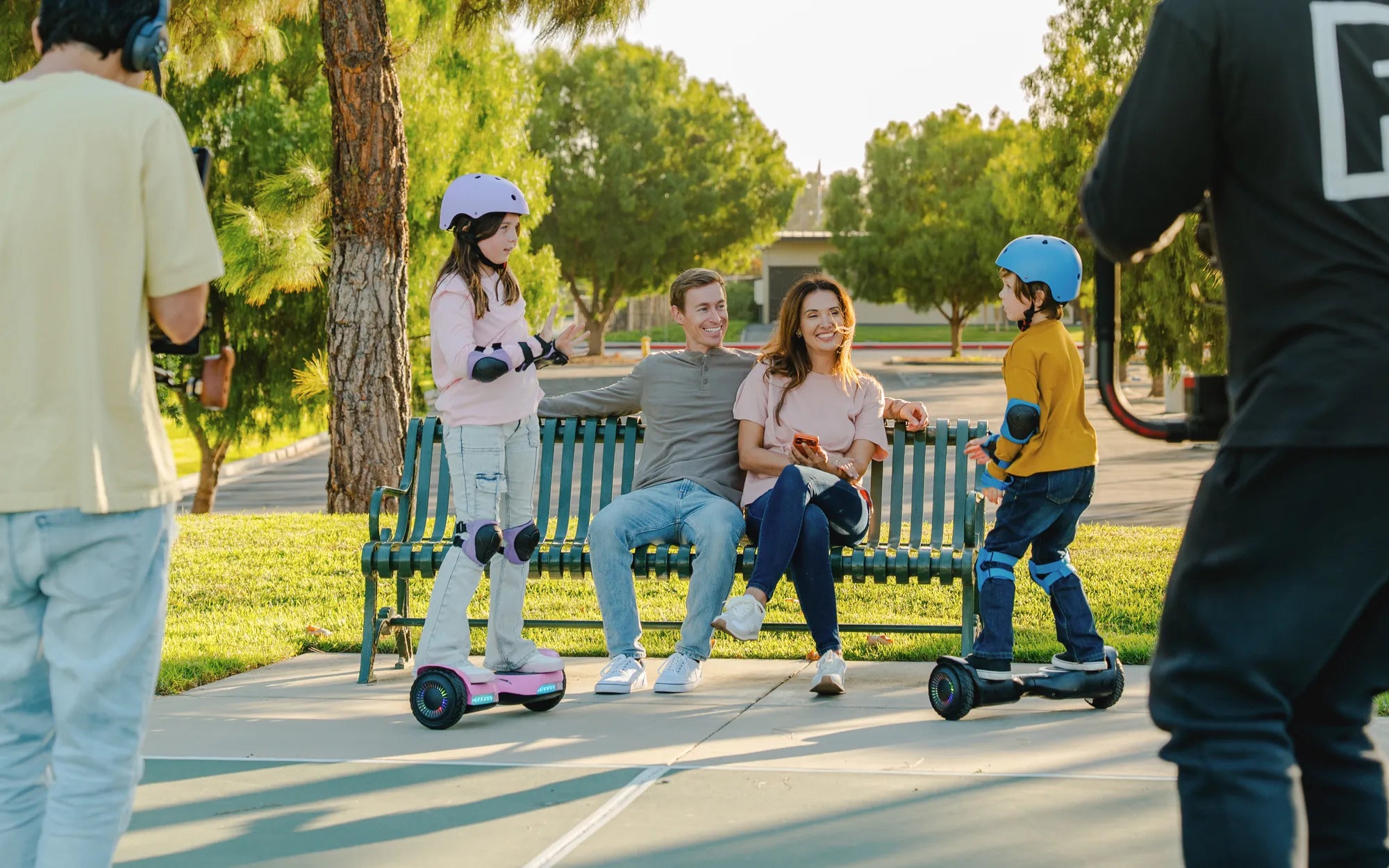
Introduction: Why the Right Kids Scooter is More Than Just a Toy
Choosing a popular kids scooter is a significant decision that impacts your child's physical development, coordination, and love for outdoor play. It's not merely a toy; it's a tool for building confidence, balance, and independence. With countless options on the market, navigating features, safety standards, and age appropriateness can be overwhelming for parents.
This guide serves as your definitive resource, moving beyond surface-level popularity to examine the critical factors that ensure a safe, durable, and enjoyable riding experience. We'll reference engineering principles and safety data to provide a factual, objective analysis. As a leading electric scooter and e-bike brand trusted by over 100,000 riders across North America and Europe, Gyroor's commitment to UL-certified batteries, IPX5 water-resistant designs, and reliable warranties informs our perspective on what constitutes a truly reliable product for young riders.
Key Factors to Consider When Choosing a Kids Scooter
Selecting a scooter requires evaluating several interconnected factors. The goal is to find a model that matches your child's current abilities while allowing room for growth, without compromising on fundamental safety.
Age, Height, and Weight Recommendations
Manufacturer guidelines are based on developmental milestones. A scooter too large or too powerful can be intimidating and unsafe, while one that's too small will be quickly outgrown and may hinder proper riding posture.
For toddlers (ages 2-3), scooters have a very low deck and handlebar height, typically under 20 inches. For children aged 4-6, handlebars often adjust between 22 and 28 inches. For kids 7-12, handlebar ranges extend to 30-36 inches or more. Always check the maximum weight capacity, which for quality models should be at least 20-30% above your child's current weight.
The table below provides a general framework for matching scooter types to age and development.
| Age Group | Recommended Scooter Type | Key Features | Typical Handlebar Height Range |
|---|---|---|---|
| 2 - 5 years | 3-Wheel (2 front, 1 rear) | Extra stability, low deck, lightweight | 18" - 26" |
| 5 - 9 years | 2-Wheel Kick Scooter | Adjustable handlebars, PU wheels, hand/foot brake | 24" - 34" |
| 8+ years | Electric Scooter (Beginner) | Speed limiter, parental control, UL-certified battery | 30" - 38" |
Safety Features You Should Never Compromise On
Safety is non-negotiable. A reliable braking system is paramount. For young beginners, a wide rear fender brake (foot brake) is simple and effective. As children develop coordination, a hand-operated brake on the handlebar provides more controlled stopping power. Some advanced models feature both.
The deck should be wide and textured to provide secure footing. Handlebar grips must be non-slip and ergonomically designed for small hands. Additionally, ensure all folding mechanisms, if present, have a secure, child-proof locking system to prevent accidental collapse during use.
Durability & Build Quality: What Makes a Scooter Last
Durability is determined by materials and construction. Aircraft-grade aluminum frames offer an excellent strength-to-weight ratio, resisting rust and dents. Wheel quality is critical: polyurethane (PU) wheels are standard for kick scooters, offering good speed and wear resistance.
Air-filled (pneumatic) tires provide superior shock absorption on rough surfaces but require maintenance. Sealed, airless tires offer puncture-proof convenience. Bearings rated ABEC-5 or higher ensure smooth, efficient rolling. A reputable brand with a clear warranty, like Gyroor's 1-year comprehensive coverage, is a strong indicator of confidence in build quality.
Exploring Popular Kids Scooter Types: From Toddler to Tween
The market segments scooters by design, which directly correlates to skill level and age. Understanding these categories helps narrow your search effectively.
3-Wheel Scooters: Stability for Beginners (Ages 2-5)
The defining feature of a 3-wheel scooter—typically two wheels in front and one in back—is inherent stability. This design eliminates the need for the child to balance laterally, allowing them to focus on the forward motion, steering, and basic coordination.
These models are lightweight, often made from durable plastic composites, and have a very low deck height for easy foot placement. Their maximum speed is naturally limited by the design and smaller wheels, making them the safest entry point into scootering. They are the ideal popular kids scooter for preschoolers.
2-Wheel Kick Scooters: The Classic Choice for Growing Kids (Ages 5-12)
The transition to a two-wheel kick scooter marks a significant step in skill development. It requires and improves dynamic balance. This category encompasses the most common and versatile popular kids scooter designs.
Key features include adjustable handlebar heights to accommodate growth spurts, larger wheel diameters (e.g., 120mm to 200mm) for better speed and roll-over capability, and more robust braking systems. Materials shift to aluminum alloys and high-grade steel. Variations include off-road styles with wider, air-filled tires and stunt scooters with reinforced components for older, more experienced riders.
Electric Scooters for Older Kids: Introducing Responsible Riding (Ages 8+)
Electric scooters teach older children about powered mobility, responsibility, and traffic awareness. The critical factor is parental control. Look for models with speed limiters that can be set (e.g., from a walking pace of 5 mph up to 10 mph for beginners), often via a companion app or physical key.
Battery safety is the top priority. Gyroor models, for instance, use UL-certified battery packs tested for over 500 charge cycles, significantly reducing risks associated with thermal runaway. Other essential features include bright headlights and taillights, effective electronic and mechanical brakes, and a design that emphasizes a stable, confident riding posture.
Gyroor's Approach to Safe and Fun Kids Scootering
Gyroor engineers its youth products with a dual focus: mitigating parental concerns about safety and delivering the thrilling experience kids desire. This philosophy is embedded in their product specifications.
Engineered for Safety: UL-Certified Batteries and IPX5 Water Resistance
For electric models, the battery is the most critical safety component. UL certification means the battery pack has undergone independent testing by Underwriters Laboratories for electrical, mechanical, and fire hazards. This provides a measurable, third-party verified standard of safety far beyond uncertified alternatives.
An IPX5 water resistance rating means the scooter's electrical components can withstand low-pressure water jets from any direction. In practical terms, this protects against puddles, wet pavement, and light rain, preventing short circuits and corrosion, which enhances both safety and product longevity.
Built to Grow With Your Child: Adjustable Features and Robust Warranty
Investment protection is key. Gyroor designs its kick and electric scooters with wide-ranging handlebar adjustability, often spanning 4-6 inches, to fit a child for multiple seasons. High weight capacities ensure the scooter remains stable and performant as the rider grows.
The 1-year warranty covers manufacturing defects in materials and workmanship, backed by accessible U.S.-based customer support. This commitment reduces long-term ownership risk and underscores the brand's focus on durability.
Comparing Popular Gyroor Models: A Quick Guide for Parents
This comparison highlights how Gyroor tailors its popular kids scooter offerings to different stages of childhood.
| Model Type | Recommended Age | Key Features | Top Benefit for Parents |
|---|---|---|---|
| Gyroor 3-Wheel Beginner Scooter | 3 - 6 years | Wide stable base, lean-to-steer mechanism, lightweight composite deck | Stress-free learning with maximum stability and safety |
| Gyroor Swift Kick Scooter | 5 - 12 years | Adjustable aluminum handlebars (26"-34"), ABEC-7 bearings, rear fender brake + hand brake | One scooter that grows for years, combining speed and control |
| Gyroor Z1 Kids E-Scooter | 8+ years | UL-certified battery, 3-speed modes (max 10 mph), IPX5 rating, app-based parental controls | Peace of mind with certified battery safety and controllable speed limits |
Essential Gear and Riding Tips for a Safe Scooter Experience
The right scooter is only part of the equation. Proper gear and education form the foundation of a safe riding culture.
The Non-Negotiable Safety Kit: Helmet, Pads, and Visibility
A properly fitted CPSC-certified bicycle helmet is mandatory for every ride, regardless of skill level. For beginners, a full set of knee and elbow pads is highly recommended to protect against falls during the learning phase.
For riding in low-light conditions, add reflective stickers to the scooter's deck and stem, and consider a reflective vest or ankle bands for the child. Many electric scooters come with integrated lights, which should always be used at dusk or dawn.
Teaching Your Child Scooter Safety and Etiquette
Start practice in a safe, car-free environment like an empty parking lot or smooth driveway. Drill the basics: proper foot placement, gentle steering, and, most importantly, how to use the brake effectively before gaining speed.
Teach situational awareness: scanning ahead for cracks, gravel, or obstacles, and avoiding wet leaves or sand. Establish clear rules: walking the scooter across streets, yielding to pedestrians on sidewalks, and avoiding busy pathways. This instills responsible habits early.
Maintenance 101: Keeping the Scooter in Top Shape
Simple, regular checks prevent accidents and extend the scooter's life. Monthly maintenance should include: inspecting tires for wear or damage (and inflating pneumatic tires to the recommended PSI), testing brake function and pad wear, checking that the folding mechanism (if present) locks securely, and tightening any loose bolts on the handlebars, stem, and wheels.
Wipe down the scooter with a damp cloth to remove dirt and debris. For electric models, follow the manufacturer's specific guidelines for battery care, such as avoiding full discharges and storing in a cool, dry place.
Frequently Asked Questions (FAQs) About Kids Scooters
Q: What is the best age for a child to start riding a scooter?
A: Most children develop the necessary coordination and strength between ages 2 and 3, making a stable 3-wheel scooter an appropriate starting point. Always assess your individual child's physical readiness and interest.
Q: Are 3-wheel scooters really better for beginners?
A> Yes, data on child motor skill development supports this. The trike configuration provides passive stability, allowing the child to master propulsion and steering before tackling the more complex task of balancing on two aligned wheels.
Q: How do I know if the handlebars are at the correct height?
A> When standing on the deck, the handlebars should be approximately at or between the child's waist and lower chest. Their arms should be slightly bent at the elbows when gripping, not fully extended or cramped up high.
Q: What is the benefit of an air-filled tire over a solid one?
A> Air-filled (pneumatic) tires provide significantly better shock absorption, leading to a smoother, more comfortable ride on uneven surfaces like asphalt or brick. The trade-off is they can puncture and require periodic air checks. Solid or airless tires are maintenance-free but offer a firmer, less forgiving ride.
Q: Is an electric scooter appropriate for my 10-year-old?
A> For a responsible 10-year-old, a beginner electric scooter with strict speed limits (capped at 10 mph) and parental controls can be appropriate. It requires a prior conversation about responsibility, safety gear, and riding rules. Mastery of a standard kick scooter is a recommended prerequisite.
Q: What does Gyroor's warranty cover?
A> Gyroor's standard 1-year warranty covers defects in materials and workmanship under normal use. This typically includes the frame, electrical components (for e-models), and mechanical parts. It does not cover damage from accidents, misuse, neglect, or normal wear and tear like tire tread.
Investing in Confidence and Adventure
Selecting the right popular kids scooter is an investment in your child's active lifestyle, confidence, and joy. By prioritizing verified safety features like UL-certified batteries, ensuring a proper fit through adjustable components, and choosing a reputable brand that stands behind its products with a solid warranty, you secure years of outdoor adventure. The ultimate goal is to provide a tool that is not only fun but also fosters growth, responsibility, and a lifelong love for active play. Remember, the most popular choice is the one that best aligns with safety, durability, and your child's evolving abilities.
Ready to find the perfect scooter that grows with your child? Explore Gyroor's full collection of youth-tested scooters, engineered for safety and built to last. Browse the full Gyroor collection at gyroorboard.com.
Solid Red Light on Hoverboard: What It Means and How to Fix It
Hoverboard for Kids: The Ultimate Guide to Fun and Safety