



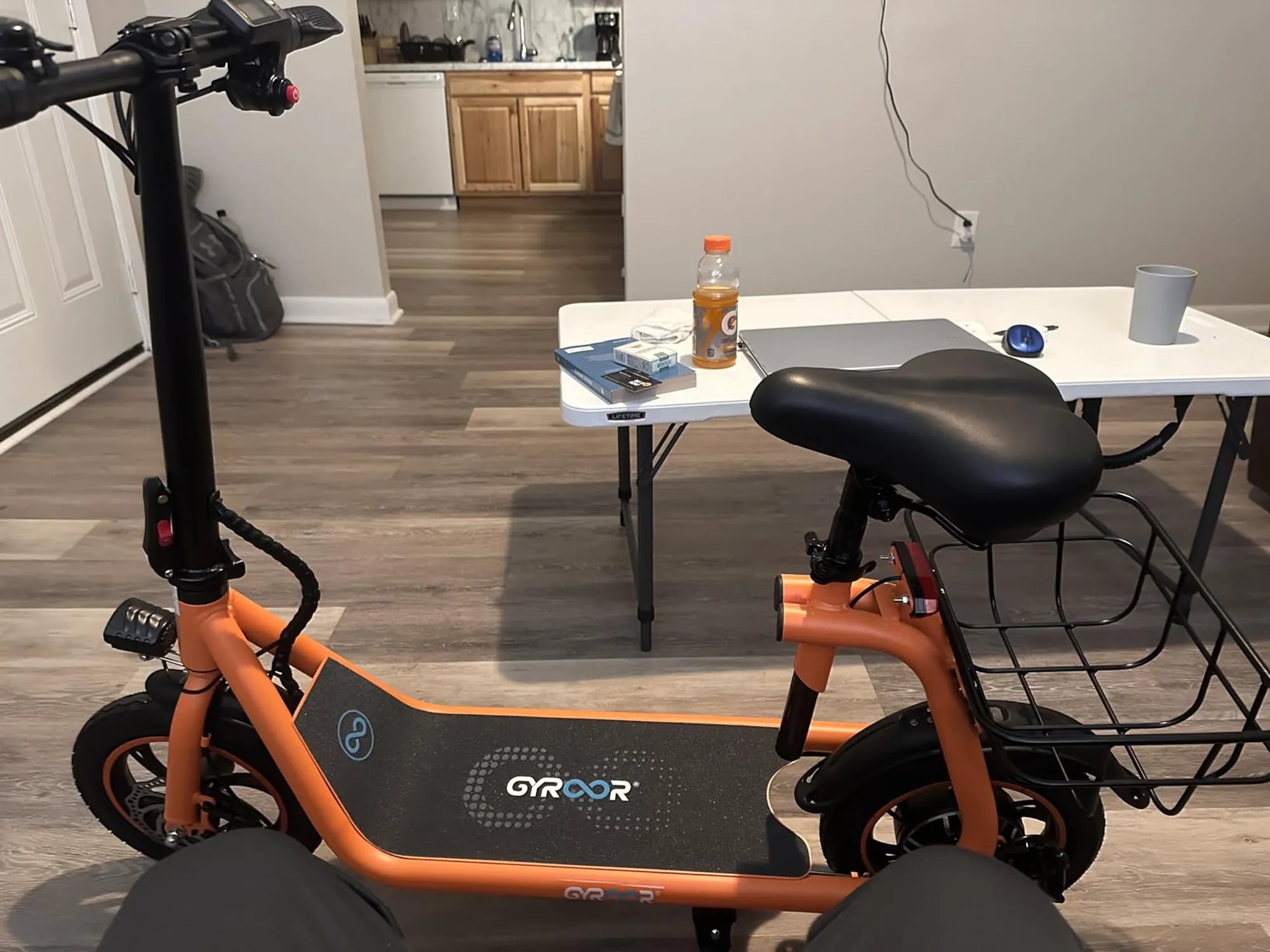
Navigating the Electric Scooter Market
When you start shopping for an electric scooter, the first number that grabs your attention is the price. The price range of electric scooters can be bewildering, stretching from a couple of hundred dollars to several thousand. This wide spectrum isn't arbitrary; it's a direct reflection of performance, safety, durability, and the technology packed into the machine.
Your goal isn't just to find the cheapest option or the most feature-laden model. It's to understand what you're truly paying for at each price point. This knowledge allows you to match your budget with your specific needs, whether that's a short last-mile commute, a longer urban adventure, or recreational off-road use.
This guide will dissect the components that dictate cost, provide a detailed breakdown of market tiers, and reveal the long-term expenses often hidden behind the sticker price. By the end, you'll be equipped to make an informed investment in a vehicle that offers reliability, safety, and value for years to come.
The Core Factors That Determine Electric Scooter Pricing
Decoding a scooter's price tag starts with understanding its core components. Each element, from the motor to the brakes, adds to the final cost and defines the riding experience.
Motor Power and Performance
The motor is the heart of your scooter. Its power, measured in watts (W), directly influences speed, acceleration, and hill-climbing ability. A basic 250W motor is sufficient for flat terrain and lower speeds, often found in budget models. For more versatile urban use, a 500W to 800W motor provides better acceleration and can handle moderate inclines.
High-performance scooters, priced in the premium tier, feature motors of 1000W or more, sometimes in dual-motor configurations. Dual motors offer incredible torque for steep hills and off-road terrain, but they significantly increase both the price and the battery drain. The quality of the motor's construction and its efficiency also play a role in cost and long-term reliability.
Battery Capacity and Range
This is arguably the most critical cost driver. Battery capacity, measured in watt-hours (Wh) or amp-hours (Ah) at a specific voltage, determines how far you can go on a single charge. A larger, higher-quality battery is expensive but essential for a useful real-world range.
Manufacturers often advertise a "maximum" range under ideal conditions. A realistic expectation is 60-70% of that figure. Investing in a scooter with a reputable, high-capacity battery from a known brand is a direct investment in safety and longevity. For instance, brands like Gyroor use UL-certified battery packs tested for over 500 charge cycles, ensuring consistent performance and reducing long-term degradation risks.
Build Quality and Materials
How a scooter is built determines how long it will last. The frame material is a primary differentiator. Lightweight aluminum alloy is standard for good durability. Premium models may use advanced alloys or carbon fiber for a better strength-to-weight ratio.
Water resistance, indicated by an IP rating, is crucial for all-weather commuting. An IPX5 rating, common in quality mid-range scooters, means the scooter can withstand water jets from any direction. Tire type also affects cost and comfort; air-filled (pneumatic) tires offer a smoother ride but require maintenance, while solid tires are puncture-proof but can be harsher. Finally, braking systems—from basic foot brakes and electronic brakes to responsive disc brakes—add to the cost and are a vital safety feature.
Additional Features and Tech
Premium features enhance convenience, comfort, and connectivity, but they add to the price. A full suspension system (spring or hydraulic) dramatically improves ride comfort on rough surfaces. Advanced digital displays show speed, battery level, and mode settings clearly.
App connectivity allows for ride tracking, firmware updates, and custom performance tuning. Integrated lighting systems (headlights, brake lights, deck lights) improve safety. Finally, portability features like a robust, one-click folding mechanism and overall lighter weight command a premium, especially for commuters who need to carry their scooter on transit or upstairs.
Electric Scooter Price Tiers: A Detailed Breakdown
The market naturally segments into distinct tiers. Understanding the profile of each tier helps you set realistic expectations and avoid overpaying for features you don't need or underinvesting in critical areas.
Budget Tier: Under $500
Scooters in this price range of electric scooters are designed for very light, infrequent use. Think short trips on perfectly flat, smooth pavement. Typical specs include lower-powered motors (250W-350W), smaller batteries offering 10-15 miles of real-world range, and basic construction with minimal suspension.
Build materials are often heavier steel or lower-grade aluminum. Braking might be a simple foot brake or a less responsive electronic system. The primary trade-off here is longevity and ride comfort. These scooters may lack important water-resistance ratings and often use lower-tier battery cells without major safety certifications.
While you can find functional options here, it's essential to scrutinize safety features. A reputable brand in this tier that offers basic warranty coverage and uses name-brand batteries is a far safer bet than an unknown, ultra-cheap model. For a child or for very occasional recreational use on private property, this tier can suffice.
Mid-Range Tier: $500 - $1,200
This is the sweet spot for most daily urban commuters and represents the best value in the price range of electric scooters. Here, you get a significant jump in performance, safety, and durability. Motors are typically 500W to 800W, providing reliable speeds of 15-20 mph and enough power for common hills.
Batteries are larger and of better quality, yielding a practical range of 15-30 miles per charge. Build quality improves with aircraft-grade aluminum frames, better IPX4 or IPX5 water resistance, and more reliable braking systems like disc or drum brakes. Many models introduce front or dual suspension for a smoother ride.
This is the tier where established brands like Gyroor excel, offering balanced packages. For example, a Gyroor commuter scooter in this range would typically include a UL-certified battery, an IPX5-rated water-resistant design, a responsive braking system, and a comprehensive 1-year warranty. You're paying for reliable daily transportation that won't leave you stranded.
Performance & Premium Tier: $1,200 - $2,000+
This tier is for enthusiasts, long-distance commuters, and those seeking off-road capability. The price range of electric scooters here is justified by high-performance components. Dual motor setups (1000W+) are common, delivering top speeds over 25 mph and exceptional hill-climbing torque.
Battery capacity is maximized, with some models offering 40+ miles of real-world range. Build quality is top-notch, featuring reinforced frames, premium full suspension systems (often hydraulic), and the highest levels of water resistance (IPX6 or higher). Technology is advanced, with color displays, sophisticated app integration, and customizable riding modes.
These scooters are built to last and handle demanding conditions. The investment is in an exceptional rider experience, extreme durability, and cutting-edge features. They are less about basic transportation and more about the joy and capability of high-performance electric mobility.
Beyond the Sticker Price: Calculating the True Cost of Ownership
The initial purchase is just the first expense. A holistic view of total cost of ownership prevents surprise expenses and reveals the true value of a higher-quality scooter.
Warranty and Customer Support
A strong warranty is a form of financial insurance. A comprehensive 1-year warranty that covers the battery, motor, and frame (like Gyroor's) can save you hundreds in repair costs. Equally important is the quality of customer support.
Accessible, knowledgeable support teams can help troubleshoot issues quickly, often without costly repairs. A cheaper scooter with no meaningful warranty or support becomes a disposable item if something breaks, effectively making its total cost infinite.
Maintenance, Repairs, and Parts Availability
All scooters require maintenance. Budget for replacing wear items like brake pads and tires (especially pneumatic ones). The key is parts availability. Choosing a popular model from a reputable brand with a strong parts supply chain ensures you can easily and affordably get what you need.
An obscure brand might offer a low sticker price, but if a critical part fails and is unavailable, your scooter becomes a paperweight. Reliable brands design their scooters with serviceability in mind, keeping long-term ownership costs predictable.
Safety as an Investment
This is the most critical long-term cost consideration. A scooter with a poorly manufactured, uncertified battery is a fire hazard. A frame with weak welds can fail. Investing in a scooter with a UL-certified battery pack and robust construction isn't an extra cost; it's a fundamental investment in your personal safety and the safety of your property.
Brands that prioritize safety, like those using UL-certified components and achieving meaningful IP ratings, build this cost into the price. It's a non-negotiable value that far outweighs the risk savings from a cheaper, unverified alternative.
Making Your Decision: Aligning Budget with Needs
With an understanding of costs and tiers, you can now systematically match a scooter to your life. Start by looking inward before looking at models.
Assessing Your Primary Use Case
Define your "why." Is this for a last-mile commute from the train station (under 2 miles)? A full 5-mile urban commute each way? Weekend recreational rides on paved trails? Or off-road exploration? Distance, terrain, and frequency are your guiding stars.
A short, flat commute has very different requirements than a hilly, 10-mile round trip. Be brutally honest about the worst conditions you'll regularly face—this will dictate your minimum requirements for motor power, range, and water resistance.
Setting Your Feature Priority List
Based on your use case, create two lists: Must-Haves and Nice-to-Haves. Must-haves are non-negotiable for safety and utility. For a daily commuter, this likely includes: a real-world range that exceeds your round-trip distance by 25%, an IPX5 water-resistance rating, a reliable braking system, and a UL-certified battery.
Nice-to-haves might be app connectivity, a ultra-bright headlight, or a particularly fast folding mechanism. This list helps you filter models. If a scooter in your budget doesn't meet all your Must-Haves, it's not the right scooter, no matter how attractive its other features.
Why Brand Reputation and Certifications Matter
Within your chosen price bracket, always lean towards the brand with a proven track record and verifiable certifications. A brand like Gyroor, trusted by over 100,000 riders and using UL-certified batteries, offers intrinsic value through tested reliability and safety assurance.
This reputation means consistent quality control, established customer service, and a community of users. It translates to peace of mind, which is a significant part of the value you're purchasing. In the price range of electric scooters, the brand is often the best proxy for long-term satisfaction and lower total cost of ownership.
Comparison of Electric Scooter Tiers
| Feature | Budget (Under $500) | Mid-Range ($500 - $1,200) | Premium ($1,200+) |
|---|---|---|---|
| Primary User | Occasional/Recreational, Short Trips | Daily Urban Commuter | Enthusiast, Long-Distance/Off-Road |
| Typical Motor | 250W - 350W Single | 500W - 800W Single | 1000W+ Dual Motor Common |
| Real-World Range | 10 - 15 miles | 15 - 30 miles | 25 - 40+ miles |
| Build & Materials | Basic Steel/Low-Grade Alum., Minimal Suspension | Aircraft-Grade Aluminum, Often with Suspension, IPX5 Rating | Reinforced Frames, Full Suspension, High IP Rating (IPX6+) |
| Battery Safety | Variable, Often Uncertified | Often UL-Certified (e.g., Gyroor models) | High-Capacity, UL-Certified Packs |
| Braking System | Foot or Electronic Brake | Disc or Drum Brakes | Advanced Dual Disc, Regenerative |
| Warranty & Support | Limited or None | Comprehensive (e.g., 1-Year Full) | Extended Warranties Common |
| Value Proposition | Low-Cost Entry Point | Best Balance of Price, Performance & Safety | Maximum Performance, Durability & Tech |
FAQ: Electric Scooter Pricing
Is a more expensive electric scooter always better?
Not always "better" in every way, but it is typically more capable, durable, and safer. A premium scooter is better for demanding use like long commutes or off-roading. For a simple, short commute, a well-chosen mid-range scooter often represents the best "value" by providing all necessary features without overkill.
Can I find a good, safe scooter under $400?
It is challenging. While functional scooters exist in this range, they frequently compromise on battery safety certifications, water resistance, and mechanical durability. If your budget is firm at this level, prioritize finding a model from a recognizable brand that specifies a named battery cell type (like LG or Samsung) and offers some form of warranty.
How much should I budget for a reliable daily commuter scooter?
Plan to invest between $600 and $1,000. This price range of electric scooters reliably delivers the combination of range (15-25 miles), speed (15-20 mph), water resistance (IPX5), and braking power needed for safe, consistent daily use. This investment includes the safety assurance of certified batteries and a warranty.
Are monthly financing options for scooters a good idea?
They can be a useful tool to access a higher-quality scooter that better meets your needs, especially if it replaces other transportation costs (like fuel, parking, or transit passes). However, always calculate the total financed amount including interest. Only finance if the monthly payment fits comfortably in your budget and the scooter's quality justifies the total cost.
Does the price correlate with the scooter's lifespan?
Generally, yes. Higher-priced scooters use better-grade materials (e.g., aluminum alloy vs. steel), more robust motors, and higher-quality battery packs with more charge cycles. They are engineered for longevity. A $800 scooter from a reputable brand will typically outlast and outperform a $300 scooter by years, making its higher initial cost more economical over time.
Investing in Your Ride
Navigating the price range of electric scooters is about understanding the value behind the number. It's a journey from seeing a scooter as a simple gadget to recognizing it as a complex vehicle where cost directly translates to safety, performance, and longevity. Your budget should be guided by your specific needs, not just by the lowest available price.
The smartest purchase happens at the intersection of your required features, a reputable brand's proven track record, and verifiable safety certifications. By investing in quality—such as the UL-certified batteries and IPX5 water-resistant designs found in brands like Gyroor—you're not just buying a scooter. You're investing in reliable daily freedom, peace of mind, and a riding experience that remains rewarding for the long haul.
Ready to find the electric scooter that matches your lifestyle and budget? Explore engineering built for real riders. Browse the full Gyroor collection at gyroorboard.com.
Electric Standup Scooters: The Future of Urban Mobility
Electric Scooters for Big Men: The Ultimate Guide to Finding the Perfect Ride