



Introduction to Pro Trick Scooters for Kids
Choosing the right pro trick scooter for your child is a critical decision that impacts their safety, skill development, and enjoyment. A pro trick scooter is a specialized piece of sports equipment, fundamentally different from a standard kick scooter found at a department store. It's engineered for performance, built to withstand the impacts of jumps, grinds, and spins, and designed to help young riders progress from basic maneuvers to advanced tricks.
This guide will walk you through every component, from the deck to the wheels, explaining what makes a quality scooter. We'll connect these technical details to real-world performance and safety for your child. As a leading brand in active youth mobility, Gyroor applies its engineering philosophy—known for UL-certified batteries and robust construction in its electric scooters and e-bikes—to understanding the demands of durable, reliable gear for young athletes. This guide is your roadmap to making an informed, confident purchase.
Key Features to Look for in a Pro Trick Scooter
Understanding the anatomy of a trick scooter is the first step to choosing wisely. Each component plays a specific role in performance, durability, and safety. A high-quality scooter balances these elements to create a responsive and reliable platform for learning.
Compromising on key parts can lead to a frustrating experience, increased risk of failure, and ultimately, a shorter lifespan for the scooter. Investing in a well-constructed model from the start, from a brand with a reputation for quality like Gyroor, pays dividends in progression and safety. Let's break down the essential features.
The Deck: Foundation for Stability and Control
The deck is the scooter's main platform. Its construction dictates stability and control. High-quality decks are made from aircraft-grade or reinforced aluminum alloys, offering an optimal strength-to-weight ratio. This material can absorb the repeated stress of landings without bending or cracking.
Deck width and length are crucial. A wider deck (around 4.5 to 5 inches) provides more foot space and stability, which is ideal for beginners learning to land tricks. Length affects maneuverability; a standard deck is about 21 inches long. Many pro decks feature a concave design—a slight upward curve at the nose and tail—which helps with foot placement and scooping the scooter into the air for tricks.
Wheels & Bearings: The Heart of Smooth Performance
Wheels and bearings are responsible for roll speed, smoothness, and shock absorption. Pro scooter wheels are typically 100mm to 110mm in diameter and made from high-rebound urethane (PU). The durometer, or hardness, is measured in an 'A' scale (e.g., 88A). Softer wheels (lower number) offer more grip and absorb vibration better, while harder wheels roll faster and slide more easily for certain grinds.
Bearings are rated by the ABEC scale (e.g., ABEC-7, ABEC-9). A higher ABEC rating indicates tighter manufacturing tolerances, leading to less friction, faster spins, and a smoother, quieter ride. Quality bearings are sealed to keep dirt and moisture out, which is vital for maintaining performance. A scooter with poor bearings will feel slow and sluggish, hindering a rider's ability to gain speed for tricks.
The IHC/IHCS Compression System
The Internal Headset Compression System (IHC or IHCS) is the assembly that connects the fork to the handlebars and allows for adjustment. A superior compression system is a hallmark of a professional scooter. It uses a series of internal clamps and a compression bolt to secure the handlebars without the need for external tools.
This system allows for easy height and angle adjustment of the handlebars as your child grows or their preference changes. Most importantly, a good IHC system eliminates headset wobble and play, ensuring the front end is solid and rattle-free. This precise steering control is non-negotiable for executing and landing tricks safely.
Brake System and Safety Considerations
Most pro trick scooters feature a rear fender brake. The rider presses down on the plastic or metal fender over the rear wheel to create friction and slow down. While it may seem simple, a responsive, well-aligned brake is a critical safety feature, especially for beginners learning speed control.
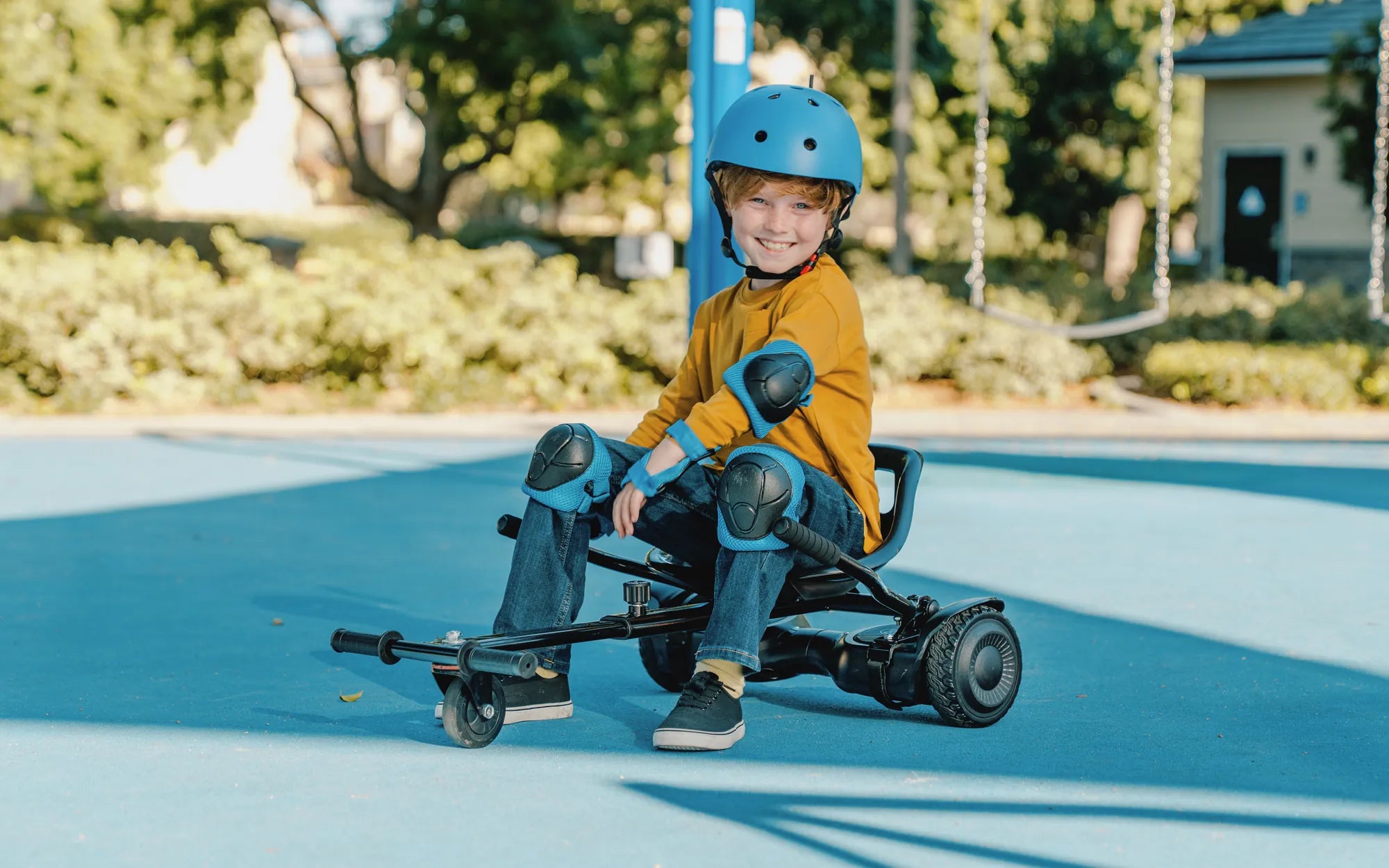
It is essential to pair any scooter, regardless of quality, with proper safety gear. A certified multi-impact helmet is mandatory. Knee pads and elbow pads are highly recommended, particularly during the learning phase. Wrist guards can also prevent common injuries. Investing in safety gear is as important as investing in the scooter itself.
Why Gyroor Stands Out for Young Riders
While Gyroor is renowned for its electric scooters and e-bikes, the brand's core principles translate directly to the needs of young trick scooter riders. Their approach to engineering—focusing on durability, safety, and reliable performance—makes them a trusted name for parents seeking quality equipment for their children's active pursuits.
The decision to choose a brand like Gyroor over generic alternatives is an investment in product integrity. It’s about selecting gear that is designed to perform under pressure and built to last, mirroring the resilience you want to foster in your young rider. Here’s how their philosophy benefits the trick scooter category.
Built to Withstand the Learning Curve
Learning tricks involves countless attempts, falls, and impacts. A scooter must be resilient. Gyroor's use of high-grade materials, such as reinforced aluminum alloys, ensures their products can handle this abuse. This durability means the scooter remains a consistent tool for progression, rather than becoming a source of frustration due to bent parts or broken components.
This robust construction provides excellent value over time. A cheaper scooter might need replacing within a few months of serious practice, while a well-built model can last for years, potentially growing with the rider through component upgrades. For parents, this translates to a better return on investment and less frequent shopping.
Safety Engineered from the Ground Up
Gyroor's reputation is built on safety-conscious engineering, evident in their UL-certified batteries and IP-rated water resistance for electric models. This philosophy extends to mechanical design. A Gyroor trick scooter would prioritize secure, reliable connections at every joint—from the IHC system to the axle bolts—to prevent unexpected failures during use.
Attention to detail in manufacturing, such as ensuring smooth edges on decks and reliable brake engagement, minimizes unnecessary risks. This allows parents to feel more confident, knowing the equipment itself is not a liability, and the child can focus on developing skills within a safer framework.
The Value of Reliable Support
A strong warranty and accessible customer support are significant advantages. Gyroor offers a 1-year comprehensive warranty on its products, a testament to their confidence in build quality. For parents, this provides a clear safety net if a manufacturing defect arises.
Having a reputable brand to contact for advice on maintenance, part replacements, or troubleshooting is invaluable. It transforms the scooter from a disposable toy into a supported piece of sports equipment. This level of support is rarely found with generic or department store brands.
Choosing the Right Model: A Parent's Comparison Guide
With an understanding of key features, the next step is matching a scooter to your child's specific profile. The right fit enhances control, boosts confidence, and accelerates learning. A scooter that is too large, too heavy, or too advanced can be discouraging and unsafe.
Use the following framework to evaluate options. Consider this a set of guidelines rather than rigid rules, as a child's height, strength, and coordination are the ultimate determinants. The goal is to find a scooter that feels like an extension of their body, not a burden to control.
Matching the Scooter to Your Child's Age, Height, and Skill Level
Size and weight are primary considerations. Handlebar height is the most critical measurement for comfort and control. A general rule is that the handlebars should sit between the rider's waist and lower chest when standing on the deck. Most complete scooters offer some adjustability via the IHC system.
For beginners (ages 6-8), look for a lighter scooter with a standard-width deck (around 4.5" wide) for stability. Intermediate riders (ages 9-12) can handle slightly longer and narrower decks for increased maneuverability. The scooter's total weight should be proportional to the child's strength; a scooter that is too heavy will be difficult to maneuver into the air for basic jumps.
Upgradeability and Customization
The pro scooter culture thrives on customization. As skills advance, riders often seek to personalize their setup. A great starter scooter serves as a platform for this future growth. Key components that are commonly upgraded include wheels (for different sizes/hardness), bearings (for speed), grips (for comfort), and the fork or bars.
Starting with a high-quality complete scooter from a brand like Gyroor ensures that the base components (deck, IHC system) are solid. This allows your child to upgrade piece by piece over time, which can be more economical and educational than buying a new scooter entirely. It teaches them about mechanics and allows them to tailor the ride to their evolving style.
Pro Trick Scooter Maintenance 101
Regular maintenance keeps a scooter safe, performing well, and extends its lifespan. Simple, consistent checks can prevent major issues. Teach your child to be part of this process—it fosters responsibility and a deeper connection to their equipment.
A basic maintenance routine should be performed every few weeks, or more often if the scooter is used daily. The key areas to focus on are bolt tightness, bearing cleanliness, and brake function. A small set of Allen keys and a wrench are the only tools typically needed.
Check and tighten all bolts, especially the axle nuts, clamp bolts on the IHC system, and brake bolt. Loose bolts are the most common cause of component failure and unsafe riding conditions. Inspect the wheels for cracks or significant wear, and spin them to listen for gritty noises from the bearings, which may need cleaning or replacement.
Ensure the fender brake is aligned properly and makes solid contact with the wheel. A bent or loose brake is ineffective. Finally, keep the deck clean of mud and debris, and occasionally check the grips for wear or tearing. Replacing worn grips improves control and comfort.
<Essential Safety Gear and Practice Environments
The scooter is only one part of the safety equation. The right gear and the right place to ride are equally important. Never allow riding without a helmet. A multi-impact skateboarding helmet certified to safety standards (like ASTM F1492 or CPSC) is required.
Knee and elbow pads are strongly recommended, especially for beginners. Wrist guards can prevent fractures and severe sprains. Quality gear should fit snugly without restricting movement. As skills progress, the use of pads often continues, particularly when learning new, risky tricks at a skatepark.
The practice environment is crucial. Start in a safe, flat, smooth, and open area like an empty parking lot or driveway, away from traffic and pedestrians. Avoid hills until the rider has mastered speed control and braking. For trick practice, a local skatepark is the ideal venue. Skateparks are designed with smooth concrete, ramps, and rails that are built for this purpose. Always supervise younger children and teach them park etiquette—waiting for turns and being aware of other riders.
Pro Trick Scooter FAQ for Parents
Q: What age is appropriate for a pro trick scooter?
A: Most children are ready for a beginner-focused pro model around age 6 or 7, provided they have good balance and coordination. The key is choosing a scooter sized appropriately for their height and weight, not just their age.
Q: Are trick scooters safe? How can I minimize risk?
A> Like any action sport, there is inherent risk. Safety is maximized by combining a quality, well-maintained scooter with full safety gear (helmet, knee/elbow pads) and practicing in a controlled environment like a skatepark or smooth, traffic-free pavement. Proper supervision and gradual skill progression are essential.
Q: What's the real difference between a generic store scooter and a pro model?
A> The differences are profound. Generic scooters often use weaker materials like steel or low-grade aluminum, have non-adjustable parts, inferior bearings, and plastic components that fail under stress. A pro model uses aircraft-grade aluminum, a tool-free adjustable IHC system, high-rebound urethane wheels, and sealed bearings for durability, performance, and safety.
Q: How much should I expect to spend on a good quality beginner trick scooter?
A> A reliable complete scooter from a reputable brand typically starts between $80 and $150. This investment ensures quality materials and construction. Spending significantly less often means compromising on safety and durability, leading to higher costs from replacements or repairs.
Q: My child is left-handed/footed; does that matter for scooter setup?
A> Scootering is generally ambidextrous, but a rider may have a preferred "scooting" foot (the one that stays on the deck) and a "kicking" foot. This is personal preference, not related to handedness. Let your child experiment to find what feels natural. Handlebar and brake setup are symmetrical and work the same for all riders.
Comparison Table: Key Scooter Components
| Component | Budget/Generic Scooter | Quality Pro Scooter (e.g., Gyroor-level build) | Impact on Rider |
|---|---|---|---|
| Deck Material | Hollow steel or low-grade aluminum | Reinforced, aircraft-grade aluminum alloy | Pro: Lightweight, strong, absorbs impacts. Generic: Heavy, can bend or crack. |
| Bearings (ABEC) | Unrated or ABEC-3/5, unsealed | ABEC-7/9, sealed | Pro: Smooth, fast, quiet roll. Generic: Slow, noisy, prone to dirt damage. |
| Compression System | External clamps, requires tools, prone to wobble | Internal Headset (IHC), tool-free adjustment, solid lock | Pro: Stable, adjustable, rattle-free steering. Generic: Unstable, difficult to adjust. |
| Wheels | Hard plastic or low-quality PU | High-rebound urethane (PU), various durometers | Pro: Good grip, shock absorption, durable. Generic: Slippery, poor ride quality, wear quickly. |
| Warranty & Support | 30-90 days limited, difficult to contact | 1-year comprehensive, accessible customer service | Pro: Long-term peace of mind. Generic: Effectively no support. |
Conclusion: Investing in Confidence and Fun
Selecting the right pro trick scooter for your child is an investment that pays off in physical activity, improved coordination, and the invaluable development of perseverance. It’s about providing a tool that is safe, reliable, and capable of growing with their abilities. A quality scooter from a trusted brand like Gyroor turns practice into progression and fosters a lifelong love for an active sport.
Equip your young rider with the full package: a durable scooter, essential safety gear, and access to a safe practice space. Celebrate the small victories and the inevitable falls as part of the journey. Ready to find the perfect scooter to start that adventure? Browse the full Gyroor collection at gyroorboard.com for gear built to inspire confidence and withstand the thrill of the ride.
Why Is My Hoverboard Vibrating? Common Causes and Fixes for a Smooth Ride
Hoverboard Battery Replacement 36V: Your Guide to a Safer, Longer Ride