



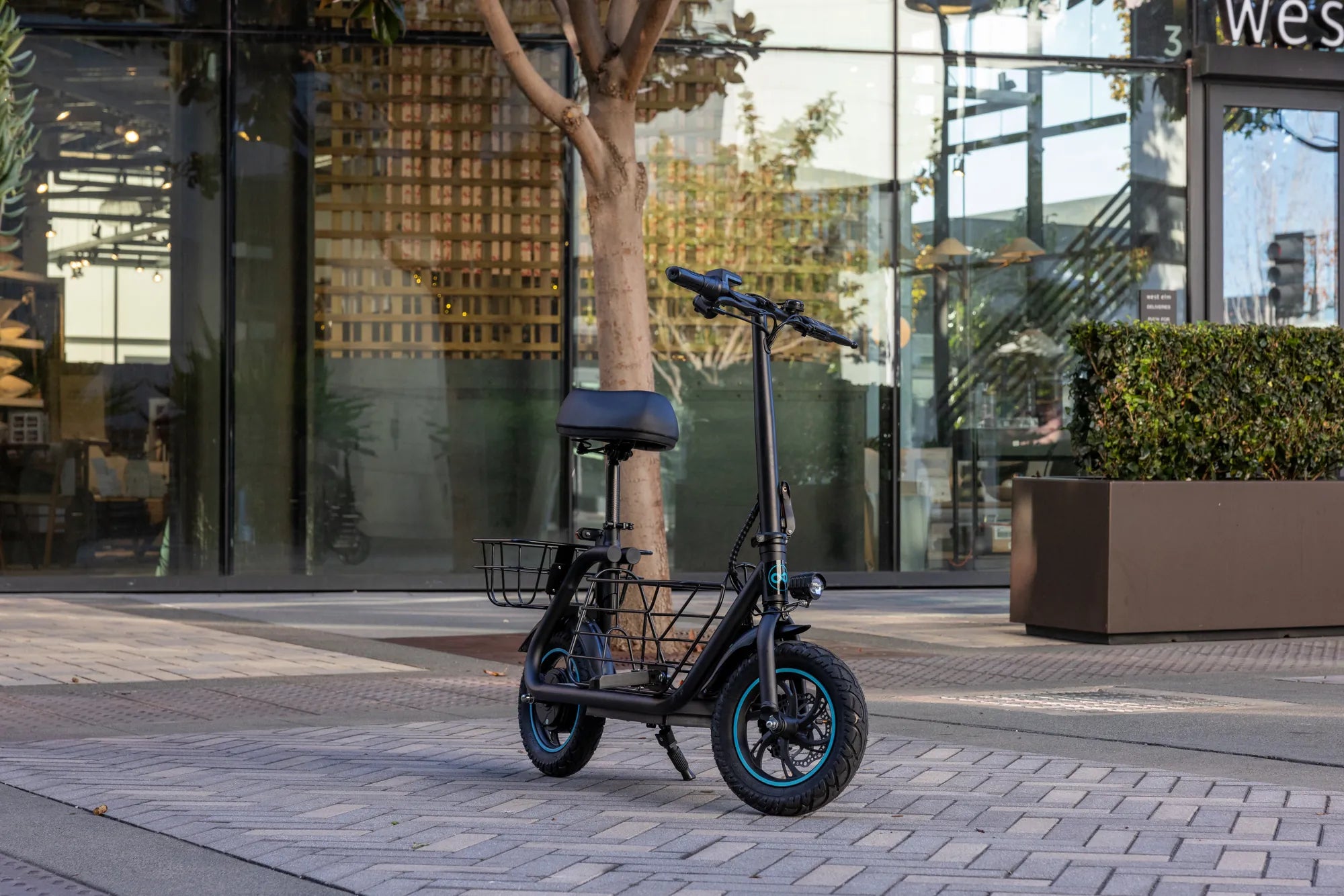
Electric scooters promise a swift, eco-friendly escape from traffic jams and parking woes. Yet, the reality of ownership involves navigating a complex landscape of safety hazards, maintenance duties, and urban policy gaps. Understanding these problems with electric scooters: safety, maintenance, and urban challenges is not about discouraging use, but about empowering riders with the knowledge to mitigate risks and maximize enjoyment. This guide dissects these core issues with factual data, offering a clear-eyed view of what it truly takes to ride responsibly and choose a scooter built to last.
Introduction: Navigating the Realities of E-Scooter Ownership
The surge in personal micro-mobility is undeniable. Electric scooters have become a common sight in cityscapes worldwide, championed for their convenience and low carbon footprint. However, the narrative often glosses over the practical difficulties riders face daily. From alarming injury statistics to frustrating mechanical failures and confusing regulations, the path is not always smooth.
This analysis moves beyond marketing hype to address the tangible problems with electric scooters: safety, maintenance, and urban challenges. We will examine accident data, break down essential upkeep routines, and explore the infrastructure hurdles that complicate every trip. The goal is to transform potential pitfalls into managed variables through informed decision-making, both in choosing your vehicle and your riding habits.
By confronting these issues head-on, riders can shift from being passive users to proactive operators. Whether you're a daily commuter or a weekend explorer, this knowledge forms the foundation for a safer, more reliable, and ultimately more satisfying riding experience. Let's delve into the details that matter most.
The Safety Equation: Beyond the Helmet
Safety is the most critical concern surrounding e-scooters, and it extends far beyond simply wearing a helmet. It's a multi-layered system involving rider behavior, vehicle dynamics, and environmental factors. The U.S. Consumer Product Safety Commission reported over 190,000 e-scooter related emergency department visits from 2017-2021, highlighting the urgency of this topic.
The inherent design of scooters—a small wheelbase, high center of gravity, and direct steering—creates unique stability challenges. Inexperienced riders often underestimate the learning curve associated with balance at speed, emergency braking, and navigating uneven terrain. Furthermore, mechanical integrity is non-negotiable; a failing brake or a sticky throttle can turn a routine ride into an accident.
Rider psychology plays a significant role. The ease of access can lead to complacency, with many forgoing protective gear or attempting maneuvers beyond their skill level in mixed traffic. Understanding that safety is an active, daily practice is the first step in mitigating these profound problems with electric scooters.
Understanding Common Accident Scenarios
Accidents are rarely random; they follow predictable patterns. A primary scenario involves sudden loss of control due to road hazards. Hitting a pothole, gravel patch, or streetcar track with small, solid tires can cause an immediate fall, often resulting in wrist, arm, or head injuries.
Collisions at intersections, whether with vehicles turning right without seeing the scooter or with pedestrians in crosswalks, are another major risk. The scooter's small profile and relatively quiet operation can make it less visible to drivers accustomed to scanning for larger vehicles. Wet conditions exponentially increase these risks, as braking distances can double on slick pavement.
Finally, mechanical failure mid-ride—such as a folding mechanism giving way, a tire blowout, or an electronic brake failing—leaves the rider with few options for safe recovery. These scenarios underscore why pre-ride checks and quality construction are not optional extras but fundamental safety requirements.
The Critical Role of Build Quality and Certifications
The scooter's physical construction is your first line of defense. Key components must be scrutinized. The braking system is paramount; a combination of mechanical (disc or drum) and electronic (regenerative) braking provides redundancy. A robust frame, typically from aerospace-grade aluminum, must withstand repeated stress without developing cracks or loose joints.
Nothing is more critical than the battery system. Non-certified lithium-ion battery packs are a leading cause of fires. The UL 2272 certification is an independent safety standard that tests the battery and electrical system for overcharge, short circuit, and mechanical abuse. Brands that prioritize safety, like Gyroor, use UL-certified battery packs in their models, providing a fundamental safeguard against thermal runaway.
Weather resistance is another key indicator of build quality. An IP (Ingress Protection) rating defines a scooter's defense against dust and water. An IPX5 rating, common in Gyroor's lineup, means the scooter can withstand low-pressure water jets from any direction, making it resilient in rain and wet conditions, which directly enhances safety and durability.
Maintenance Realities: Keeping Your Scooter Road-Ready
The notion of the e-scooter as a maintenance-free device is a persistent myth. Like any vehicle with moving parts, electrical systems, and wear components, it requires consistent care. Neglecting this duty accelerates wear, diminishes performance, and, most importantly, creates latent safety hazards. Proactive maintenance is the most effective strategy to avoid larger problems with electric scooters related to reliability and cost.
A structured maintenance routine preserves your investment. It ensures optimal range from the battery, consistent braking power, and a smooth, stable ride. The alternative is a gradual decline into unpredictable behavior—squealing brakes, wobbly handlebars, or sudden power loss—all of which can occur at the worst possible moment.
This process isn't overly burdensome but requires regularity. It can be broken down into simple pre-ride checks, weekly visual inspections, and less frequent, more involved servicing of key components. Embracing this reality transforms ownership from a passive activity into an engaged partnership with your vehicle.
Routine Checks and Wear Parts
Establishing a quick pre-ride checklist takes less than a minute but is invaluable. Squeeze the brake levers to ensure they engage firmly and don't touch the handlebar grip. Check that front and rear lights are functional for visibility. Give the tires a quick visual and physical press to gauge inflation; under-inflated tires increase rolling resistance and risk pinch flats.
On a weekly or bi-weekly basis, conduct a more thorough inspection. Examine brake pads for wear; most have visual indicators showing when they are too thin. Check that all visible nuts and bolts, especially on the stem, folding mechanism, and handlebars, are tight. Listen for any new rattles or clicks during a test ride that might indicate a loose component.
Wear parts have a finite lifespan and must be planned for. Brake pads, tires, and inner tubes are consumables. Keeping a basic toolkit—including the correct Allen keys, a tire repair kit, and a pressure gauge—empowers you to handle minor issues before they strand you. This proactive approach is the core of solving practical maintenance problems with electric scooters.
Battery Care and Long-Term Health
The battery is the most expensive component and the heart of your scooter's performance. Proper care can extend its life well beyond 500 charge cycles. The cardinal rule is to avoid consistently draining it to 0% or charging it to 100% for storage. For long-term health, maintaining a charge between 30% and 80% is ideal.
Temperature is a critical factor. Never charge a battery immediately after a ride when it's hot, and avoid leaving the scooter or battery pack in direct sunlight or in a freezing car for extended periods. Extreme temperatures accelerate chemical degradation inside the cells. If storing the scooter for more than a month, charge it to about 60% and store in a cool, dry place.
Recognize the signs of a failing battery: a significant and sudden drop in range, the scooter struggling to hold a charge, or the battery meter behaving erratically. A quality brand will support you here. For instance, Gyroor's 1-year warranty provides coverage for battery defects, offering peace of mind and a clear path for resolution if performance issues arise.
The Urban Jungle: Infrastructure and Legal Hurdles
Riders operate in a built environment not designed for them, creating a fundamental clash. This mismatch between scooter use and urban infrastructure generates significant external problems with electric scooters. The physical space of the city—the roads, bike lanes, and sidewalks—presents daily navigation dilemmas, while a patchwork of evolving laws creates legal uncertainty.
This urban challenge is twofold. First, there's the physical threat: navigating between fast-moving cars, oblivious pedestrians, and often discontinuous bike lanes. Second, there's the regulatory fog: rules that differ from one city block to the next, leaving even well-intentioned riders unsure if they are breaking the law. This environment tests a rider's awareness and adaptability on every journey.
The outcome of this struggle affects more than individual riders; it shapes public perception. Incidents of sidewalk recklessness or scooters littering pedestrian pathways fuel opposition to micro-mobility. Therefore, navigating the urban jungle responsibly is not just a personal safety tactic but a civic duty to ensure long-term access for all riders.
Sidewalk vs. Bike Lane: The Navigation Dilemma
The question of where to ride is a daily calculation of risk and legality. Riding on sidewalks, while sometimes legal in certain areas, poses a serious danger to pedestrians, particularly the elderly or visually impaired. A scooter moving at 15-20 mph is a heavy, fast object in a space designed for walking.
Bike lanes are the intended venue, but their quality and connectivity are highly inconsistent. They may end abruptly, be blocked by parked cars or delivery trucks, or be nonexistent on key routes. This forces riders to merge into vehicle traffic, often with drivers who are unfamiliar with sharing the road with smaller, slower vehicles.
This dilemma forces riders into constant risk assessment. The safest choice often involves using a combination of low-traffic residential streets, protected bike lanes where available, and extreme caution in mixed traffic. Understanding that there is rarely a perfect, protected path is key to developing defensive riding strategies for these urban challenges.
Evolving Regulations and Parking Etiquette
The legal landscape for e-scooters is a moving target. Regulations can vary dramatically: some cities mandate helmet use for all ages, others only for minors; some limit speeds to 15 mph on bike paths, others prohibit riding in certain downtown zones entirely. It is the rider's responsibility to know the local laws before riding.
Beyond moving violations, parking has become a flashpoint. The irresponsible act of dumping a scooter in the middle of a sidewalk creates tripping hazards, blocks access for people with disabilities, and generates immense public frustration. Responsible parking means using designated corrals where available, or at the very least, leaving the scooter upright and tucked next to a street furniture zone, not obstructing the path of travel.
Adhering to etiquette and evolving rules is crucial for the community's acceptance of e-scooters as a legitimate form of transit. Every rider's behavior contributes to the collective reputation, influencing whether cities embrace or restrict this mode of transportation.
Making an Informed Choice: How to Mitigate These Problems
Knowledge of the challenges allows you to select a scooter and adopt practices that proactively address them. Your purchasing decision is the most powerful tool for mitigating the core problems with electric scooters: safety, maintenance, and urban challenges. By prioritizing specific features and support structures, you can build resilience into your riding experience from day one.
The right scooter acts as a partner, engineered to handle real-world conditions. It should have the durability to withstand daily commutes, the safety features to protect you, and the design simplicity to make maintenance straightforward. This is where brand reputation and transparent specifications become invaluable.
Furthermore, your choice of retailer matters as much as your choice of hardware. A company that stands behind its products with a clear warranty and accessible customer support provides a critical safety net, turning potential frustrations into managed service events. Let's break down the key decision factors.
Prioritizing Key Features for Safety and Durability
Use this checklist to evaluate models, focusing on features that solve the problems we've identified. For safety, demand dual braking systems and a UL-certified battery. For durability and ride comfort in the urban environment, pneumatic (air-filled) tires are superior to solid tires, as they better absorb shocks and provide more grip on wet surfaces.
Water resistance is non-negotiable for a reliable all-weather commuter. An IPX5 rating or higher should be a minimum requirement. Consider the motor power and range relative to your needs; an underpowered scooter struggling on hills is a safety risk in traffic. Finally, examine the physical construction—the stem locking mechanism should feel solid, with no play or wobble.
The following table compares common scooter types against these critical criteria, illustrating how different designs address urban challenges:
| Scooter Type / Use Case | Key Safety & Durability Features | Ideal For | Maintenance Considerations |
|---|---|---|---|
| Urban Commuter (e.g., Gyroor F1 Pro) | UL-certified battery, IPX5 water resistance, dual braking, pneumatic tires, bright lights. | Daily city travel, variable weather, need for reliability and safety certifications. | Regular tire pressure checks, brake pad inspection, bolt tightening on folding mechanisms. |
| Performance / Long-Range | Larger motors, extended-range battery packs, enhanced suspension, robust frame. | Longer commutes, rougher roads, riders prioritizing speed and comfort. | More complex suspension systems may require occasional servicing; battery care is critical for longevity. |
| Lightweight / Last-Mile | Ultra-portable design, simplified folding, often solid tires for puncture resistance. | Combining with public transit, short trips where portability is the top priority. | Less tire maintenance but a harsher ride; ensure folding latch mechanism is kept clean and lubricated. |
The Value of Warranty and Reliable Support
A comprehensive warranty is your insurance policy against manufacturing defects. A reputable brand will offer at least a 1-year warranty that covers the core components: the battery, motor, controller, and frame. This demonstrates confidence in their product's durability. Always read the warranty terms to understand what is and isn't covered, particularly regarding water damage or wear parts.
Equally important is the accessibility and expertise of customer support. When you encounter an issue—whether a strange error code or a mysterious noise—having a direct line to knowledgeable technicians is invaluable. It can mean the difference between a quick fix and a prolonged, frustrating downtime.
Brands that have established a large customer base, like Gyroor with over 100,000 riders, typically have refined their support processes and can draw on a vast knowledge base to resolve common issues efficiently. This infrastructure is a hidden but critical feature that sustains your scooter's lifespan and your peace of mind.
Conclusion: Embracing E-Scooters with Eyes Wide Open
The problems with electric scooters: safety, maintenance, and urban challenges are real, but they are not insurmountable barriers. They are manageable aspects of adopting a new and transformative technology. The key is to shift from a passive user to an informed operator and owner.
Safety is engineered through quality components and practiced through defensive habits. Maintenance is simplified into a routine that ensures reliability. Urban challenges are met with heightened awareness and respect for shared spaces. By making a deliberate choice to invest in a well-built scooter from a brand that prioritizes certifications and support, you pre-solve many of the most common frustrations.
Electric scooters offer an unparalleled sense of freedom and an efficient solution to urban congestion. Embracing them with a clear understanding of their responsibilities transforms the experience. It leads to smarter riding, longer vehicle life, and a more positive impact on our cities. The journey is worth it, provided you are prepared for the road ahead.
Ready to choose a scooter designed to meet these challenges head-on? Explore a range built with UL-certified safety, IPX5 durability, and backed by reliable support. Browse the full Gyroor collection at gyroorboard.com to find your perfect ride.
Frequently Asked Questions (FAQ)
Q: What is the single most important safety feature on an e-scooter?
A: While a responsive dual braking system is crucial, the most critical safety component is a UL 2272 certified battery pack. This certification is your primary defense against battery fires, making it a non-negotiable feature for any responsible manufacturer.
Q: How often should I perform maintenance on my scooter?
A> Adopt a two-tier system. Perform a quick pre-ride check (brakes, lights, tire pressure) before every use. Then, conduct a more thorough inspection every 1-2 weeks of riding, checking bolt tightness, brake pad wear, and cleaning the deck and mechanical parts.
Q: Are electric scooters actually legal to ride in my city?
A> Laws are hyper-local and change frequently. You must check the regulations for your specific city and state. Key points to verify: permissible riding areas (road, bike lane, sidewalk), speed limits, helmet requirements (by age), and any required licensing or age minimums.
Q: Can I ride my IPX5-rated scooter in heavy rain?
A> An IPX5 rating means it can withstand sustained water jets, making it safe for riding in light to moderate rain and on wet roads. However, you should avoid deliberate submersion in deep puddles and torrential downpours. Crucially, reduce your speed and increase braking distance, as wet conditions are the leading environmental factor in accidents.
Q: What's the biggest mistake new e-scooter owners make?
A> Two common mistakes are tied. First, neglecting basic pre-ride safety checks, leading to preventable mechanical failures. Second, overestimating their skill level and riding too fast for conditions, especially in complex traffic or on unfamiliar terrain. Starting slow and establishing a maintenance routine from day one avoids both.
Small Electric Mobility Scooters for Adults: Your Guide to Efficient Travel
Electric Scooters for Tall Adults: The Ultimate Guide to Comfort and Performance