

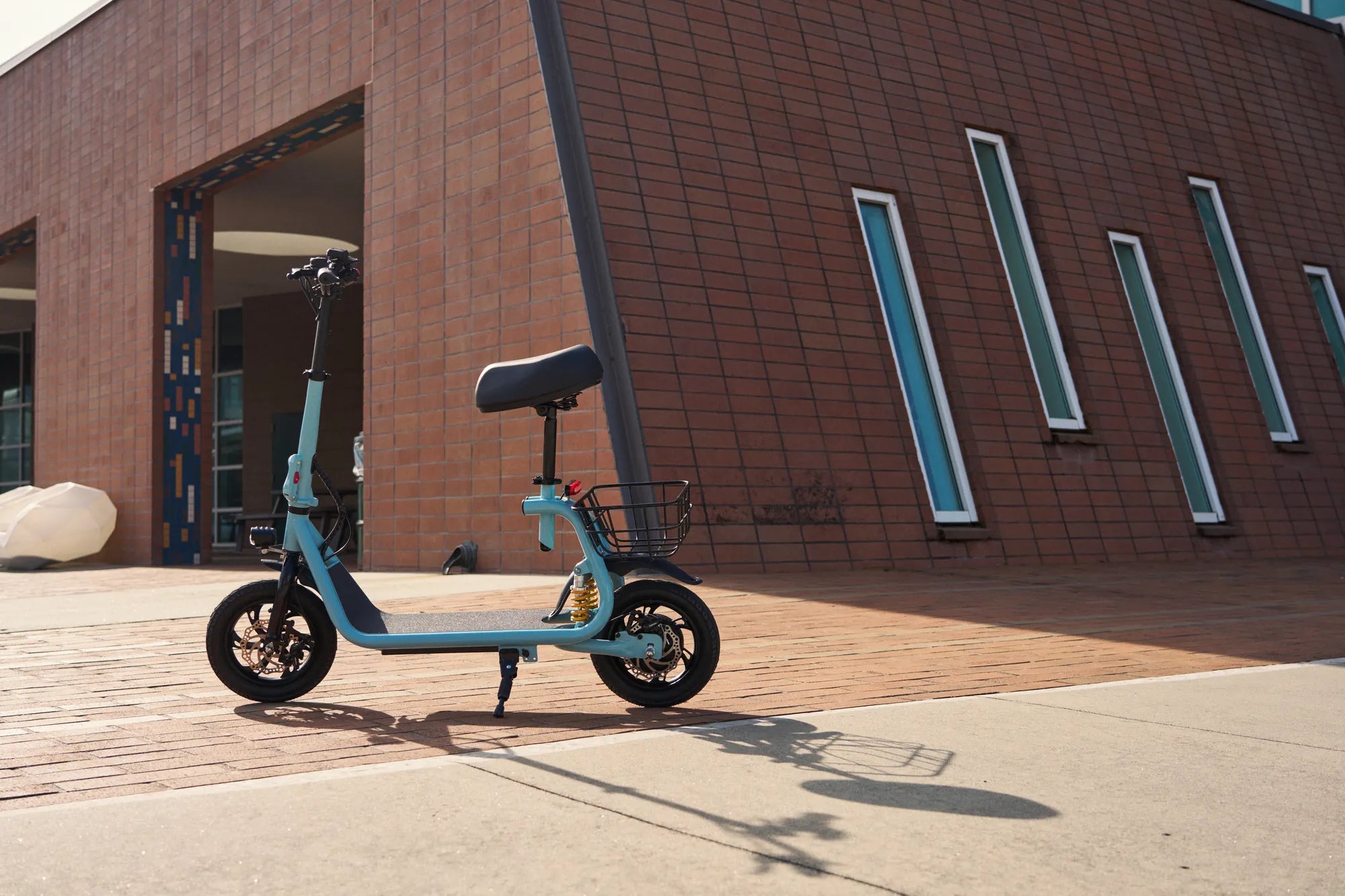
Pure electric scooters are revolutionizing urban mobility, offering an eco-friendly and cost-effective alternative to traditional transportation. However, like all battery-powered devices, their performance hinges on the health of the battery. Knowing when and how to replace your pure electric scooter battery can save you time, money, and frustration. Whether you're a seasoned rider or a newbie, this guide will walk you through everything you need to know about battery replacement.
Understanding Pure Electric Scooter Batteries
Pure electric scooters rely on lithium-ion batteries, known for their high energy density and long lifespan. These batteries power the motor, lights, and other electronic components. Over time, however, their capacity diminishes, leading to reduced range and performance. Understanding the basics of your scooter's battery can help you make informed decisions about maintenance and replacement.
Signs Your Battery Needs Replacement
How do you know when it's time to replace your pure electric scooter battery? Look for these telltale signs:
- Reduced Range: If your scooter can't hold a charge as long as it used to, the battery may be degrading.
- Slow Charging: A battery that takes longer to charge than usual is likely nearing the end of its life.
- Overheating: Excessive heat during charging or use can indicate battery issues.
- Swelling or Leaks: Physical damage to the battery is a clear sign it needs replacement.
How Long Do Pure Electric Scooter Batteries Last?
On average, a well-maintained lithium-ion battery lasts between 2 to 5 years, depending on usage and care. Factors like frequent deep discharges, extreme temperatures, and improper charging habits can shorten its lifespan. Regular maintenance, such as avoiding overcharging and storing the scooter in a cool, dry place, can extend battery life.
Cost of Battery Replacement
Replacing a pure electric scooter battery can cost anywhere from $200 to $800, depending on the battery capacity and scooter model. While this may seem steep, investing in a high-quality battery ensures better performance and longevity. Some manufacturers offer warranty coverage, so check your scooter's warranty before purchasing a new battery.
DIY vs. Professional Battery Replacement
Replacing a scooter battery can be a DIY project if you're comfortable with basic tools and following instructions. However, if you're unsure, it's best to seek professional help. Incorrect installation can damage the scooter or pose safety risks. Many scooter repair shops offer battery replacement services, often including a warranty on the new battery.
Tips for Extending Battery Life
To get the most out of your pure electric scooter battery, follow these tips:
- Avoid Full Discharges: Try to recharge the battery before it drops below 20%.
- Store Properly: Keep the scooter in a cool, dry place when not in use.
- Use the Right Charger: Always use the charger provided by the manufacturer.
- Limit Exposure to Extreme Temperatures: High heat or cold can degrade battery performance.
Recycling Old Batteries
When replacing your pure electric scooter battery, don't toss the old one in the trash. Lithium-ion batteries contain hazardous materials and should be recycled properly. Many scooter retailers and recycling centers accept old batteries for safe disposal. Recycling helps reduce environmental impact and supports sustainable practices.
Replacing your pure electric scooter battery doesn't have to be a daunting task. With the right knowledge and preparation, you can ensure your scooter stays in top condition for years to come. Whether you choose to DIY or hire a professional, understanding the process will help you make the best decision for your ride. Ready to hit the road with a fresh battery? Your scooter—and your wallet—will thank you.
Foldable Electric Trike for Urban Use: The Ultimate Urban Commuter Solution
Latest News on Electric Scooters in India: Trends, Policies, and Future Outlook