



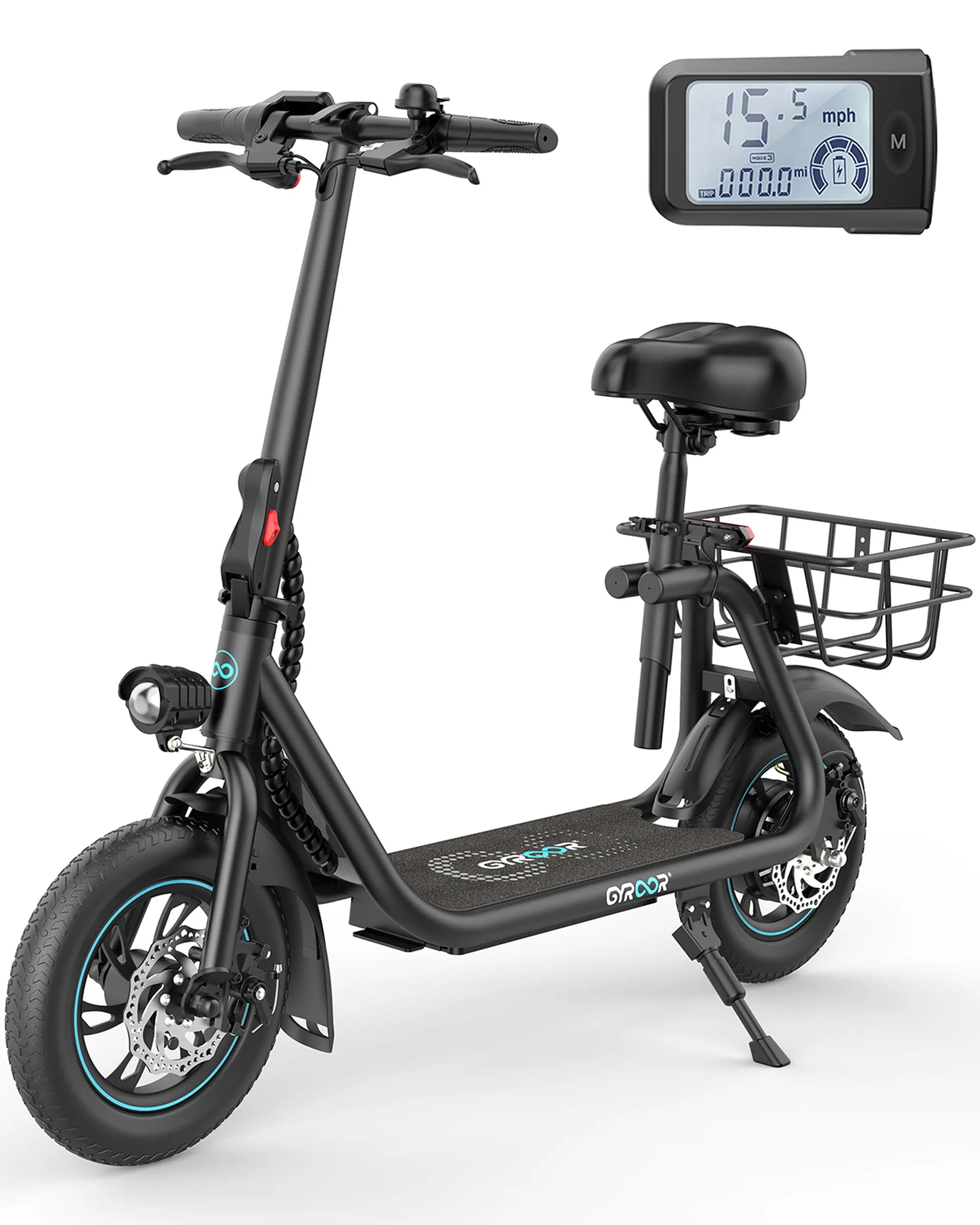
There's nothing more frustrating than hopping onto your pure electric scooter, ready to zip through the streets, only to find it won't turn on. Whether you rely on it for daily commutes or weekend adventures, a non-responsive scooter can throw a wrench in your plans. But don't worry—this guide will walk you through the most common causes and solutions to get your ride back in action.
Check the Battery Connection
One of the most frequent culprits behind a pure electric scooter not turning on is a loose or disconnected battery. Over time, vibrations from riding can cause battery terminals to loosen, disrupting power flow. Here's how to check:
- Turn off the scooter and remove the battery cover (if applicable).
- Inspect the battery terminals for corrosion or dirt.
- Ensure all connections are secure and tight.
- If terminals are corroded, clean them with a dry cloth or a small brush.
Test the Battery Charge
Even if your scooter was fully charged the last time you used it, the battery might have drained due to a parasitic draw or extreme temperatures. Follow these steps:
- Plug in the charger and check for charging indicators.
- If the charger light doesn't turn on, try a different outlet or charger.
- Use a multimeter to test the battery voltage (refer to your scooter's manual for the correct range).
- If the battery is dead and won't hold a charge, it may need replacement.
Inspect the Power Button and Wiring
Sometimes, the issue isn't the battery but the power button or internal wiring. A faulty switch or damaged wires can prevent the scooter from receiving power. To diagnose:
- Press the power button multiple times to rule out a temporary glitch.
- Look for visible damage to the button or surrounding wiring.
- If comfortable, use a multimeter to test continuity in the wires.
- Consult a professional if you suspect internal wiring issues.
Examine the Fuse and Circuit Breaker
Many pure electric scooters have a fuse or circuit breaker to protect against electrical surges. If this component fails, the scooter won't power on. Here's what to do:
- Locate the fuse box (usually near the battery or under the deck).
- Check if the fuse is blown—look for a broken filament or discoloration.
- Replace the fuse with an identical one if necessary.
- For circuit breakers, reset the switch if tripped.
Look for Error Codes or Display Issues
Some scooters have an LCD or LED display that shows error codes when something's wrong. If your scooter's display is blank or flashing, note any codes and refer to the manual. Common issues include:
- Motor connection problems.
- Controller malfunctions.
- Throttle or brake sensor errors.
Environmental Factors
Extreme cold or moisture can affect your scooter's performance. If you left it outside in freezing temperatures or heavy rain, allow it to dry and warm up before attempting to turn it on again. Store your scooter in a dry, temperature-controlled space to prevent future issues.
When to Seek Professional Help
If you've tried all the above steps and your pure electric scooter still won't turn on, it's time to consult a technician. There could be deeper electrical or mechanical problems that require expert attention.
Don't let a dead scooter ruin your day—most issues are fixable with a little troubleshooting. By following these steps, you'll either solve the problem yourself or know exactly what to tell a repair specialist. Now, get back out there and enjoy the ride!
42V Electric Scooter: The Future of Urban Mobility and Eco-Friendly Commuting
42V Electric Scooter: The Future of Urban Mobility and Eco-Friendly Commuting