



Introduction to the Modern Quality Hoverboard
Choosing a quality hoverboard means moving beyond gimmicks and focusing on verified engineering that prioritizes safety, performance, and longevity. The market today is divided between well-constructed, certified models and dangerous imitations. This guide will teach you how to spot the difference.
A true quality hoverboard is defined by specific, non-negotiable features: certified battery systems, robust motor performance, and durable construction. It's an investment in a fun, personal transport device that won't compromise your safety. We'll dissect each component, from the battery cell to the wheel hub.
Brands like Gyroor have built their reputation on this foundation, becoming a leading electric scooter and e-bike brand trusted by over 100,000 riders across North America and Europe. Their focus on UL-certified batteries, IPX5 water-resistant designs, and reliable warranties sets a clear benchmark for what constitutes a quality ride.
By the end of this guide, you'll be equipped with a checklist to evaluate any model. You'll understand speed and range claims, decode safety certifications, and know which features matter for your specific needs, ensuring your purchase delivers years of reliable service.
The Non-Negotiable Safety Features of a Quality Hoverboard
Safety is the absolute cornerstone of a quality hoverboard. The infamous incidents of the past were directly linked to substandard batteries and electrical systems. Today, specific certifications and build standards separate safe products from hazards.
Ignoring these features is not an option. They are the baseline for any legitimate purchase and directly impact not only your immediate safety but also the long-term reliability and value of your device. We will break down the three most critical safety pillars.
UL 2272 Certification: The Gold Standard
UL 2272 certification is the most important feature to verify. Developed by Underwriters Laboratories, this rigorous standard tests the entire electrical system—battery, charger, and motor—for safety against electrical, mechanical, and environmental hazards.
A hoverboard with this certification has passed tests for overcharge, short circuit, imbalance, drop, crush, and water exposure. It is your single best guarantee that the product will not overheat or catch fire during normal use. Always look for the official UL 2272 mark on the product and its packaging.
It is a non-negotiable starting point. Reputable brands design their products to meet this standard from the ground up. For instance, all Gyroor hoverboards are UL 2272 certified, reflecting their commitment to foundational safety.
Battery Quality and Management Systems
Beyond the certification, the quality of the battery cells and the intelligence of the Battery Management System (BMS) are crucial. High-quality hoverboards use brand-name lithium-ion cells from manufacturers like Samsung or LG, known for their consistency and safety.
The BMS is the brain of the battery pack. It actively monitors cell voltage, temperature, and current. It prevents overcharging, deep discharging, and manages load balancing between cells. A robust BMS is essential for battery longevity and safe operation.
Gyroor utilizes UL-certified battery packs tested for over 500 charge cycles, paired with advanced BMS technology. This combination ensures stable performance and significantly reduces the risk of battery-related failures, providing peace of mind and a longer product lifespan.
Build Quality and Rider Weight Limits
The physical construction must support the electrical components safely. A quality hoverboard features a frame made from reinforced aluminum alloy or high-grade polymer composites, providing strength without excessive weight.
Wheel hubs should be metal, not plastic, to withstand constant torque and impact. The footpad deck should have a textured, non-slip surface and robust structural integrity. Pay close attention to the stated maximum weight limit.
A realistic weight limit (typically 220-265 lbs) indicates a design with appropriate motor power and structural support. Exceeding this limit stresses the motors, battery, and frame, leading to premature failure and potential safety issues. Always adhere to the manufacturer's specification.
Performance & Ride Quality: What to Look For
Once safety is assured, performance defines the riding experience. Key specifications determine how fast you can go, what terrain you can handle, and how far you can travel on a single charge. Understanding these specs prevents disappointment.
Performance is a balance of power, efficiency, and comfort. A motor that's too weak will struggle on slopes, while inefficient batteries will leave you stranded. We'll analyze the core performance metrics that separate a capable commuter from a sluggish toy.
Motor Power, Speed, and Climbing Ability
Motor power, measured in watts (W), is the primary determinant of performance. Most quality hoverboards use dual motors, one in each wheel, for balanced torque and control. Common configurations are 300W per motor (600W total) or 350W per motor (700W total).
Higher wattage translates to better acceleration, higher top speed (typically 7-10 mph for standard models), and improved hill-climbing ability. A 600W+ system can typically handle slopes of 10-15 degrees. Single-motor boards are less powerful and offer inferior control.
Advertised top speed is often a best-case scenario. Real-world speed is affected by rider weight, terrain, and battery level. For reliable daily use, especially on varied inclines, a dual-motor system with at least 600W total power is recommended for a true quality hoverboard experience.
Wheel Size, Type, and Terrain Handling
Wheels are your direct interface with the ground, critically affecting comfort and capability. Smaller wheels (6.5 inches) are common on entry-level models and are suitable only for very smooth, paved surfaces like indoor floors or perfect sidewalks.
For real-world use, larger wheels are essential. Eight-inch solid rubber wheels offer a better ride on typical paved paths with minor cracks and bumps. The pinnacle for comfort and off-road capability are 10-inch air-filled (pneumatic) tires.
Pneumatic tires act as natural shock absorbers, smoothing out bumps, gravel, and even grass. They provide superior traction and stability. If you plan to ride on anything other than perfect pavement, prioritizing a model with larger, air-filled tires is a key step in choosing the best ride.
Range and Real-World Battery Life
Advertised range (e.g., "up to 12 miles") is a laboratory figure. Real-world range is dictated by the 80/20 rule: you'll get about 80% of the claimed distance under ideal conditions, and often less. Key factors are rider weight, terrain, speed, temperature, and tire pressure.
A heavier rider or hilly route consumes more battery. Riding at top speed constantly will drain the battery faster than a moderate pace. Cold weather temporarily reduces battery capacity. The battery's watt-hour (Wh) rating is a more reliable indicator of capacity than mileage claims.
For practical commuting or extended recreational use, look for a battery with a capacity of at least 36V 4.0Ah (144Wh). With moderate use, this should provide a reliable 6-9 miles of range. Proper maintenance, like avoiding full discharges and storing in a cool, dry place, is vital for preserving battery health over hundreds of cycles.
Smart Features, Durability, and Design
Modern quality hoverboards integrate technology and design elements that enhance convenience, safety, and durability. These features are not just gimmicks; they contribute to the overall usability and longevity of the device, representing the refinement of the product category.
From weather resistance to connectivity, these aspects show a manufacturer's attention to detail and understanding of real-world use cases. They transform the hoverboard from a simple gadget into a reliable piece of personal mobility technology.
Water Resistance and IP Ratings
Ingress Protection (IP) ratings indicate a device's resistance to solids and liquids. For hoverboards, the liquid resistance is crucial. An IPX4 rating means it is protected against water splashes from any direction, suitable for riding on damp pavement.
A higher standard, such as the IPX5 rating found on Gyroor models, means the unit can withstand low-pressure water jets from a nozzle. This offers robust protection against puddles, wet roads, and light rain, greatly expanding when and where you can ride safely.
Never submerge a hoverboard, even with a high IP rating. However, a good IP rating protects the internal electronics from everyday moisture and debris, preventing corrosion and electrical shorts, and is a key marker of a durable, quality hoverboard built for actual use.
Connectivity, App Control, and LED Lights
Bluetooth connectivity enables features that add functionality. A companion smartphone app can provide diagnostics, firmware updates, speed mode adjustment (e.g., beginner vs. advanced), and trip data tracking. This allows for customization and performance tuning.
Integrated Bluetooth speakers are a popular feature for entertainment, though they do consume battery. More importantly, functional LED lighting is critical for safety. Bright headlights and tail lights, along with wheel rim LEDs, make the rider highly visible in low-light conditions.
These smart features should complement, not compromise, the core performance and safety. A well-implemented app enhances control, while quality lights are a vital safety addition, making them worthwhile considerations in a premium model.
Warranty and Customer Support
The warranty is the manufacturer's confidence in its product quantified. A comprehensive warranty, such as Gyroor's reliable 1-year warranty covering parts and labor, indicates a commitment to quality and customer satisfaction. It protects your investment against manufacturing defects.
Equally important is the accessibility and knowledge of customer support. Before purchasing, research the brand's support channels. Are there clear contact methods, detailed online resources, and responsive service teams?
A strong warranty and robust support are your safety net. They ensure that if an issue arises, you have a clear path to resolution. This final layer of protection is a hallmark of a reputable brand selling a true quality hoverboard.
Hoverboard Type Comparison: Which is Right for You?
Not all hoverboards are designed for the same purpose. Your ideal model depends on your primary use case: smooth city commuting, off-road adventure, or learning basics. The table below compares the key specifications and ideal use for the main categories.
| Type | Key Features | Typical Specs | Ideal For | Considerations |
|---|---|---|---|---|
| Standard/Urban | Sleek design, LED lights, Bluetooth speaker | 6.5"-8" solid tires, 600W motor, 10 mph, IPX4 | Smooth pavements, indoor use, short commutes on perfect paths | Less comfortable on rough surfaces, limited terrain capability. |
| All-Terrain | Large pneumatic tires, robust frame, high clearance | 8.5"-10" air-filled tires, 700W+ motor, 10-12 mph, IPX5 | Grass, gravel, dirt paths, bumpy sidewalks, light trails. | Heavier, slightly less energy-efficient, but vastly superior comfort & versatility. |
| Performance/Pro | Higher top speed, advanced gyro stabilization, app tuning | 8"-10" tires, 800W+ motor, 12+ mph, extended range battery | Experienced riders seeking speed, precise control, and longer range. | Often higher price point; requires more skill to operate safely at high speeds. |
This comparison shows that for the vast majority of riders seeking a versatile, comfortable, and durable option, an all-terrain model with pneumatic tires and a strong IP rating offers the best real-world performance. It adapts to more environments, providing the most value and utility from your investment in a quality hoverboard.
Maintenance and Safety Riding Tips
Owning a quality hoverboard requires proper care and responsible riding practices to ensure its longevity and your safety. Maintenance is straightforward but essential, while riding safely protects you and those around you.
Neglecting basic care can void your warranty and lead to premature failure. Similarly, reckless riding increases the risk of accidents. Implementing these simple habits will maximize your enjoyment and the lifespan of your device.
Essential Maintenance Routine
Battery Care: Avoid letting the battery fully discharge. Recharge after use, and store the device with a 50-80% charge if not used for extended periods. Use only the manufacturer-provided UL-certified charger.
Tire Care: For models with pneumatic tires, check tire pressure monthly with a standard gauge. Maintain the recommended PSI (usually 35-40 PSI) for optimal range, comfort, and tire life. Inspect tires regularly for wear or damage.
General Cleaning & Storage: Wipe down the hoverboard with a damp cloth. Never use a high-pressure hose. Store in a cool, dry place away from direct sunlight and extreme temperatures. Periodically check for loose screws or parts.
Critical Safety Riding Practices
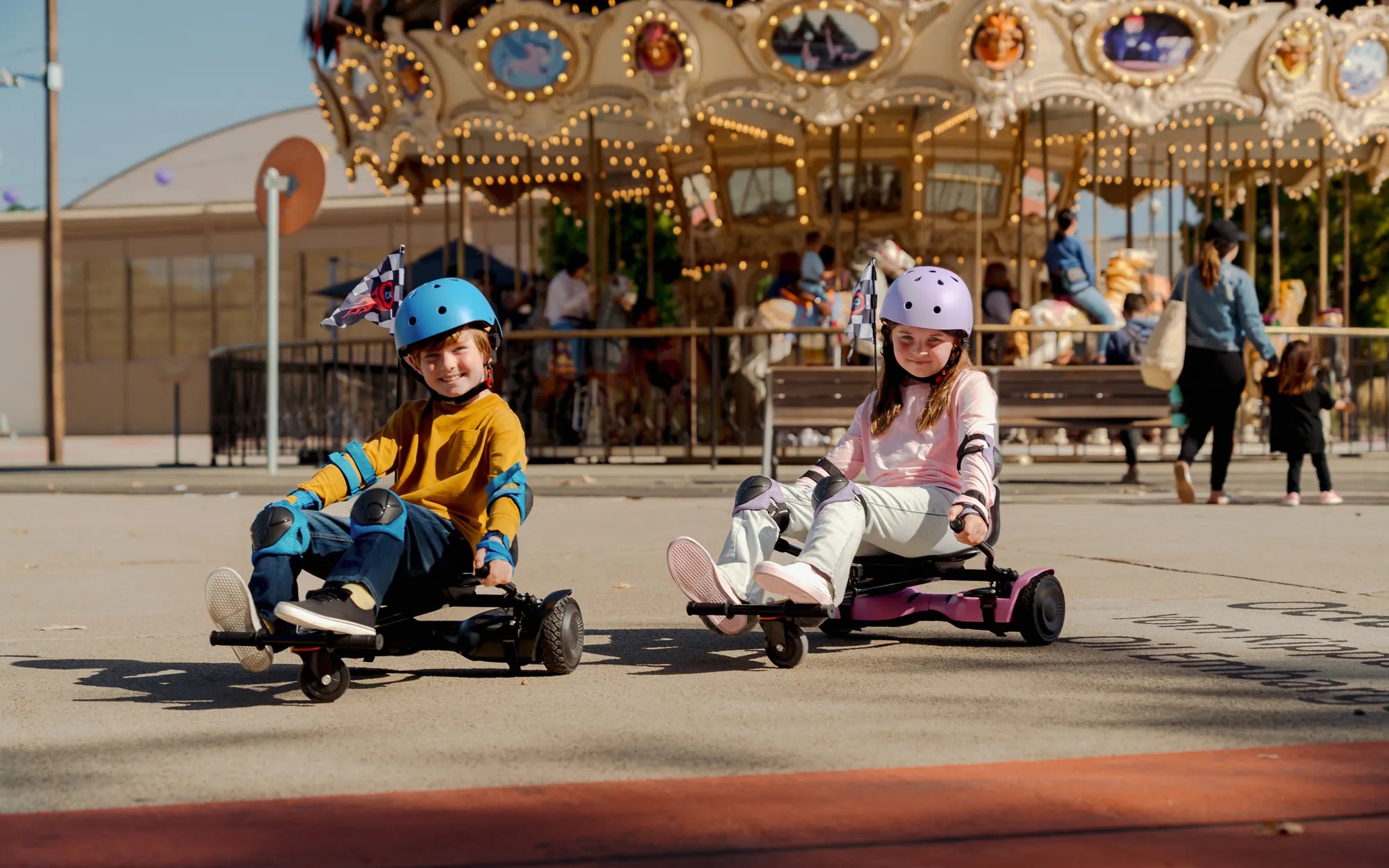
Gear Up: Always wear a helmet. Wrist guards, knee pads, and elbow pads are highly recommended, especially for beginners and when riding in traffic-adjacent areas.
Start in Beginner Mode: Use the slowest speed setting while learning. Practice mounting, dismounting, and basic maneuvers in a wide-open, flat, and smooth area like an empty parking lot.
Be Aware and Predictable: Obey local laws regarding where you can ride. Be hyper-aware of pedestrians, cyclists, and vehicles. Avoid roads with cars. Do not ride in the rain or on wet surfaces unless your model has a high IP rating (IPX5+), and even then, exercise extreme caution.
Making Your Choice: A Buyer's Checklist and FAQ
This actionable checklist consolidates everything you've learned. Use it when evaluating any model to ensure it meets the standards of a quality hoverboard. Following this, we answer the most common questions riders have before purchasing.
The Quality Hoverboard Buyer's Checklist
- Safety Certification: Does it have official UL 2272 certification?
- Battery: Does it use quality brand-name cells (Samsung/LG) and have a robust BMS? Is the battery pack itself UL certified?
- Build & Weight Limit: Is the frame sturdy (metal/reinforced alloy)? Is the stated max weight limit (220+ lbs) suitable for the rider?
- Motor Power: Does it have dual motors with a combined power of at least 600W?
- Wheels & Terrain: Are the wheels sized appropriately for your terrain (8"+ for pavement, 10" pneumatic for all-terrain)?
- Water Resistance: Does it have a clear IP rating of at least IPX4, with IPX5 being ideal for real-world use?
- Warranty & Support: Is there a minimum 1-year comprehensive warranty? Is customer support accessible?
Frequently Asked Questions (FAQ)
Q: Are hoverboards safe in 2024?
A> Yes, when you purchase a UL 2272 certified model from a reputable brand. The certification ensures rigorous safety testing of the battery and electrical system, eliminating the fire risks associated with early, uncertified models.
Q: Can I ride a hoverboard in the rain?
A> It depends on the IP rating. A model with an IPX5 rating, like those from Gyroor, is designed to withstand water jets and can be ridden on wet pavement or in light rain. Never submerge any hoverboard, and avoid deep puddles. Models with lower or no IP rating should be kept completely dry.
Q: What is the average lifespan of a quality hoverboard?
A> With proper care and maintenance, a well-made hoverboard can last 2 to 4 years. The battery is typically the first component to degrade, but quality UL-certified packs rated for 500+ cycles, like Gyroor's, provide long-term reliability. Build quality and usage patterns also significantly impact lifespan.
Q: How do I maintain my hoverboard's battery?
A> Avoid full discharges; recharge after use. Store the device with a partial charge (50-80%) if not using it for weeks. Use only the official charger. Keep it away from extreme heat or cold. These practices will maximize battery cycle life and maintain performance.
Q: Is a hoverboard difficult to learn to ride?
A> Most people achieve basic balance and control within 30-60 minutes of practice. Start in a wide-open, flat area using the beginner speed mode. The key is to relax, look forward (not down at your feet), and use subtle weight shifts to move. Wearing protective gear will boost confidence during the learning phase.
Investing in a Smooth, Safe Ride
Selecting a quality hoverboard is an investment in safety, fun, and reliable personal mobility. The choice becomes clear when you prioritize verified engineering over flashy marketing. The best ride seamlessly combines certified safety, robust performance, and practical durability.
Your decision should be guided by the concrete checklist: UL 2272 certification, high-quality battery systems, appropriate motor power for your needs, terrain-ready wheels, and a strong warranty from a responsive brand. These are the pillars of a product built to last.
Brands that stand behind their products with comprehensive support, like Gyroor and its reliable 1-year warranty, demonstrate the confidence that comes from rigorous design and testing. This final assurance is what transforms a purchase from a gamble into a smart investment.
Ready to find your perfect ride? Use the knowledge from this guide to make an informed choice. For a range of UL 2272 certified, IPX5 water-resistant hoverboards built with quality components, browse the full Gyroor collection at gyroorboard.com.
Hoverboard Orange Light Flashing and Beeping: Causes and Solutions
Age Scooter for Kids Girls: The Ultimate Guide to Fun and Safety