

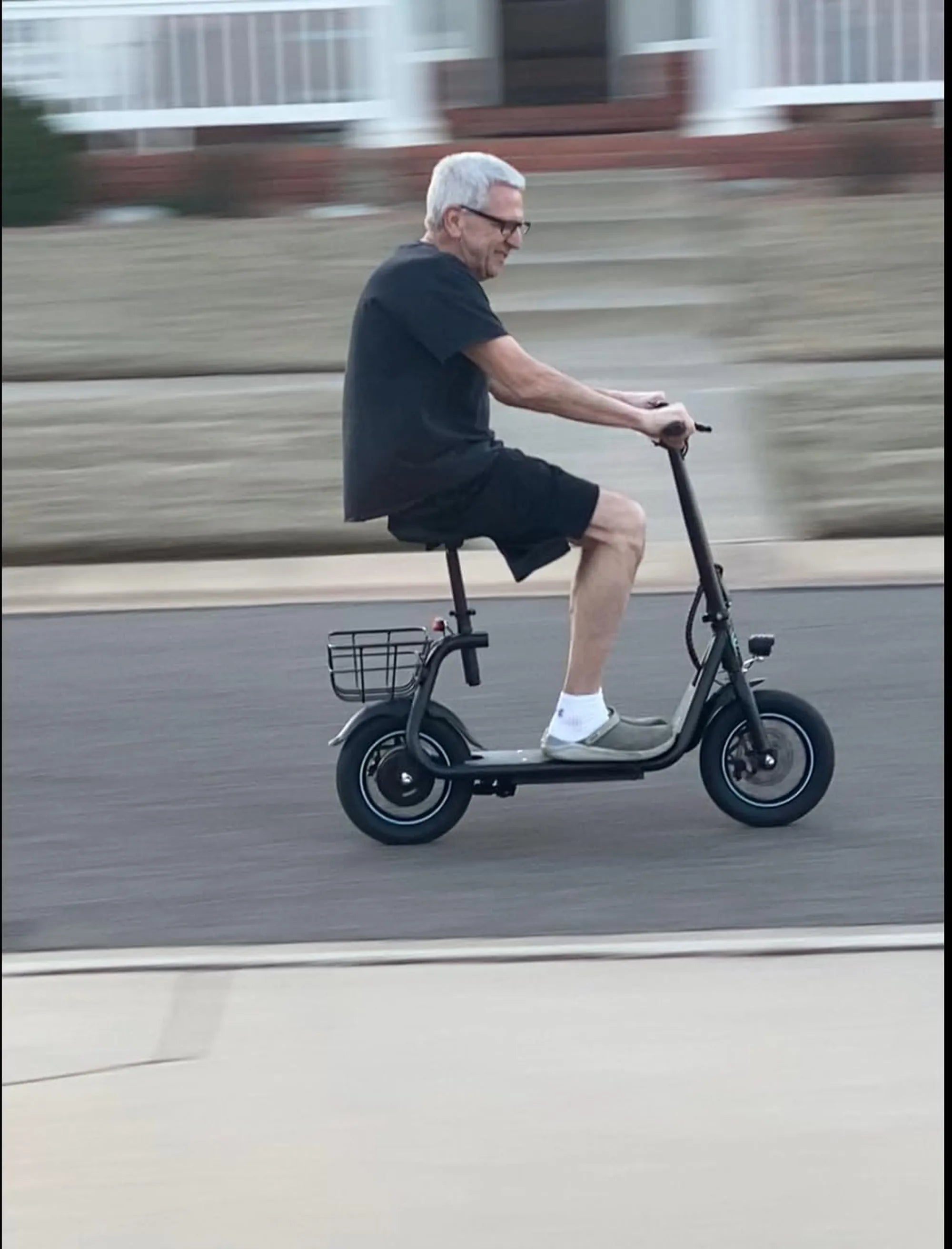
Introduction: Redefining Recreation and Commuting with Electric Scooters
The landscape of personal transportation is undergoing a quiet revolution, and at its heart is the recreational electric scooter. Far more than a childhood toy, these modern devices represent a powerful fusion of utility, sustainability, and pure enjoyment. They are versatile personal transport vehicles actively reshaping how we approach short-distance travel, weekend adventures, and the daily commute.
This shift is driven by a convergence of factors: the desire for efficient urban mobility, rising environmental consciousness, and a universal craving for outdoor fun. Recreational scooters electric sit uniquely at this intersection, offering an accessible gateway to a more dynamic lifestyle. The market has evolved from simple, low-power units to sophisticated machines capable of tackling diverse terrains and fulfilling multiple roles.
For commuters, they are a reliable, cost-effective alternative to cars and public transit. For enthusiasts, they are a source of adventure and community. This article will dissect the phenomenon, providing a data-driven look at why these scooters are surging in popularity, what features matter most, and how to integrate them seamlessly into your life. The future of micro-mobility is here, and it's electrifyingly fun.
Why Recreational Electric Scooters Are Gaining Massive Popularity
The explosive growth in the recreational electric scooter market is not accidental. It is a direct response to several persistent challenges and evolving cultural trends in modern living. Primary among these is the global push for sustainable, eco-friendly alternatives to fossil fuel-dependent transport. Each scooter ride represents a direct reduction in carbon emissions, traffic congestion, and noise pollution.
Economically, the appeal is clear. With rising fuel costs and vehicle maintenance expenses, the low operational cost of an electric scooter—mere cents per charge—is a compelling advantage. They eliminate parking fees and, in many cases, the need for public transit fares for the last mile of a journey. This makes them a financially savvy choice for students, urban professionals, and anyone looking to optimize their daily travel budget.
From a lifestyle perspective, these scooters satisfy a growing desire for outdoor recreation and accessible adventure. In a digitally saturated world, they provide a tangible reason to explore local parks, trails, and urban landscapes. The sensation of gliding effortlessly is inherently joyful, combining the thrill of speed with the simplicity of operation. This has fostered vibrant online and local riding communities, further fueling their popularity.
Finally, advancements in technology have made high-performance, reliable models accessible. Improved battery chemistry, robust motor designs, and smart features like app connectivity have transformed consumer perception. Scooters are now seen as legitimate transport tools, not just novelties. This perfect storm of environmental, economic, social, and technological factors ensures that recreational scooters electric are more than a passing trend; they are a mainstay of future mobility.
Key Features to Look for in a Quality Recreational E-Scooter
Navigating the market for a recreational electric scooter requires understanding the specifications that translate to real-world performance, safety, and durability. A quality scooter is defined by a synergy of its core components, not just a single high number on a spec sheet. Prioritizing these elements ensures your investment delivers lasting satisfaction and reliability.
The foundation is a sturdy frame, typically constructed from aerospace-grade aluminum alloy. This material offers an optimal balance of strength and lightweight portability. The folding mechanism, if present, should be robust and secure, with a reliable locking latch. A wobbly stem or flexing deck is a sign of poor construction that can compromise control and safety during rides.
Lighting and braking systems are critical non-negotiable safety features. A bright front headlight and rear brake light are essential for visibility in low-light conditions. Effective braking is paramount; a combination of electronic (regenerative) braking and a mechanical disc or drum brake provides reliable stopping power in all weather conditions. Never compromise on these systems.
Motor Power, Speed, and Range: Balancing Thrill with Practicality
Motor power, measured in watts (W), directly influences acceleration, hill-climbing ability, and top speed. A 350W motor is sufficient for flat urban terrain and lighter riders, while a 500W or 750W motor provides the torque needed for moderate hills and heavier loads or off-road use. Top speed for recreational models typically ranges from 15 to 25 mph, a sweet spot that balances excitement with manageable control.
Range is determined by battery capacity, measured in watt-hours (Wh). Manufacturer claims are often based on ideal conditions (light rider, flat ground, slow speed). A practical rule is to expect 60-70% of the advertised range in real-world use. For pure recreation, a 10-15 mile real range may suffice. For commuting or longer adventures, seek models with a 20+ mile real-world range. Remember, factors like rider weight, terrain, temperature, and riding style significantly impact this figure.
Build Quality, Safety, and Durability Essentials
Beyond the motor and battery, durability hinges on component choices. Tire type is a major factor: pneumatic (air-filled) tires provide superior shock absorption and traction on uneven surfaces but require maintenance. Solid or honeycomb tires eliminate flats but offer a harsher ride. For recreational use that may venture onto varied paths, pneumatic tires or models with suspension are highly recommended.
The deck should offer ample, non-slip footing. Handlebars should be adjustable or ergonomically designed for comfort. All connectors, wiring, and the display should be well-integrated and protected from the elements. A scooter that feels solid and rattle-free when lifted and gently shaken is a good initial indicator of thoughtful assembly and quality control.
The Gyroor Standard: UL-Certified Batteries and IPX5 Water Resistance
Leading brands distinguish themselves with rigorous safety and durability standards. As a trusted name with over 100,000 riders, Gyroor builds its recreational electric scooters around two critical pillars: UL-certified batteries and IPX5 water resistance. These are not mere marketing terms but foundational engineering commitments.
A UL-certified battery pack has undergone independent testing by Underwriters Laboratories to stringent safety standards, significantly reducing risks associated with overheating, short-circuiting, or fire. This certification is a non-negotiable safety feature for peace of mind. Furthermore, an IPX5 rating means the scooter's electrical components can withstand sustained, low-pressure water jets from any direction. This allows riders to confidently navigate wet roads, puddles, or light rain without fear of immediate damage, vastly increasing the scooter's versatility and all-weather usability for both fun and commuting.
Comparing Use Cases: Urban Commuting vs. Weekend Adventure
Choosing the ideal recreational electric scooter depends heavily on your primary intended use. The optimal feature set for weaving through city streets differs meaningfully from what you need to explore a forest trail. Understanding this distinction ensures you select a scooter that excels at your preferred activity, rather than making frustrating compromises.
The following table contrasts the key priorities for two dominant use cases, providing a clear framework for decision-making.
| Feature / Consideration | Urban Commuting & Daily Errands | Weekend Adventure & Off-Road |
|---|---|---|
| Primary Terrain | Paved roads, bike lanes, smooth sidewalks. | Gravel paths, packed dirt trails, grass, mild off-road. |
| Key Scooter Traits | Portability, efficiency, smooth ride, legality. | Durability, power, traction, suspension. |
| Ideal Motor Power | 350W - 500W (sufficient for urban inclines). | 500W - 750W+ (for torque on uneven ground). |
| Tire Type | Larger pneumatic (for comfort) or quality solid. | Knobby, pneumatic tires; suspension is critical. |
| Weight & Portability | Lighter weight, compact fold for carrying onto transit. | Weight is less critical; robust build is prioritized. |
| Essential Features | Bright lights, reliable brakes, kickstand, carry handle. | High ground clearance, robust frame, enhanced brakes. |
| Range Priority | Consistent, predictable range for daily round-trip. | Extended range for exploration without charging access. |
The Perfect Urban Runabout
For the urban commuter, a recreational electric scooter must be a model of pragmatic efficiency. Portability is paramount; a quick, secure folding mechanism and a manageable weight (often under 35 lbs) allow for easy carrying onto buses, trains, or into offices. The ride should be smooth enough to handle typical pavement imperfections without discomfort, making pneumatic tires or a basic suspension highly valuable.
Integrated safety features are non-negotiable in traffic. This includes a very bright headlight, a brake light that activates automatically, and reflectors. The braking system must be instantly responsive. Given the stop-start nature of city riding, a scooter with efficient regenerative braking can help marginally extend range. Finally, check local regulations regarding where you can legally ride—most cities permit them in bike lanes but not on sidewalks.
The Off-Road & Trail Explorer
When recreation means escaping paved paths, the scooter's requirements shift dramatically. Here, durability and capability trump portability. Ground clearance is the first spec to check; it must be high enough to clear roots, rocks, and ruts without damaging the battery pack or deck underside. A powerful motor (500W minimum) is essential for maintaining momentum on loose or inclined surfaces.
A full suspension system—combining front and rear shocks—is arguably the most important feature for comfort and control on rough terrain. It keeps the tires in contact with the ground for better traction and protects the rider and scooter from jarring impacts. Knobby, pneumatic tires provide the necessary grip on dirt and gravel. Given the more demanding use, a scooter designed for this purpose, like some in the Gyroor lineup built for adventure, will feature a reinforced frame and more robust components throughout.
Maximizing Your Ride: Safety, Maintenance, and Community
Owning a recreational electric scooter is about more than the purchase; it's about cultivating a safe, enjoyable, and sustainable riding practice. Proper preparation and care not only extend the life of your scooter but dramatically enhance every journey. This section covers the essential post-purchase knowledge every rider should have.
Before your first ride, perform a pre-ride check: ensure tires are properly inflated, all bolts (especially on the stem and folding mechanisms) are tight, brakes engage smoothly and effectively, and lights are functional. Familiarize yourself with the controls in a safe, open area. Understanding the acceleration curve and braking distance is crucial for safe interaction with traffic and pedestrians.
Gear Up: Essential Safety Equipment
A helmet is an absolute necessity, regardless of local laws or trip length. A certified bicycle or multi-impact helmet is the minimum standard; for higher-speed models or off-road use, a full-face MTB helmet offers superior protection. This single piece of equipment is the most effective way to prevent serious injury.
For recreational trail riding, additional protective gear is highly recommended. Knee and elbow pads can prevent painful abrasions in the event of a fall. Durable gloves improve grip and protect your hands. For any riding in low-light conditions, wear high-visibility clothing or accessories. Reflective vests, ankle bands, or even a simple bright jacket make you significantly more visible to drivers, which is a critical component of urban safety.
Routine Care for Longevity
Regular maintenance is simple but vital. Keep the scooter clean, especially after off-road or wet rides; wipe down the deck and frame to prevent dirt and grit from damaging moving parts. Check tire pressure weekly if using pneumatics. Periodically inspect the brake pads for wear and adjust the brake calipers as needed to maintain optimal stopping power.
Battery care is paramount for long-term health. Avoid draining the battery to 0% regularly; try to recharge when it reaches 20-30%. Similarly, avoid leaving it plugged in at 100% for extended periods (days on end). Store the scooter in a cool, dry place, and if storing for more than a month, leave the battery at around 50-60% charge. Following these simple habits can help achieve the 500+ charge cycles that quality UL-certified batteries are designed for.
Finding Your Riding Community and Trails
The social aspect of riding a recreational electric scooter is a significant source of its fun. Online platforms like dedicated subreddits, Facebook groups, and forums are excellent for getting advice, sharing modifications, and organizing group rides. Local bike shops and community boards may also have information on group outings.
For discovering new routes, utilize apps like Trailforks, AllTrails, or Komoot to find approved bike paths, greenways, and trails suitable for your scooter's capability. Always respect trail designations and local rules—yield to pedestrians, control your speed, and practice Leave No Trace principles when venturing into natural areas. Sharing your experiences and routes with the community helps it grow and encourages responsible riding.
Frequently Asked Questions (FAQ)
Q: How far can a typical recreational electric scooter go on a single charge?
A: Real-world range varies widely based on battery capacity, rider weight, terrain, speed, and temperature. A scooter with a 36V 10Ah (360Wh) battery may achieve 10-15 miles for a 165 lb rider on flat ground at moderate speed. Larger 48V 13Ah+ (624Wh+) batteries can deliver 20-30 miles. Always interpret manufacturer range claims as ideal maximums and plan for a 30% buffer for practical use.
Q: Are electric scooters legal to ride on roads and bike paths?
A: Laws vary significantly by country, state, and city. In many U.S. jurisdictions, they are treated similarly to bicycles and are permitted in bike lanes and on roads with speed limits at or below 35 mph. They are often prohibited on sidewalks. Key common restrictions include a minimum rider age (often 16+), a speed limit (e.g., 15-20 mph), and requirements for lights/reflectors. It is the rider's responsibility to know and follow local regulations.
Q: What does the 1-year comprehensive warranty from Gyroor cover?
A> Gyroor's standard warranty, trusted by over 100,000 riders, typically provides one year of coverage for manufacturing defects in materials and workmanship for the entire scooter, including the frame, motor, and electronic components. The UL-certified battery often has a separate warranty period (e.g., 6 months). This warranty underscores their commitment to quality and provides buyers with significant peace of mind, backed by U.S.-based customer support.
Q: Can I ride an IPX5 water-resistant scooter in heavy rain?
A> An IPX5 rating is excellent for real-world conditions, protecting against water jets from any direction. This means riding through puddles, wet streets, or in light to moderate rain is generally safe. However, it is not waterproof (submersible). We do not recommend riding in heavy downpours, through deep standing water, or submerging any part of the scooter. Always dry the scooter after wet rides and avoid charging until it is completely dry.
Q: How important is customer support, and is it based in the US?
A> Accessible, knowledgeable customer support is critical for a product with mechanical and electrical components. It ensures you can get help with assembly, troubleshooting, and warranty claims. Gyroor maintains U.S.-based customer service, which greatly improves communication clarity, reduces response times, and simplifies the process for obtaining replacement parts. This local support infrastructure is a key differentiator from brands that only offer offshore or email-only support.
Your Gateway to a More Fun and Sustainable Lifestyle
The journey through the world of recreational scooters electric reveals a vehicle of remarkable duality. It is simultaneously a potent tool for pragmatic, eco-friendly daily commuting and a direct conduit to joy, freedom, and exploration. This unique combination is what solidifies their place as a cornerstone of modern micro-mobility and personal recreation.
Choosing the right scooter is an investment in a new way of moving through your world. By prioritizing proven safety features like UL-certified batteries, demanding durability through standards like IPX5 water resistance, and selecting a model aligned with your primary use—be it urban navigation or trail exploration—you set the stage for countless miles of reliable service. The data-driven approach outlined here empowers you to look beyond marketing and understand the core specifications that matter.
Ultimately, a quality recreational electric scooter from a reputable brand does more than transport you from point A to B. It reconnects you with your environment, reduces your carbon footprint, introduces you to a community, and injects a dose of exhilaration into everyday routines. The future of fun and functional commuting is not a distant concept; it's available now, powered by innovation and a spirit of adventure.
Ready to experience the perfect blend of thrill and utility? Explore a range of high-performance, safety-focused models engineered for real-world use. Browse the full Gyroor collection at gyroorboard.com and find the electric scooter that will become your new favorite way to move and explore.
Growth Projections for Electric Scooters Market 2025: Trends and Opportunities
Electric Mobile Scooters for Adults: The Ultimate Urban Commuting Solution