



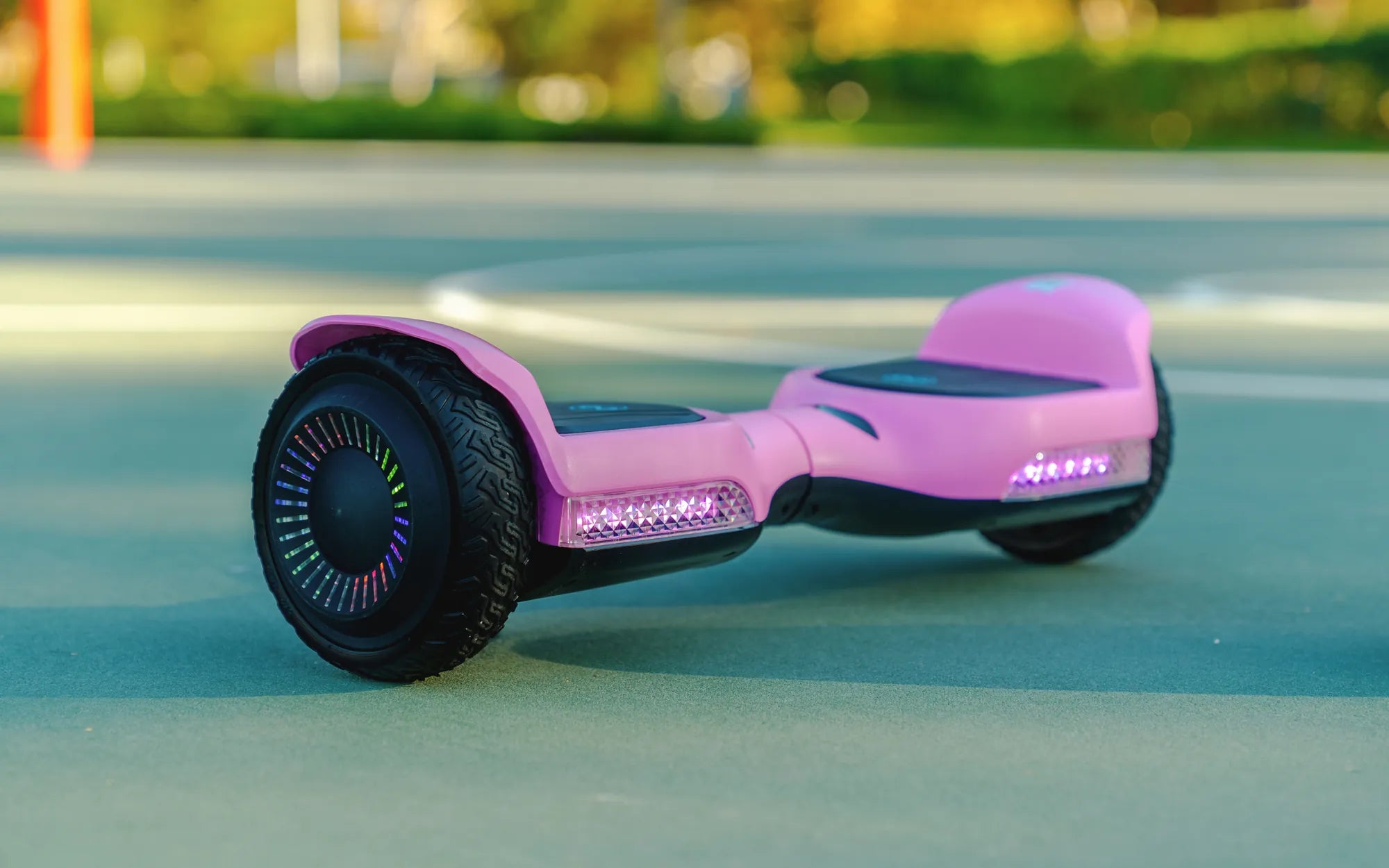
Choosing your child's first ride on scooter is a significant decision that blends excitement with responsibility. This guide provides the definitive roadmap for selecting a scooter that delivers endless fun while prioritizing foundational safety. You will learn how to match a scooter to your child's age and skill level, identify critical safety features, understand essential protective gear, and teach proper riding habits. A ride on scooter for kids is more than a toy; it's a developmental tool that builds balance, coordination, and confidence through active, independent play.
Understanding the Basics: Types of Kids' Ride-On Scooters
The first step in choosing the right scooter is understanding the fundamental categories designed for different developmental stages. The primary distinction lies in the number of wheels and the stability they provide. Selecting the appropriate type is crucial for both safety and your child's enjoyment, as a scooter that is too advanced can lead to frustration and accidents, while one that is too basic may be quickly outgrown.
Three-wheeled scooters are engineered for maximum stability, making them the ideal starting point for toddlers and preschoolers. Two-wheeled models represent the classic scooter design and are intended for children who have mastered basic balance. The transition between these types marks a key milestone in your child's physical development and motor skill progression.
3-Wheel Scooters: Stability for Beginners (Ages 2-5)
Designed with two wheels at the front and one at the rear, or vice versa, 3-wheel scooters offer a wide, stable base that prevents tipping. This design allows young children, often as young as two or three, to focus on the mechanics of pushing, steering, and stopping without the immediate challenge of balancing. The enhanced stability builds initial confidence, making the learning process enjoyable rather than intimidating.
Key features of beginner scooters include adjustable handlebar heights to grow with your child, wide decks for secure foot placement, and lower maximum speeds. Many models utilize a lean-to-steer mechanism, where the child shifts their weight to turn, which intuitively teaches balance fundamentals. This category is the essential first step in a child's journey to independent mobility.
2-Wheel Scooters: The Next Step in Skill Development (Ages 5+)
Once a child demonstrates good coordination and confidence on a 3-wheel model, a 2-wheel scooter is the natural progression. These scooters require and further develop advanced balance, core strength, and coordination. Mastery of a two-wheel scooter often translates directly to easier learning of other wheeled activities, like cycling.
These models are typically lighter and more maneuverable, featuring hand-operated brakes for more controlled stopping and high-rebound polyurethane wheels for a smooth ride. The construction often uses aircraft-grade aluminum for a robust yet lightweight frame. Moving to a two-wheel scooter signifies a major leap in your child's skill and independence.
The Gyroor Difference: Engineering Safety and Durability for Young Riders
As a leading electric scooter and e-bike brand trusted by over 100,000 riders, Gyroor applies its core engineering principles to create kids' scooters that parents can trust. The focus is on creating products where safety and durability are inherent in the design, not an afterthought. This commitment ensures that every ride on scooter for kids from Gyroor meets rigorous standards for performance and protection.
The brand's philosophy centers on using superior materials and intelligent design to withstand the rigors of active play. From reinforced decks to reliable braking systems, each component is selected and tested for its contribution to the scooter's overall safety and longevity. This results in a product that supports a child's development safely over many years of use.
Built to Last: Materials and Construction You Can Trust
Gyroor scooters are constructed from high-grade, lightweight aluminum alloys. This material provides an optimal strength-to-weight ratio, ensuring the scooter is sturdy enough to handle jumps and rough treatment without being too heavy for a child to maneuver or a parent to carry. The decks are reinforced and covered with advanced anti-slip tape, providing a secure footing in all conditions.
The wheels are another critical component. Made from high-rebound, wear-resistant polyurethane (PU) and mounted on precision bearings, they ensure a smooth, quiet, and fast ride. The attention to material quality in every weld, bolt, and bearing translates directly to a safer, more reliable riding experience and a product with a longer lifespan.
Safety-Forward Design Features
Safety is engineered into every aspect of a Gyroor scooter. The wheelbase and deck geometry are designed for optimal stability, reducing the risk of tipping during turns or sudden stops. The braking system, whether a responsive rear fender brake or a progressive hand brake, is designed for predictable, controlled stopping power that a child can learn to apply effectively.
Handlebar grips are ergonomically designed with non-slip materials and end caps to protect hands. Many models feature a tool-free, adjustable handlebar system that allows for quick height changes to maintain a proper, safe riding posture as your child grows. These integrated features work together to create a protective environment for learning and play.
The Parent's Checklist: 5 Essential Factors for Choosing the Perfect Scooter
Navigating the market for kids' scooters requires a practical, informed approach. This checklist distills the selection process into five critical factors, empowering you to make a confident, data-driven decision. Prioritizing these elements ensures the scooter you choose will fit your child correctly, perform safely, and provide lasting value.
Ignoring any of these factors can compromise safety, shorten the scooter's useful life, or lead to a frustrating experience for your child. By systematically evaluating age recommendations, adjustability, wheels, brakes, and portability, you can filter out unsuitable options and identify the best ride on scooter for kids for your family's specific needs.
1. Age and Weight Recommendations: The Foundation of Fit
The manufacturer's age and weight guidelines are the most critical starting point. These limits are determined by the scooter's structural integrity, stability design, and braking capacity. Using a scooter rated for an older, heavier child can be dangerous for a younger rider, as the geometry and response may not be appropriate for their size and skill level.
Conversely, a child who exceeds the weight limit risks damaging the scooter and compromising its safety features, such as the brakes or folding mechanism. Always err on the side of the manufacturer's specifications. This is not a mere suggestion but a fundamental safety parameter.
2. Adjustability: Growing with Your Child
A scooter with an adjustable handlebar height can typically accommodate 2-3 years of growth, providing excellent long-term value. The correct handlebar height is at or slightly below the child's waist when standing on the deck. This position allows for comfortable control and proper steering leverage without causing the child to hunch over.
Look for easy, tool-free adjustment mechanisms that allow you to quickly modify the height as your child grows. This feature ensures the scooter remains a perfect fit, promoting safe posture and control throughout its lifespan, which makes it a smarter investment than a fixed-height model.
3. Wheel Type and Size: Smooth Rides and Control
Wheel choice directly impacts ride quality and suitability for different terrains. Larger polyurethane (PU) wheels (e.g., 200mm) roll over cracks and small pebbles more easily, providing a smoother ride on sidewalks and paved paths. Smaller PU wheels offer quicker acceleration and are highly maneuverable, ideal for smooth surfaces like skate parks or indoor use.
For very rough terrain, some scooters feature air-filled (pneumatic) tires which absorb shocks effectively. Consider where your child will ride most often. A scooter with 200mm PU wheels is an excellent all-around choice for most urban and suburban environments.
4. Braking System: Confident Stopping Power
A reliable, easy-to-use brake is non-negotiable. The two main types are rear fender brakes and hand brakes. A rear fender brake is operated by stepping down on the plastic fender over the rear wheel. It is intuitive for young children and provides a gradual stop, making it ideal for beginners on 3-wheel scooters.
Hand brakes, similar to those on a bicycle, offer more precise modulation and stopping power and are standard on 2-wheel scooters for older kids. They require more hand strength and coordination. Whichever type, ensure the brake engages smoothly and brings the scooter to a controlled, predictable stop.
5. Portability and Weight: For Parents and Kids Alike
The scooter's weight matters for both the child and the parent. A child should be able to easily lift and carry the scooter for short distances. For parents, a foldable scooter is a significant advantage for storage in a car trunk or at home. Look for a secure, easy-to-operate folding mechanism that locks firmly in both the open and closed positions.
A lightweight aluminum scooter that folds compactly solves the practical challenges of transport and storage. This feature greatly increases the likelihood that the scooter will be used frequently, as it's easy to take on outings, to the park, or on vacation.
Gearing Up: Essential Safety Gear Beyond the Scooter
The safest scooter is only one component of the safety equation. Proper protective gear is essential to mitigate the risk of injury from falls, which are an inevitable part of the learning process. Making safety gear non-negotiable from day one establishes critical habits that protect your child now and in future sports activities.
Research consistently shows that wearing appropriate safety gear dramatically reduces the severity of injuries from wheeled sports. Investing in high-quality gear is an investment in your child's well-being, allowing them to explore their limits and build skills with a crucial safety net in place.
The Non-Negotiable: A Properly Fitted Helmet
A helmet is the single most important piece of safety equipment. It must be certified for cycling or multi-impact sports (look for CPSC, CE, or ASTM certifications). Fit is paramount: the helmet should sit level on the head, covering the forehead, with the straps forming a "V" under each ear. The chin strap must be snug, allowing only one or two fingers to fit between the strap and the chin.
Replace a helmet after any significant impact, as its protective foam can be compromised even if no damage is visible. Let your child choose the color or design to encourage willing use. A properly fitted, certified helmet can prevent the most serious head injuries.
Recommended Additions: Knee Pads, Elbow Pads, and Wrist Guards
While a helmet protects the head, pads protect the limbs from abrasions, bruises, and fractures. Knee and elbow pads are particularly important for beginners, as falls often result in impacts to these joints. Wrist guards are highly recommended, as instinct leads to putting hands out to break a fall, making wrists vulnerable to sprains and breaks.
Ensure pads fit snugly without restricting movement. They should stay in place during a fall. High-quality gear with durable plastic caps and comfortable, breathable padding will be worn more consistently. For a child new to a ride on scooter for kids, full gear provides confidence and protection.
Teaching Safe Riding Habits: A Step-by-Step Guide for Parents
Providing a great scooter and safety gear is only the beginning. Teaching your child how to ride safely is your most important role. This structured, patient approach breaks down the complex skill of scooting into manageable steps, building competence and confidence progressively. The goal is to develop not just ability, but also situational awareness and respect for the rules of the ride.
Start each session when your child is rested and focused. Keep initial lessons short (15-20 minutes) and positive, ending on a success. Your calm, encouraging demeanor will help your child associate scooting with fun and achievement, not pressure or fear.
Finding the Right Practice Environment
Begin in a controlled, hazard-free environment. An empty tennis court, basketball court, or smooth driveway is ideal. The surface should be flat, smooth, and free of gravel, sand, or water. Ensure the area is completely closed to vehicle traffic and has plenty of open space for wide, gentle turns and safe stopping distances.
This controlled setting allows your child to focus entirely on mastering the physical mechanics of the scooter without the added complexity of navigating obstacles, pedestrians, or inclines. Mastery in a safe zone is the prerequisite for riding in more complex environments.
Core Skills to Master: Stance, Gliding, and Braking
First, teach the proper stance: the dominant foot (the one they kick a ball with) on the deck, positioned perpendicular to the direction of travel, with the other foot used to push. Have them practice simply standing on the scooter in this position while you hold it steady, focusing on balance.
Next, introduce gliding. Have them take small, slow pushes and then place both feet on the deck to coast, looking forward, not down. Once they can glide steadily for several meters, introduce steering with gentle weight shifts. Finally, practice braking repeatedly until it becomes an instinctive reaction. Drill stopping on command from a slow walk, then a faster glide.
Kids' Scooter Comparison: Key Features at a Glance
The table below compares general scooter types and key features to help you visualize the differences and make an informed choice based on your child's stage.
| Feature | 3-Wheel Beginner Scooter | 2-Wheel Advanced Scooter | Gyroor Design Focus |
|---|---|---|---|
| Primary Age Range | 2 - 5 years | 5 years and up | Age-specific engineering |
| Key Benefit | Maximum stability for learning | Develops advanced balance & agility | Progressive skill development |
| Typical Wheel Material | Wider PU or plastic wheels | High-rebound PU wheels (120-200mm) | Durable, smooth-rolling PU |
| Brake System | Rear fender brake | Hand brake and/or fender brake | Reliable, child-appropriate stopping |
| Frame Material | Plastic or steel composite | Lightweight aluminum alloy | Aircraft-grade aluminum |
| Adjustable Handlebars | Yes, crucial for growth | Yes, often tool-free | Easy, secure height adjustment |
Frequently Asked Questions (FAQs) About Kids' Scooters
Q: What age is appropriate for a child's first scooter?
A: Most children are ready for a 3-wheel scooter around age 2-3, when they have sufficient balance and coordination to stand on one foot and steer. Always check the manufacturer's specific age and weight guidelines, as they are calibrated to the scooter's design and safety limits.
Q: Are Gyroor scooters easy to assemble?
A: Yes. Gyroor scooters are designed for quick, straightforward assembly, typically requiring only the handlebars to be attached and secured with provided tools. This user-friendly design gets your child to fun faster and ensures correct, safe setup.
Q: How do I maintain my child's scooter to keep it safe?
A: Regular maintenance is simple but vital. Monthly checks should include tightening all bolts (especially on the handlebar clamp and folding mechanism), ensuring wheels spin freely without wobble, checking brake pads for wear, and wiping down the deck to maintain anti-slip grip. Avoid high-pressure water sprays on bearings.
Q: Can my child ride a scooter in the rain or on wet surfaces?
A: It is not recommended. Wet pavement, leaves, and metal surfaces like manhole covers drastically reduce tire traction and braking effectiveness, significantly increasing the risk of slips and falls. Scooters are designed for dry conditions. Always dry the scooter thoroughly if it gets wet accidentally.
Q: How do I know if the scooter is the right size for my child?
A: The key test is handlebar height. When your child stands on the deck, the handles should be at or slightly below their waist level. Their arms should be slightly bent when gripping the handles, not fully extended or cramped. An adjustable model allows you to perfect this fit as they grow.
Investing in Confidence and Joy on Two Wheels
Selecting the right ride on scooter for kids is an investment in your child's physical development, confidence, and joy. By prioritizing safety-focused design from trusted brands like Gyroor, ensuring a perfect fit with adjustable components, and committing to full protective gear and patient instruction, you create the foundation for countless hours of healthy, active play. This journey on two (or three) wheels fosters independence, resilience, and a lifelong love for outdoor activity.
The ultimate reward is seeing the pride on your child's face as they master a new skill. A high-quality scooter paired with your guidance is a gateway to adventure, exercise, and fun. Ready to find the perfect scooter that combines innovative safety engineering with durable performance? Browse the full Gyroor collection at gyroorboard.com to discover models designed to inspire confidence in every young rider.
Most Expensive Hoverboard: Where Engineering Excellence Meets Opulent Design
Great Christmas Gift Ideas for Girls: Thoughtful and Fun Presents