



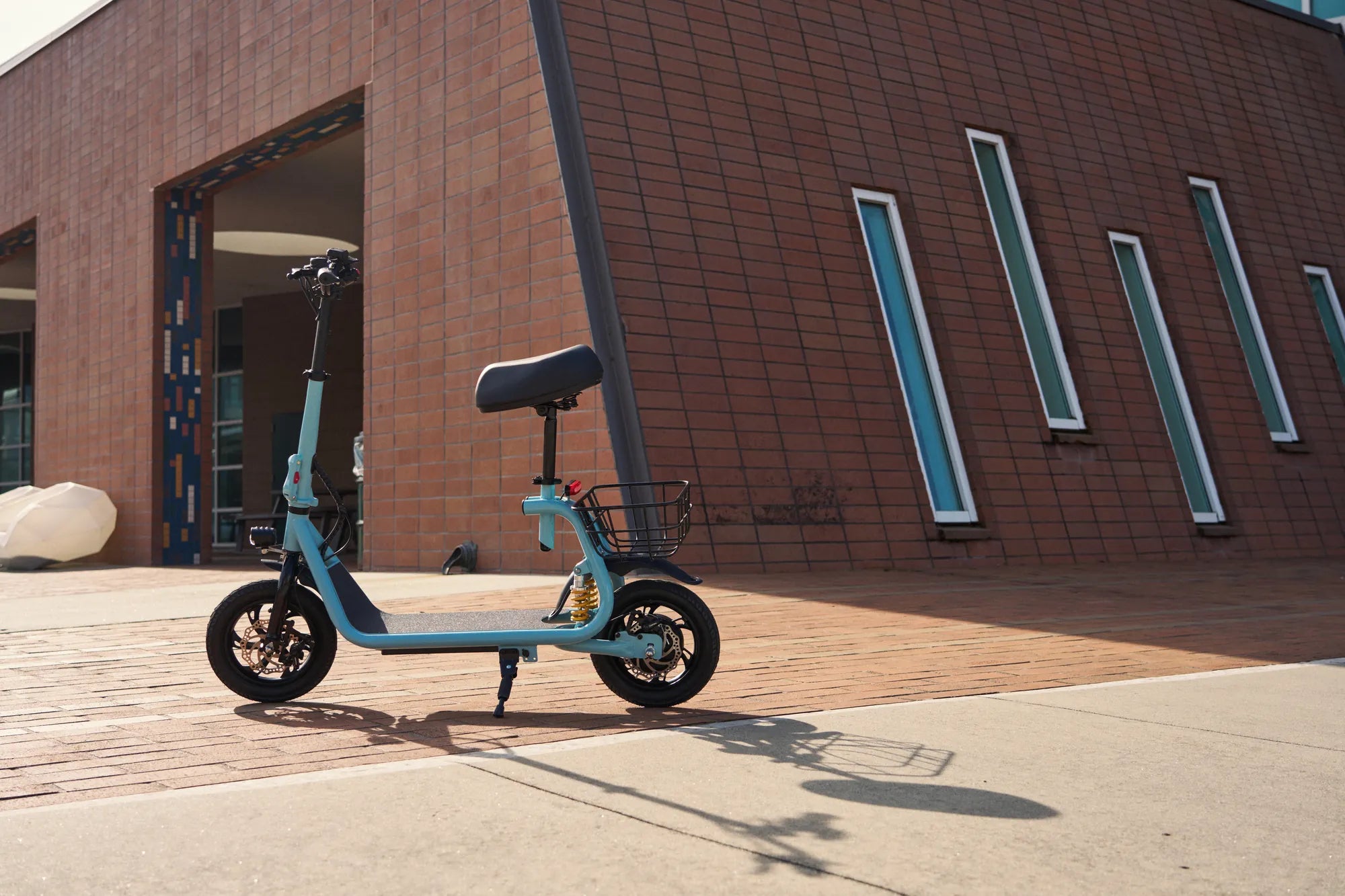
The Rise of the Electric Ride
Urban mobility is undergoing a silent revolution. The familiar frustrations of gridlocked traffic, unpredictable public transit schedules, and the spiraling costs of car ownership are being challenged by a sleek, efficient alternative: ride-on scooters electric. These compact, personal electric vehicles represent more than a passing trend; they are a fundamental shift in how we navigate our cities. This article will dissect the technology, economics, and practical realities of owning an electric scooter, providing a comprehensive guide to understanding why they are the future of urban mobility.
We will explore the compelling data behind their rapid adoption, from quantifiable commute savings to their role in reducing urban carbon emissions. You will learn how to decode critical specifications like motor power and battery range to make an informed purchase. Furthermore, we will navigate the essential safety practices and regulatory landscape, ensuring you ride with confidence and compliance. By examining the engineering standards of leading brands, we will illustrate what separates a reliable daily companion from a mere toy.
Why Ride-On Electric Scooters Are Dominating City Streets
The dominance of electric scooters in urban landscapes is driven by a powerful convergence of practicality, economics, and environmental consciousness. They solve multiple modern urban problems simultaneously, offering a level of door-to-door convenience that cars and public transit struggle to match. For the daily commuter, the student, or the urban explorer, the appeal is immediate and tangible.
First and foremost is the conquest of the "first and last mile" problem—the inconvenient distance between a transit stop and one's final destination. An electric scooter bridges this gap in minutes, turning a 15-minute walk into a 3-minute glide. This seamless integration with other transport modes makes entire cities more accessible. Secondly, the economic argument is overwhelming when compared to the recurring costs of fuel, insurance, parking fees, and public transit passes.
Environmentally, the shift is significant. Every short car trip replaced by a silent, zero-direct-emission scooter ride contributes to cleaner air and reduced noise pollution. Finally, their compact, often foldable design eliminates the eternal urban struggle for parking. They store under a desk, in a closet, or on public transport, reclaiming time and space for the rider.
The Commuter's Calculus: Time and Money Saved
Let's quantify the advantage with a real-world scenario. Consider a 5-mile round-trip commute in a medium-sized city. A car trip might take 20 minutes in traffic, costing approximately $3.50 in fuel and an average of $10-15 for daily parking. Public transit could take 40 minutes including walking and waiting, with a round-trip fare of $5.00.
An electric scooter covers the same 5 miles in about 20-25 minutes, door-to-door, with no parking search. The electricity cost to recharge its battery is negligible, often less than $0.10 per full charge. Over a month, the savings are stark: hundreds of dollars versus a car and tens versus transit, all while gaining predictable, congestion-immune travel time. This direct financial benefit, coupled with time efficiency, forms the core of the scooter's value proposition.
A Green Choice for the Conscious Rider
The environmental impact of widespread micro-mobility adoption is a subject of serious study. Research from organizations like the International Transport Forum suggests that if electric scooters and bikes displace car trips, they can contribute meaningfully to reducing urban transport CO2 emissions. The key is mode replacement—using a scooter for trips you would have otherwise taken by car or rideshare.
Beyond carbon, electric scooters reduce local air pollutants (NOx, particulate matter) and decrease traffic noise, creating more livable urban environments. For the individual rider, choosing a ride-on scooter electric is a direct, actionable step toward a smaller personal carbon footprint, aligning personal convenience with ecological responsibility.
What to Look for in a High-Quality Electric Scooter
Navigating the market requires moving beyond flashy aesthetics to understand the engineering that dictates safety, performance, and durability. A high-quality scooter is an investment in reliable mobility, not a disposable gadget. Key specifications interact to define the riding experience, and understanding them is crucial for matching a scooter to your specific needs and ensuring long-term satisfaction.
The foundation is a robust frame, typically made from aerospace-grade aluminum alloy, which provides strength without excessive weight. The braking system—whether disc, drum, or electronic—must inspire confidence in sudden-stop scenarios. Lighting is not an accessory but a critical safety feature; a bright headlight, brake light, and side reflectors are non-negotiable for urban visibility. These elements form the baseline of a serious commuting tool.
Power, Range, and Real-World Performance
Motor power, measured in watts (W), determines acceleration and hill-climbing ability. A 350W motor is sufficient for flat terrain and lighter riders, while 500W or more provides confident performance on inclines and for heavier riders. Battery capacity, measured in watt-hours (Wh), is the fuel tank. A higher Wh rating generally means a longer range, but real-world mileage is affected by rider weight, terrain, speed, and temperature.
Manufacturers often advertise a "maximum" range. A more practical expectation is 60-70% of that figure under typical urban conditions. Crucially, the battery's quality is paramount. UL-certified battery packs, like those used in Gyroor scooters, undergo rigorous testing for safety, stability, and longevity, ensuring hundreds of reliable charge cycles. This certification is a key indicator of a brand committed to safety, not just performance.
Built to Last: Durability and Safety Features
Durability is tested by daily urban use: curbs, potholes, and weather. Tire choice matters; air-filled (pneumatic) tires offer better shock absorption and traction but require maintenance, while solid tires eliminate flats but provide a harsher ride. The scooter's ingress protection (IP) rating defines its resilience against dust and water. An IPX5 rating, a standard for brands like Gyroor, means the scooter can withstand water jets from any direction, making it safe to ride in light rain and through urban puddles.
Additional safety features include reliable, responsive brakes (a dual braking system is ideal), wide decks for stable footing, and sometimes integrated locking mechanisms or alarm systems for theft deterrence. These features collectively transform a scooter from a novelty into a dependable daily workhorse.
Navigating Regulations and Riding Safely in the Urban Jungle
Owning a powerful tool comes with responsibility. Understanding and adhering to local regulations is essential for legal and safe operation. Laws governing ride-on scooters electric vary significantly between countries, states, and even cities, creating a patchwork of rules that riders must navigate. Proactive knowledge is the first step toward being a respected part of the transportation ecosystem.
Simultaneously, personal safety depends on gear, awareness, and technique. Urban environments are dynamic and unpredictable. Adopting a defensive riding mindset—anticipating the actions of drivers, pedestrians, and other road users—is as critical as the scooter's mechanical specifications. This section provides a framework for responsible and secure ridership.
Knowing the Rules of the Road
In most North American and European jurisdictions, electric scooters are classified as personal light electric vehicles (PLEVs). Common regulations include: a minimum rider age (often 16+), a prohibition on sidewalk riding (mandating use of bike lanes or roads), speed limits (frequently capped at 15-20 mph), and helmet laws, which may be required for all riders or only those under a certain age. Some cities require registration or have geofenced no-ride zones.
The onus is on the rider to check their local Department of Transportation or city council website for the most current laws. Ignorance is not a valid defense and can result in fines or confiscation of the scooter. Riding legally protects you and helps legitimize micro-mobility as a safe, integrated transport solution.
Essential Gear and Defensive Riding Tips
Always wear a helmet. This single piece of gear dramatically reduces the risk of head injury. Consider additional protection like gloves, knee pads, and bright or reflective clothing to increase visibility. Before each ride, perform a quick check: test brakes, ensure tires are properly inflated, and verify lights are functional.
Defensive riding principles are key. Assume you are invisible to drivers. Signal your intentions clearly with hand signals. Maintain a safe distance from parked cars to avoid "dooring." Scan the road surface ahead for potholes, gravel, or wet metal surfaces like manhole covers. Never ride with both headphones in, and never under the influence of alcohol or drugs. Your vigilance is your primary safety system.
The Gyroor Advantage: Engineered for Confidence
In a market flooded with options, brand ethos and engineering standards define the long-term ownership experience. Gyroor has built a reputation among over 100,000 riders in North America and Europe by prioritizing safety, reliability, and performance as non-negotiable standards. This approach translates into specific design and manufacturing choices that directly benefit the rider, offering peace of mind alongside everyday utility.
The commitment extends beyond the product to the ownership journey. A comprehensive warranty and accessible customer support ensure that your investment is protected. When you choose a scooter from a brand with these priorities, you are not just buying a vehicle; you are buying into a system designed for dependable, long-term mobility.
Safety and Reliability as a Standard
Gyroor's core USPs address the most critical concerns for electric scooter owners. First, every model uses UL-certified battery packs. This independent certification verifies that the batteries meet stringent safety standards for electrical, mechanical, and environmental stress, undergoing testing for 500+ charge cycles. This drastically reduces any risk of battery-related failure.
Second, an IPX5 water-resistant rating is standard across their lineup. This engineering provides real-world confidence, allowing riders to commute without panic at the sight of a rain cloud or a wet street. Coupled with a reliable 1-year warranty and responsive, US-based customer support, these features create a foundation of trust. Riders can focus on the journey, not worry about the machine.
Finding the Right Gyroor Model for Your Ride
Gyroor's range caters to diverse needs. For the multi-modal commuter who needs ultimate portability, compact folding models with moderate range and weight are ideal—easy to carry onto a bus or train and store under a desk. For riders with longer, dedicated commutes or who tackle steeper hills, more powerful models with higher-wattage motors and extended-range batteries provide the necessary performance and comfort.
Each model sheet clearly states the key specifications—motor power, battery capacity, max range, weight, and IP rating—allowing for an informed comparison. By aligning your primary use case (short urban hops vs. longer recreational rides) with the appropriate model, you ensure optimal satisfaction and value from your electric scooter investment.
Electric Scooter Comparison: Key Models and Specifications
To aid in the decision-making process, the following table contrasts hypothetical scooter types based on core use cases, highlighting the specifications that matter most for each scenario. This illustrates how to match features to needs.
| Use Case & Model Type | Ideal Motor Power | Target Range | Key Features | Priority |
|---|---|---|---|---|
| Ultra-Portable / Multi-Modal | 250W - 350W | 10-15 miles | Lightweight (<30 lbs), fast folding, compact footprint, basic water resistance. | Portability, Weight |
| Urban Commuter (Standard) | 350W - 500W | 15-25 miles | Balanced performance, good suspension, reliable brakes (disc), IPX5 rating, integrated lighting. | Reliability, Comfort, Safety |
| Performance / Long-Range | 500W+ | 25-40+ miles | High-capacity battery, dual braking, enhanced suspension, wider tires, higher speed capability. | Range, Power, Ride Quality |
Frequently Asked Questions (FAQ)
How far can I really expect to ride on a single charge?
Advertised range is a maximum figure achieved under ideal lab conditions. For realistic planning, calculate with 60-75% of that number. Your actual range depends on your weight, riding style (frequent acceleration and top speed drain the battery faster), terrain (hills consume more power), and ambient temperature (cold reduces battery efficiency).
Are electric scooters difficult to maintain?
They require minimal but crucial maintenance. Regularly check tire pressure (for pneumatic tires), ensure bolts and folding mechanisms are tight, keep the scooter clean, especially the braking surfaces, and store it in a dry place. The most important practice is following the manufacturer's charging guidelines to preserve battery health.
Can I ride my electric scooter in the rain?
This depends entirely on its IP rating. A scooter with an IPX5 rating, like those from Gyroor, is designed to withstand water jets and is safe for riding in light to moderate rain. However, you should avoid deep puddles (which could submerge electrical components), heavy downpours, and always exercise extreme caution on wet surfaces as braking distances increase and traction decreases.
What is the typical lifespan of an electric scooter?
With proper care and maintenance, a quality electric scooter from a reputable brand can last 3-5 years or more. The battery is typically the first component to degrade, with a lifespan of 2-4 years depending on usage and charging habits. A robust frame, quality motor, and reliable electronics should far outlast the battery, which is often replaceable.
Do I need a license or insurance to ride one?
In the vast majority of jurisdictions in the US and Europe, no driver's license or vehicle insurance is required to operate a personal electric scooter. However, this is subject to local law, and some regions may have different requirements for higher-powered models. It is always the rider's responsibility to verify local regulations before riding.
Your Ticket to a Smarter, Freer Commute
The evidence is compelling: ride-on scooters electric are a transformative force in urban mobility. They offer a proven solution to the daily grind of congestion, cost, and carbon footprint. By mastering the specifications, respecting safety and law, and choosing a scooter built to rigorous standards like those from Gyroor, you unlock a new dimension of city living—one defined by efficiency, economy, and enjoyment. The future of urban mobility is not about waiting in traffic; it's about gliding past it, powered by smart, sustainable technology. The road ahead is electric, and it starts with your next ride.
Ready to transform your commute? Browse the full Gyroor collection, featuring UL-certified, IPX5-rated electric scooters backed by a 1-year warranty, at gyroorboard.com.
Electric Scooters That Go 50 MPH: Speed, Safety, and the Future of Urban Commuting
Top Electric Scooters for Kids: The Ultimate Guide for Parents