

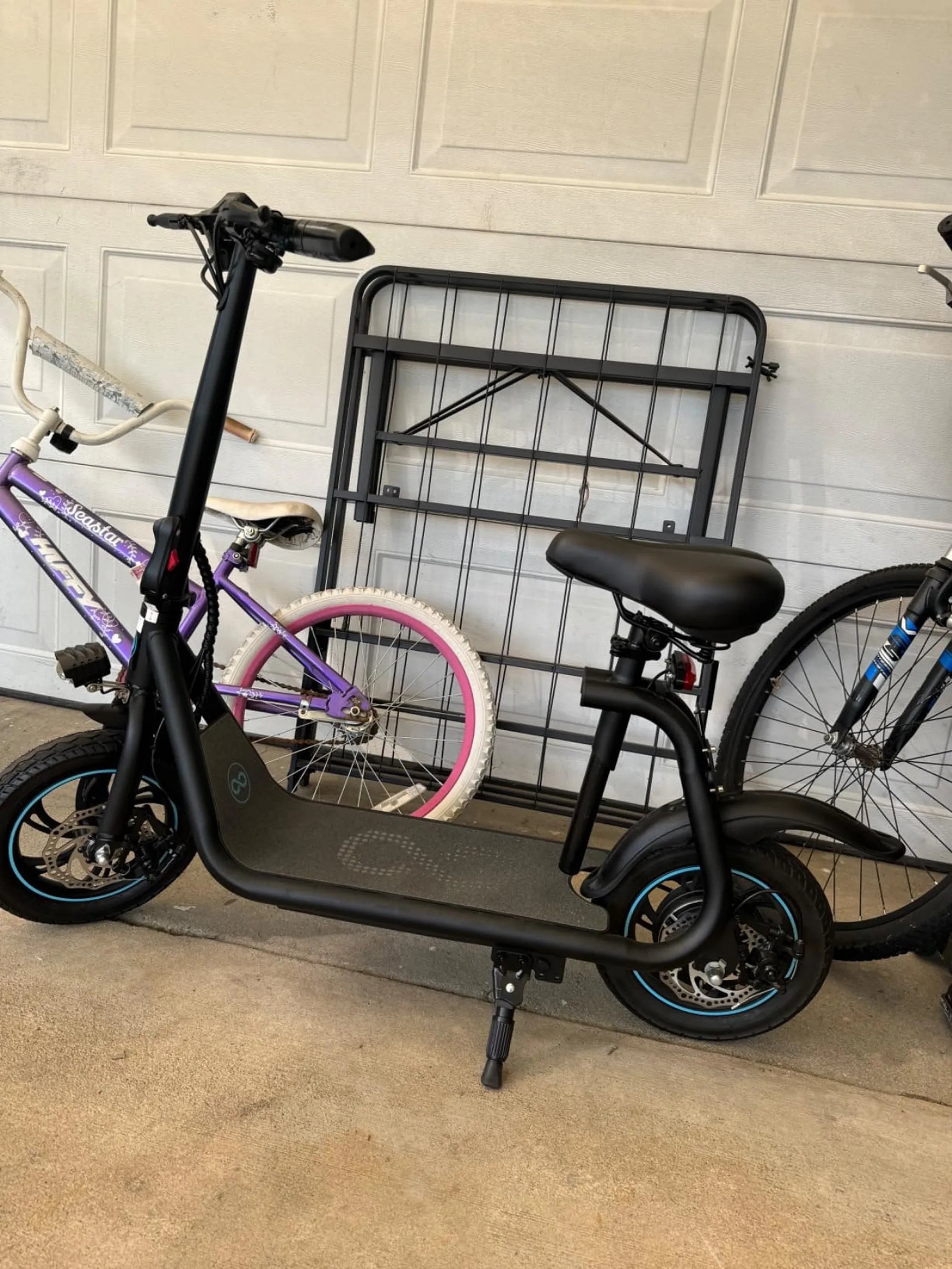
Riding a scooter should be a breeze, but if you've ever felt discomfort or instability, the problem might be as simple as the wrong scooter height. Whether you're a daily commuter or a weekend rider, finding the right scooter height can make all the difference in your experience. Let’s dive into why this matters and how you can get it just right.
Why the Right Scooter Height Matters
Your scooter’s height affects more than just your posture—it impacts control, balance, and overall safety. A scooter that’s too tall or too short can strain your back, knees, or wrists, leading to discomfort or even long-term injuries. Proper height ensures you can easily reach the handlebars and place your feet flat on the ground when stopped, which is crucial for stability.
How to Measure the Right Scooter Height
Start by standing next to your scooter. The handlebars should align with your waist or slightly below, allowing your arms to bend comfortably at a 90-degree angle when gripping them. When seated, your feet should rest flat on the footboard without excessive bending or stretching. If you’re between sizes, opt for adjustability—many scooters offer telescopic handlebars or adjustable seats to fine-tune the fit.
Adjusting Your Scooter for Optimal Performance
If your scooter feels off, small tweaks can help. For handlebars, loosen the clamp and raise or lower them to your preferred height. For seated scooters, adjust the seat so your legs aren’t fully extended or cramped. Test ride after each adjustment to ensure comfort and control. Remember, a well-fitted scooter reduces fatigue and improves maneuverability, especially in tight spaces or during long rides.
Common Mistakes to Avoid
Many riders overlook scooter height, assuming one size fits all. Others prioritize aesthetics over ergonomics, choosing a design that looks cool but feels awkward to ride. Avoid these pitfalls by prioritizing fit over fashion. If sharing a scooter with family members, consider models with easy-adjust features to accommodate different heights.
Signs Your Scooter Height Is Wrong
Discomfort is the biggest red flag. If your wrists ache, your back feels strained, or you struggle to balance, your scooter might be the wrong height. Other signs include difficulty turning, frequent foot shuffling at stops, or feeling unstable at higher speeds. Listen to your body—it’s the best indicator of whether your setup works.
Tips for Different Rider Types
Kids: Choose a lightweight, adjustable scooter that grows with them. Ensure they can comfortably reach the handlebars and footboard.
Adults: Prioritize ergonomics, especially if commuting. A slightly taller handlebar can improve posture on longer rides.
Seniors: Stability is key. Opt for a lower deck and handlebars that allow an upright, relaxed posture.
Finding the right scooter height isn’t just about comfort—it’s about unlocking a smoother, safer, and more enjoyable ride. Whether you’re zipping through city streets or cruising neighborhood paths, a properly fitted scooter keeps you in control and ready for adventure. Ready to fine-tune your ride? Your perfect scooter height is just a few adjustments away.
Dirt Bike Off Road: The Ultimate Guide to Thrilling Adventures
Best Foldable Ebike 2025: The Ultimate Guide to Compact and Powerful Commuting